Are you making sure your GLPs are made in a US 797 compliant lab?

August 21, 2025

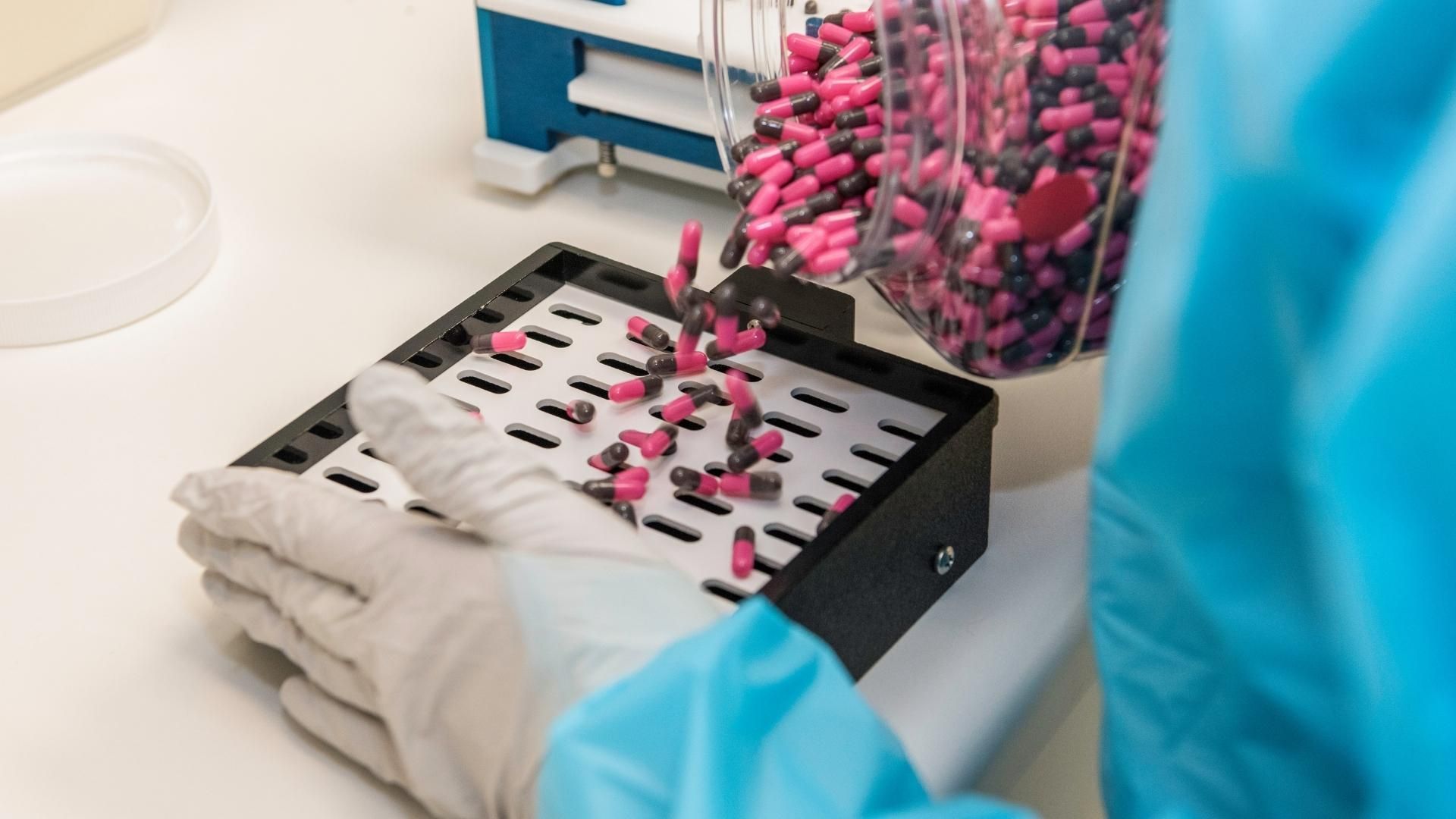
In the world of pharmaceutical compounding, ensuring compliance with the latest standards is crucial for safety and quality. USP General Chapter <797> outlines specific requirements for compounded sterile preparations (CSPs) to minimize risks of contamination and harm to patients. As of November 1, 2023, new revisions to the guidelines became enforceable, demanding heightened attention and adjustment to laboratory practices. This article explores the key facets of USP 797 compliance, offering insights into environmental monitoring, training, and operational standards that laboratories must uphold.

What USP 797 Compliance Entails

What is USP <797> compliance?

USP <797> compliance refers to the regulations governing sterile drug compounding in pharmacies to ensure patient safety. This involves performing sterile compounding within an ISO 5 (Class 100) laminar flow hood, which should ideally be situated in a cleanroom maintaining an ISO 7 (Class 10,000) Buffer Zone.

Sterile compounding is classified into three risk categories—Low, Medium, and High—each requiring specific compliance measures:

  • Low Risk : Involves simple manipulations, requiring basic precautions.
  • Medium Risk : Involves more complex compounding activities, necessitating stricter adherence to protocols.
  • High Risk : Involves highly complex processes with significant contaminant exposure, demanding the highest level of compliance.

Proper design is essential, with cleanrooms made from materials like Fiberglass Reinforced Plastic (FRP) and High-Pressure Laminate (HPL) , facilitating a controlled environment that minimizes contamination.

Additionally, compliance with USP <797> aligns with Current Good Manufacturing Practices (CGMP), including ongoing air quality and cleanliness monitoring crucial to safe drug preparation.

Accessing USP 797 Guidelines

How to access USP <797>?

To access USP General Chapter <797>, visit the USP Compounding Compendium website, as the transition to an online platform occurred on November 1, 2023. The chapter is no longer available in PDF format, reflecting updated practices in healthcare safety standards.

Educational resources for USP 797

The compendium also provides valuable educational resources, including FAQs and commentary to help professionals navigate the revised standards effectively. Staying abreast of these updates is crucial for ensuring compliance and maintaining patient safety during sterile compounding.

Importance of staying informed on guidelines

Staying informed about USP <797> changes is vital due to its considerable impact on patient safety in compounding practices. Regularly checking for updates through the compendium can assist personnel in adhering to best practices and mitigating contamination risks.

Application of USP 797 in Physician Offices

Relevance of USP 797 for Physician Offices

Yes, USP <797> applies to physician offices that engage in sterile compounding. This regulation is designed to ensure the safe preparation and handling of sterile medications, aiming to minimize contamination and errors. Any healthcare facility, including physician offices, that prepares sterile products must follow these guidelines to maintain patient safety and ensure proper compounding practices.

Ensuring Safe Preparation in Healthcare Settings

Compliance with USP <797> is crucial in all settings where sterile preparations are made, including physician offices. The handling and administration of medications, such as lenograstim, require adherence to stringent protocols. Effective practices like routine surface testing, personnel sampling, and environmental monitoring are essential to safeguard the sterility of compounded products.

Protocols for Maintaining Compliance

Physician offices must implement thorough training for staff on proper garbing and compounding techniques. Daily cleaning procedures and regular assessments of the cleanroom conditions help to align with USP <797>. Moreover, embracing web-based systems for training and documentation can enhance compliance efforts and streamline processes in these healthcare environments.

Designing a USP 797 Compliant IV Compounding Room

What are the USP <797> compliant room requirements for IV compounding?

To achieve compliance with USP <797>, the IV compounding room must maintain at least ISO Class 7 air quality. This involves having a positive air pressure differential of a minimum of 0.01 inch water column in relation to adjacent areas. Such measures help to prevent contamination from the surrounding environment.

The room should be equipped with a HEPA filtration system that effectively captures airborne particles as small as 0.3 microns. Smooth and non-porous surfaces are essential for easy cleaning and disinfection, preventing debris accumulation that could harbor microorganisms.

It's also important for the IV room to feature a hand hygiene sink with touch-free faucets and designated storage areas for sterile and non-sterile supplies. This setup promotes efficient hygiene practices and organization within the compounding space.

Regular environmental monitoring is crucial. This includes air and surface sampling and continuous monitoring of pressure differentials between classified areas to address any potential risks quickly.

Personnel training and hygiene protocols

Personnel working in the IV room must undergo rigorous training in aseptic techniques. This includes understanding the protocols for garbing, cleaning, and monitoring their hygiene practices. Initial competency testing is required, which can involve observational assessments to ensure adherence to guidelines.

Additionally, glove fingertip sampling is mandatory. Staff must demonstrate effective hand hygiene, with benchmarks in place for the acceptable level of microbial contamination. Routine training updates and competency evaluations are essential to maintain compliance and ensure patient safety in sterile compounding environments.

Training and Testing for USP 797 Compliance

How important is ongoing training in maintaining USP 797 compliance?

Routine personnel training is crucial for maintaining compliance with USP 797 standards. It serves as a preventative measure against human error, which is a common risk factor in sterile environments. Training programs should include initial evaluations and periodic re-assessments of staff on essential topics such as:

  • Aseptic techniques
  • Gowning procedures
  • Contamination prevention measures

Employees must understand specific tasks in their roles and demonstrate high competency in maintaining sterile conditions. Regular glove fingertip sampling and environmental monitoring through air and surface assessments are also required, ideally taking place every six months to maintain stringent compliance.

Why is environmental testing critical under USP 797 guidelines?

Environmental testing is vital under USP 797 as it identifies potential microbial contamination sources, safeguarding the sterility of compound preparations. Cleanroom environments must undergo routine checks, which include:

  • Air sampling
  • Surface sampling
  • Glove fingertip testing

These assessments must yield results showing less than 3 CFU (Colony-Forming Units) to demonstrate adherence to safety standards. By continuously monitoring environmental conditions, compounding pharmacies can effectively manage contamination risks, ensuring the safety of pharmaceuticals produced.

Ensuring Compliance with Revised USP 797 Guidelines

What are the major changes in the revised USP 797 guidelines?

The revised USP 797 guidelines, effective November 1, 2023, introduce significant changes aimed at enhancing the safety and quality of compounded sterile preparations (CSPs). Among these changes:

  • Increased Environmental Monitoring : There's now a requirement for more frequent environmental monitoring, particularly in cleanroom environments.
  • Microbial Identification : Facilities must identify microorganisms to the genus level, highlighting the importance of understanding contamination risks.
  • Updated Cleanroom Standards : Revisions to cleanroom requirements will also affect the protocols followed by compounding personnel.

These changes underscore the necessity for compounding pharmacies to review and update their standard operating procedures (SOPs) accordingly, ensuring all staff members are adequately trained on the new compliance standards. Non-compliance will be closely monitored by state pharmacy boards, which can impose penalties for violations.

How do these changes impact laboratory operations?

The updates to the USP 797 guidelines necessitate substantial changes across laboratory workflows. Operations are affected in numerous ways:

  • Training and Competency : Regular training sessions for the compounding staff must be increased to familiarize them with the new procedures, which could require additional time and resources.
  • Workflow Optimization : Facilities have the chance to enhance their operations beyond mere compliance. This includes improving safety measures and operational efficiencies.

These adjustments are essential for ensuring compliance and safeguarding patient care. A proactive approach to these revisions will benefit laboratories in maintaining high standards of safety and quality.

Ensuring Safety and Compliance in Sterile Compounding

Adhering to USP 797 standards is no longer optional but an essential component in ensuring the safety and efficacy of compounded sterile preparations. Laboratories that prioritize and consistently practice these compliance measures not only safeguard patient health but also fortify their operational credibility. With the full enforcement of the updated guidelines, it becomes ever more imperative to integrate these standards into daily compounding practices, fostering a culture of vigilance and excellence in pharmaceutical compounding.

References

What Is Sterile Compounding and Why Does It Matter for IV Therapy?
May 19, 2026
When a patient needs a medication that is not commercially available in the right dose, formulation, or combination, a sterile compounding pharmacy creates it. Sterile compounding is the process of preparing customized, injectable or infusible medications, IV solutions, eye drops, inhalation solutions, in a controlled, contamination-free environment. Pharmko's sterile compounding services are at the core of what makes specialty pharmacy different from a retail pharmacy. Every IV medication we prepare is custom-compounded, validated, and released by a licensed pharmacist before it reaches a patient. What Makes Compounding 'Sterile'? The word 'sterile' refers to the absence of viable microorganisms, bacteria, fungi, endotoxins, in the final product. This is non-negotiable for any medication injected into or infused through the body. A contaminated IV solution can cause severe bloodstream infections, sepsis, or death. Achieving sterility requires: A controlled cleanroom environment (ISO Class 5 or better at the point of compounding) Positive or negative air pressure depending on the type of medication being prepared Gowning, gloving, and aseptic technique by trained pharmacy staff Validated sterilization methods (filtration, terminal sterilization) appropriate for each formulation Environmental and personnel monitoring to detect contamination risks before they reach patients How Sterile Compounding Differs from Retail Pharmacy A retail pharmacy dispenses commercially manufactured medications in their existing forms — tablets, capsules, pre-made liquids. A sterile compounding pharmacy like Pharmko creates medications that either do not exist commercially, are no longer commercially available, or must be customized for a specific patient. Examples of why sterile compounding is necessary: A patient needs a specific antibiotic concentration not available in commercial vials TPN must be formulated individually based on the patient's weight, labs, and nutritional requirements — no pre-made product covers every case A pediatric patient needs a lower concentration of an IV medication than any commercial product offers IV antibiotics must be prepared in specific volumes and concentrations for OPAT patients based on the prescribed regimen What Is USP <797>? USP <797> is the United States Pharmacopeia chapter that sets the standards for sterile compounding. It defines the environmental requirements, beyond-use dating, testing, personnel training, and quality systems that a pharmacy must maintain to legally compound sterile preparations. Compliance with USP <797> is required by state pharmacy boards and enforced through inspections. Not all compounding pharmacies meet these standards — patients and providers should verify that any pharmacy preparing IV medications is operating in full USP <797> compliance. For a detailed breakdown of what USP <797> and the newer USP <800> standard mean for patient safety, see our guide on sterile compounding safety standards . How Pharmko's Compounding Process Works Pharmko operates a state-of-the-art USP <797> compliant sterile compounding facility. Every product we prepare goes through: Pharmacist review of the prescription for appropriateness, compatibility, and dosing Preparation by trained pharmacy technicians in an ISO Class 5 laminar airflow workbench or biological safety cabinet In-process and final product checks by a licensed pharmacist Sterility testing or filtration validation where required Cold-chain delivery to the patient or dialysis clinic within validated stability windows Why It Matters for Home Infusion Patients Every IV therapy delivered through Pharmko's home infusion services is compounded in our sterile facility. This means patients at home receive the same quality-controlled, pharmacist-verified products they would receive in a hospital — not medications assembled at the bedside or sourced from uncredentialed suppliers. → Contact Pharmko to learn more about our compounding services: 1-877-540-2003
Home Infusion Therapy in Florida
May 19, 2026
Pharmko provides home infusion therapy across Florida, IV antibiotics, IVIG, TPN, IDPN, and specialty medications. Licensed, accredited, and available 24/7 statewide.
Home Infusion Therapy in Texas
May 19, 2026
Pharmko provides home infusion therapy across Texas — IV antibiotics, IVIG, TPN, IDPN, and specialty medications. Licensed, accredited, and available 24/7 statewide.
 Phosphate Binders for Dialysis Patients
May 12, 2026
Learn how phosphate binders work for dialysis and CKD patients, the different types available, how they fit into a renal care plan, and how Pharmko supports dialysis centers with consistent supply.
 Home Infusion for Autoimmune Diseases
May 7, 2026
Learn how home infusion therapy supports autoimmune disease management,from IVIG for immune deficiencies to biologic infusions for inflammatory conditions. Pharmko serves 22+ states.
Subcutaneous vs IV Infusion: Which Delivery Route Is Right for Your Therapy
May 4, 2026
Learn the differences between subcutaneous and IV infusion delivery routes,how each works, which therapies use them, and how to choose the right option for your treatment.
Milrinone Infusion at Home for Heart Failure: Patient Guide and Safety Overview
April 23, 2026
Learn how home milrinone infusion works for advanced heart failure patients, who qualifies for palliative milrinone therapy, what to expect, and how Pharmko supports safe at-home cardiac care.
Home Infusion for Crohn's Disease: Remicade, Biologics, and What Patients Should Know
April 23, 2026
Learn how home infusion therapy for Crohn's disease works, including Remicade (infliximab) and other biologics. Who qualifies, what each infusion involves, and how Pharmko supports ongoing care.
Malnutrition in Hemodialysis Patients: Signs, Risks, and When IDPN Is Needed
April 23, 2026
Malnutrition affects up to 75% of hemodialysis patients. Learn to recognize protein-energy wasting, understand when IDPN is clinically indicated, and how Pharmko supports renal nutrition management.
IDPN Therapy: Who Qualifies, How It Works, and What to Expect
April 23, 2026
Learn how intradialytic parenteral nutrition (IDPN) works, who qualifies based on albumin levels and nutritional status, and how Pharmko delivers IDPN for dialysis patients.
Show More