How does a three-step weight program work?

September 11, 2025

Unlocking the Power of a Structured Weight Loss Plan

A well-structured three-step weight management program can be the ideal solution for those striving to lose weight effectively and maintain it long-term. By focusing on understanding the body’s natural processes, establishing healthy eating habits, and committing to regular physical activity, these programs offer a comprehensive approach to weight management. This article explores how these steps work synergistically to deliver sustainable health improvements.

Understanding the Three Steps to Effective Weight Management

How does a three-step weight management program work for beginners?

A three-step weight management program for beginners emphasizes a foundational understanding of how the body utilizes energy. In essence, after approximately 12 hours without food, the body starts to burn stored fat as a source of energy, entering a fasting metabolism. This critical shift is the first step, highlighting the potential of fasting to aid weight management.

Next, beginners are encouraged to adopt a structured eating pattern. This entails consuming two meals a day within a condensed 6-8 hour eating window. Such a routine not only activates the body’s fat burn but also aids in establishing healthier eating habits.

The third step involves focusing on meal composition. Participants are guided towards incorporating healthy, unprocessed foods and low-carb choices, tailored to fit their individual preferences. This balance allows for some indulgence while ensuring nutrition remains a priority.

In addition to these dietary guidelines, a comprehensive exercise plan enhances the program’s effectiveness. Incorporating resistance training, low-impact workouts like Pilates or barre, and an average of 8,000 steps daily supports weight loss by enhancing fitness levels and promoting overall well-being.

Implementing a Balanced Approach for Weight Management

What are the three steps to help with weight management?

To help with weight management, three essential steps include maintaining a balanced diet, engaging in regular physical activity, and managing stress effectively.

  1. Balanced Diet

    • Focus on a variety of fruits , vegetables , whole grains , and lean proteins .
    • Limit high-calorie foods and monitor portion sizes.
    • Consider strategies like the 30-30-30 rule, which emphasizes protein intake at breakfast.
  2. Regular Physical Activity

    • Aim for at least 150 minutes of moderate exercise weekly, incorporating activities such as walking or resistance training.
    • Include non-exercise activities (NEAT) in daily routines to boost overall metabolism.
  3. Stress Management

    • Acknowledge the impact of stress on eating habits and engage in techniques such as mindfulness or yoga.

These steps are designed to help maintain a gradual weight loss of about 1 to 2 pounds per week , fostering long-term success.

Importance of a Balanced Diet

A balanced diet plays a crucial role in maintaining weight loss. It not only nourishes the body but also helps manage hunger and cravings—essential factors in preventing weight regain.

Regular Physical Activity

Incorporating both structured exercise and incidental movement significantly contributes to energy expenditure. This dual approach enhances fat burn and promotes overall cardiovascular health.

Stress Management in Weight Loss

Effective stress management supports better lifestyle choices. Reducing stress can minimize emotional eating and improve focus on exercise and dietary goals.

Rapid Weight Loss Strategies for Quick Results

How to lose 10 pounds in 2 weeks?

Losing 10 pounds in just two weeks is ambitious but achievable with a strategic approach. Begin by creating a calorie deficit, which means burning more calories than you consume. Focus on whole, unprocessed foods; these include plenty of fruits, vegetables, lean proteins, and high-fiber options like oats and beans. These foods not only provide essential nutrients but also keep you fuller for longer, reducing the temptation to overeat.

To improve your meal rhythm, aim to eat 5 to 6 smaller meals spread throughout the day. This can help maintain consistent energy levels and stave off hunger pangs. Stay hydrated; drinking at least 1.5 liters of water daily supports metabolism and aids digestion. Furthermore, be mindful of your salt and sugar intake, as processed foods can sabotage your weight loss goals.

Incorporate regular physical activity into your routine. Aim for at least one hour of exercise daily, combining both cardio and strength training. Cardio, such as brisk walking or cycling, ramps up calorie burn, while strength training builds and maintains lean muscle, which enhances your metabolism. Also, prioritize rest—getting enough sleep is key to supporting your weight loss journey and helps with recovery and hormonal balance.

Dietary Adjustments

For impactful dietary changes, center your meals around unprocessed choices while monitoring portion sizes. This structured approach not only promotes rapid weight loss but also sets a solid foundation for long-term habits. Regular self-monitoring, like weighing yourself weekly, can help you keep track of your progress and adjust your strategies if necessary.

Daily Exercise

Daily exercise should not only focus on planned workouts but also on incidental movement. Increasing your daily activity through simple changes, like taking the stairs instead of the elevator, can significantly contribute to your calorie burn. Combining structured workouts with everyday movement creates a powerful strategy for sustaining weight loss while promoting a healthier lifestyle.

Achieving Fitness through Walking and Dietary Changes

Step Goals for Weight Loss

To lose weight effectively, it is generally recommended to aim for 10,000 to 12,500+ steps each day. These step goals help followers create a significant calorie deficit essential for weight loss. Consistent walking contributes to burning calories, with a rough estimate of 100 to 200 calories burned during 30 minutes of walking.

Walking in Combination with Diet

Integrating walking with a nutrient-dense diet amplifies weight loss efforts. For example, if you walked regularly, this routine could potentially lead to a loss of about 1.6 pounds per month from walking alone. However, individual results vary; thus, it’s advisable to tailor your walking goals based on personal fitness levels and activity routines. Combining mindful eating habits with varied forms of physical activity, including walking, is the most effective strategy for achieving sustainable weight loss.

Exploring a Three-Stage Diet Program for Sustained Weight Loss

What is the three-stage diet program?

The three-stage diet program, often referred to as 3-phase eating, is designed to foster long-term healthy eating habits while encouraging weight loss. Each phase focuses on distinct food groups to optimize nutritional intake and reduce cravings:

  1. Phase 1 : This initial phase prioritizes vegetable and fruit dishes, which are low in calories but rich in essential nutrients and fiber. This combination helps promote feelings of fullness, aiding weight loss.
  2. Phase 2 : The second phase introduces starchy vegetables and whole grains. While these foods are more calorie-dense, they still provide significant health benefits. This phase helps manage cravings and provides sustained energy for daily activities.
  3. Phase 3 : Though optional, this phase allows for the inclusion of smaller portions of processed or fatty plant foods. It acts as a way to incorporate variety into the diet while maintaining a focus on the first two nutrient-rich phases.

This structured approach, advocated by Dr. Joel Fuhrman, helps individuals build sustainable eating habits while emphasizing the importance of a balanced, nutrient-dense diet for improved overall health.

Conclusion: Embracing a Three-Step Program for Better Health

A three-step weight program offers a highly effective and structured approach to achieving and maintaining a healthy weight. By understanding and harnessing the body's natural metabolic processes, implementing a strategic eating and exercise routine, and fostering sustainable lifestyle changes, individuals can significantly improve their health and achieve lasting results. These programs not only address weight loss but also promote overall well-being, making them ideal solutions for both beginners and those seeking long-term health improvements.

References

What Is Sterile Compounding and Why Does It Matter for IV Therapy?
May 19, 2026
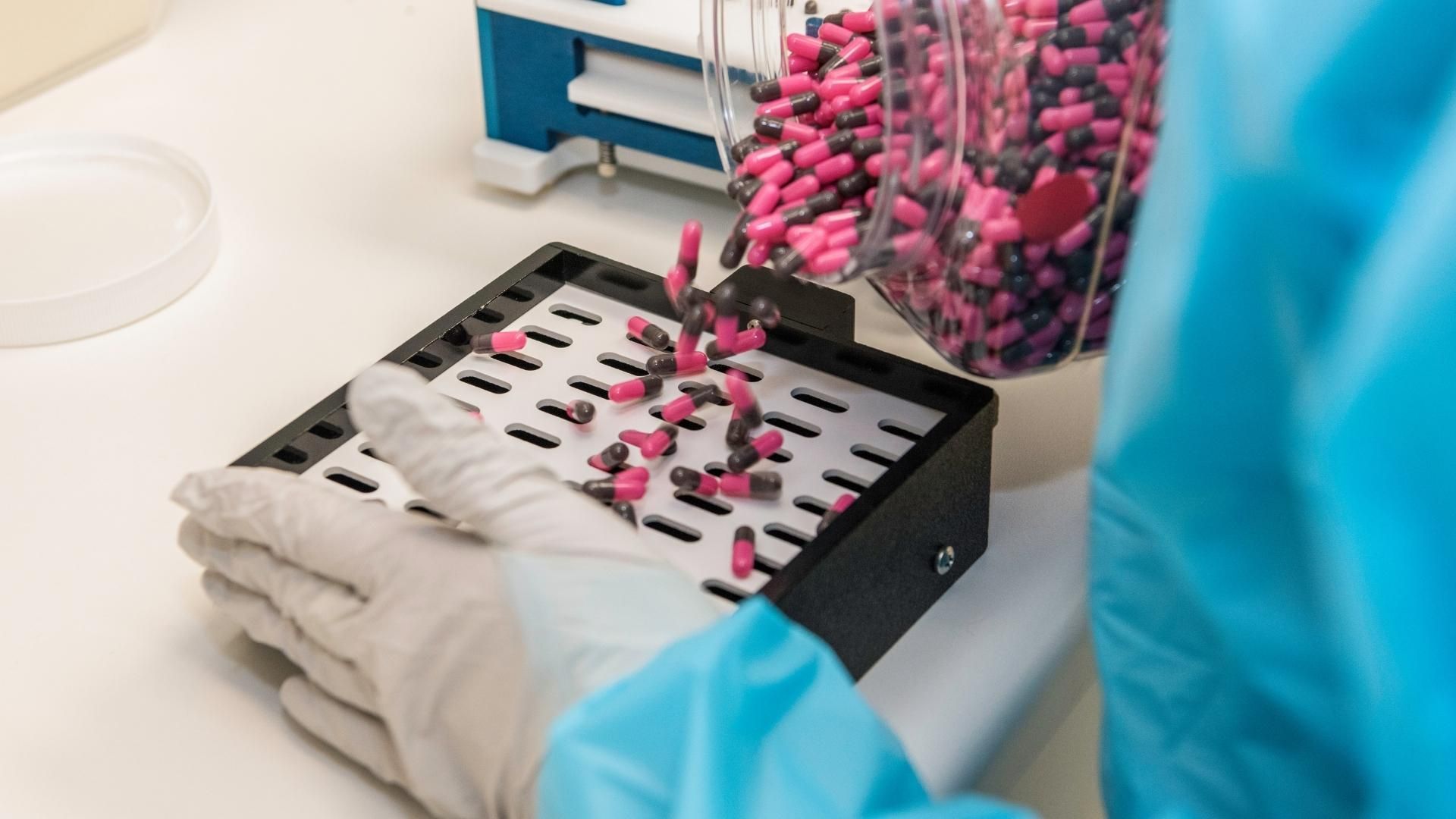
When a patient needs a medication that is not commercially available in the right dose, formulation, or combination, a sterile compounding pharmacy creates it. Sterile compounding is the process of preparing customized, injectable or infusible medications, IV solutions, eye drops, inhalation solutions, in a controlled, contamination-free environment. Pharmko's sterile compounding services are at the core of what makes specialty pharmacy different from a retail pharmacy. Every IV medication we prepare is custom-compounded, validated, and released by a licensed pharmacist before it reaches a patient. What Makes Compounding 'Sterile'? The word 'sterile' refers to the absence of viable microorganisms, bacteria, fungi, endotoxins, in the final product. This is non-negotiable for any medication injected into or infused through the body. A contaminated IV solution can cause severe bloodstream infections, sepsis, or death. Achieving sterility requires: A controlled cleanroom environment (ISO Class 5 or better at the point of compounding) Positive or negative air pressure depending on the type of medication being prepared Gowning, gloving, and aseptic technique by trained pharmacy staff Validated sterilization methods (filtration, terminal sterilization) appropriate for each formulation Environmental and personnel monitoring to detect contamination risks before they reach patients How Sterile Compounding Differs from Retail Pharmacy A retail pharmacy dispenses commercially manufactured medications in their existing forms — tablets, capsules, pre-made liquids. A sterile compounding pharmacy like Pharmko creates medications that either do not exist commercially, are no longer commercially available, or must be customized for a specific patient. Examples of why sterile compounding is necessary: A patient needs a specific antibiotic concentration not available in commercial vials TPN must be formulated individually based on the patient's weight, labs, and nutritional requirements — no pre-made product covers every case A pediatric patient needs a lower concentration of an IV medication than any commercial product offers IV antibiotics must be prepared in specific volumes and concentrations for OPAT patients based on the prescribed regimen What Is USP <797>? USP <797> is the United States Pharmacopeia chapter that sets the standards for sterile compounding. It defines the environmental requirements, beyond-use dating, testing, personnel training, and quality systems that a pharmacy must maintain to legally compound sterile preparations. Compliance with USP <797> is required by state pharmacy boards and enforced through inspections. Not all compounding pharmacies meet these standards — patients and providers should verify that any pharmacy preparing IV medications is operating in full USP <797> compliance. For a detailed breakdown of what USP <797> and the newer USP <800> standard mean for patient safety, see our guide on sterile compounding safety standards . How Pharmko's Compounding Process Works Pharmko operates a state-of-the-art USP <797> compliant sterile compounding facility. Every product we prepare goes through: Pharmacist review of the prescription for appropriateness, compatibility, and dosing Preparation by trained pharmacy technicians in an ISO Class 5 laminar airflow workbench or biological safety cabinet In-process and final product checks by a licensed pharmacist Sterility testing or filtration validation where required Cold-chain delivery to the patient or dialysis clinic within validated stability windows Why It Matters for Home Infusion Patients Every IV therapy delivered through Pharmko's home infusion services is compounded in our sterile facility. This means patients at home receive the same quality-controlled, pharmacist-verified products they would receive in a hospital — not medications assembled at the bedside or sourced from uncredentialed suppliers. → Contact Pharmko to learn more about our compounding services: 1-877-540-2003
Home Infusion Therapy in Florida
May 19, 2026
Pharmko provides home infusion therapy across Florida, IV antibiotics, IVIG, TPN, IDPN, and specialty medications. Licensed, accredited, and available 24/7 statewide.
Home Infusion Therapy in Texas
May 19, 2026
Pharmko provides home infusion therapy across Texas — IV antibiotics, IVIG, TPN, IDPN, and specialty medications. Licensed, accredited, and available 24/7 statewide.
 Phosphate Binders for Dialysis Patients
May 12, 2026
Learn how phosphate binders work for dialysis and CKD patients, the different types available, how they fit into a renal care plan, and how Pharmko supports dialysis centers with consistent supply.
 Home Infusion for Autoimmune Diseases
May 7, 2026
Learn how home infusion therapy supports autoimmune disease management,from IVIG for immune deficiencies to biologic infusions for inflammatory conditions. Pharmko serves 22+ states.
Subcutaneous vs IV Infusion: Which Delivery Route Is Right for Your Therapy
May 4, 2026
Learn the differences between subcutaneous and IV infusion delivery routes,how each works, which therapies use them, and how to choose the right option for your treatment.
Milrinone Infusion at Home for Heart Failure: Patient Guide and Safety Overview
April 23, 2026
Learn how home milrinone infusion works for advanced heart failure patients, who qualifies for palliative milrinone therapy, what to expect, and how Pharmko supports safe at-home cardiac care.
Home Infusion for Crohn's Disease: Remicade, Biologics, and What Patients Should Know
April 23, 2026
Learn how home infusion therapy for Crohn's disease works, including Remicade (infliximab) and other biologics. Who qualifies, what each infusion involves, and how Pharmko supports ongoing care.
Malnutrition in Hemodialysis Patients: Signs, Risks, and When IDPN Is Needed
April 23, 2026
Malnutrition affects up to 75% of hemodialysis patients. Learn to recognize protein-energy wasting, understand when IDPN is clinically indicated, and how Pharmko supports renal nutrition management.
IDPN Therapy: Who Qualifies, How It Works, and What to Expect
April 23, 2026
Learn how intradialytic parenteral nutrition (IDPN) works, who qualifies based on albumin levels and nutritional status, and how Pharmko delivers IDPN for dialysis patients.
Show More