Pharmaceutical compounding for home care

September 3, 2025

The Role of Compounding in Modern Home Healthcare

Pharmaceutical compounding for home care has emerged as a vital component of personalized medicine, offering tailored treatments to meet the unique needs of patients in their own environments. This practice involves creating customized medications that address specific health conditions, allergies, or preferences, thereby enhancing treatment efficacy and patient adherence. With advancements in technology and strict regulatory standards, compounded medications are now safer and more accessible than ever for home-based therapy, bridging gaps where commercial drugs may fall short.

Fundamentals of Pharmaceutical Compounding

What is pharmaceutical compounding, and what are the fundamental processes involved?

Pharmaceutical compounding is a specialized practice where licensed pharmacists, pharmacists under supervision, or trained personnel create individualized medications tailored to specific patient needs. This practice often becomes essential when commercial medications do not fully meet the requirements of a patient, such as needing a different dosage form, removing allergens, or adjusting concentrations.

The core processes involved in compounding include formulation, preparation, and quality control. During formulation, healthcare providers and pharmacists collaborate to select appropriate ingredients, determine the correct dosages, and decide on the delivery method. Preparation involves executing precise techniques like mixing, levigation, trituration, and flavoring to produce the medication. Quality control ensures the safety, potency, and stability of each compounded product through stringent standards and testing.

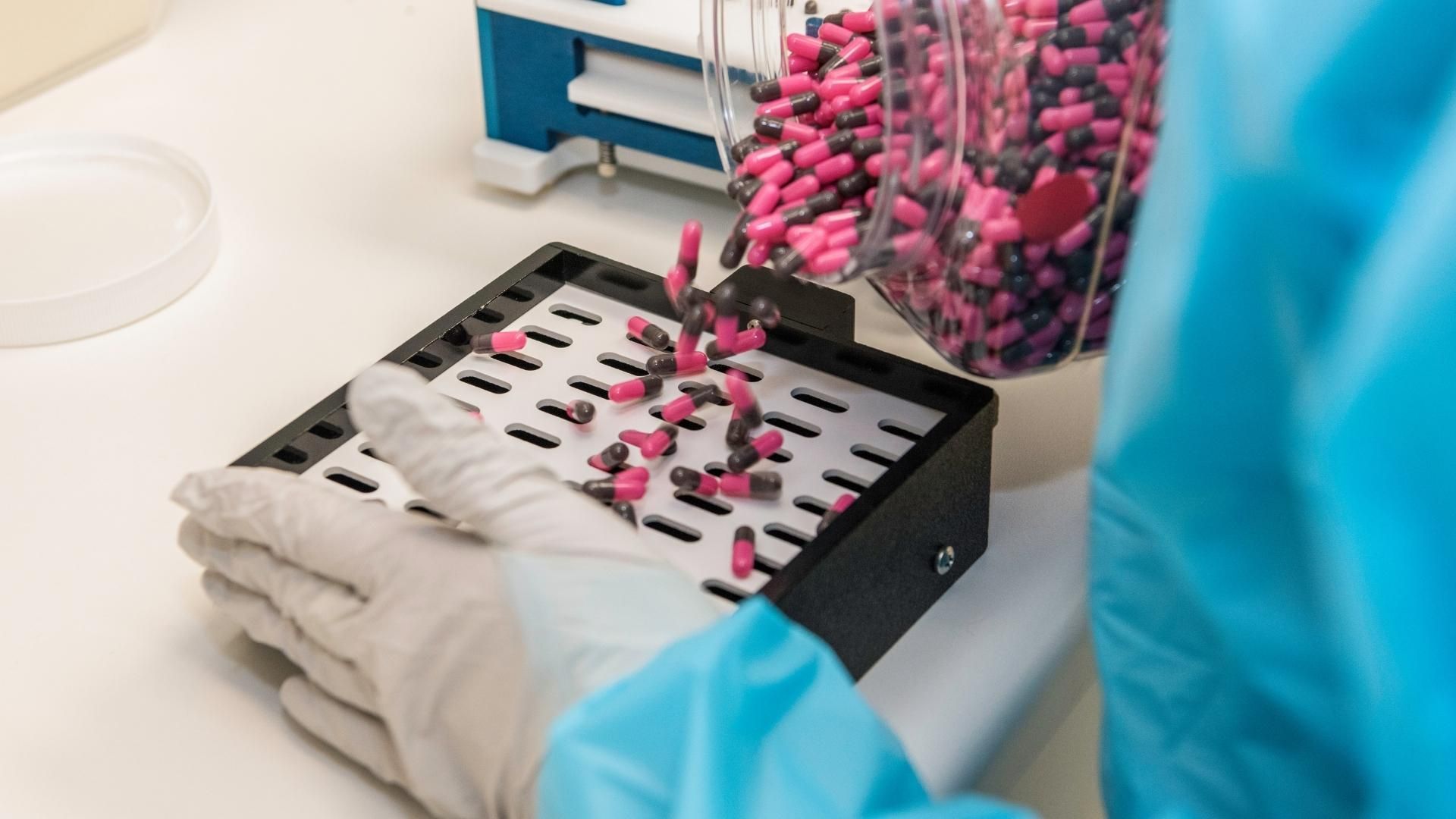
Advancements in technology, such as automated dispensing systems and 3D printing, have improved the accuracy and safety of compounding. These innovations support creating consistent, high-quality medications tailored specifically for individual patients.

Compounding practices are vital in bridging therapeutic gaps, providing customized solutions like allergy-free formulations, unique dosage forms, or formulations unavailable in standard drug market options. This personalized approach enhances treatment efficacy and patient adherence, especially for populations such as children, pets, or those with allergies or specific dietary restrictions.

Aspect Details Additional Notes
Definition Creating individualized medications by combining, mixing, or modifying ingredients Basic process fundamental to tailored therapy
Process Steps Formulation, preparation, quality control Ensures safety, accuracy, and effectiveness of medications
Techniques Used Levigation, trituration, flavoring, reconstitution Specific skills for precise compounding
Technology Impact Automation, 3D printing Enhances precision and safety
Importance Fills unmet medical needs, addresses allergies, dosage customization Critical in modern personalized medicine

Understanding these fundamentals highlights the essential role of compounding in delivering individualized care, expanding access to medications, and overcoming limitations of off-the-shelf pharmaceutical products.

Personalized Medicine Through Compounding

How does pharmaceutical compounding enable personalized or individualized medication therapy?

Pharmaceutical compounding is a vital practice that allows pharmacists to customize medications based on each patient's unique health needs. By adjusting dosages, altering formulations, or removing allergens, compounding creates tailored treatments that improve efficacy and tolerability.

This practice is especially beneficial for populations like children, the elderly, or those with allergies, who may require specific drug forms or formulations not commercially available. For example, a medication can be compounded into a liquid for easier administration or flavor-masked to improve taste.

Compounded medications also support continuity of care. When certain drugs are discontinued or in short supply, pharmacists can recreate them or combine multiple medications into a single, convenient formulation. This can improve medication adherence and simplify the treatment regimen.

Furthermore, compounding can address individual patient preferences, such as avoiding certain ingredients or choosing specific delivery methods. This focus on patient-centered care enhances compliance and therapeutic outcomes.

Overall, compounding advances personalized medicine by offering custom solutions that standard pharmaceuticals may not provide, ensuring treatments are safe, effective, and aligned with each patient's unique needs.

Safety and Regulatory Standards in Compounding

Ensuring Safety: Regulatory Standards and Best Practices in CompoundingPharmaceutical compounding is governed by a combination of federal and state regulations to ensure patient safety and medication quality. At the federal level, laws such as the Food, Drug, and Cosmetic Act (FDCA) and the Drug Quality and Security Act (DQSA) set crucial standards. The DQSA, enacted in 2013, established requirements specifically for outsourcing facilities that produce compounded drugs in larger volumes, mandating compliance with Current Good Manufacturing Practices (CGMP). These facilities undergo routine inspections by the Food and Drug Administration (FDA).
In traditional pharmacy settings, including home infusion pharmacies and community compounding pharmacies, regulation primarily falls under state boards of pharmacy. Nevertheless, adherence to the guidelines established by the United States Pharmacopeia (USP) is essential. According to USP chapters <797> for sterile preparations and <795> for non-sterile compounds, strict procedures are in place to promote safety and consistency.

Environmental controls are a cornerstone of safe compounding practices. Facilities must maintain ISO Class 5 environments for sterile preparations, equipped with High-Efficiency Particulate Air (HEPA) filtration and controlled airflow to prevent contamination. Specific layout requirements, such as buffer and ante areas, help ensure aseptic conditions are maintained.

Personnel involved in compounding must receive thorough training and demonstrate competency regularly. Proper hand hygiene, gowning, and handling procedures are enforced to reduce the risk of contamination and errors.

To maintain high standards, hospitals and pharmacies implement comprehensive quality assurance programs. These include routine cleaning and disinfecting, environmental monitoring for microbial contamination, and periodic testing of compounded medications. These measures are critical to detecting issues early and ensuring compliance with regulatory standards.

In summary, safety in pharmaceutical compounding depends on a layered approach of federal and state regulation, adherence to USP guidelines, strict environmental controls, trained personnel, and ongoing quality oversight. These elements work together to produce safe, effective, and reliable compounded medications for patients.

Types of Compounded Medications Suitable for Home Care

tailored medications for home care: Sterile and Non-sterile OptionsCompounded medications tailored for home care include both sterile and non-sterile formulations, carefully prepared to meet individual patient needs. Non-sterile preparations are among the most common and include topical creams, ointments, gels, capsules, liquids, troches, and sprays. These forms are extensively used for conditions such as skin issues, pain relief, and pediatric health, allowing for custom dosages and ingredient adjustments.



Sterile preparations are also vital when patients require treatments such as intravenous (IV) infusions, injectable solutions, or ophthalmic and otic drops. These must be prepared with meticulous attention to aseptic techniques within ISO Class 5 environments to ensure sterility and safety.

The choice between sterile and non-sterile medications depends on the medical condition, urgency, and compatibility with patient needs. Custom medications are especially helpful when commercial options are unavailable, when specific dosages are needed, or when allergies necessitate ingredient modifications.

Ensuring safety involves sourcing compounded drugs from accredited facilities that follow strict regulatory standards. This reduces risks like contamination, incorrect dosing, or adverse reactions, making compounded medicines a reliable option in home healthcare settings.

For more information, search using the phrase: "Sterile and non-sterile compounded medications for home use."

Legal, Compliance, and Logistical Considerations

What are the legal and compliance considerations for pharmacy compounding in the context of home-based care?

Ensuring safe and lawful pharmacy compounding for home-based care involves strict adherence to federal, state, and local regulations. Pharmacists must operate within licensing requirements set by state Boards of Pharmacy and follow national standards outlined in USP <797> for sterile preparations and USP <795> for non-sterile formulations. Proper training and certification in sterile and non-sterile compounding techniques are essential to reduce contamination risks.

Detailed documentation and record-keeping for every compounded medication are vital. This includes maintaining accurate records of ingredients, batch numbers, preparation dates, and expiration dates. Such traceability supports quality assurance, helps in any recalls, and fulfills legal requirements.

Regular quality control measures, including stability testing, are crucial to verify that medications remain safe, effective, and potent over time. These practices protect patient health and support regulatory compliance.

By following these guidelines, pharmacies not only uphold legal standards but also ensure the safety of medications administered in patients' homes. This diligence maintains trust and promotes high-quality home-based pharmacy services.

Ensuring Safe and Effective Home-Based Therapy

The practice of pharmaceutical compounding in home care settings offers a tailored approach to meet individual patient needs, enhancing therapeutic outcomes and adherence. Ensuring strict compliance with regulatory standards, maintaining high safety and quality assurance protocols, and employing best practices in preparation and delivery are essential to safeguarding patient health. As technology advances and regulations evolve, compounded medications will continue to play a pivotal role in expanding personalized and accessible healthcare for patients in the comfort of their homes.

References

What Is Sterile Compounding and Why Does It Matter for IV Therapy?
May 19, 2026
When a patient needs a medication that is not commercially available in the right dose, formulation, or combination, a sterile compounding pharmacy creates it. Sterile compounding is the process of preparing customized, injectable or infusible medications, IV solutions, eye drops, inhalation solutions, in a controlled, contamination-free environment. Pharmko's sterile compounding services are at the core of what makes specialty pharmacy different from a retail pharmacy. Every IV medication we prepare is custom-compounded, validated, and released by a licensed pharmacist before it reaches a patient. What Makes Compounding 'Sterile'? The word 'sterile' refers to the absence of viable microorganisms, bacteria, fungi, endotoxins, in the final product. This is non-negotiable for any medication injected into or infused through the body. A contaminated IV solution can cause severe bloodstream infections, sepsis, or death. Achieving sterility requires: A controlled cleanroom environment (ISO Class 5 or better at the point of compounding) Positive or negative air pressure depending on the type of medication being prepared Gowning, gloving, and aseptic technique by trained pharmacy staff Validated sterilization methods (filtration, terminal sterilization) appropriate for each formulation Environmental and personnel monitoring to detect contamination risks before they reach patients How Sterile Compounding Differs from Retail Pharmacy A retail pharmacy dispenses commercially manufactured medications in their existing forms — tablets, capsules, pre-made liquids. A sterile compounding pharmacy like Pharmko creates medications that either do not exist commercially, are no longer commercially available, or must be customized for a specific patient. Examples of why sterile compounding is necessary: A patient needs a specific antibiotic concentration not available in commercial vials TPN must be formulated individually based on the patient's weight, labs, and nutritional requirements — no pre-made product covers every case A pediatric patient needs a lower concentration of an IV medication than any commercial product offers IV antibiotics must be prepared in specific volumes and concentrations for OPAT patients based on the prescribed regimen What Is USP <797>? USP <797> is the United States Pharmacopeia chapter that sets the standards for sterile compounding. It defines the environmental requirements, beyond-use dating, testing, personnel training, and quality systems that a pharmacy must maintain to legally compound sterile preparations. Compliance with USP <797> is required by state pharmacy boards and enforced through inspections. Not all compounding pharmacies meet these standards — patients and providers should verify that any pharmacy preparing IV medications is operating in full USP <797> compliance. For a detailed breakdown of what USP <797> and the newer USP <800> standard mean for patient safety, see our guide on sterile compounding safety standards . How Pharmko's Compounding Process Works Pharmko operates a state-of-the-art USP <797> compliant sterile compounding facility. Every product we prepare goes through: Pharmacist review of the prescription for appropriateness, compatibility, and dosing Preparation by trained pharmacy technicians in an ISO Class 5 laminar airflow workbench or biological safety cabinet In-process and final product checks by a licensed pharmacist Sterility testing or filtration validation where required Cold-chain delivery to the patient or dialysis clinic within validated stability windows Why It Matters for Home Infusion Patients Every IV therapy delivered through Pharmko's home infusion services is compounded in our sterile facility. This means patients at home receive the same quality-controlled, pharmacist-verified products they would receive in a hospital — not medications assembled at the bedside or sourced from uncredentialed suppliers. → Contact Pharmko to learn more about our compounding services: 1-877-540-2003
Home Infusion Therapy in Florida
May 19, 2026
Pharmko provides home infusion therapy across Florida, IV antibiotics, IVIG, TPN, IDPN, and specialty medications. Licensed, accredited, and available 24/7 statewide.
Home Infusion Therapy in Texas
May 19, 2026
Pharmko provides home infusion therapy across Texas — IV antibiotics, IVIG, TPN, IDPN, and specialty medications. Licensed, accredited, and available 24/7 statewide.
 Phosphate Binders for Dialysis Patients
May 12, 2026
Learn how phosphate binders work for dialysis and CKD patients, the different types available, how they fit into a renal care plan, and how Pharmko supports dialysis centers with consistent supply.
 Home Infusion for Autoimmune Diseases
May 7, 2026
Learn how home infusion therapy supports autoimmune disease management,from IVIG for immune deficiencies to biologic infusions for inflammatory conditions. Pharmko serves 22+ states.
Subcutaneous vs IV Infusion: Which Delivery Route Is Right for Your Therapy
May 4, 2026
Learn the differences between subcutaneous and IV infusion delivery routes,how each works, which therapies use them, and how to choose the right option for your treatment.
Milrinone Infusion at Home for Heart Failure: Patient Guide and Safety Overview
April 23, 2026
Learn how home milrinone infusion works for advanced heart failure patients, who qualifies for palliative milrinone therapy, what to expect, and how Pharmko supports safe at-home cardiac care.
Home Infusion for Crohn's Disease: Remicade, Biologics, and What Patients Should Know
April 23, 2026
Learn how home infusion therapy for Crohn's disease works, including Remicade (infliximab) and other biologics. Who qualifies, what each infusion involves, and how Pharmko supports ongoing care.
Malnutrition in Hemodialysis Patients: Signs, Risks, and When IDPN Is Needed
April 23, 2026
Malnutrition affects up to 75% of hemodialysis patients. Learn to recognize protein-energy wasting, understand when IDPN is clinically indicated, and how Pharmko supports renal nutrition management.
IDPN Therapy: Who Qualifies, How It Works, and What to Expect
April 23, 2026
Learn how intradialytic parenteral nutrition (IDPN) works, who qualifies based on albumin levels and nutritional status, and how Pharmko delivers IDPN for dialysis patients.
Show More