
Pharmko’s sterile compounding services

September 3, 2025

Introduction to Pharmko’s Compounding

Pharmko's sterile compounding services stand at the forefront of pharmaceutical innovation, offering custom medication solutions to meet the unique needs of patients and healthcare providers. With a steadfast commitment to safety and quality, Pharmko embodies the pinnacle of compounding expertise.

Understanding Sterile Compounding

What is sterile compounding and how does it differ from non-sterile compounding?

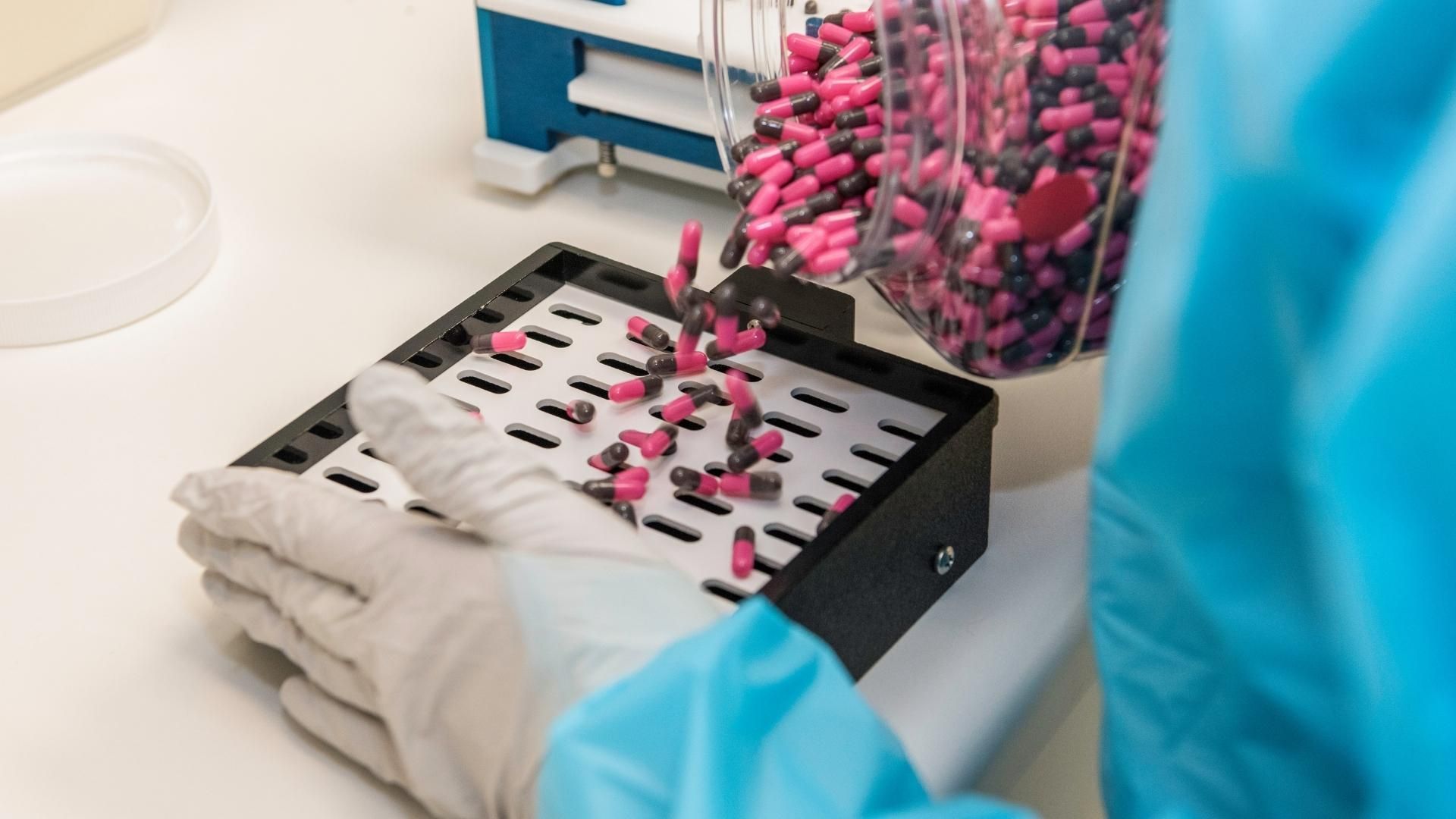
Sterile compounding is a specialized process where medications are prepared in a clinically controlled environment, reducing the risk of contamination. This is critical for medications intended for sensitive applications such as injections, ophthalmic solutions, and inhalations. In contrast, non-sterile compounding does not conform to the same stringent requirements and is generally used for oral or topical medications.

The significance of sterile compounding lies in its meticulous standards. Compounding pharmacies must operate under guidelines set by the United States Pharmacopeia (USP) and the Food and Drug Administration (FDA). This encompasses everything from the environment—such as clean rooms and laminar airflow workbenches—to specialized equipment like autoclaves for sterilization.

Why are sterile environments essential in compounding?

A sterile environment is paramount in ensuring the safety and efficacy of compounded medications. It prevents microbial contamination which could potentially lead to serious infections in patients. For this reason, pharmacists and pharmacy technicians undergo extensive training in aseptic techniques and contamination control. They routinely perform tasks such as bactericidal cleaning of sterile rooms and conducting air quality checks to maintain sterility.

The Medicine Shoppe Pharmacy demonstrates a commitment to these practices by offering a range of compounded sterile preparations. They not only serve individual patients but also cater to healthcare organizations like hospitals and nursing homes.

In summary, sterile compounding is vital for delivering high-quality healthcare, necessitating expert training and adherence to rigorous protocols to ensure patient safety.

Excellence in Education and Certification

What are the education and certification requirements for a compounding pharmacist?

To become a compounding pharmacist, individuals must first complete an accredited Doctor of Pharmacy (Pharm.D.) degree. This educational path typically spans six to eight years following high school. Students begin with pre-pharmacy coursework, covering subjects like biochemistry and anatomy.

Graduates are required to undergo approximately 1,500 hours of clinical internship, equipping them with hands-on experience essential for their future roles. After their education, they must pass the North American Pharmacist Licensure Examination (NAPLEX) in addition to any state-specific law exams.

While there are no mandatory certifications specifically for compounding pharmacists, additional training can be pursued through organizations such as the Professional Compounding Centers of America. Familiarity with the regulations outlined by the United States Pharmacopeia (USP) General Chapters is crucial as it governs specific preparation standards.

Furthermore, continuing education is vital for pharmacists to maintain their licensure and ensure they stay updated with evolving industry practices.

How does BCSCP certification enhance a compounding pharmacist's skill set?

BCSCP, or Board Certification for Sterile Compounding Pharmacists, offers a significant credential that validates a pharmacist's advanced knowledge and expertise in sterile compounding. This certification, awarded by the Board of Pharmacy Specialties, requires candidates to meet specific eligibility criteria:

  • Graduation from an accredited pharmacy program.
  • A minimum of 4,000 hours of practice experience in sterile compounding.

This certification ensures that pharmacists are capable of maintaining quality patient care while adhering to stringent safety and regulatory standards. Moreover, the BPS refreshes its exam content regularly, aligning it with current practices and regulations in sterile compounding. As of now, there are more than 1,780 board-certified sterile compounding pharmacists, highlighting the professional recognition this certification provides.

What regulatory standards should compounding pharmacists be aware of?

Compounding pharmacists must be well-versed in both federal and state regulations governing sterile preparations. The Drug Quality and Security Act (DQSA) of 2013 particularly impacts their practices, establishing clear categories for compounding pharmacies and redefining responsibilities and compliance.

Adherence to the guidelines provided by the USP, along with compliance with Good Manufacturing Practices (CGMPs)—especially for outsourcing facilities—is essential. Engaging in continuous learning through various programs and resources ensures that pharmacists uphold the highest standards of safety, quality, and regulatory compliance in their practice.

Topic Education & Certification Continuing Education & Standards
Requirements Pharm.D. degree, NAPLEX, state exams Stay updated with USP standards and regulations
BCSCP Certification Validates advanced sterile compounding skills Requires specific practice experience and exams
Regulatory Framework DQSA, USP guidelines, CGMPs Ongoing compliance with federal and state laws

Rigorous Cleaning Protocols

What cleaning protocols are followed in sterile compounding areas?

In sterile compounding areas, scrupulous cleaning protocols are essential for maintaining a contamination-free environment. These protocols typically encompass comprehensive monthly cleaning routines. During these sessions, all surfaces within the buffer and ante areas, as well as the segregated compounding sections, are thoroughly sanitized.

Daily cleaning is also crucial. This involves disinfecting surfaces before each compounding activity to ensure no microbial presence. Regular environmental monitoring is conducted alongside these procedures to verify compliance with the stringent regulations set by the USP and FDA.

Maintaining these rigorous cleaning standards safeguards public health, preventing contamination and ensuring the integrity of sterile preparations. The emphasis on routine assessments allows pharmacies to continually adapt and improve their cleaning practices, reinforcing their commitment to safety and quality.

Choosing the Right Professionals

Who is qualified to perform sterile compounding?

Pharmacists and pharmacy technicians are integral to sterile compounding, but their qualifications hinge on specialized training. This training encompasses both theoretical knowledge and practical experience, emphasizing aseptic techniques in controlled environments.

To meet industry standards, they must adhere to guidelines set by organizations like the United States Pharmacopeia (USP) and their state pharmacy boards. Only those working in compounding pharmacies are authorized to perform these tasks, which often cater to sensitive medical needs.

Furthermore, ongoing education is necessary for maintaining proficiency in sterile compounding practices. Competency assessments help ensure that these professionals stay current with best practices and evolving regulations.

Training and experience requirements

Qualified professionals undergo rigorous training that typically includes:

  • Theoretical knowledge: Understanding fundamental sterile compounding principles.
  • Practical skills: Hands-on experience in clean rooms and under laminar flow hoods.
  • Compliance training: Learning the regulatory standards from the USP and FDA, which govern sterile compounding processes.

Overall, the assurance of safe and effective compounded medications relies on highly trained professionals and their commitment to quality care.

Regulatory Framework and Outsourcing

What regulations govern sterile compounding?

The landscape of sterile compounding is shaped by significant legislation like the Drug Quality and Security Act (DQSA) of 2013. This act delineates the differing categories for compounding pharmacies, notably 503A for traditional compounding pharmacies and 503B for outsourcing facilities. Each category is subject to different regulatory standards, including inspections by the FDA and adherence to Good Manufacturing Practices (CGMPs). The DQSA aims to enhance patient safety and ensure compliance, leading to increased scrutiny over compounding practices.

What are the benefits and drawbacks of outsourcing sterile compounding?

Outsourcing sterile compounding services can offer strategic advantages for healthcare organizations:

  • Improved Efficiency: Access to specialized compounding services can streamline operations.
  • Customized Medications: Outsourcing expands availability of tailored sterile preparations.
  • Cost Savings: Potential reduction in overhead costs allows funds to be redirected towards other essential healthcare areas.

However, there are also challenges to consider:

  • Quality Assurance: Ensuring the outsourced facility meets stringent quality and safety regulations can be complex.
  • Potential Drug Shortages: Reliance on external sources may lead to vulnerabilities in medication availability.

What is the 10% rule in sterile compounding?

The 10% rule indicates that if the volume of additive medications exceeds 10% of the bulk solution container's volume (not including overfill), adjustments to the volume of the additive, and sometimes the overfill, are necessary to maintain sterility and efficacy.

Aspect Regulatory Framework Outsourcing Pros & Cons
Key Regulation Drug Quality and Security Act (DQSA) Pros : Improved efficiency, access to specialist preparations, cost savings
Sterile Framework 503A and 503B classifications Cons : Quality assurance risks, potential drug shortages
Guideline Updates Adherence to GMPs Careful assessment needed for contracts

Conclusion

Pharmko continues to lead the way in sterile compounding through unwavering dedication to quality, safety, and innovation. As the landscape of compounding evolves, Pharmko remains committed to exceeding the highest industry standards, ensuring that patients receive the safest and most effective medications possible. By understanding the multifaceted elements of Pharmko's compounding services, stakeholders can make informed decisions that enhance patient care and healthcare outcomes.

References

What Is Sterile Compounding and Why Does It Matter for IV Therapy?
May 19, 2026
When a patient needs a medication that is not commercially available in the right dose, formulation, or combination, a sterile compounding pharmacy creates it. Sterile compounding is the process of preparing customized, injectable or infusible medications, IV solutions, eye drops, inhalation solutions, in a controlled, contamination-free environment. Pharmko's sterile compounding services are at the core of what makes specialty pharmacy different from a retail pharmacy. Every IV medication we prepare is custom-compounded, validated, and released by a licensed pharmacist before it reaches a patient. What Makes Compounding 'Sterile'? The word 'sterile' refers to the absence of viable microorganisms, bacteria, fungi, endotoxins, in the final product. This is non-negotiable for any medication injected into or infused through the body. A contaminated IV solution can cause severe bloodstream infections, sepsis, or death. Achieving sterility requires: A controlled cleanroom environment (ISO Class 5 or better at the point of compounding) Positive or negative air pressure depending on the type of medication being prepared Gowning, gloving, and aseptic technique by trained pharmacy staff Validated sterilization methods (filtration, terminal sterilization) appropriate for each formulation Environmental and personnel monitoring to detect contamination risks before they reach patients How Sterile Compounding Differs from Retail Pharmacy A retail pharmacy dispenses commercially manufactured medications in their existing forms — tablets, capsules, pre-made liquids. A sterile compounding pharmacy like Pharmko creates medications that either do not exist commercially, are no longer commercially available, or must be customized for a specific patient. Examples of why sterile compounding is necessary: A patient needs a specific antibiotic concentration not available in commercial vials TPN must be formulated individually based on the patient's weight, labs, and nutritional requirements — no pre-made product covers every case A pediatric patient needs a lower concentration of an IV medication than any commercial product offers IV antibiotics must be prepared in specific volumes and concentrations for OPAT patients based on the prescribed regimen What Is USP <797>? USP <797> is the United States Pharmacopeia chapter that sets the standards for sterile compounding. It defines the environmental requirements, beyond-use dating, testing, personnel training, and quality systems that a pharmacy must maintain to legally compound sterile preparations. Compliance with USP <797> is required by state pharmacy boards and enforced through inspections. Not all compounding pharmacies meet these standards — patients and providers should verify that any pharmacy preparing IV medications is operating in full USP <797> compliance. For a detailed breakdown of what USP <797> and the newer USP <800> standard mean for patient safety, see our guide on sterile compounding safety standards . How Pharmko's Compounding Process Works Pharmko operates a state-of-the-art USP <797> compliant sterile compounding facility. Every product we prepare goes through: Pharmacist review of the prescription for appropriateness, compatibility, and dosing Preparation by trained pharmacy technicians in an ISO Class 5 laminar airflow workbench or biological safety cabinet In-process and final product checks by a licensed pharmacist Sterility testing or filtration validation where required Cold-chain delivery to the patient or dialysis clinic within validated stability windows Why It Matters for Home Infusion Patients Every IV therapy delivered through Pharmko's home infusion services is compounded in our sterile facility. This means patients at home receive the same quality-controlled, pharmacist-verified products they would receive in a hospital — not medications assembled at the bedside or sourced from uncredentialed suppliers. → Contact Pharmko to learn more about our compounding services: 1-877-540-2003
Home Infusion Therapy in Florida
May 19, 2026
Pharmko provides home infusion therapy across Florida, IV antibiotics, IVIG, TPN, IDPN, and specialty medications. Licensed, accredited, and available 24/7 statewide.
Home Infusion Therapy in Texas
May 19, 2026
Pharmko provides home infusion therapy across Texas — IV antibiotics, IVIG, TPN, IDPN, and specialty medications. Licensed, accredited, and available 24/7 statewide.
 Phosphate Binders for Dialysis Patients
May 12, 2026
Learn how phosphate binders work for dialysis and CKD patients, the different types available, how they fit into a renal care plan, and how Pharmko supports dialysis centers with consistent supply.
 Home Infusion for Autoimmune Diseases
May 7, 2026
Learn how home infusion therapy supports autoimmune disease management,from IVIG for immune deficiencies to biologic infusions for inflammatory conditions. Pharmko serves 22+ states.
Subcutaneous vs IV Infusion: Which Delivery Route Is Right for Your Therapy
May 4, 2026
Learn the differences between subcutaneous and IV infusion delivery routes,how each works, which therapies use them, and how to choose the right option for your treatment.
Milrinone Infusion at Home for Heart Failure: Patient Guide and Safety Overview
April 23, 2026
Learn how home milrinone infusion works for advanced heart failure patients, who qualifies for palliative milrinone therapy, what to expect, and how Pharmko supports safe at-home cardiac care.
Home Infusion for Crohn's Disease: Remicade, Biologics, and What Patients Should Know
April 23, 2026
Learn how home infusion therapy for Crohn's disease works, including Remicade (infliximab) and other biologics. Who qualifies, what each infusion involves, and how Pharmko supports ongoing care.
Malnutrition in Hemodialysis Patients: Signs, Risks, and When IDPN Is Needed
April 23, 2026
Malnutrition affects up to 75% of hemodialysis patients. Learn to recognize protein-energy wasting, understand when IDPN is clinically indicated, and how Pharmko supports renal nutrition management.
IDPN Therapy: Who Qualifies, How It Works, and What to Expect
April 23, 2026
Learn how intradialytic parenteral nutrition (IDPN) works, who qualifies based on albumin levels and nutritional status, and how Pharmko delivers IDPN for dialysis patients.
Show More