What Your First Week on TPN at Home Actually Looks Like

August 31, 2026

If your physician has prescribed total parenteral nutrition and you are reading this the night before your first delivery, you are in good company. Almost everyone arrives at this point with the same question, and it is rarely the clinical one. It is simply: what is this going to be like?


Here is the honest version, day by day.


Before anything arrives


The first week starts before the first box does. Your pharmacy verifies your insurance, confirms the details of your prescription with your physician, and calls you. That call matters more than it sounds. It is where you find out your delivery day, who your pharmacist is, and what number to use when something comes up.


Write that number somewhere you will find it at three in the morning. Most people need it once, early, and then almost never again.


The day your supplies arrive


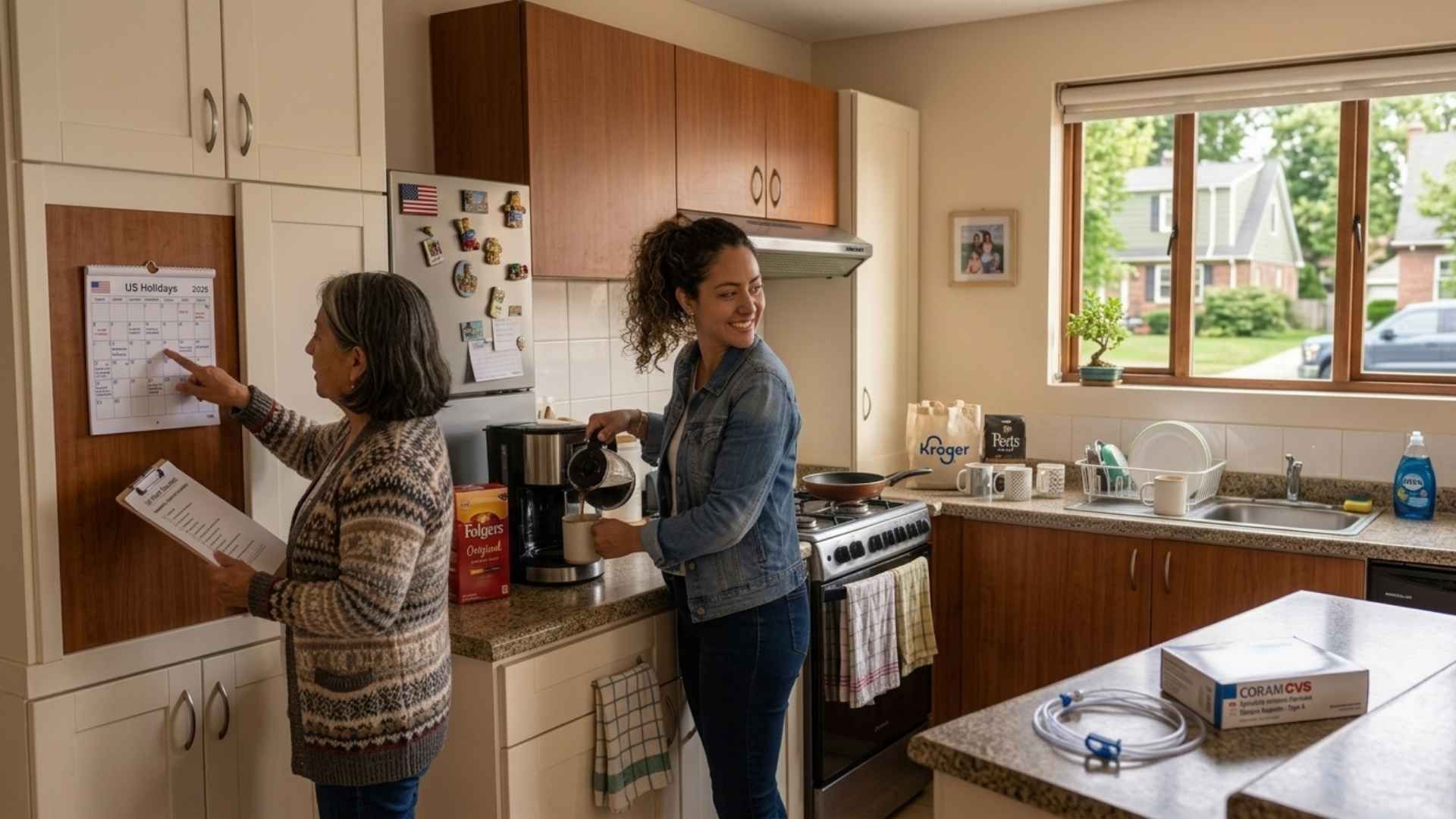
Your first delivery is bigger than you expect. Not heavier, just more of it: your nutrition formula, tubing, dressing supplies, the pump, and a stand. People are often surprised at how much space it takes, and this is the moment to decide where it lives. A closet shelf, a corner of the bedroom, a spot in the kitchen. Somewhere you can reach without moving furniture at night.

Your formula needs refrigeration. Clear a shelf before delivery day rather than after.


Your first infusion


A home health nurse comes to you and walks through it in person, start to finish. Not a video, not a pamphlet. You will do the steps together, and then you will do them yourself while they watch.

Expect this to feel clumsy. Nearly everyone fumbles the first connection, and nearly everyone stops thinking about it within two weeks. The sequence has a rhythm to it, and the rhythm arrives faster than the confidence does.


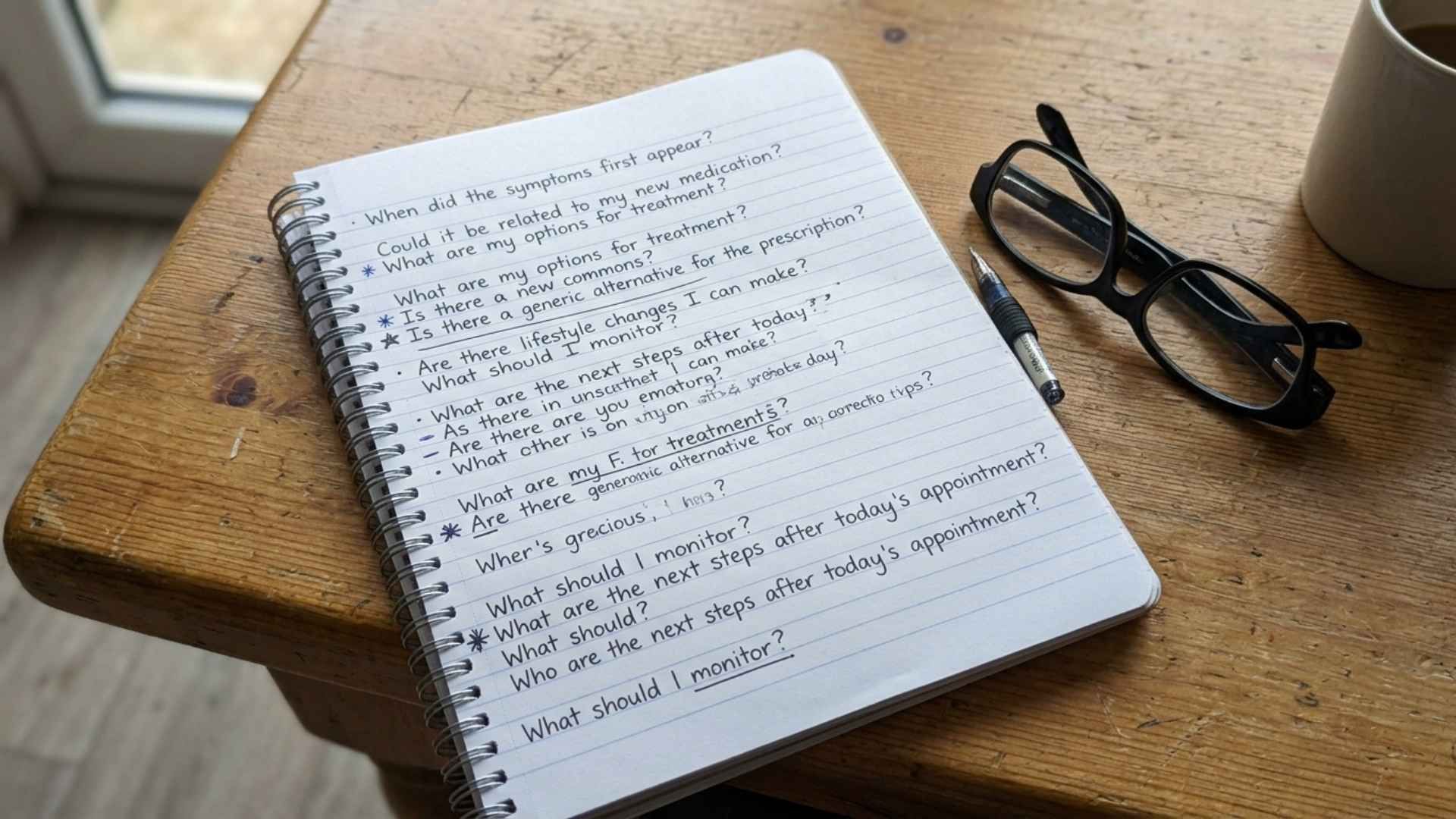
Ask your nurse to write down the steps in the order you will actually do them, in your own kitchen, with your own supplies. A generic checklist is less useful than one that matches your setup.


The first night


This is the part people worry about most, and the part that turns out to be the least dramatic.

Most patients infuse overnight, on a cycle that runs while they sleep. The pump is quiet. You will probably wake up once or twice the first night simply because you are aware of it, the same way you sleep badly in a hotel the first night and fine the second.


If the pump alarms, it is almost never an emergency. Alarms usually mean a kink in the line, a position change, or a completed infusion. Call your pharmacy and someone will walk you through it on the phone.


Days two through seven


By day three, most people have a routine: connect around the same time, disconnect around the same time, flush and dress the site the way you were shown. The rhythm is the thing that makes this manageable, and it forms quickly.


Things worth telling your care team during this week, without waiting for your next appointment:


  • Redness, swelling, warmth or drainage at your catheter site
  • Fever or chills
  • Feeling unusually thirsty, unusually tired, or lightheaded
  • Trouble with the pump that a phone call did not solve
  • Anything that simply feels wrong to you


That last one is not filler. Patients notice changes before labs do, more often than the clinical literature gets credit for.


What the second week feels like


Different. Not because anything changes clinically, but because the novelty burns off. The steps stop requiring your full attention. You stop counting the days. You start planning around the infusion instead of around the fear of it.


Your pharmacist will be reviewing your lab work with your physician during this period, and your formula may be adjusted once or twice as your numbers settle. That is expected, not a sign that something went wrong.


One thing worth saying out loud


The first week is the hardest week, and it is hard for reasons that have little to do with the therapy itself. It is hard because everything is unfamiliar at once.

If you have questions between now and your first delivery, ask them. Your pharmacy has heard every version of them, including the ones you think are too small to bother anyone with. We keep everything in one place for patients and families, and you can read more about how total parenteral nutrition works before your first delivery arrives.

Suitcase packed with a small cooler and paperwork for traveling while on parenteral nutrition
August 31, 2026
How to plan a trip on TPN or home parenteral nutrition: supplies, refrigeration, air travel documentation, and how far ahead to call your pharmacy.
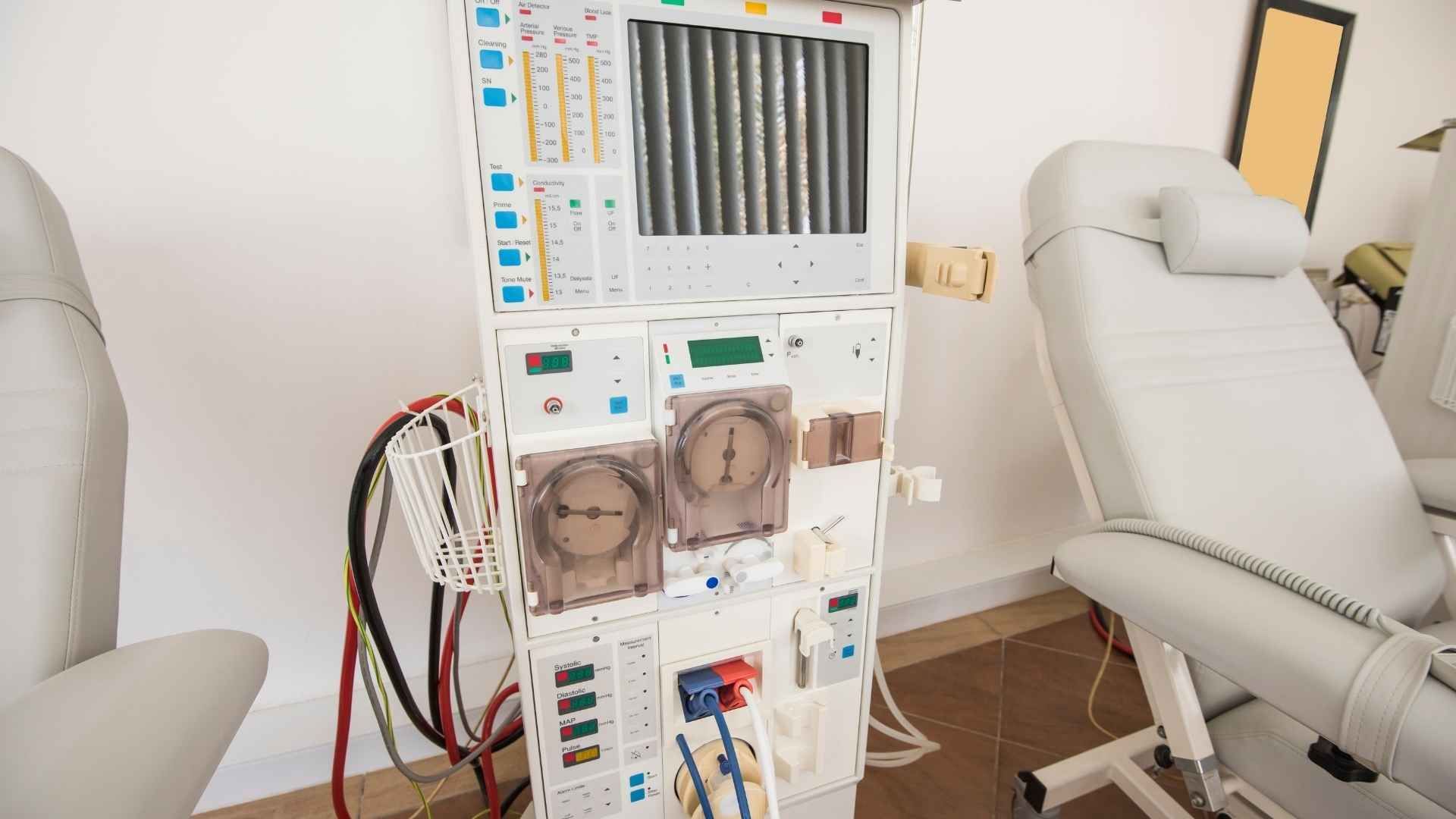
Dialysis center staff coordinating phosphate binder supply with a pharmacy partner
August 11, 2026
What dialysis centers should look for in a phosphate binder supply partner: reliable delivery, formulary breadth, insurance support, and coordination.
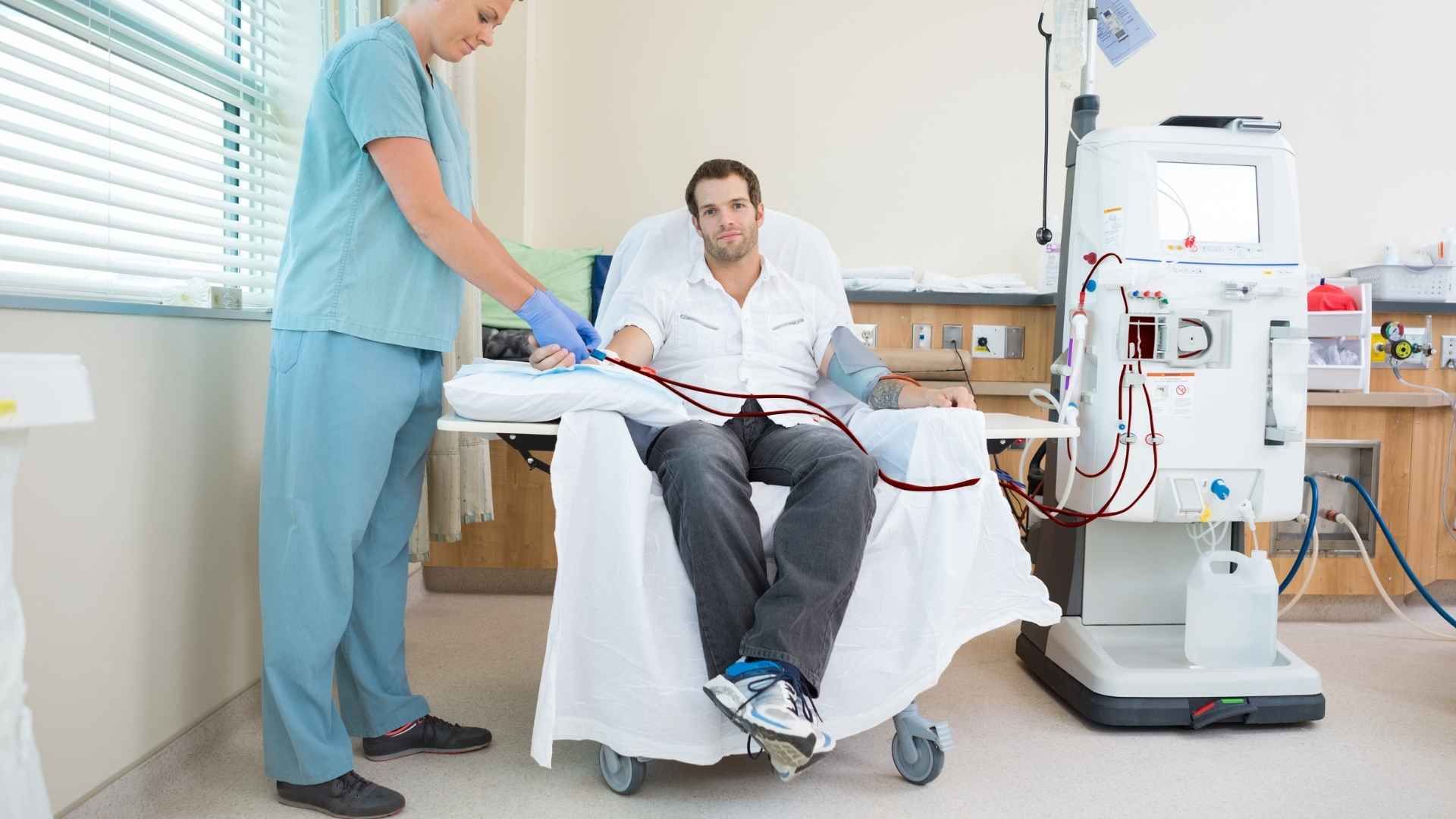
Renal dietitian reviewing phosphate levels with a dialysis patient
August 11, 2026
How hyperphosphatemia is managed in ESRD dialysis patients, diet, dialysis, and phosphate binders, and why reliable binder supply keeps therapy on track.
July 29, 2026
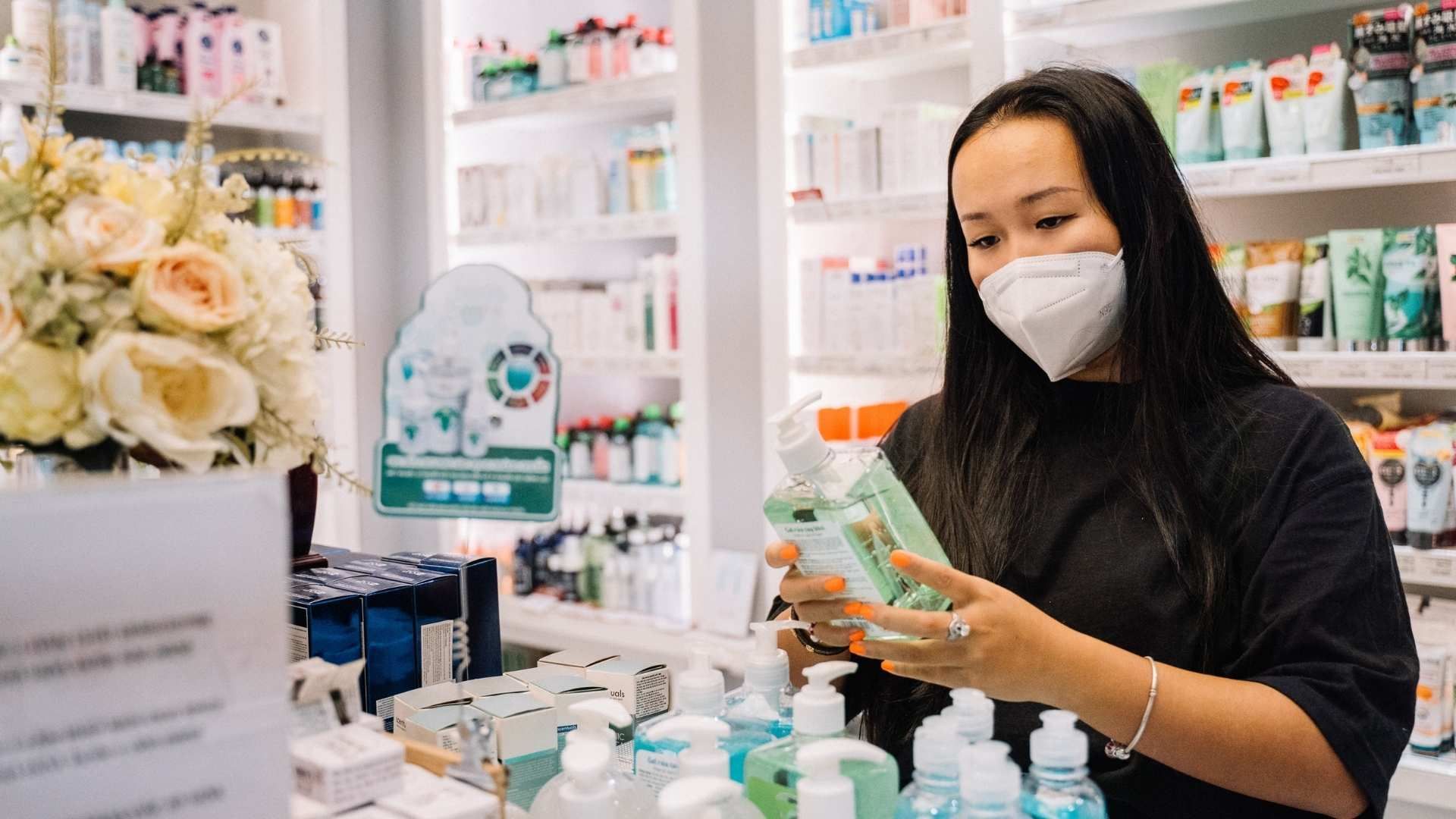
Compounded medications are a routine part of modern care, but unlike mass-manufactured drugs, each one is prepared individually, which means the standards behind its preparation carry real weight. For providers who order or refer for compounded therapies, a working understanding of those standards is the clearest way to judge whether a pharmacy is safe to trust. This overview covers the standards that govern sterile compounding and what they mean for the medications your patients receive. Why Standards Matter More in Compounding A commercially manufactured drug is produced under FDA oversight in large, validated batches. A compounded medication is prepared for an individual patient, often in small quantities, sometimes because no commercial equivalent exists. That flexibility is exactly why it's clinically valuable — and why the standards around preparation exist. Without rigorous controls, the same customization that helps patients could introduce contamination or error. Our guide to our sterile compounding pharmacy describes how those controls come together in practice. The Regulatory Landscape Sterile compounding sits within a layered framework: The United States Pharmacopeia (USP) publishes the general chapters, most importantly <797> and <800>, that define how compounded preparations should be made and handled. State boards of pharmacy license and inspect pharmacies, including where they're permitted to ship. Multi-state operations must maintain licensure in each state they serve. Accreditation bodies (ACHC, NABP, PCAB) provide independent verification that a pharmacy meets recognized standards. Together, these create the accountability structure behind every compounded dose. USP <797>: Sterile Preparations USP <797> is the cornerstone standard for compounded sterile preparations. It governs the conditions and practices required to keep a preparation free of contamination, including personnel training and garbing, ISO-classified air quality and engineering controls, environmental monitoring, and beyond-use dating. For any medication infused directly into the body, <797> compliance is the baseline expectation, not a premium feature. USP <800>: Hazardous Drugs USP <800> adds a containment layer for hazardous drugs, protecting personnel, patients, and the environment from unintended exposure. It specifies containment engineering controls, PPE, and validated handling procedures for drugs identified as hazardous. When a preparation is both sterile and hazardous, it must satisfy <797> and <800> together. For the details, see our breakdown of USP <800> requirements . Accreditation: Independent Verification Standards are only meaningful if someone checks that they're being met. Accreditation from ACHC, NABP, and PCAB means a pharmacy has been inspected against national benchmarks by an outside authority. For a provider, accreditation is a shortcut to confidence: it signals that the pharmacy's claims about its processes have been independently validated. The Quality-Control Process Behind the standards is a repeatable process that governs each preparation: Pharmacist review of the prescription for appropriateness, compatibility, and dosing Preparation by trained technicians under aseptic conditions In-process and final verification by a licensed pharmacist Sterility testing or filtration validation where required This chain is what turns a standard on paper into a safe medication in a patient's hands. What This Means When You Order When you refer a patient for a compounded therapy, you're effectively extending your own standard of care into another facility. Knowing that a pharmacy is USP-compliant, accredited, and pharmacist-led lets you refer with confidence that the medication will meet the same expectations you'd hold for anything you administer yourself. If you're weighing options, our guide on how to choose a compounding partner walks through the criteria. The Pharmko Standard Pharmko compounds every TPN, IDPN, and IPN preparation in a USP <797>-compliant, ISO Class 5 cleanroom, under ACHC, NABP, and PCAB accreditation, with a licensed pharmacist reviewing and releasing each formula. For the patients who receive our preparations, many of them managing End Stage Renal Disease (ESRD), that standard is the point. Refer a Patient → · [1 (877) 540-2003]
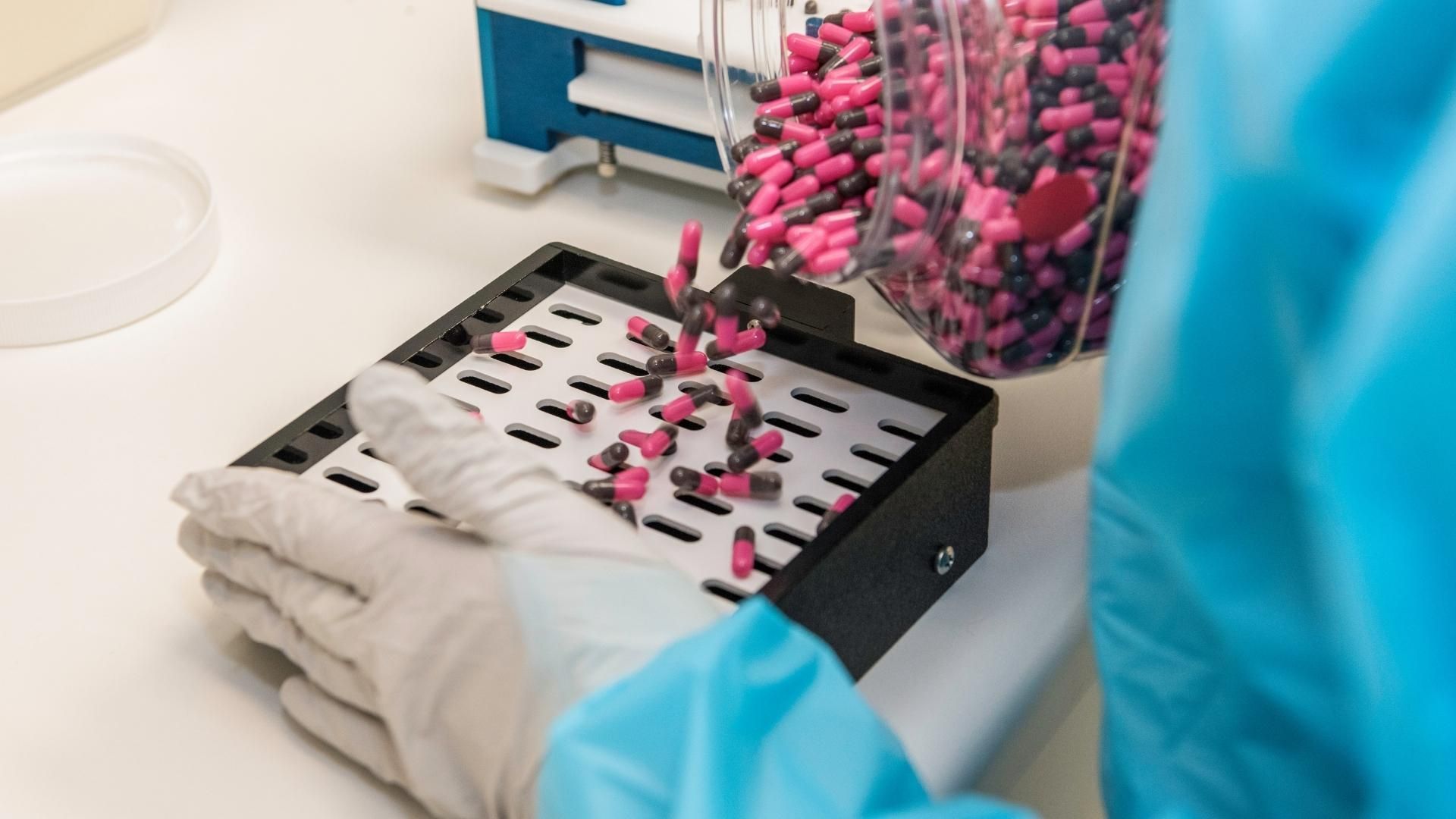
Physician evaluating a sterile compounding pharmacy partner
July 29, 2026
How to evaluate a sterile compounding pharmacy: accreditation, USP compliance, clinical support, turnaround, and the questions every practice should ask.
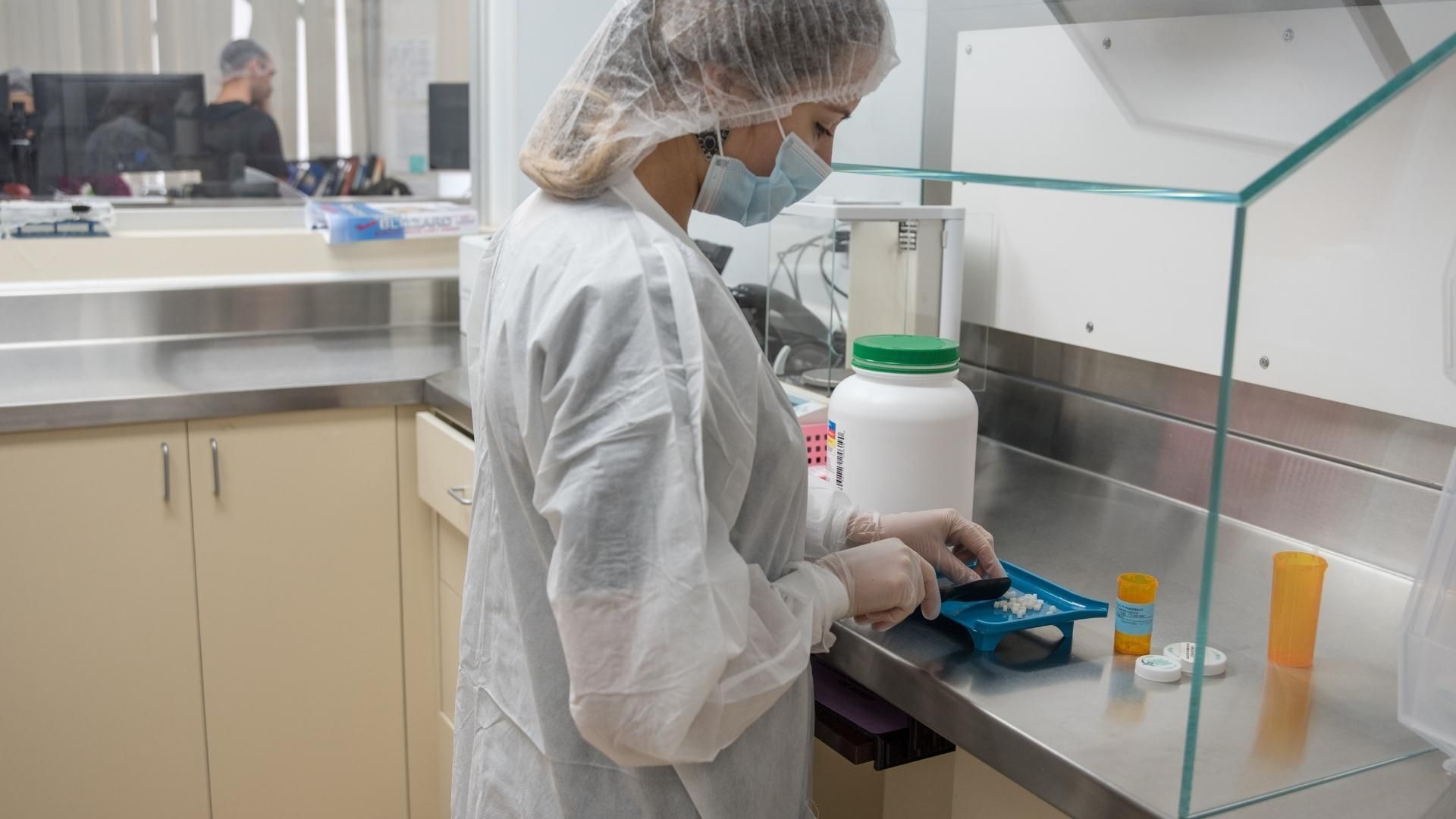
Sterile compounding pharmacy technician in PPE under a containment hood
July 29, 2026
A clear guide to USP 800 requirements: hazardous drug handling, containment, PPE, and the facility standards every sterile compounding pharmacy must meet.
Myasthenia Gravis and IVIG: What Patients Need to Know About IV Therapy
July 20, 2026
Learn how IVIG therapy works for myasthenia gravis, when it's used, what to expect during infusions, how home IVIG is coordinated, and how Pharmko supports MG patients and their neurologists.
Dobutamine and Inotrope Therapy at Home
July 17, 2026
Learn how home dobutamine infusion works for advanced heart failure, who qualifies, how continuous inotrope therapy is managed at home, and how Pharmko supports cardiac patients and heart failure teams.
CIDP and Home Infusion: IVIG Treatment, Dosing Schedule, and Long-Term Management
July 16, 2026
Learn how IVIG therapy works for CIDP, what the dosing schedule looks like, how to transition to home infusion, and how Pharmko supports long-term CIDP management across 22+ states.
Compounded IV Medications
July 15, 2026
Most medications that patients receive at a hospital or pharmacy come in standardized, commercially manufactured forms, a 500mg antibiotic vial, a pre-filled syringe, a fixed-concentration IV bag. These products work well for many patients. But a significant portion of patients receiving IV therapy have clinical needs that commercial products cannot meet: a dose the manufacturer doesn't make, a formulation incompatible with the patient's allergy profile, or a combination of nutrients that must be tailored to individual lab values. For these patients, compounded IV medications are not optional, they are clinically necessary. Pharmko's sterile compounding services prepare customized IV medications for patients across 22+ states, with every formulation reviewed by a licensed pharmacist and prepared in a USP <797> compliant cleanroom. What Makes an IV Medication 'Compounded'? A compounded medication is one that is prepared specifically for an individual patient by a licensed pharmacist, rather than manufactured in bulk by a pharmaceutical company. Compounding involves combining, mixing, or altering ingredients, active pharmaceutical ingredients, diluents, preservatives, to create a final preparation that meets the patient's unique prescription requirements. For IV therapy specifically, compounding means preparing a sterile preparation, one that is completely free of viable microorganisms and safe to inject or infuse directly into the bloodstream. This requires specialized facilities, equipment, training, and quality systems that go far beyond what a standard retail pharmacy can provide. Pharmko is exclusively a sterile compounding pharmacy. We do not compound oral medications, topical creams, or non-sterile preparations. Every product we make is intended for intravenous, intraperitoneal, or subcutaneous administration. When Are Compounded IV Medications Necessary? The required dose doesn't exist commercially Pharmaceutical manufacturers produce medications in standardized strengths and volumes based on average patient needs. Pediatric patients, patients with renal or hepatic impairment requiring dose adjustments, or patients whose weight or clinical status falls outside standard ranges may need concentrations or volumes that no commercial product provides. Compounding fills this gap precisely. The patient has an allergy to a commercial formulation's inactive ingredients Commercial IV products often contain preservatives, stabilizers, or diluents, sulfites, benzyl alcohol, certain dyes, that some patients cannot tolerate. A compounding pharmacy can prepare an equivalent formulation without the offending ingredient, allowing the patient to receive the therapy safely. The medication requires individualized nutrient formulation Total parenteral nutrition (TPN) is the clearest example: every TPN formula must be individually compounded because no commercial product can provide the precise combination of amino acids, dextrose, lipids, electrolytes, vitamins, and trace minerals a specific patient needs. The formula changes as the patient's labs, weight, and clinical status change, making standardization impossible. The commercial product is unavailable or in shortage Drug shortages are a persistent reality in the US pharmaceutical supply chain. When a commercially manufactured IV medication becomes unavailable, compounding pharmacies can often prepare an equivalent formulation from available active pharmaceutical ingredients, bridging the gap and maintaining continuity of therapy for patients who cannot wait. The therapy requires a custom delivery format Some IV medications require specific pH, osmolarity, or concentration adjustments for compatibility with a patient's IV access device or concurrent medications. A compounding pharmacist reviews compatibility and prepares formulations that are safe and stable for the specific administration route and equipment the patient is using. How Compounded IV Medications Are Made Step 1: Prescription review Every compounded IV medication begins with a valid prescription from a licensed prescriber. Pharmko's pharmacists review the prescription for clinical appropriateness, dosing accuracy, ingredient compatibility, and stability before compounding begins. Step 2: Ingredient sourcing and verification Active pharmaceutical ingredients for compounding must come from FDA-registered suppliers and meet USP monograph specifications. Each lot is verified for identity, potency, and purity before use. Step 3: Sterile preparation in a controlled environment Preparation occurs in an ISO Class 5 laminar airflow workbench or biological safety cabinet, located within a buffer room that meets ISO Class 7 air quality standards. Pharmacy technicians follow validated, written procedures for each preparation type, using aseptic technique to prevent contamination at every step. Step 4: Pharmacist verification and release A licensed pharmacist performs a final check of every preparation, verifying appearance, volume, labeling, and documentation, before the product is released. High-risk or complex preparations may undergo sterility testing with defined beyond-use dates based on test results. Step 5: Cold-chain delivery Most compounded IV medications require refrigeration. Pharmko uses validated cold-chain packaging and delivery logistics to ensure products arrive within their stability windows and remain temperature-controlled until the patient uses them. Quality Standards That Matter Not all compounding pharmacies operate at the same standard. The relevant quality benchmarks for sterile compounding are: USP <797> compliance, the national standard for sterile compounding environments, personnel, and processes. Our guide on USP <797> and USP <800> explains what compliance means in practice ACHC accreditation, independent third-party verification that Pharmko meets clinical quality standards for home infusion and sterile compounding State pharmacy board licensure, Pharmko is licensed in every state where we serve patients Environmental and personnel monitoring, documented air and surface sampling, personnel gowning competency assessments, and media fill testing at defined intervals For a foundational overview of what sterile compounding is and how it differs from retail pharmacy, see our guide on what is sterile compounding for IV therapy . → Contact Pharmko about compounded IV medications: 1-877-540-2003
Show More