
Benefits of home IVIG infusions

August 21, 2025

Intravenous immunoglobulin (IVIG) therapy is a critical treatment for individuals suffering from a variety of immune deficiencies and autoimmune disorders. Traditionally administered in clinical settings, home IVIG infusions have gained traction due to their numerous benefits. Recent changes in legislation allow more patients to access this convenient form of therapy, which ensures treatment compliance and supports better health outcomes. This article delves into the advantages of home IVIG infusions, exploring how they can enhance patients' quality of life, reduce health costs, and improve treatment experiences.

Legislative Changes and Coverage Benefits

Recent Legislation on Medicare Coverage

Home IVIG infusions are now a permanent benefit under Medicare, marking a significant change in healthcare policy. Before this legislation, Medicare only covered the cost of the IVIG product, leaving patients to bear the costs of necessary supplies and nursing services. This legislative update has effectively closed a long-standing gap in coverage, allowing patients to receive comprehensive support within their homes.

Cost Implications for Patients

The shift towards home IVIG infusions holds considerable financial benefits. Patients can expect to save between $18,876 and $26,136 annually when receiving therapy through home infusions compared to outpatient centers. Additionally, the overall medical costs decrease by about 30% due to reduced hospitalizations and emergency department visits. This translates to lower co-pays and a substantial reduction in out-of-pocket expenses.

Accessibility Improvements

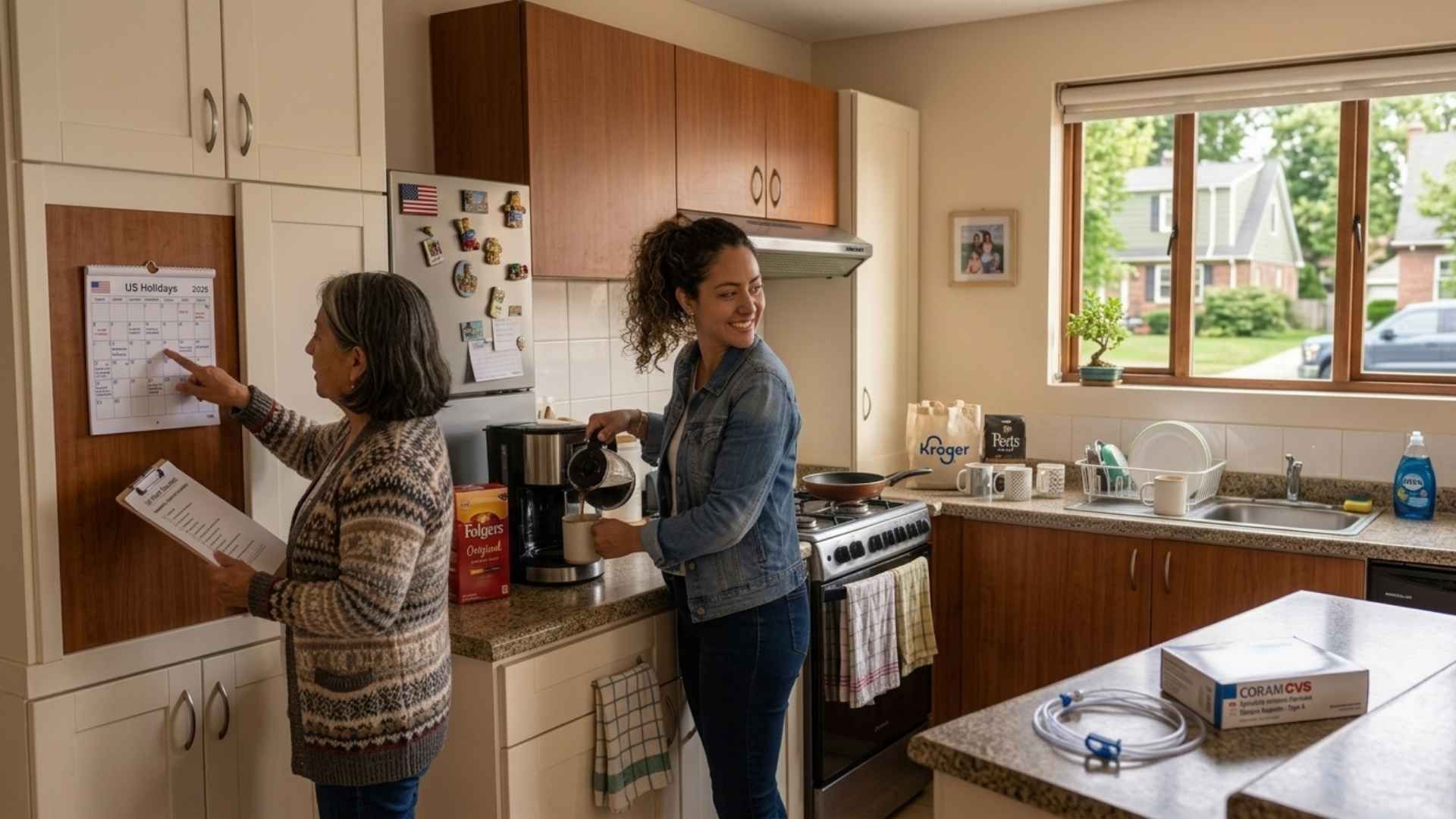
Accessibility to home IVIG therapy has vastly improved. The Medicare improvements allow patients to receive treatments in a comfortable, familiar environment, which not only enhances their emotional well-being but also minimizes risks associated with traveling to clinical settings. Nurses play a crucial role in this model by training patients on home administration techniques, ensuring safety, and providing ongoing support. As a result, patients can have their IVIG infusions scheduled conveniently, facilitating better adherence to treatment plans.

Can IVIG infusions be done at home?

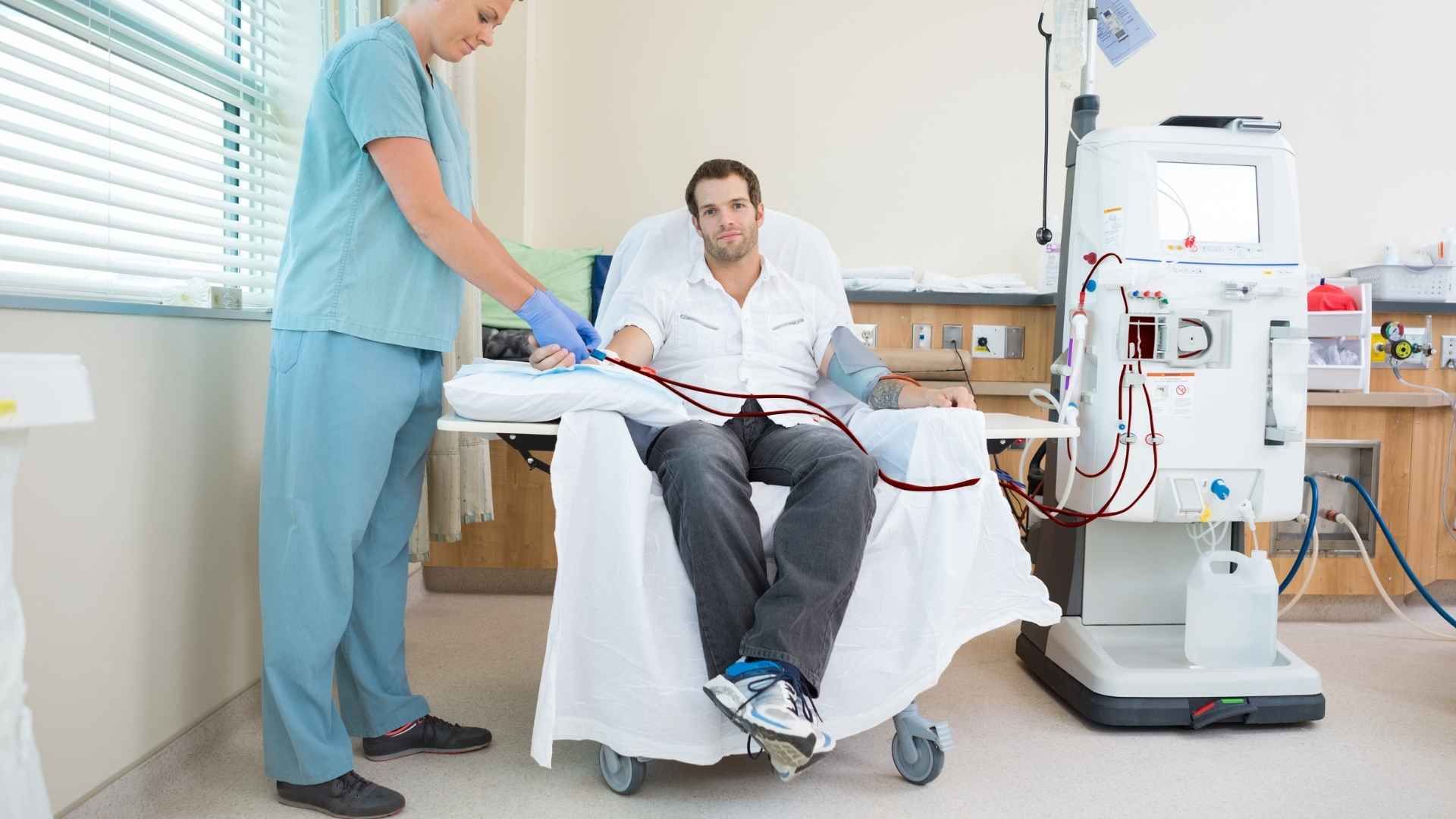
Yes, IVIG infusions can be done at home with the support of a nurse. Many patients are able to receive immunoglobulin (Ig) therapy at home, and the nurse will either administer the infusion or teach the patient how to do it safely. It's important for someone to stay with the patient during the infusion due to potential serious side effects, which can include headache and chills. IVIg is usually infused about once a month, and the nurse will manage any necessary preparations, such as starting a peripheral intravenous line if needed. Patients are also advised to hydrate and may take medications like acetaminophen beforehand to help manage any side effects.

Health Benefits and Patient Experience

Improved Health Outcomes

Home IVIG infusions deliver a multitude of health benefits for patients, particularly those with primary immunodeficiency diseases. IVIG (intravenous immunoglobulin) supplies a concentrated dose of antibodies from healthy donors, bolstering the body’s immune response. This treatment has been shown to significantly reduce the likelihood of hospitalizations, with a 44% lower odds of inpatient stays compared to outpatient infusions. This translates to not only improved overall health but also lowers healthcare costs, creating a win-win situation for both patients and the healthcare system.

Reduced Infection Risks

By receiving IVIG treatments at home, patients benefit from reduced exposure to infections commonly found in clinical settings. The comfort of a home environment minimizes the risk of healthcare-associated infections, crucial for individuals with already compromised immune systems. Studies indicate that patients receiving home IVIG have notably lower rates of conditions such as pneumonia and bronchitis, showcasing the effectiveness of this treatment approach in controlling infection rates.

Patient Satisfaction and Comfort

Patients report higher satisfaction levels with home IVIG infusions. The flexibility to schedule treatments according to personal convenience enhances patient adherence and reduces stress related to hospital visits. In addition, the involvement of family members in the treatment process fosters emotional support, which is essential for patient well-being. Overall, the home setting not only provides comfort but also enhances the treatment experience, resulting in better health outcomes and a higher quality of life for individuals undergoing this therapy.


What does IVIG do to your body?
IVIG (intravenous immunoglobulin) is a treatment that infuses antibodies from healthy donors into the body to help manage immunodeficiency disorders. It can strengthen the natural immune response in people with weakened immune systems who have conditions such as HIV, COVID-19, Kawasaki disease, lupus, and vasculitis. IVIG therapies are generally considered safe and effective, though some patients may experience mild side effects like headaches or nausea. It is also used for managing acute relapses in multiple sclerosis as a third-line therapy when other treatments are not effective or tolerated. Additionally, emerging research suggests that IVIG may help alleviate symptoms in conditions like autoimmune gastrointestinal dysmotility.

Economic Impact and Healthcare Utilization

What is the purpose of home infusion?

The purpose of home infusion is to provide patients with necessary medications through a needle or catheter in the comfort of their own homes. This approach allows individuals to maintain their daily routines while receiving crucial therapies. Commonly used for treating serious infections, chronic diseases, and managing pain, home infusion offers a supported environment facilitated by healthcare professionals, including pharmacists and nurses, who ensure safe administration and monitor patient care.

Cost savings from home infusions

Home IVIG (Intravenous Immunoglobulin) infusions represent a significant cost-saving opportunity for patients. Estimates suggest that patients receiving 13 to 18 home infusions annually can save between $18,876 and $26,136 . These savings stem from reduced hospital visits, lower co-pays, and diminished out-of-pocket costs.

Reduced hospitalization and healthcare resource utilization

Research shows a clear link between home IVIG therapy and reduced healthcare resource utilization. Specifically, patients receiving treatment at home have a 44% reduced likelihood of requiring inpatient stays, alongside a 38% decrease in emergency department visits. This substantial reduction results in overall healthcare costs being lowered by 30% for these patients compared to traditional outpatient settings.

Financial implications for patients

The financial implications are vital; with home IVIG therapy, patients no longer bear the costs tied to transportation or stay at facilities. They benefit from enhanced treatment adherence, ensuring they do not miss vital doses, further decreasing the potential for illness and associated healthcare costs. This not only supports better health outcomes but also relieves the financial burden often associated with chronic medical care.

Home IVIG Infusion Process and Services

How home infusions are conducted

Home IVIG infusions are designed to be as patient-friendly and efficient as possible. The treatment involves the administration of intravenous immunoglobulin in the comfort of a patient’s home, offering a flexible schedule that can fit into their daily routine. Infusions typically take 2 to 4 hours and are administered every 3 to 6 weeks, depending on individual needs.

This service eliminates the stress of traveling to a clinic and reduces the risk of exposure to infections commonly found in healthcare settings. Patients can receive infusions in a familiar environment, enhancing their comfort and overall experience.

Role of nursing and coordination

The role of nursing in home IVIG infusions is crucial. Nurses provide training to patients or their caregivers on safe administration techniques and educate them about potential side effects. They also monitor the infusion process to ensure safety and efficacy, tailoring support to the patient's specific health needs.

Effective coordination among patients, healthcare providers, and suppliers is essential for a successful infusion process. This collaboration ensures that patients receive comprehensive care, allowing for more personalized treatment plans that suit individual circumstances.

Patient education and safety measures

Patient education is a vital aspect of home IVIG infusion therapy. Understanding the treatment process promotes adherence and boosts confidence in administering infusions at home. Safety measures are implemented to monitor adverse effects, ensuring that patients feel secure throughout the treatment.

How can IVIG improve energy levels?

IVIG can enhance energy levels by reducing inflammation around nerves and bolstering the immune response in patients with autoimmune or immunodeficiency disorders. As symptoms like muscle weakness are alleviated, patients may experience increased strength and coordination, contributing to overall energy improvements. Furthermore, many report a better quality of life, including improved mood and reduced reliance on other medications.

Statistical Evidence and Long-term Outcomes

Research findings on home IVIG benefits

Numerous studies have highlighted the advantages of home IVIG (intravenous immunoglobulin) infusions over traditional outpatient settings. Data reveals that patients receiving IVIG at home reduce their odds of inpatient stays by 44% (OR 0.56) and emergency department visits by 38% (OR 0.62). This indicates significant health management improvements and cost savings, with overall medical expenses reducing by approximately 30% for patients opting for home administration.

Patient outcomes and healthcare statistics

A systematic review indicated that patients on home IVIG therapy report superior physical and mental well-being. They also experience less disruption in their personal lives compared to their counterparts treated in hospitals. Healthcare utilization metrics suggest that enrollees in home IVIG programs experience fewer serious health issues, including a noted 31% decrease in infections such as pneumonia and bronchitis.

Long-term benefits for immune systems

In the long run, ongoing home IVIG infusions can bolster immune system strength, providing consistent antibody support essential for individuals with primary immunodeficiency diseases. The therapy typically administered every three to four weeks can help maintain effective immune levels, ultimately enhancing resilience against infections and reducing healthcare costs for patients. This treatment model not only supports individual health needs but also exemplifies the potential for improved patient satisfaction and overall quality of life.

Conclusion: Embracing Home IVIG Infusions

The shift towards home IVIG infusions offers clear advantages in terms of convenience, lower costs, and improved patient health outcomes. With legislative backing and growing evidence supporting their efficacy and safety, home infusions are emerging as a pivotal solution for individuals managing chronic diseases. As the healthcare system continues to adapt to patient-centered care, home-based therapies like IVIG may become the norm for providing both efficient and personalized medical treatment. Embracing these innovations not only enhances patient experiences but also reshapes the landscape of healthcare delivery.

References

Home Infusion Therapy in New York
June 17, 2026
Pharmko is based in New York and provides home infusion therapy statewide — IV antibiotics, IVIG, TPN, IDPN, and specialty medications. Licensed, ACHC accredited, and available 24/7.
Home Infusion for Osteomyelitis
June 15, 2026
Osteomyelitis requires weeks of IV antibiotics that can often be completed at home. Learn who qualifies for OPAT, what the treatment timeline looks like, and how Pharmko supports bone infection recovery.
What Is a PICC Line
June 15, 2026
Learn what a PICC line is, how it's inserted, how to care for it at home, and why it's the most common IV access device for home infusion therapy. Pharmko nurses provide full PICC line training.
IV Iron Infusion at Home: Feraheme, Injectafer, and Iron Deficiency Anemia Treatment
June 12, 2026
Learn how IV iron infusion works at home — which products are used, who qualifies, what to expect during treatment, and how Pharmko delivers iron infusion therapy across 22+ states.
Home Infusion for Multiple Sclerosis
June 11, 2026
Learn how home infusion therapy works for multiple sclerosis, including Ocrevus and Tysabri, who qualifies for home-based MS infusions, what to expect, and how Pharmko coordinates care.
TPN at Home: Who Qualifies, How It Works, and What to Expect
June 11, 2026
Learn how total parenteral nutrition (TPN) at home works — who qualifies, how it's delivered, what daily life looks like, and how Pharmko supports patients from first dose through long-term therapy.
Low Albumin in Dialysis Patients
June 3, 2026
Low albumin is a key marker of malnutrition in dialysis patients. Learn what causes albumin decline, when IDPN is indicated, and how Pharmko supports renal nutrition across 22+ states.
Home Infusion Pump Types
June 2, 2026
Learn about the different types of infusion pumps used in home therapy, ambulatory, electronic, elastomeric, and CADD pumps, and how your pump is matched to your specific treatment.
Home Infusion for Rheumatoid Arthritis
May 30, 2026
Learn how home infusion therapy works for rheumatoid arthritis — including Remicade (infliximab) and other IV biologics, who qualifies for home treatment, and how Pharmko supports ongoing RA care.
Sterile Compounding Safety
May 26, 2026
When a patient or provider chooses a compounding pharmacy to prepare IV medications, they are trusting that the pharmacy operates under rigorous, independently enforced standards. In the United States, those standards are defined by two chapters of the United States Pharmacopeia: USP <797> for sterile compounding and USP <800> for hazardous drug handling. Pharmko operates in full compliance with both chapters. Understanding what these standards require, and what happens when they are not met, helps patients and providers make informed decisions about which pharmacy they trust with their care. What Is USP <797>? USP <797> (Pharmaceutical Compounding, Sterile Preparations) is the national standard that defines the minimum requirements for compounding sterile preparations safely. It covers: Cleanroom environment classification, ISO Class 5 at the point of compounding, ISO Class 7 for the surrounding buffer area, ISO Class 8 for the ante-room Personnel training, gowning, and aseptic technique requirements Sterilization and filtration methods by product type Beyond-use dating (BUD), how long a compounded sterile preparation remains safe to use Environmental and personnel monitoring schedules Quality assurance, documentation, and deviation management USP <797> applies to every pharmacy that prepares IV solutions, injections, eye drops, or other sterile preparations, whether they are a hospital pharmacy, ambulatory infusion center, or specialty pharmacy like Pharmko. The 2023 Revision: What Changed USP <797> was significantly revised in 2023 (effective November 2023). Key changes include: Stricter beyond-use date requirements, compounded sterile preparations must now meet more conservative dating limits unless sterility testing supports extended dating Enhanced environmental monitoring, more frequent air and surface sampling with defined action levels Clearer personnel qualification requirements, competency assessments are now required at defined intervals New category system, preparations are now categorized (Category 1 and Category 2) based on sterility assurance level and BUD Pharmacies that were compliant under the previous version of USP <797> must have updated their procedures and infrastructure to meet the 2023 revision. Pharmko updated our facilities, policies, and documentation systems in alignment with the revised chapter. What Is USP <800>? USP <800> (Pharmaceutical Compounding, Hazardous Drugs) establishes standards for the safe handling of hazardous drugs throughout the pharmacy, from receipt and storage to preparation, dispensing, and waste disposal. Hazardous drugs include certain chemotherapy agents, antiviral medications, hormones, and other drugs that pose risks of carcinogenicity, reproductive toxicity, or organ damage at low exposure levels. USP <800> requires: Negative-pressure ventilated containment primary engineering controls (C-PECs) for hazardous drug compounding Separate, dedicated hazardous drug storage areas Personal protective equipment (PPE) requirements for all staff handling hazardous drugs Closed-system drug transfer devices (CSTDs) for certain preparations Spill kits and exposure management protocols Why These Standards Matter for Patients The consequences of non-compliance are serious. High-profile compounding pharmacy failures, including a 2012 fungal meningitis outbreak linked to contaminated steroid injections that killed 64 patients and injured hundreds, demonstrated what happens when sterile compounding standards are not followed. For patients receiving home IV therapy, USP <797> compliance is not a credential to check once and forget, it reflects the ongoing daily practices of the pharmacy preparing their medications. Patients and providers should verify that any pharmacy preparing their IV solutions is accredited, state-licensed, and actively compliant with current USP standards. How Pharmko Meets These Standards Pharmko's sterile compounding facility is designed, staffed, and operated to meet USP <797> and USP <800> requirements. We are ACHC accredited, state-licensed in 22+ states, and subject to regulatory inspection. Every batch we compound is reviewed by a licensed pharmacist, and our environmental and personnel monitoring data is reviewed on a defined schedule. For a broader overview of what sterile compounding is and how it differs from retail pharmacy, see our guide on what is sterile compounding for IV therapy . For providers interested in our compounding capabilities, see our physician services page or contact our pharmacy team directly. → Contact Pharmko about sterile compounding: 1-877-540-2003
Show More