
Choosing FDA-approved TPN products

August 22, 2025

Introduction

Total Parenteral Nutrition (TPN) is an essential medical strategy for supporting patients who are unable to obtain nutrition through oral or enteral routes. This process involves delivering nutrients directly into the bloodstream, requiring careful consideration and regulation. The Food and Drug Administration (FDA) plays a significant role in ensuring TPN products meet stringent safety and efficacy standards. This article explores the intricacies of selecting FDA-approved TPN products, addressing regulatory measures, product comparisons, safety considerations, and management strategies.

Understanding FDA Regulatory Processes for TPN

FDA regulation of PN as drugs

Parenteral nutrition (PN) products are regulated by the Food and Drug Administration (FDA) as drugs. This classification necessitates that all new PN formulations must undergo rigorous evaluation for safety and efficacy. Regulatory standards mandate substantial evidence derived from well-controlled studies, ensuring that these products are safe for clinical use. This process demonstrates the FDA's commitment to safeguarding patient health in the therapeutic landscape of PN.

Approval processes for safety and efficacy

The approval process for PN products highlights the complexity involved in bringing new formulations to the market. It encompasses a series of stages focused on verifying that the benefits of a product outweigh the associated risks. Products under scrutiny include not only PN solutions but also multi-trace element supplements that meet FDA standards. The deliberate approach aims to protect patients, particularly vulnerable populations like neonates.

Which products need FDA approval?

FDA approval is essential for products categorized as drugs and biologics. Such products must demonstrate safety and efficacy to confirm their therapeutic benefits. This requirement extends to medical devices, human tissues, and cells, with specific emphasis on potential disease transmission risks. Furthermore, dietary supplements, food additives, and colorants must also undergo scrutiny to ensure consumer safety. This extensive regulatory framework underscores the importance of FDA oversight in the healthcare industry, enhancing the safety and effectiveness of nutritional therapies such as TPN.

Guidelines and Criteria for TPN

What are the guidelines for TPN?

Total parenteral nutrition (TPN) is a critical intervention providing complete nutritional support intravenously. It is particularly important for patients unable to ingest or digest food due to conditions such as chronic malnutrition or nonfunctional gastrointestinal tracts.

TPN must be initiated gradually, generally increasing over a span of four to seven days. This slow titration allows the body to adjust and minimizes the risk of complications. Key monitoring during this initial period includes daily checks on electrolyte levels, followed by three-times-a-week assessments thereafter.

The administration of TPN should be performed using specialized IV filter tubing separate from other IV medications or solutions to avoid any cross-contamination. This careful administration reduces the risk of complications such as catheter-related bloodstream infections, hyperglycemia, and refeeding syndrome. Adhering to strict aseptic techniques is essential during TPN administration.

Each TPN solution must be customized to fit the individual patient's metabolic requirements and specific health conditions, ensuring optimal nutrient delivery and patient safety.

What are the patient assessment criteria for TPN?

When assessing a patient for TPN, healthcare providers must consider several critical factors:

  • Anthropometric Data : Measurements like height, weight, and body mass index (BMI).
  • Laboratory Values : Check electrolyte and glucose levels, liver function, and nutritional markers.
  • Medical/Surgical History : Document significant health issues, past surgical interventions, and hospitalization history.
  • Diet and Medication History : Understand the patient’s dietary intake challenges and current medications.

These assessments help identify the need for TPN and determine its formulation, ensuring that patients receive tailored nutrition that meets their unique requirements.

Exploring FDA-approved TPN Products

Commercial TPN solutions

Total parenteral nutrition (TPN) is crucial for individuals unable to obtain necessary nutrients through oral or enteral routes due to severe malnutrition or gastrointestinal disorders. One notable commercial TPN solution is Clinimix , produced by Baxter Healthcare.

Clinimix is designed to provide essential macronutrients and micronutrients and contains up to 80 grams of amino acids per liter. It is specifically tailored for patients with moderate to high protein needs, making it particularly useful for those recovering from illnesses or surgeries, especially critically ill patients in the ICU during their first week. However, Clinimix comes in fixed formulations, meaning it cannot be customized to individual nutritional requirements, unlike typical TPN setups that can be mixed in compounding facilities.

Premixed solutions like Clinimix

Clinimix solutions are commercially available for room temperature storage, a significant advantage over traditional TPN, which must be refrigerated after preparation. While Clinimix may serve a wide range of patient needs, contraindications exist. It is not appropriate for patients with concerns regarding amino acid metabolism or hypersensitivity.

How do I find FDA-approved products?

To find FDA-approved products, consumers can utilize the Drugs@FDA website, which provides a comprehensive list of prescription and over-the-counter drugs approved since 1939. Regularly updated, it serves as a key resource for confirming the status of medications. Additionally, the FDA’s Orange Book details drugs approved via New Drug Applications (NDAs) and Abbreviated NDAs (ANDAs), supporting transparency in drug approval statuses. The FDA carries out an extensive evaluation of drug safety and effectiveness, ensuring that any listed products meet rigorous standards. This not only covers TPN formulations but also includes various over-the-counter products.

Accessing these resources allows healthcare professionals and patients alike to verify the FDA approval status of TPN solutions to ensure safe and effective treatment options.

Managing TPN Product Shortages

How do ongoing shortages affect TPN products, and what recommendations exist for managing their availability?

Ongoing shortages of Total Parenteral Nutrition (TPN) products are a serious concern, particularly impacting patients on home parenteral nutrition. Essential components, such as amino acids and multivitamins, are crucial for these patients to maintain health and nutritional status. When these products are not available, patient care can suffer, leading to complications and worsening health outcomes.

To address this challenge, the American Society for Parenteral and Enteral Nutrition (ASPEN) has joined forces with the FDA and various stakeholders to formulate recommendations for managing TPN product shortages. Key strategies include:

  • Optimizing Resource Usage : Efficiently deploy available TPN products while ensuring that patients receive necessary nutrients.
  • Prioritizing Patient Communication : Keep patients informed about product availability and potential alternatives to maintain trust and transparency.
  • Establishing Action Plans : Organizations should develop specific plans tailored to their needs, addressing potential shortages proactively.
  • Assessing Fluid Usage : Evaluate current fluid administration practices to identify areas for resource conservation.
  • Transitioning to Oral Hydration : In cases where it’s suitable, transitioning patients to oral hydration or feeding can alleviate strain on TPN supplies.

Implementing these strategies requires commitment from healthcare practitioners. Maintaining communication with all stakeholders and continuously reviewing individual patient needs are vital for adapting to the evolving landscape of TPN product availability.

Labeling Requirements and Safety Regulations

How do FDA guidelines affect the labeling requirements and safety regulations for TPN products?

FDA guidelines significantly impact the labeling requirements and safety regulations for total parenteral nutrition (TPN) products. For large volume parenterals (LVPs) used in TPN therapy, the aluminum content must not exceed 25 micrograms per liter (µg/L) . This requirement must be clearly stated in the packaging insert, enhancing transparency and safety for healthcare providers.

Moreover, small volume parenterals (SVPs) and pharmacy bulk packages (PBPs) also have specific labeling mandates. These products must indicate their aluminum levels on immediate container labels at expiration and include warnings about potential aluminum toxicity, particularly for vulnerable populations, such as premature neonates.

To maintain compliance, manufacturers are required to utilize validated methods to assess aluminum content, adhering to stringent Good Manufacturing Practices (GMP) . This ensures that patients receiving TPN can trust the quality and safety of the products being administered.

These comprehensive guidelines are crucial. They minimize risks associated with aluminum toxicity and enable informed decisions for healthcare providers and patients, emphasizing the commitment to patient safety in parenteral nutrition.

Selection and Management of FDA-approved TPN Products

What are the selection criteria for FDA-approved TPN products and how are they managed?

The selection of FDA-approved total parenteral nutrition (TPN) products is underpinned by rigorous safety and efficacy standards. New products must provide substantial evidence from well-controlled studies to receive approval from the FDA. TPN is especially indicated when patients cannot absorb adequate nutrients through the gastrointestinal tract, often due to severe conditions such as massive small bowel resection or significant catabolism.

Management of TPN necessitates a multi-faceted approach. Healthcare providers must assess patients' fluid requirements, caloric and protein needs, and monitor for complications that may arise, such as refeeding syndrome or glucose intolerance. Additionally, the FDA has instituted guidelines for the composition of parenteral multivitamin and trace element preparations to ensure they satisfy the nutritional requirements of patients on TPN.

Prior to starting TPN therapy, a thorough patient assessment is crucial. This evaluation should encompass:

  • Anthropometric Data : Measurement of body composition metrics.
  • Laboratory Values : Relevant blood tests to monitor nutritional status.
  • Medical/Surgical History : Understanding past health issues and surgical interventions.
  • Diet/Medication History : Any dietary restrictions or medications that could affect metabolism.

This comprehensive analysis aids in selecting the most appropriate TPN formulation tailored to each patient's specific needs.

Comparing TPN Products for Specific Patient Populations

Tailored formulations for patient needs

Total parenteral nutrition (TPN) offers substantial flexibility to cater to the unique nutritional requirements of patients with various medical conditions. For instance, critically ill patients often have notably increased protein needs due to the stress of their illness or recovery from surgery. In such cases, products like Clinimix , which contains up to 80 grams of amino acids per liter , can be an appropriate choice. It provides essential macronutrients to patients who cannot obtain adequate nutrition orally.

On the other hand, traditional TPN can be individually compounded to meet specific patient needs, particularly for those with unique electrolyte or substrate requirements. This customization allows healthcare providers to fine-tune nutrient delivery for patients with complex medical histories or conditions that affect metabolism.

Product comparisons like Clinimix vs. TPN

When comparing Clinimix with compounded TPN solutions, key differences emerge:

Feature Clinimix TPN
Customization Fixed formulations Tailored to individual needs
Availability Ready-to-use, room temp Compounded, requires refrigeration
Use Cases Moderate to high protein needs Severe malnutrition or GI disorders
Patient Group Critically ill patients Varied, includes pediatric and adult
Contraindications Amino acid metabolism issues Cardiac or metabolic instability

What are the maximum osmolarity guidelines for central line TPN?

The maximum osmolarity guidelines for central line TPN typically range between 1500 to 2800 mOsm/L , which is crucial for delivering adequate nutrition over prolonged periods. ASPEN advises that peripheral parenteral nutrition (PPN) in children should not exceed 900 mOsm/L . This differs from the higher tolerances established for central line applications, which mitigate risks associated with higher osmolarity through appropriate vascular access. Solutions intended for delivery above these recommended levels must always be administered via a central line to minimize complications.

Overall, recognizing the specific needs of patient populations when selecting parenteral nutrition products ensures proper and safe nutrition delivery.

The Role of Multivitamins and Trace Elements in TPN

Importance of trace elements

Trace elements (TE) play a critical role in the overall health of patients receiving total parenteral nutrition (TPN). These micronutrients, which include zinc, selenium, copper, and manganese, support various biological functions, such as enzyme activity and immune response. The careful monitoring and supplementation of these trace elements are crucial, given that deficiencies can lead to significant health issues, particularly in patients with limited nutrient absorption. ASPEN has emphasized the importance of FDA regulation of TE products to ensure proper dosing, preventing toxicities that may arise from unapproved medications.

Multivitamin formulations meeting FDA standards

When considering multivitamins for TPN, it's essential that formulations comply with FDA safety and efficacy standards. Vitamin K, for instance, is often included in parenteral multivitamins and is essential for patients on long-term PN, especially regarding anticoagulant therapy. Products like TRALEMENT® have been developed to meet both ASPEN recommendations and FDA regulations, incorporating necessary trace elements for both adult and pediatric patients.

Formulation Key Components FDA Approval Status
TRALEMENT® Copper, Manganese, Selenium, Zinc Approved for use in PN
Multivitamin Products Includes Vitamin K among others Meets FDA safety standards

Access and Coverage Requirements under Medicare

What are the medical necessity and coverage requirements for TPN under Medicare?

To qualify for total parenteral nutrition (TPN) coverage under Medicare, specific medical necessity and coverage criteria must be met. First, TPN must fall under a defined Medicare benefit category, specifically the Prosthetic Device benefit as outlined in the Social Security Act. This ensures that patients receive therapies deemed medically appropriate based on their conditions.

Second, patients must have severe gastrointestinal conditions that prevent adequate nutrient absorption, necessitating documentation to confirm that this impairment is long and indefinite. Claims for TPN must be submitted with a physician's written order and sufficient medical documentation, which is essential for justifying the coverage.

Moreover, healthcare providers must employ the KX modifier to indicate compliance with Medicare's coverage requirements, emphasizing the need for TPN. Importantly, the provision of TPN therapy must be justified by ruling out enteral nutrition as a viable option. This documentation must demonstrate the permanence of the need for TPN therapy, confirming that the patient's condition renders them unable to meet their nutritional needs through oral or enteral feeding methods.

Safety Standards in Trace Element Products Like TRALEMENT®

Trace elements formulations

Trace element (TE) supplementation is crucial in parenteral nutrition (PN) formulations to meet the nutritional needs of patients, especially those requiring long-term support. TE products such as TRALEMENT®, which contains copper, manganese, selenium, and zinc, have been specifically designed for both adult and pediatric patients weighing 10 kg or more.

Manufacturers of TE products must demonstrate substantial evidence of safety and efficacy before receiving FDA approval, reflecting the importance of rigorous testing in optimizing patient outcomes.

Safety and efficacy standards

Adherence to strict FDA regulations ensures that TE formulations meet safety guidelines, reducing the risk of toxicity. The American Society for Parenteral and Enteral Nutrition (ASPEN) recommends procedures for monitoring TE dosages to prevent adverse effects. This collaboration among ASPEN, regulatory bodies, and pharmaceutical manufacturers has led to enhanced safety measures in the formulation and administration of TE products like TRALEMENT®.

Moreover, FDA guidelines stipulate that all TE products must reflect adequate scientific backing, ensuring that they meet the nutritional needs for patients on parenteral nutrition while minimizing potential risks. This underscores the commitment to patient safety and effective nutritional therapy.

Safety and Efficacy of Innovative TPN Products: Smoflipid Case Study

Clinical Studies Supporting TPN Innovations

Smoflipid 20% is a parenteral nutrition product that received FDA approval following a rigorous clinical study process. Initially approved in 2016 for adult use, its efficacy in pediatric populations was explored with the clinical study report SMOF-018-CP3. This study involved hospitalized neonates and infants, assessing the safety and effectiveness of Smoflipid compared to traditional soybean oil-based lipid emulsions.

The results were promising, showing favorable changes in plasma levels of essential fatty acids. Specifically, after 28 days of treatment, concentrations of eicosapentaenoic acid (EPA) and docosahexaenoic acid (DHA) increased significantly— by 205% and 83%, respectively. Meanwhile, levels of other fatty acids decreased, indicating Smoflipid's ability to impact fatty acid metabolism positively.

Comparative Studies with Standard Products

The SMOF-018-CP3 study employed a randomized, controlled, double-blind design, which is critical for reliability and validity in clinical research. It compared Smoflipid’s effects with those of Intralipid (the standard soybean oil-based lipid emulsion). This comparative analysis highlighted Smoflipid's advantages, particularly in its optimized fatty acid profile, which supports improved nutritional outcomes for vulnerable pediatric patients.

Overall, findings from clinical studies reinforce the safety and efficacy of Smoflipid as a premier choice within TPN products, reflecting advancements in nutritional support tailored for both adults and children.

Conclusion

Navigating the complex landscape of FDA-approved Total Parenteral Nutrition products requires knowledge of regulatory standards, product specifications, and patient-specific needs. By prioritizing FDA guidelines and quality standards, healthcare providers can ensure safe and effective nutrition support for patients requiring intravenous feeding. With detailed understanding and management strategies, we can optimize outcomes for patients dependent on TPN, addressing both current challenges and future advancements.

References

Dialysis center staff coordinating phosphate binder supply with a pharmacy partner
August 11, 2026
What dialysis centers should look for in a phosphate binder supply partner: reliable delivery, formulary breadth, insurance support, and coordination.
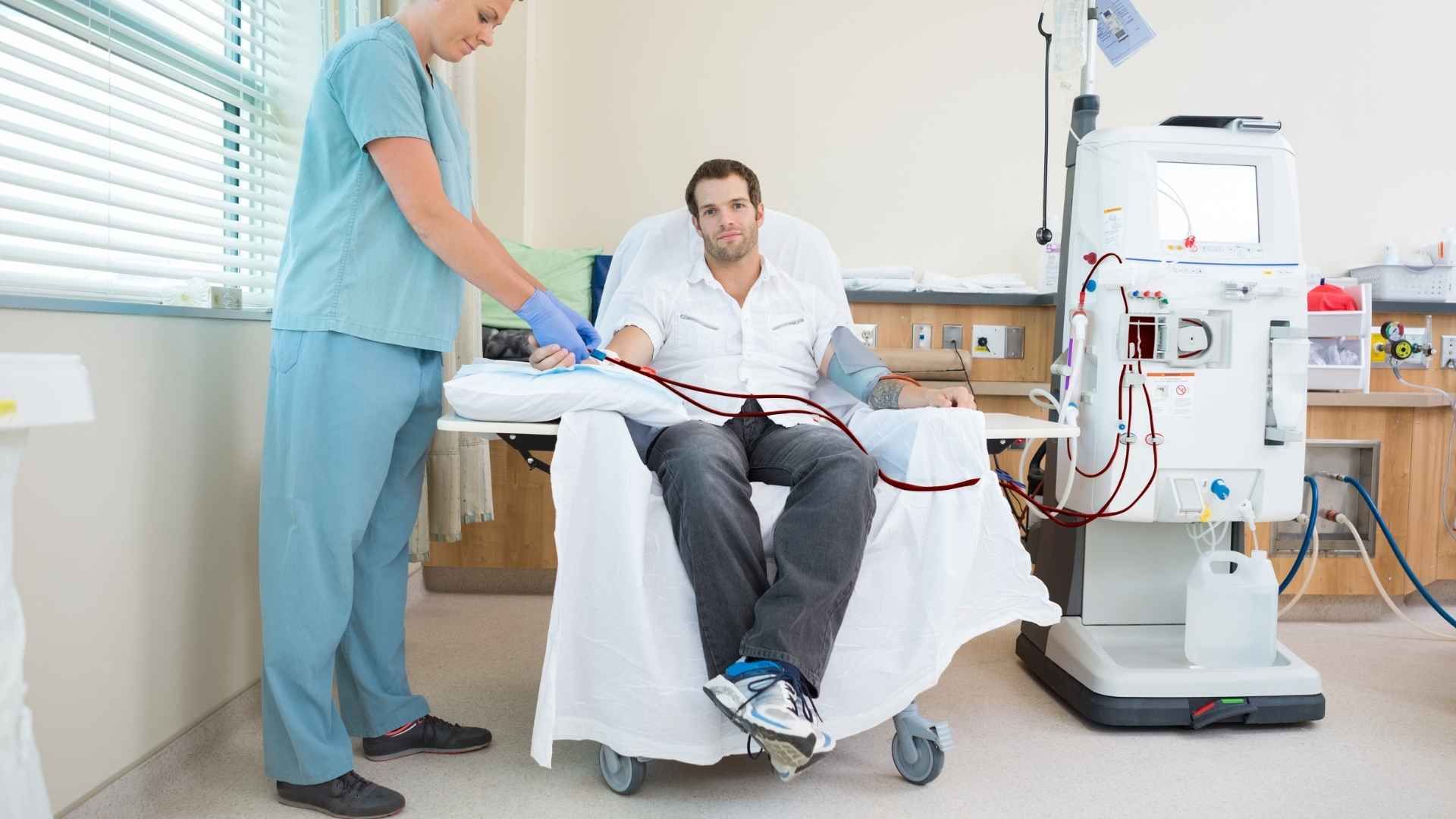
Renal dietitian reviewing phosphate levels with a dialysis patient
August 11, 2026
How hyperphosphatemia is managed in ESRD dialysis patients, diet, dialysis, and phosphate binders, and why reliable binder supply keeps therapy on track.

July 29, 2026
Compounded medications are a routine part of modern care, but unlike mass-manufactured drugs, each one is prepared individually, which means the standards behind its preparation carry real weight. For providers who order or refer for compounded therapies, a working understanding of those standards is the clearest way to judge whether a pharmacy is safe to trust. This overview covers the standards that govern sterile compounding and what they mean for the medications your patients receive. Why Standards Matter More in Compounding A commercially manufactured drug is produced under FDA oversight in large, validated batches. A compounded medication is prepared for an individual patient, often in small quantities, sometimes because no commercial equivalent exists. That flexibility is exactly why it's clinically valuable — and why the standards around preparation exist. Without rigorous controls, the same customization that helps patients could introduce contamination or error. Our guide to our sterile compounding pharmacy describes how those controls come together in practice. The Regulatory Landscape Sterile compounding sits within a layered framework: The United States Pharmacopeia (USP) publishes the general chapters, most importantly <797> and <800>, that define how compounded preparations should be made and handled. State boards of pharmacy license and inspect pharmacies, including where they're permitted to ship. Multi-state operations must maintain licensure in each state they serve. Accreditation bodies (ACHC, NABP, PCAB) provide independent verification that a pharmacy meets recognized standards. Together, these create the accountability structure behind every compounded dose. USP <797>: Sterile Preparations USP <797> is the cornerstone standard for compounded sterile preparations. It governs the conditions and practices required to keep a preparation free of contamination, including personnel training and garbing, ISO-classified air quality and engineering controls, environmental monitoring, and beyond-use dating. For any medication infused directly into the body, <797> compliance is the baseline expectation, not a premium feature. USP <800>: Hazardous Drugs USP <800> adds a containment layer for hazardous drugs, protecting personnel, patients, and the environment from unintended exposure. It specifies containment engineering controls, PPE, and validated handling procedures for drugs identified as hazardous. When a preparation is both sterile and hazardous, it must satisfy <797> and <800> together. For the details, see our breakdown of USP <800> requirements . Accreditation: Independent Verification Standards are only meaningful if someone checks that they're being met. Accreditation from ACHC, NABP, and PCAB means a pharmacy has been inspected against national benchmarks by an outside authority. For a provider, accreditation is a shortcut to confidence: it signals that the pharmacy's claims about its processes have been independently validated. The Quality-Control Process Behind the standards is a repeatable process that governs each preparation: Pharmacist review of the prescription for appropriateness, compatibility, and dosing Preparation by trained technicians under aseptic conditions In-process and final verification by a licensed pharmacist Sterility testing or filtration validation where required This chain is what turns a standard on paper into a safe medication in a patient's hands. What This Means When You Order When you refer a patient for a compounded therapy, you're effectively extending your own standard of care into another facility. Knowing that a pharmacy is USP-compliant, accredited, and pharmacist-led lets you refer with confidence that the medication will meet the same expectations you'd hold for anything you administer yourself. If you're weighing options, our guide on how to choose a compounding partner walks through the criteria. The Pharmko Standard Pharmko compounds every TPN, IDPN, and IPN preparation in a USP <797>-compliant, ISO Class 5 cleanroom, under ACHC, NABP, and PCAB accreditation, with a licensed pharmacist reviewing and releasing each formula. For the patients who receive our preparations, many of them managing End Stage Renal Disease (ESRD), that standard is the point. Refer a Patient → · [1 (877) 540-2003]
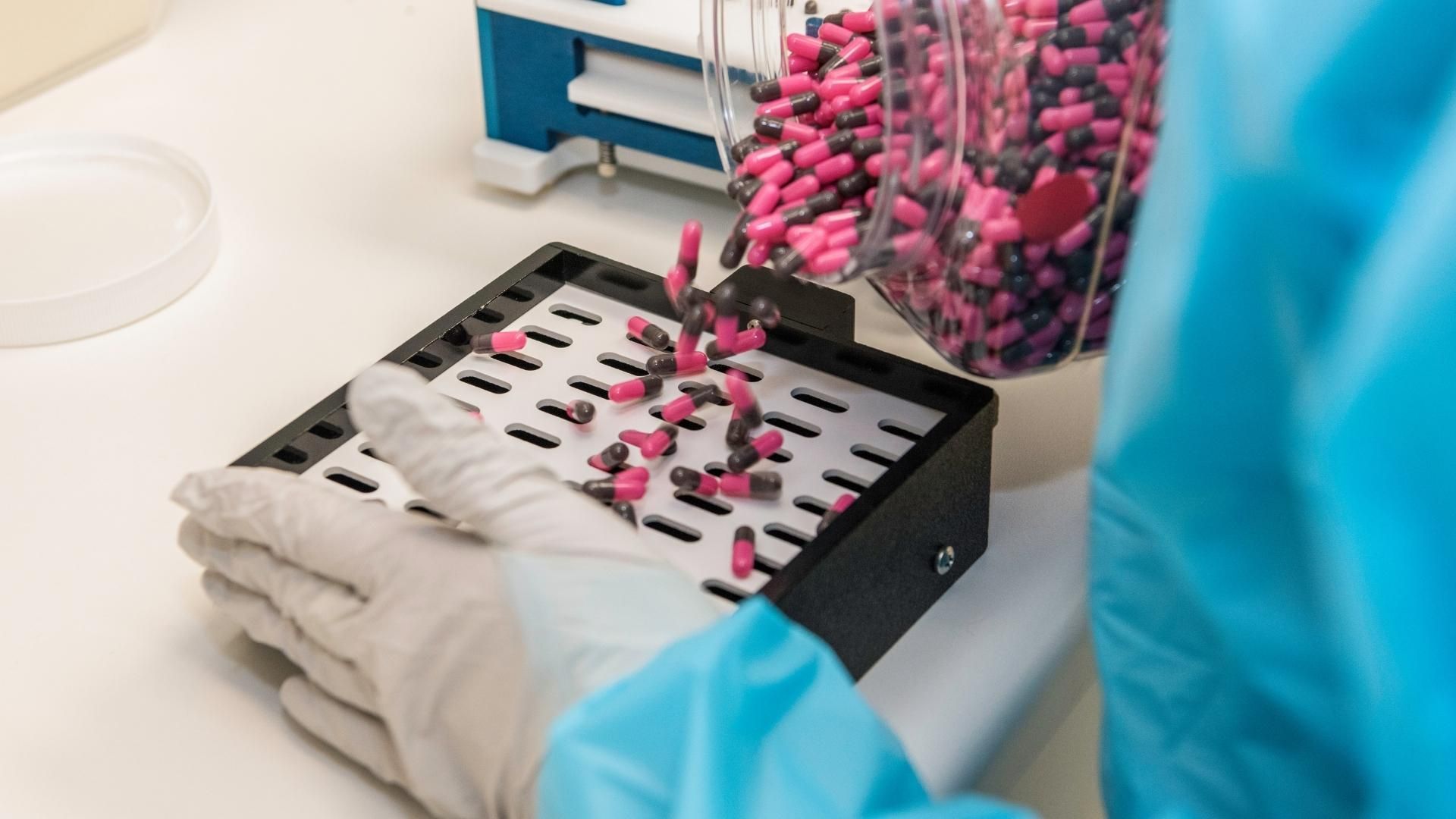
Physician evaluating a sterile compounding pharmacy partner
July 29, 2026
How to evaluate a sterile compounding pharmacy: accreditation, USP compliance, clinical support, turnaround, and the questions every practice should ask.

Sterile compounding pharmacy technician in PPE under a containment hood
July 29, 2026
A clear guide to USP 800 requirements: hazardous drug handling, containment, PPE, and the facility standards every sterile compounding pharmacy must meet.
Myasthenia Gravis and IVIG: What Patients Need to Know About IV Therapy
July 20, 2026
Learn how IVIG therapy works for myasthenia gravis, when it's used, what to expect during infusions, how home IVIG is coordinated, and how Pharmko supports MG patients and their neurologists.
Dobutamine and Inotrope Therapy at Home
July 17, 2026
Learn how home dobutamine infusion works for advanced heart failure, who qualifies, how continuous inotrope therapy is managed at home, and how Pharmko supports cardiac patients and heart failure teams.
CIDP and Home Infusion: IVIG Treatment, Dosing Schedule, and Long-Term Management
July 16, 2026
Learn how IVIG therapy works for CIDP, what the dosing schedule looks like, how to transition to home infusion, and how Pharmko supports long-term CIDP management across 22+ states.
Compounded IV Medications
July 15, 2026
Most medications that patients receive at a hospital or pharmacy come in standardized, commercially manufactured forms, a 500mg antibiotic vial, a pre-filled syringe, a fixed-concentration IV bag. These products work well for many patients. But a significant portion of patients receiving IV therapy have clinical needs that commercial products cannot meet: a dose the manufacturer doesn't make, a formulation incompatible with the patient's allergy profile, or a combination of nutrients that must be tailored to individual lab values. For these patients, compounded IV medications are not optional, they are clinically necessary. Pharmko's sterile compounding services prepare customized IV medications for patients across 22+ states, with every formulation reviewed by a licensed pharmacist and prepared in a USP <797> compliant cleanroom. What Makes an IV Medication 'Compounded'? A compounded medication is one that is prepared specifically for an individual patient by a licensed pharmacist, rather than manufactured in bulk by a pharmaceutical company. Compounding involves combining, mixing, or altering ingredients, active pharmaceutical ingredients, diluents, preservatives, to create a final preparation that meets the patient's unique prescription requirements. For IV therapy specifically, compounding means preparing a sterile preparation, one that is completely free of viable microorganisms and safe to inject or infuse directly into the bloodstream. This requires specialized facilities, equipment, training, and quality systems that go far beyond what a standard retail pharmacy can provide. Pharmko is exclusively a sterile compounding pharmacy. We do not compound oral medications, topical creams, or non-sterile preparations. Every product we make is intended for intravenous, intraperitoneal, or subcutaneous administration. When Are Compounded IV Medications Necessary? The required dose doesn't exist commercially Pharmaceutical manufacturers produce medications in standardized strengths and volumes based on average patient needs. Pediatric patients, patients with renal or hepatic impairment requiring dose adjustments, or patients whose weight or clinical status falls outside standard ranges may need concentrations or volumes that no commercial product provides. Compounding fills this gap precisely. The patient has an allergy to a commercial formulation's inactive ingredients Commercial IV products often contain preservatives, stabilizers, or diluents, sulfites, benzyl alcohol, certain dyes, that some patients cannot tolerate. A compounding pharmacy can prepare an equivalent formulation without the offending ingredient, allowing the patient to receive the therapy safely. The medication requires individualized nutrient formulation Total parenteral nutrition (TPN) is the clearest example: every TPN formula must be individually compounded because no commercial product can provide the precise combination of amino acids, dextrose, lipids, electrolytes, vitamins, and trace minerals a specific patient needs. The formula changes as the patient's labs, weight, and clinical status change, making standardization impossible. The commercial product is unavailable or in shortage Drug shortages are a persistent reality in the US pharmaceutical supply chain. When a commercially manufactured IV medication becomes unavailable, compounding pharmacies can often prepare an equivalent formulation from available active pharmaceutical ingredients, bridging the gap and maintaining continuity of therapy for patients who cannot wait. The therapy requires a custom delivery format Some IV medications require specific pH, osmolarity, or concentration adjustments for compatibility with a patient's IV access device or concurrent medications. A compounding pharmacist reviews compatibility and prepares formulations that are safe and stable for the specific administration route and equipment the patient is using. How Compounded IV Medications Are Made Step 1: Prescription review Every compounded IV medication begins with a valid prescription from a licensed prescriber. Pharmko's pharmacists review the prescription for clinical appropriateness, dosing accuracy, ingredient compatibility, and stability before compounding begins. Step 2: Ingredient sourcing and verification Active pharmaceutical ingredients for compounding must come from FDA-registered suppliers and meet USP monograph specifications. Each lot is verified for identity, potency, and purity before use. Step 3: Sterile preparation in a controlled environment Preparation occurs in an ISO Class 5 laminar airflow workbench or biological safety cabinet, located within a buffer room that meets ISO Class 7 air quality standards. Pharmacy technicians follow validated, written procedures for each preparation type, using aseptic technique to prevent contamination at every step. Step 4: Pharmacist verification and release A licensed pharmacist performs a final check of every preparation, verifying appearance, volume, labeling, and documentation, before the product is released. High-risk or complex preparations may undergo sterility testing with defined beyond-use dates based on test results. Step 5: Cold-chain delivery Most compounded IV medications require refrigeration. Pharmko uses validated cold-chain packaging and delivery logistics to ensure products arrive within their stability windows and remain temperature-controlled until the patient uses them. Quality Standards That Matter Not all compounding pharmacies operate at the same standard. The relevant quality benchmarks for sterile compounding are: USP <797> compliance, the national standard for sterile compounding environments, personnel, and processes. Our guide on USP <797> and USP <800> explains what compliance means in practice ACHC accreditation, independent third-party verification that Pharmko meets clinical quality standards for home infusion and sterile compounding State pharmacy board licensure, Pharmko is licensed in every state where we serve patients Environmental and personnel monitoring, documented air and surface sampling, personnel gowning competency assessments, and media fill testing at defined intervals For a foundational overview of what sterile compounding is and how it differs from retail pharmacy, see our guide on what is sterile compounding for IV therapy . → Contact Pharmko about compounded IV medications: 1-877-540-2003
home infusion therapy Pennsylvania
July 14, 2026
Pharmko provides home infusion therapy across Pennsylvania, IV antibiotics, IVIG, TPN, biologics, and specialty medications. Licensed, ACHC accredited, and available 24/7 statewide.
Show More