

Custom infusion solutions for dialysis

August 22, 2025

Introduction to Dialysis and Infusion System Needs

Dialysis serves as a pivotal treatment for patients suffering from kidney failure, performing the critical function of removing waste and excess fluid from the bloodstream. As the complexity of dialysis continues to evolve, custom infusion solutions have become increasingly central to improving patient outcomes. In this article, we delve into the nuances of these solutions, exploring the technology and techniques that drive modern dialysis care.

Understanding Dialysis Solutions: Their Role and Functionality

What are the dialysis solutions and how do they work?

Dialysis solutions play a pivotal role in peritoneal dialysis, a vital treatment for patients with kidney failure. They function by utilizing the peritoneum in the abdomen as a natural semi-permeable membrane to filter out waste products and excess fluids from the bloodstream.

Each dialysis solution, commonly available in treatment bags of varied sizes, typically contains dextrose or icodextrin along with essential minerals designed to facilitate the effective removal of toxins.

In practice, a catheter is inserted into the abdominal cavity to deliver the dialysis solution. As the solution sits in the abdomen, it absorbs waste and excess fluid through diffusion and osmosis. A typical routine involves exchanging this solution four to six times daily.

Mechanisms in peritoneal dialysis

Peritoneal dialysis employs two main methods:

  • Continuous Ambulatory Peritoneal Dialysis (CAPD) : This manual process allows patients to perform exchanges during the day. With patient autonomy, it encourages flexibility and independence.

  • Automated Peritoneal Dialysis (APD) : This method uses a machine to automate exchanges, often carried out during the night while the patient sleeps, ensuring a more comfortable and effective management of dialysis.

Methods of delivery and exchange

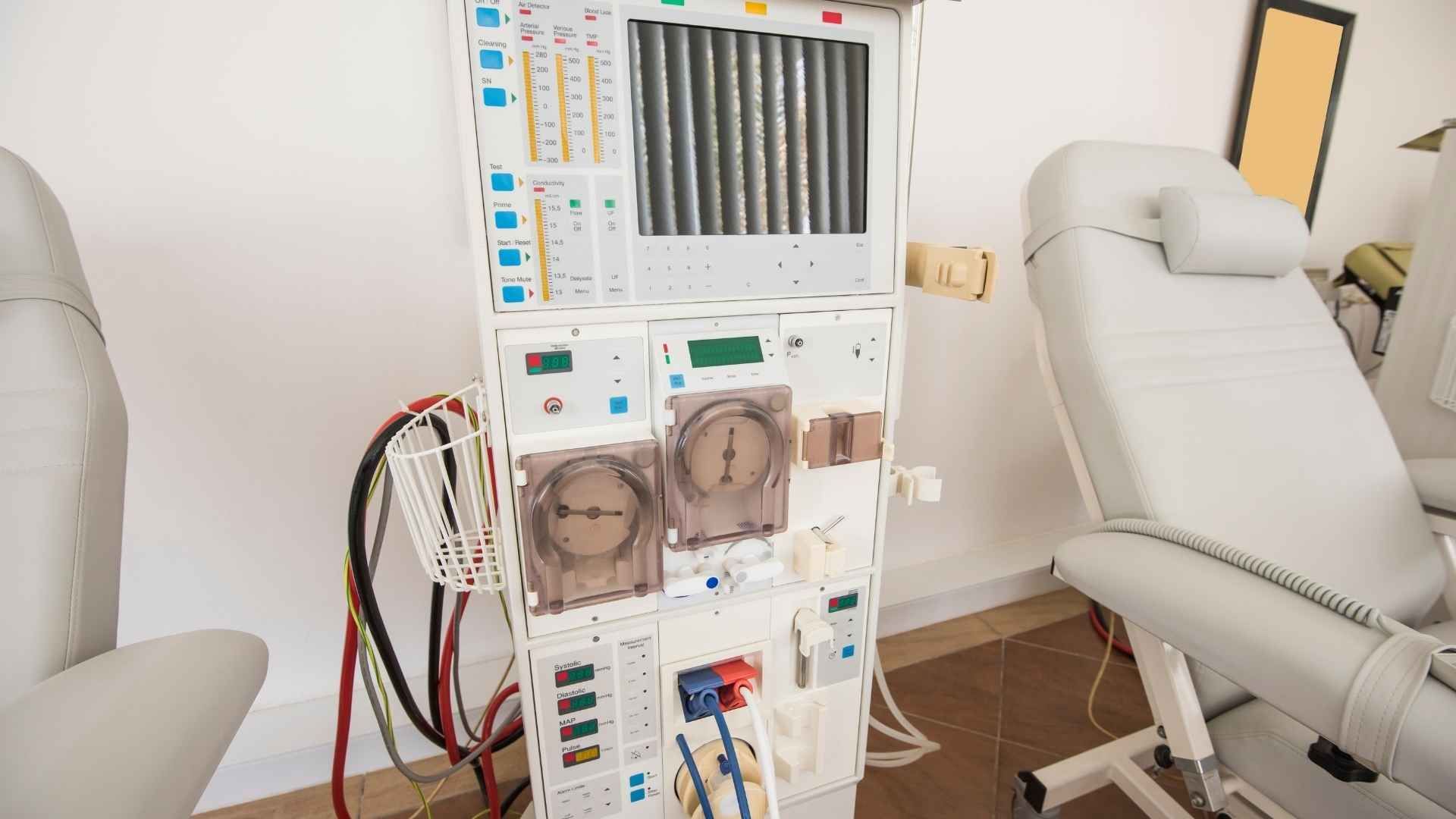
Regardless of the method used, effective management of the dialysis process is crucial. Infusion pumps, for example, can be employed to ensure precise fluid delivery in dialysis treatments.

In both types of peritoneal dialysis, maintaining optimal nutrient delivery is essential to achieve successful toxin clearance. The proper coordination of fluid volumes and medication dosages can significantly enhance patient outcomes and improve overall quality of life.

Recommended Intravenous Fluid Management for Dialysis

What IV fluids are recommended for dialysis patients?

For dialysis patients, initial volume resuscitation and addressing dehydration should involve balanced polyionic solutions such as:

  • Lactated Ringer's solution
  • Plasmalyte-148
  • Normosol-R

In specific cases, such as hyperkalemia , physiological saline (0.9% NaCl) is a suitable choice due to its lack of potassium.

How to assess and tailor fluid therapy?

It’s crucial to assess hydration status by monitoring:

  • Body weight changes
  • Blood pressure
  • Physical examinations

This helps tailor fluid therapy appropriately. Continuous monitoring is essential to adjust fluid intake based on:

  • Urine output
  • Vital signs

Why is personalized fluid management important?

Maintaining the correct fluid balance is vital, particularly in patients with acute kidney injury (AKI) . The aim is to prevent further kidney damage while avoiding the risks associated with both underhydration and overhydration.

A personalized approach to fluid management ensures an efficient and safe dialysis process, significantly contributing to better patient outcomes.

Fluid Type Indication Considerations
Lactated Ringer's solution Volume resuscitation Ideal for general hydration needs
Plasmalyte-148 Balanced electrolyte replacement Can prevent chemical imbalances
Normosol-R Fluid resuscitation Suitable for various clinical scenarios
0.9% NaCl Hyperkalemia treatment No potassium, safe for potassium-sensitive conditions

Personalized fluid management enhances stability and overall treatment efficacy in dialysis, ensuring patients receive the most appropriate care tailored to their circumstances.

Innovations in Dialysis Solution Preparation

How are dialysis solutions prepared?

Dialysis solutions play a vital role in the effectiveness of dialysis treatment. Their preparation involves creating a bicarbonate-containing aqueous concentrate, which often begins with a particulate product dissolved in water.

Maintaining the right pH is crucial, with optimal levels kept between 7.2 to 7.4 for safety and efficacy. The compositions of these solutions typically include key ions such as sodium, bicarbonate, calcium, and chloride, each tailored to meet specific clinical requirements.

What are the compositions and concentrations?

These solutions are designed to reflect the electrolyte balance necessary for patients undergoing treatment, with specific milliequivalents per liter adjusted according to individual needs. Recent research suggests that bicarbonate solutions are more tolerable for patients compared to their sodium acetate counterparts, presenting a significant advancement in dialysis care.

What are the recent advancements in dialysis solutions?

Innovations have also introduced practical mixing methods, where acidic concentrates are combined with bicarbonate solutions prior to administration. This not only enhances patient comfort but optimizes the overall effectiveness of the dialysis process.

In summary, advancements in preparing dialysis solutions showcase how refining methods and compositions can lead to improved patient outcomes and greater treatment satisfaction.

The Economics of Dialysis: Focusing on the Tablo Machine

What is the cost of a Tablo dialysis machine?

The Tablo dialysis machine , designed for home use, costs approximately $47,000 . This figure does not encompass additional service or operational costs, which can influence the overall financial impact on patients or healthcare systems. As the popularity of home dialysis treatments increases, especially during recent trends, machines like the Tablo are becoming more sought after.

Home dialysis trends

Home dialysis has seen a resurgence, particularly as the healthcare landscape evolves towards greater patient autonomy and flexibility. Previously, the home dialysis rate was estimated around 30% but has recently stabilized at 14% . This trend indicates a cautious yet significant shift as patients recognize the benefits of home treatments, such as increased comfort and independence.

The Tablo machine stands out as it supports this trend by providing a user-friendly experience that caters to individual patient needs. Unlike traditional dialysis setups, the Tablo allows for more accessible home treatments, helping patients manage their health in a familiar environment.

Patient-centered care impacts

Emphasizing patient-centered care is crucial for enhancing outcomes for individuals with end-stage kidney disease. Home dialysis options like the Tablo not only facilitate treatment but also improve the overall quality of life for patients by giving them greater control over their schedules and environments.

The emergence of machines like the Tablo in the market signifies a promising shift in treatment paradigms, showcasing a move towards more accessible and customized healthcare solutions . This adaptability reflects a growing recognition of the importance of personal choice in managing chronic conditions.

The Critical Role of Infusion Pumps in Dialysis Treatment

How Do Infusion Pumps Aid in Fluid Management?

Infusion pumps play an instrumental role in fluid management during dialysis. They ensure precise control over the volume of fluid removed from or added to the bloodstream, which is essential for preventing complications such as fluid overload or dehydration. By meticulously adjusting fluid volumes, infusion pumps help maintain optimal physiological balance in patients undergoing dialysis.

What is the Purpose of Medication Delivery in Dialysis?

In addition to fluid management, infusion pumps are critical for medication delivery. They administer medications that help manage blood pressure and prevent clotting, ensuring that patients receive the right dose at the right time. This precision in medication delivery not only enhances patient safety but also improves treatment outcomes by minimizing risks associated with improper dosing.

Are Interventions Customizable with Infusion Pumps?

Customization is one of the key benefits of infusion pump use in dialysis. For instance, in peritoneal dialysis, these pumps facilitate tailored nutrient delivery into the abdominal cavity, effectively aiding in toxin clearance. The Cleveland Clinic's approach exemplifies this, as it produces custom dialysate solutions, adjusting potassium, calcium, and sodium concentrations based on individual patient needs. This level of customization is crucial for optimizing dialysis therapies and enhancing patient comfort and efficacy.

Feature Infusion Pumps Custom Dialysate (Cleveland Clinic)
Fluid Volume Control Precise management during dialysis Tailored concentrations for patients
Medication Delivery For blood pressure and clotting N/A
Intervention Customization Easily adjustable for patient needs Adjusts electrolytes as required

The Impact of Infusion Pumps on Patient Safety and Efficiency

Time efficiency

Infusion pumps play a vital role in streamlining dialysis treatments. By automating the delivery of medications and fluids, they enable healthcare providers to allocate time more effectively. This automation diminishes manual tasks, allowing nurses and medical staff to focus on direct patient care and improve overall operational efficiency.

Accuracy and safety

One of the most significant advantages of infusion pumps is the enhancement of accuracy in medication delivery. Precise control over fluid volumes and dosages reduces the risk of complications, such as fluid overload or dehydration. Moreover, infusion pumps are designed with safety mechanisms that minimize human error, ensuring patient safety throughout the treatment process.

Customization benefits

Infusion pumps also allow for the customization of treatment plans tailored to individual patient needs. In peritoneal dialysis, pumps can efficiently deliver nutrients, enhancing toxin clearance. Furthermore, the Cleveland Clinic's approach to producing its own dialysate demonstrates how pumps can be adapted for specific electrolyte management, providing a higher level of personalized care for patients.

The Role of Customized Dialysate Solutions

Tailoring Electrolyte Levels

The Cleveland Clinic has developed a unique approach to dialysis by producing its own dialysate. This allows clinicians to fine-tune the concentrations of essential electrolytes such as potassium, calcium, and sodium. The ability to adjust these levels provides a more tailored treatment option, catering to the specific needs of individual patients. This customization plays a crucial role in optimizing the patient's biochemical balance, enhancing fluid management, and ultimately improving patient outcomes.

Chemical Stability

Ensuring the chemical stability of dialysate over extended storage periods is vital for maintaining patient safety and effectiveness. The Cleveland Clinic’s protocol emphasizes careful collection and storage procedures, which help keep the dialysate solutions stable over time. Studies indicate no clinically significant changes in electrolyte levels during this period, validating the integrity of these tailored solutions and their readiness for patient use.

Microbiological Safety

Microbiological safety is a paramount concern in dialysis treatments due to the risk of contamination, which can lead to serious health complications. The dialysate produced by the Cleveland Clinic meets the 'ultrapure' standard set by the International Standards Organization. This stringent requirement significantly reduces contamination risks, ensuring that patients receive safe and effective treatment. Robust quality monitoring protocols are in place to maintain these standards, illustrating the importance of oversight in producing dialysis solutions.

Topic Description Importance
Tailoring Electrolyte Levels Adjusting potassium, calcium, sodium in dialysate Personalized treatment and outcomes
Chemical Stability Maintaining stability of solutions over time Effective and safe patient care
Microbiological Safety Ensuring dialysate meets ultrapure standards Reduces contamination risks

Advancements in Hemodialysis Techniques for Enhanced Patient Outcomes

Advantages of hemodiafiltration

Hemodiafiltration (HDF) combines diffusion and convection methods, enabling the efficient removal of both small and large molecular weight toxins from the bloodstream. This dual action enhances detoxification compared to traditional hemodialysis (HD). As a result, patients may experience improved biochemical balances and overall health outcomes.

Customization of dialysis processes

Customization plays a vital role in dialysis treatments. For instance, the Cleveland Clinic's customized dialysate demonstrates how tailoring potassium, calcium, and sodium concentrations can cater to individual patient requirements. Personalized dialysis fluids not only ensure better tolerance but also contribute to a decrease in complications.

Optimization of hemodialysis methodologies

Optimization of hemodialysis methodologies includes adjusting the composition of dialysis fluids, managing fluid volumes precisely, and employing high-flux membranes. These methods enhance biocompatibility and ensure effective waste removal, fundamentally improving treatment efficacy. Additionally, treatment protocols can be tailored based on patient-specific variables such as frequency and duration of sessions, leading to enhanced patient satisfaction and health results.

Peritoneal Dialysis: CAPD vs. APD Benefits

Comparison of CAPD and APD

Continuous Ambulatory Peritoneal Dialysis (CAPD) and Automated Peritoneal Dialysis (APD) are two prominent methods of peritoneal dialysis, each with unique advantages.

  • CAPD is a manual method where patients perform three to five exchanges daily, granting them flexibility.
  • APD , on the other hand, leverages a machine to automate exchanges, typically conducted overnight, allowing patients to rest while treatment occurs.

Patient Lifestyle Impact

Both CAPD and APD cater to different lifestyles:

  • CAPD requires active participation during the day, but it promotes independence and self-management.
  • APD offers convenience, especially for those who prefer less disruption to their everyday activities.

Benefits of Home-Based Treatments

Home-based dialysis treatments enhance overall quality of life for patients:

  • Flexibility : Patients can schedule treatments according to personal preferences.
  • Health Outcomes : Frequent home dialysis has been linked to improved blood pressure control and reduced feelings of depression.

In summary, both CAPD and APD offer distinct advantages, making peritoneal dialysis a viable and flexible option for many patients.

Method Treatment Type Key Benefits
CAPD Manual Flexibility and independence
APD Automated Convenience and efficiency

These methods reflect the evolving landscape of dialysis treatments, emphasizing personalization and patient-centric approaches.

Collaborative Approaches in Delivering Dialysis Care

Team Roles in Treatment Plans

In delivering effective dialysis care, the infusion team plays a crucial role. Trained infusion nurses are responsible for administering therapies safely, ensuring that both acute and chronic conditions are addressed. Their expertise allows for efficient medication management, coordinating with physicians to tailor resident-specific treatment plans. This collaboration ensures comprehensive care focused on the patient’s unique needs.

Resident-Specific Care

Personalization is vital in dialysis treatment. The infusion team works closely with each resident to create individualized plans that address their medical histories and current health status. This approach not only improves treatment efficacy but also enhances patient comfort and compliance. By considering variables such as fluid volume management and medication dosages, healthcare providers can significantly influence patient outcomes.

Interdisciplinary Collaboration

Collaboration between healthcare professionals is essential for optimal patient management. At facilities such as Plaza Healthcare, the infusion team partners with contracted hemodialysis services to oversee peritoneal dialysis programs. This collaborative effort ensures comprehensive care through shared resources, education, and support, ultimately fostering better health outcomes for residents.

Role Function Impact on Patient Care
Trained Infusion Nurses Administer infusion therapies Increases safety and treatment efficacy
Interdisciplinary Teams Collaborate on treatment strategies Enhances personalization of care
Contracted Hemodialysis Services Provide specialized hemodialysis support Ensures residents have access to critical resources

Through these combined efforts, healthcare organizations can improve the experience and outcomes for patients undergoing dialysis.

Conclusion: The Future of Dialysis Care

The landscape of dialysis treatment is rapidly evolving, with custom infusion solutions playing a pivotal role in enhancing patient outcomes and treatment efficiency. From advancements in infusion pump technology to innovative dialysate preparation methods, the focus remains on delivering personalized, safe, and effective care to individuals with kidney failure. As we continue to explore and integrate these technological advancements, the future of dialysis care looks brighter, offering improved quality of life and greater autonomy for patients.

References

Dialysis center staff coordinating phosphate binder supply with a pharmacy partner
August 11, 2026
What dialysis centers should look for in a phosphate binder supply partner: reliable delivery, formulary breadth, insurance support, and coordination.
Renal dietitian reviewing phosphate levels with a dialysis patient
August 11, 2026
How hyperphosphatemia is managed in ESRD dialysis patients, diet, dialysis, and phosphate binders, and why reliable binder supply keeps therapy on track.
July 29, 2026
Compounded medications are a routine part of modern care, but unlike mass-manufactured drugs, each one is prepared individually, which means the standards behind its preparation carry real weight. For providers who order or refer for compounded therapies, a working understanding of those standards is the clearest way to judge whether a pharmacy is safe to trust. This overview covers the standards that govern sterile compounding and what they mean for the medications your patients receive. Why Standards Matter More in Compounding A commercially manufactured drug is produced under FDA oversight in large, validated batches. A compounded medication is prepared for an individual patient, often in small quantities, sometimes because no commercial equivalent exists. That flexibility is exactly why it's clinically valuable — and why the standards around preparation exist. Without rigorous controls, the same customization that helps patients could introduce contamination or error. Our guide to our sterile compounding pharmacy describes how those controls come together in practice. The Regulatory Landscape Sterile compounding sits within a layered framework: The United States Pharmacopeia (USP) publishes the general chapters, most importantly <797> and <800>, that define how compounded preparations should be made and handled. State boards of pharmacy license and inspect pharmacies, including where they're permitted to ship. Multi-state operations must maintain licensure in each state they serve. Accreditation bodies (ACHC, NABP, PCAB) provide independent verification that a pharmacy meets recognized standards. Together, these create the accountability structure behind every compounded dose. USP <797>: Sterile Preparations USP <797> is the cornerstone standard for compounded sterile preparations. It governs the conditions and practices required to keep a preparation free of contamination, including personnel training and garbing, ISO-classified air quality and engineering controls, environmental monitoring, and beyond-use dating. For any medication infused directly into the body, <797> compliance is the baseline expectation, not a premium feature. USP <800>: Hazardous Drugs USP <800> adds a containment layer for hazardous drugs, protecting personnel, patients, and the environment from unintended exposure. It specifies containment engineering controls, PPE, and validated handling procedures for drugs identified as hazardous. When a preparation is both sterile and hazardous, it must satisfy <797> and <800> together. For the details, see our breakdown of USP <800> requirements . Accreditation: Independent Verification Standards are only meaningful if someone checks that they're being met. Accreditation from ACHC, NABP, and PCAB means a pharmacy has been inspected against national benchmarks by an outside authority. For a provider, accreditation is a shortcut to confidence: it signals that the pharmacy's claims about its processes have been independently validated. The Quality-Control Process Behind the standards is a repeatable process that governs each preparation: Pharmacist review of the prescription for appropriateness, compatibility, and dosing Preparation by trained technicians under aseptic conditions In-process and final verification by a licensed pharmacist Sterility testing or filtration validation where required This chain is what turns a standard on paper into a safe medication in a patient's hands. What This Means When You Order When you refer a patient for a compounded therapy, you're effectively extending your own standard of care into another facility. Knowing that a pharmacy is USP-compliant, accredited, and pharmacist-led lets you refer with confidence that the medication will meet the same expectations you'd hold for anything you administer yourself. If you're weighing options, our guide on how to choose a compounding partner walks through the criteria. The Pharmko Standard Pharmko compounds every TPN, IDPN, and IPN preparation in a USP <797>-compliant, ISO Class 5 cleanroom, under ACHC, NABP, and PCAB accreditation, with a licensed pharmacist reviewing and releasing each formula. For the patients who receive our preparations, many of them managing End Stage Renal Disease (ESRD), that standard is the point. Refer a Patient → · [1 (877) 540-2003]
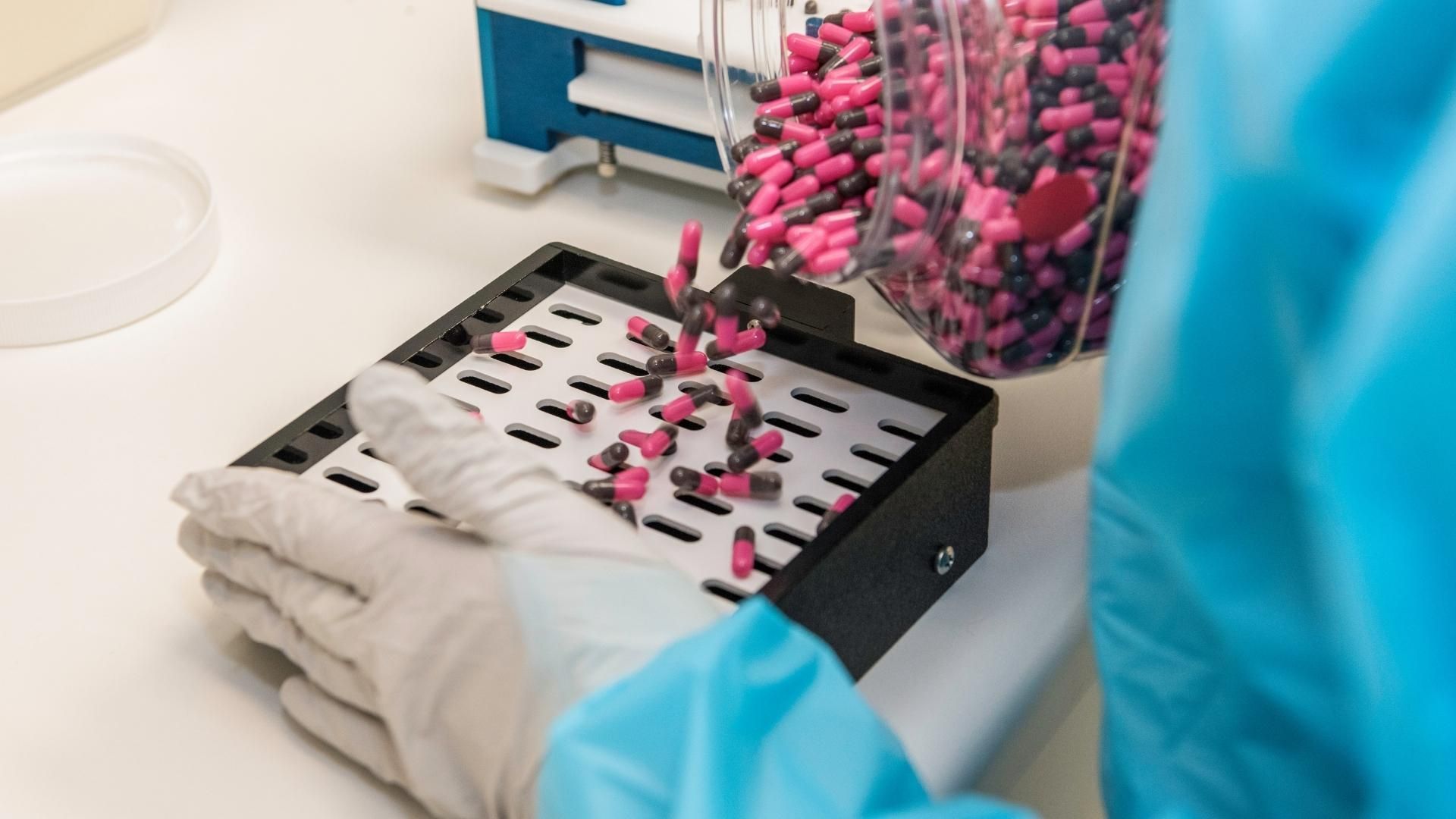
Physician evaluating a sterile compounding pharmacy partner
July 29, 2026
How to evaluate a sterile compounding pharmacy: accreditation, USP compliance, clinical support, turnaround, and the questions every practice should ask.
Sterile compounding pharmacy technician in PPE under a containment hood
July 29, 2026
A clear guide to USP 800 requirements: hazardous drug handling, containment, PPE, and the facility standards every sterile compounding pharmacy must meet.
Myasthenia Gravis and IVIG: What Patients Need to Know About IV Therapy
July 20, 2026
Learn how IVIG therapy works for myasthenia gravis, when it's used, what to expect during infusions, how home IVIG is coordinated, and how Pharmko supports MG patients and their neurologists.
Dobutamine and Inotrope Therapy at Home
July 17, 2026
Learn how home dobutamine infusion works for advanced heart failure, who qualifies, how continuous inotrope therapy is managed at home, and how Pharmko supports cardiac patients and heart failure teams.
CIDP and Home Infusion: IVIG Treatment, Dosing Schedule, and Long-Term Management
July 16, 2026
Learn how IVIG therapy works for CIDP, what the dosing schedule looks like, how to transition to home infusion, and how Pharmko supports long-term CIDP management across 22+ states.
Compounded IV Medications
July 15, 2026
Most medications that patients receive at a hospital or pharmacy come in standardized, commercially manufactured forms, a 500mg antibiotic vial, a pre-filled syringe, a fixed-concentration IV bag. These products work well for many patients. But a significant portion of patients receiving IV therapy have clinical needs that commercial products cannot meet: a dose the manufacturer doesn't make, a formulation incompatible with the patient's allergy profile, or a combination of nutrients that must be tailored to individual lab values. For these patients, compounded IV medications are not optional, they are clinically necessary. Pharmko's sterile compounding services prepare customized IV medications for patients across 22+ states, with every formulation reviewed by a licensed pharmacist and prepared in a USP <797> compliant cleanroom. What Makes an IV Medication 'Compounded'? A compounded medication is one that is prepared specifically for an individual patient by a licensed pharmacist, rather than manufactured in bulk by a pharmaceutical company. Compounding involves combining, mixing, or altering ingredients, active pharmaceutical ingredients, diluents, preservatives, to create a final preparation that meets the patient's unique prescription requirements. For IV therapy specifically, compounding means preparing a sterile preparation, one that is completely free of viable microorganisms and safe to inject or infuse directly into the bloodstream. This requires specialized facilities, equipment, training, and quality systems that go far beyond what a standard retail pharmacy can provide. Pharmko is exclusively a sterile compounding pharmacy. We do not compound oral medications, topical creams, or non-sterile preparations. Every product we make is intended for intravenous, intraperitoneal, or subcutaneous administration. When Are Compounded IV Medications Necessary? The required dose doesn't exist commercially Pharmaceutical manufacturers produce medications in standardized strengths and volumes based on average patient needs. Pediatric patients, patients with renal or hepatic impairment requiring dose adjustments, or patients whose weight or clinical status falls outside standard ranges may need concentrations or volumes that no commercial product provides. Compounding fills this gap precisely. The patient has an allergy to a commercial formulation's inactive ingredients Commercial IV products often contain preservatives, stabilizers, or diluents, sulfites, benzyl alcohol, certain dyes, that some patients cannot tolerate. A compounding pharmacy can prepare an equivalent formulation without the offending ingredient, allowing the patient to receive the therapy safely. The medication requires individualized nutrient formulation Total parenteral nutrition (TPN) is the clearest example: every TPN formula must be individually compounded because no commercial product can provide the precise combination of amino acids, dextrose, lipids, electrolytes, vitamins, and trace minerals a specific patient needs. The formula changes as the patient's labs, weight, and clinical status change, making standardization impossible. The commercial product is unavailable or in shortage Drug shortages are a persistent reality in the US pharmaceutical supply chain. When a commercially manufactured IV medication becomes unavailable, compounding pharmacies can often prepare an equivalent formulation from available active pharmaceutical ingredients, bridging the gap and maintaining continuity of therapy for patients who cannot wait. The therapy requires a custom delivery format Some IV medications require specific pH, osmolarity, or concentration adjustments for compatibility with a patient's IV access device or concurrent medications. A compounding pharmacist reviews compatibility and prepares formulations that are safe and stable for the specific administration route and equipment the patient is using. How Compounded IV Medications Are Made Step 1: Prescription review Every compounded IV medication begins with a valid prescription from a licensed prescriber. Pharmko's pharmacists review the prescription for clinical appropriateness, dosing accuracy, ingredient compatibility, and stability before compounding begins. Step 2: Ingredient sourcing and verification Active pharmaceutical ingredients for compounding must come from FDA-registered suppliers and meet USP monograph specifications. Each lot is verified for identity, potency, and purity before use. Step 3: Sterile preparation in a controlled environment Preparation occurs in an ISO Class 5 laminar airflow workbench or biological safety cabinet, located within a buffer room that meets ISO Class 7 air quality standards. Pharmacy technicians follow validated, written procedures for each preparation type, using aseptic technique to prevent contamination at every step. Step 4: Pharmacist verification and release A licensed pharmacist performs a final check of every preparation, verifying appearance, volume, labeling, and documentation, before the product is released. High-risk or complex preparations may undergo sterility testing with defined beyond-use dates based on test results. Step 5: Cold-chain delivery Most compounded IV medications require refrigeration. Pharmko uses validated cold-chain packaging and delivery logistics to ensure products arrive within their stability windows and remain temperature-controlled until the patient uses them. Quality Standards That Matter Not all compounding pharmacies operate at the same standard. The relevant quality benchmarks for sterile compounding are: USP <797> compliance, the national standard for sterile compounding environments, personnel, and processes. Our guide on USP <797> and USP <800> explains what compliance means in practice ACHC accreditation, independent third-party verification that Pharmko meets clinical quality standards for home infusion and sterile compounding State pharmacy board licensure, Pharmko is licensed in every state where we serve patients Environmental and personnel monitoring, documented air and surface sampling, personnel gowning competency assessments, and media fill testing at defined intervals For a foundational overview of what sterile compounding is and how it differs from retail pharmacy, see our guide on what is sterile compounding for IV therapy . → Contact Pharmko about compounded IV medications: 1-877-540-2003
home infusion therapy Pennsylvania
July 14, 2026
Pharmko provides home infusion therapy across Pennsylvania, IV antibiotics, IVIG, TPN, biologics, and specialty medications. Licensed, ACHC accredited, and available 24/7 statewide.
Show More