
How do custom infusions address unique health needs?

August 22, 2025

Understanding Customized Infusions

As personalized medicine rises in prominence, custom infusion therapies have emerged as a powerful tool in addressing individualized health needs. These therapies offer unique solutions that go beyond traditional medical treatments, recognizing that no two patients have identical health profiles. By catering to specific requirements, customized infusions provide pathways for more effective health management, particularly for those with complex health conditions.

What is Infusion Therapy and Its Significance

What is infusion therapy and why is it important?

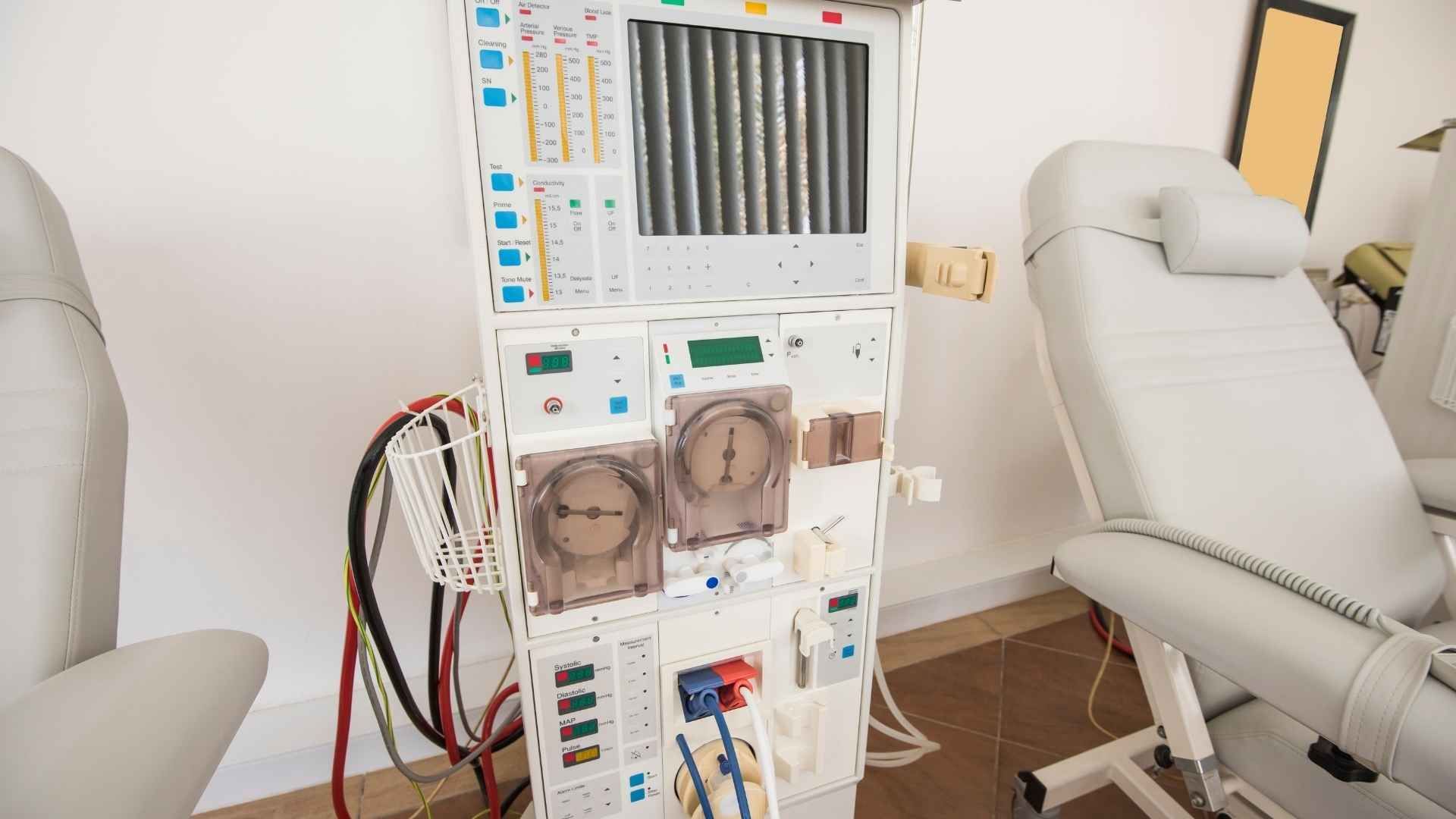
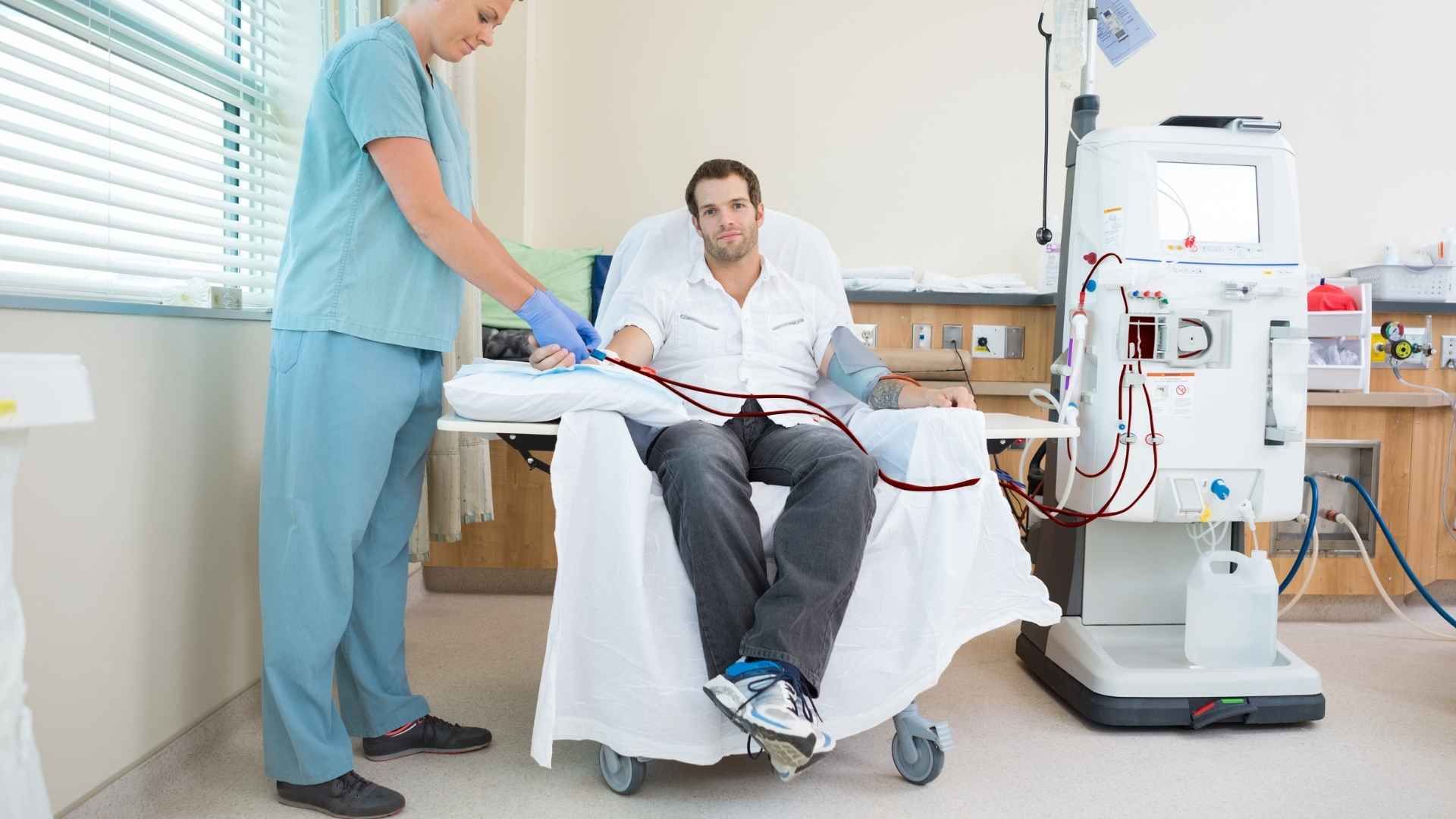
Infusion therapy is a medical treatment that involves delivering medications or fluids directly into a patient’s bloodstream via a needle or catheter. This method, typically performed intravenously (IV), is particularly beneficial when oral administration is not feasible or effective. Conditions like infections, cancer, autoimmune disorders, and severe dehydration may require this approach due to the need for precise and controlled dosing of medications.

One of the most significant advantages of infusion therapy is the ability to bypass the digestive system, facilitating faster absorption of nutrients and medications. This can be crucial during emergency situations or when administering drugs that need gradual delivery to minimize side effects.

Importance of precision in medical dosing

Precision in dosing is particularly critical in infusion therapy. The therapy allows for tailored treatment regimens, adapting to the individual health status of patients. For instance, individuals with nutrient deficiencies can receive customized IV treatments with specific vitamins and minerals, enhancing recovery times and overall health outcomes.

Role of infusion therapy in modern healthcare

Infusion therapy plays a vital role in modern healthcare. It is commonly administered by trained healthcare professionals in clinical settings, adhering to strict safety protocols to ensure proper patient care. According to recent studies, the effectiveness of IV nutrient therapy in addressing micronutrient deficiencies has been well-supported, showing improved outcomes across various patient profiles. Moreover, infusion therapy contributes significantly to the management of chronic conditions by improving symptom control, reducing flare-ups, and promoting faster recovery from surgeries and injuries. In recent years, a shift towards patient-centric approaches has also facilitated home-based infusion therapies, emphasizing patient empowerment and personalized medical solutions.

Health Conditions Requiring Infusion Therapy

What health conditions often require infusion therapy?

Infusion therapy plays a crucial role in treating a range of health conditions, particularly those requiring immediate or intensive care. Conditions like serious infections , cancer treatment , and dehydration commonly necessitate this form of therapy.

Additional conditions include gastrointestinal diseases (for example, Crohn's disease ), congestive heart failure , hemophilia , and various immune deficiencies. These conditions may impair the ability to take medications orally, making IV treatment essential since it delivers medication through a needle directly into a vein.

Significance of infusions for non-oral medication administration

The significance of infusion therapy lies in its efficiency and effectiveness. It allows for precise control over medication delivery, ensuring that patients receive the necessary treatment in a timely manner. This method can also improve discharge planning for hospitalized patients, often preventing unnecessary admissions.

Comprehensive outpatient infusion services provide supervised care, addressing various needs ranging from hydration management to antibiotic therapy. This approach ensures that patients receive high-quality treatment tailored to their specific health challenges, fostering a better recovery and overall health management.

Condition Description Importance of IV Therapy
Serious Infections Severe bacterial or viral infections Rapid delivery of antibiotics for effective treatment.
Cancer Treatment Chemotherapy and symptom management Direct delivery for better tolerance and absorption.
Dehydration Loss of fluids outside the normal range Immediate rehydration through IV fluids.
Gastrointestinal Diseases Malabsorption issues Nutrients provided directly, bypassing digestive issues.
Congestive Heart Failure Fluid and medication management Helps maintain proper fluid balance and reduce symptoms.

Exploring Types of Custom Infusion Therapies

What are the common types of infusion therapies?

When it comes to infusion therapies, several types cater to different health needs and delivery methods. The most prevalent include:

  • Intravenous (IV) Infusions : This method administers fluids, medications, and nutrients directly into the bloodstream for rapid absorption. IV therapy is ideal for situations requiring immediate results, such as hydration, energy replenishment, or symptom management.
  • Intramuscular (IM) Infusions : These involve injections into a muscle, allowing for slower absorption into the bloodstream. This method is often used for vaccinations or medications requiring gradual release.
  • Subcutaneous (SQ) Infusions : This approach delivers drugs under the skin, facilitating controlled absorption over time—common for patients needing ongoing treatment, such as insulin.

Beyond these categories, customized IV therapies target specific health conditions while considering individual nutrient profiles. These include:

  • Myers' Cocktail : Designed for energy and immune support.
  • Hangover Cure : Alleviates symptoms of overindulgence.
  • Immune Boost : Specifically formulated to enhance the body's defenses.
  • Beauty Drip : Focuses on promoting healthy skin, hair, and nails.

This tailored approach, especially vital for managing chronic conditions and enhancing recovery post-illness, ensures that patients receive optimal therapy tailored to their unique health needs.

Personalization in Infusion Therapy: Addressing Unique Needs

Customization of Infusion Therapies

Infusion therapy offers a tailored approach to healthcare by allowing for customized treatments that cater to individual health concerns. This personalization is particularly effective for addressing various conditions such as dehydration, vitamin deficiencies, immune support, and detoxification. Unlike one-size-fits-all methods, customized IV treatments deliver precise nutrients based on a thorough assessment of the patient’s specific health goals and current conditions.

Examples of Personalized Treatment Plans

Common mixtures found in tailored IV treatment plans can include a saline solution for hydration, essential vitamins like Vitamin C and B-complex, and important minerals such as magnesium and zinc. For instance, the Myers' Cocktail aims to boost energy and support immune function, while the Hangover Cure focuses on alleviating hangover symptoms. Other popular blends include the Immune Boost tonic and the Beauty Drip, which enhances skin, hair, and nail health. Each infusion is designed with the individual’s specific needs in mind, ensuring no two treatments are identical.

Consultation Process for Identifying Individual Needs

The success of personalized infusion therapy hinges on an initial consultation with a healthcare professional. During this assessment, patients discuss their health objectives, current symptoms, and any underlying conditions affecting their well-being. This conversation provides the necessary insight to create a tailored infusion plan that delivers targeted nutrients efficiently. Continuous monitoring allows for adjustments over time, ensuring that treatment adapts as health needs evolve, making infusion therapy an effective choice for those seeking to enhance their health and recover from ailments or surgeries.

The Role of Infusion Therapies in Enhancing Recovery and Wellness

Advantages of Direct Nutrient Delivery

Infusion therapy allows for the efficient absorption of fluids, vitamins, and medications directly into the bloodstream. This method bypasses the digestive system, enabling immediate nutrient availability to the cells and tissues. As a result, patients experience faster recovery and energy replenishment compared to oral intake.

Impact on Chronic Conditions and Recovery

For individuals managing chronic conditions or recovering from surgery, customized IV treatments offer significant benefits. These therapies can help reduce inflammation, enhance immune response, and improve overall wellness. Personalization ensures that infusions meet individual health goals, optimizing treatment outcomes for conditions such as autoimmune diseases like rheumatoid arthritis.

Examples of Popular Infusion Cocktails

Several infusion cocktails have become popular for their targeted benefits:

  • Myers' Cocktail: Supports energy levels and immune system function.
  • Hangover Cure: Alleviates symptoms of hangovers.
  • Immune Boost: Strengthens the body's defenses against illness.
  • Beauty Drip: Promotes healthy skin, hair, and nails.

Each of these infusions is tailored to unique health needs, ensuring no two treatment plans are identical. Regular monitoring allows for adjustments based on evolving health requirements.

Infusion Cocktail Primary Benefits Target Population
Myers' Cocktail Energy, immune support General health enthusiasts
Hangover Cure Relief from hangover symptoms Partygoers and travelers
Immune Boost Strengthens immunity Everyone needing health support
Beauty Drip Enhances skin, hair, and nails Beauty-focused individuals

The Future of Customized Infusion Therapies

Custom infusion therapies represent a significant advancement in medical treatment by providing tailored solutions that adapt to individual health needs. As healthcare continues to evolve towards a more personalized approach, the precision and efficacy of these therapies will play a crucial role in managing complex health conditions, enhancing patient wellness, and optimizing recovery processes. With ongoing developments and research, the potential of custom infusions to revolutionize healthcare becomes increasingly attainable, offering hope for improved outcomes and patient satisfaction.

References

What Is Sterile Compounding and Why Does It Matter for IV Therapy?
May 19, 2026
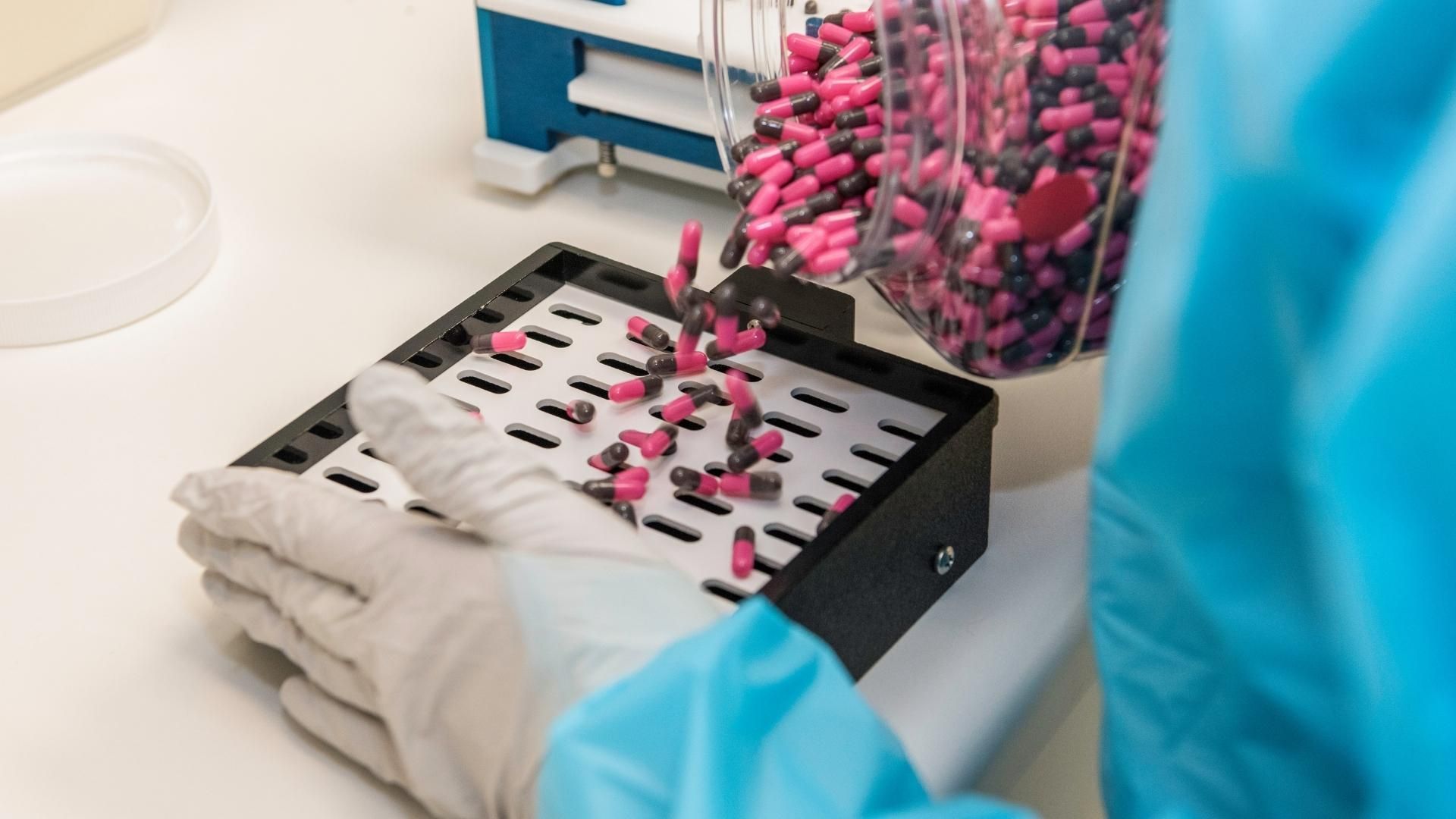
When a patient needs a medication that is not commercially available in the right dose, formulation, or combination, a sterile compounding pharmacy creates it. Sterile compounding is the process of preparing customized, injectable or infusible medications, IV solutions, eye drops, inhalation solutions, in a controlled, contamination-free environment. Pharmko's sterile compounding services are at the core of what makes specialty pharmacy different from a retail pharmacy. Every IV medication we prepare is custom-compounded, validated, and released by a licensed pharmacist before it reaches a patient. What Makes Compounding 'Sterile'? The word 'sterile' refers to the absence of viable microorganisms, bacteria, fungi, endotoxins, in the final product. This is non-negotiable for any medication injected into or infused through the body. A contaminated IV solution can cause severe bloodstream infections, sepsis, or death. Achieving sterility requires: A controlled cleanroom environment (ISO Class 5 or better at the point of compounding) Positive or negative air pressure depending on the type of medication being prepared Gowning, gloving, and aseptic technique by trained pharmacy staff Validated sterilization methods (filtration, terminal sterilization) appropriate for each formulation Environmental and personnel monitoring to detect contamination risks before they reach patients How Sterile Compounding Differs from Retail Pharmacy A retail pharmacy dispenses commercially manufactured medications in their existing forms — tablets, capsules, pre-made liquids. A sterile compounding pharmacy like Pharmko creates medications that either do not exist commercially, are no longer commercially available, or must be customized for a specific patient. Examples of why sterile compounding is necessary: A patient needs a specific antibiotic concentration not available in commercial vials TPN must be formulated individually based on the patient's weight, labs, and nutritional requirements — no pre-made product covers every case A pediatric patient needs a lower concentration of an IV medication than any commercial product offers IV antibiotics must be prepared in specific volumes and concentrations for OPAT patients based on the prescribed regimen What Is USP <797>? USP <797> is the United States Pharmacopeia chapter that sets the standards for sterile compounding. It defines the environmental requirements, beyond-use dating, testing, personnel training, and quality systems that a pharmacy must maintain to legally compound sterile preparations. Compliance with USP <797> is required by state pharmacy boards and enforced through inspections. Not all compounding pharmacies meet these standards — patients and providers should verify that any pharmacy preparing IV medications is operating in full USP <797> compliance. For a detailed breakdown of what USP <797> and the newer USP <800> standard mean for patient safety, see our guide on sterile compounding safety standards . How Pharmko's Compounding Process Works Pharmko operates a state-of-the-art USP <797> compliant sterile compounding facility. Every product we prepare goes through: Pharmacist review of the prescription for appropriateness, compatibility, and dosing Preparation by trained pharmacy technicians in an ISO Class 5 laminar airflow workbench or biological safety cabinet In-process and final product checks by a licensed pharmacist Sterility testing or filtration validation where required Cold-chain delivery to the patient or dialysis clinic within validated stability windows Why It Matters for Home Infusion Patients Every IV therapy delivered through Pharmko's home infusion services is compounded in our sterile facility. This means patients at home receive the same quality-controlled, pharmacist-verified products they would receive in a hospital — not medications assembled at the bedside or sourced from uncredentialed suppliers. → Contact Pharmko to learn more about our compounding services: 1-877-540-2003
Home Infusion Therapy in Florida
May 19, 2026
Pharmko provides home infusion therapy across Florida, IV antibiotics, IVIG, TPN, IDPN, and specialty medications. Licensed, accredited, and available 24/7 statewide.
Home Infusion Therapy in Texas
May 19, 2026
Pharmko provides home infusion therapy across Texas — IV antibiotics, IVIG, TPN, IDPN, and specialty medications. Licensed, accredited, and available 24/7 statewide.
 Phosphate Binders for Dialysis Patients
May 12, 2026
Learn how phosphate binders work for dialysis and CKD patients, the different types available, how they fit into a renal care plan, and how Pharmko supports dialysis centers with consistent supply.
 Home Infusion for Autoimmune Diseases
May 7, 2026
Learn how home infusion therapy supports autoimmune disease management,from IVIG for immune deficiencies to biologic infusions for inflammatory conditions. Pharmko serves 22+ states.
Subcutaneous vs IV Infusion: Which Delivery Route Is Right for Your Therapy
May 4, 2026
Learn the differences between subcutaneous and IV infusion delivery routes,how each works, which therapies use them, and how to choose the right option for your treatment.
Milrinone Infusion at Home for Heart Failure: Patient Guide and Safety Overview
April 23, 2026
Learn how home milrinone infusion works for advanced heart failure patients, who qualifies for palliative milrinone therapy, what to expect, and how Pharmko supports safe at-home cardiac care.
Home Infusion for Crohn's Disease: Remicade, Biologics, and What Patients Should Know
April 23, 2026
Learn how home infusion therapy for Crohn's disease works, including Remicade (infliximab) and other biologics. Who qualifies, what each infusion involves, and how Pharmko supports ongoing care.
Malnutrition in Hemodialysis Patients: Signs, Risks, and When IDPN Is Needed
April 23, 2026
Malnutrition affects up to 75% of hemodialysis patients. Learn to recognize protein-energy wasting, understand when IDPN is clinically indicated, and how Pharmko supports renal nutrition management.
IDPN Therapy: Who Qualifies, How It Works, and What to Expect
April 23, 2026
Learn how intradialytic parenteral nutrition (IDPN) works, who qualifies based on albumin levels and nutritional status, and how Pharmko delivers IDPN for dialysis patients.
Show More