How do tailored IV infusions meet patient needs?

September 11, 2025

Introduction to Tailored IV Infusions

In recent years, the popularity of intravenous (IV) therapy has surged, primarily due to its ability to deliver medications and essential nutrients directly into the bloodstream for immediate absorption. Customized IV infusions represent a significant advancement in personalized medicine, offering targeted treatment solutions that cater to each patient's unique health needs.

The Role and Purpose of IV Therapy

What is the purpose of administering IV infusions?

IV infusions play a crucial role in both preventing and treating dehydration, as well as restoring electrolyte balance. Proper hydration is essential for the optimal functioning of every cell in the body. Serious dehydration can arise due to various factors, including:

  • Vomiting
  • Diarrhea
  • Excessive exercise
  • Heat exposure
  • Surgical procedures

Symptoms of dehydration often include dizziness, fatigue, dry skin, and reduced urine output, which can be debilitating if not addressed promptly.

Preventing dehydration

Different types of IV fluids are utilized based on specific medical needs. Common solutions include:

Type of Fluid Description Use
Crystalloid Solutions Such as normal saline, these fluids contain electrolytes dissolved in water and are widely used for rehydration. General hydration needs
Colloid Solutions Like albumin, these are used to maintain blood volume and pressure. Severe fluid loss treatment

While the procedure for IV rehydration is generally safe, patients should remain aware of potential, albeit rare, complications such as air embolism, fluid overload, and infection.

Importance of hydration in cellular functions

Maintaining hydration also supports cellular functions and overall health. IV therapy can ensure immediate restoration of fluids, vitamins, and minerals directly into the bloodstream, providing rapid relief and restoring balance efficiently.

Understanding Complications of IV Therapy

What are some common complications of IV therapy?

IV therapy, while generally safe and effective, can sometimes lead to complications. Some of the most common include:

  • Infiltration : This occurs when nonvesicant solutions inadvertently leak into surrounding tissue, leading to pain and swelling.
  • Phlebitis : Inflammation of the vein often presents with symptoms such as redness, warmth, and pain at the insertion site.
  • Extravasation : Similar to infiltration but involves vesicants, which can cause severe tissue damage.
  • Hemorrhage : This can occur due to dislodged catheters, leading to blood loss and sometimes requiring immediate medical attention.
  • Local Infection : Poor aseptic technique during IV insertion can result in infections at the puncture site, posing serious risks.

How can infiltration and phlebitis arise?

Infiltration and phlebitis are linked to improper catheter placement or dislodgement. Inadequate stabilization of the IV line can exacerbate these conditions, making vigilance in monitoring more important. Symptoms such as swelling, discomfort, or heat should prompt immediate assessment of the IV site.

What preventive measures are necessary?

Preventive measures are critical in minimizing the risks associated with IV therapy. Healthcare professionals can implement the following strategies:

  • Regular monitoring of the IV site for signs of complications.
  • Utilizing proper aseptic technique during insertion and maintenance.
  • Ensuring the catheter is well-secured to prevent dislodgement.
  • Educating patients about signs and symptoms to watch for during their treatment.

By adhering to these preventive measures, healthcare providers can significantly enhance patient safety and ensure effective treatment.

Preparing and Assessing IV Therapy

What is the standard procedure for preparing a patient for IV insertion?

To prepare a patient for IV insertion, begin with thorough hand washing and the use of clean gloves to maintain a sterile environment. Apply a tourniquet above the intended IV site to engorge the vein, facilitating easier access. Clean the site using antiseptic wipes in a circular motion, which helps reduce infection risks.

Ensure all necessary supplies—IV catheter, tape, gauze, and Tegaderm—are readily at hand. Confirm the patient's identity and explain the procedure, which not only alleviates anxiety but also ensures informed consent.

How should you assess an intravenous infusion site?

Assessment of an intravenous infusion site starts with a visual inspection. Look for signs of infection around the IV insertion area, such as redness, swelling, or any discharge. Check for phlebitis by assessing warmth, pain, or tenderness at the site.

Gently palpate the area to feel for discomfort while ensuring the site remains free of swelling. Monitor the infusion rate and confirm that the IV flow is functioning properly without blockages or leakage, as regular assessment is vital. This proactive approach helps to prevent complications like infiltration, extravasation, or catheter-related bloodstream infections.

Summary of IV Preparation and Assessment Procedures

Aspect Procedure Purpose
Hand hygiene Wash hands and wear gloves Maintain sterility
Tourniquet application Apply just above IV site Engorge veins for easier access
Site cleaning Use antiseptic wipes in a circular motion Reduce infection risk
Supply preparation Gather IV catheter, tape, gauze, Tegaderm Ensure all needed materials are available
Patient communication Explain the procedure to the patient Reduce anxiety and ensure consent
Site inspection Look for signs of infection or phlebitis Identify complications early
Infusion monitoring Check rate and flow of IV Prevent blockages and assess effectiveness of therapy

This careful attention to preparation and assessment can significantly enhance the safety and effectiveness of IV therapy.

The Benefits of Tailored IV Infusions

Enhanced wellness and recovery

IV infusion therapy offers a range of benefits that enhance overall wellness. Since nutrients are delivered directly into the bloodstream, patients often experience an immediate boost in energy and well-being. This direct approach ensures rapid absorption, making it particularly effective after rigorous activities, illness, or dehydration. For athletes and active individuals, tailored formulations, such as Myers' Cocktail, can promote quick recovery by addressing specific nutritional needs.

Immune support and cellular regeneration

One of the standout features of IV therapy is its ability to support the immune system and promote cellular regeneration. Customized infusions can include essential vitamins and minerals like Vitamin C, zinc, and amino acids, all of which play crucial roles in strengthening immune function. These nutrients not only aid in faster recovery but also reduce inflammation and pain, promoting more efficient healing.

Personalization based on health goals

The personalization aspect of IV therapy is transformative for patient care. Health professionals assess individual conditions and customize infusions to meet specific health goals—be it hydration maintenance, energy boosts, or recovery after injury. This tailored approach ensures that each patient receives precisely what they need, aligning the therapy with their unique circumstances and lifestyle, ultimately leading to improved health outcomes.

Applications of Customized IV Therapy

Types of IV Therapies

IV therapy is a versatile treatment approach that allows for the direct infusion of fluids, vitamins, and medications into the bloodstream. This method provides swift absorption, making it ideal for various health needs. Some of the common types of IV therapies include:

  • Hydration Therapy : Quickly replenishes fluids lost due to dehydration from illness or physical activity.
  • Nutrient IV Therapy : Delivers essential vitamins and minerals, such as Vitamin C, B vitamins, and electrolytes.
  • Specialized Formulas : Includes custom mixes like Myers' Cocktail that are tailored to enhance energy and overall wellness.

Customized Formulations for Energy, Recovery, and Immunity

Tailored IV infusions can be designed to cater to specific patient needs. For instance, athletes recovering from workouts can benefit from formulations rich in amino acids to support muscle recovery and tissue repair. Moreover, customized mixtures can help boost energy levels, enhance immune function, and reduce inflammation. This targeted approach not only accelerates recovery but also promotes better health outcomes for active individuals and those with specific health challenges.

Use in Chronic Illness Management

For patients with chronic conditions—such as inflammatory bowel disease or neurological disorders—IV therapy provides an effective method to manage their health. By delivering medications directly into the bloodstream, this therapy maintains consistent drug levels and improves overall treatment efficacy compared to oral methods. Additionally, with a dedicated smart infusion team monitoring the process, patients receive not only personalized but also safe and effective care.

The Importance of Healthcare Professionals in IV Therapy

Role of Healthcare Providers

Healthcare professionals play a pivotal role in administering IV therapy, ensuring a tailored approach to each patient's unique needs. They assess individual health conditions, providing insights that help customize the nutrient blend delivered through IV infusion. This process takes into account factors like age, lifestyle, and any medical conditions that may influence treatment.

Monitoring and Administration

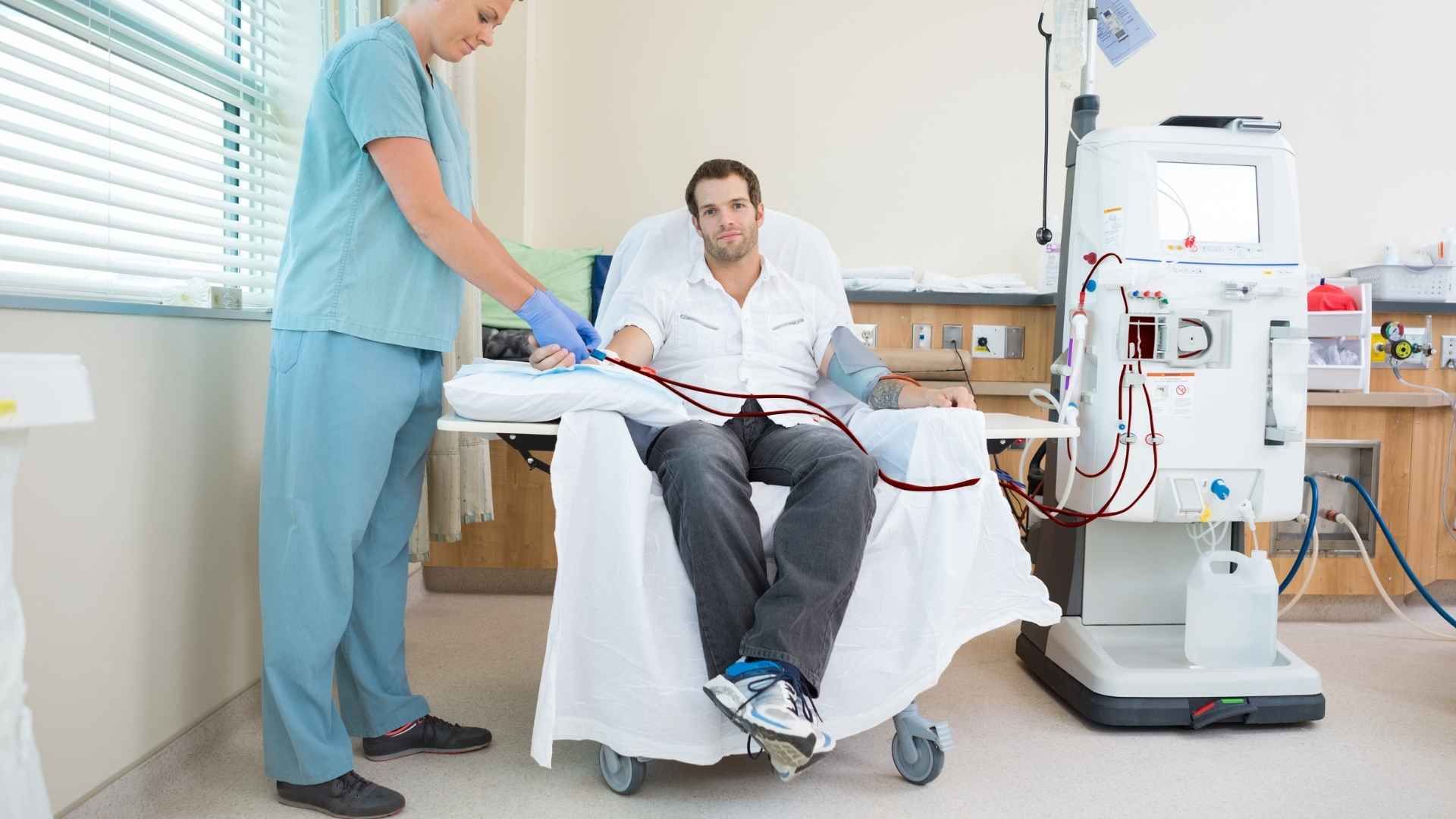
Trained healthcare teams administer the IV therapies. They are responsible for the precise monitoring of the infusion process. This includes ensuring that medications and nutrients are delivered at the correct rate and managing any pumps or devices involved. Their expertise is crucial in adapting treatments as necessary, based on real-time patient feedback and response.

Ensuring Patient Safety

Patient safety is paramount during IV therapy. Healthcare professionals continually monitor patients for signs of adverse reactions or side effects. They can swiftly address any complications that arise, ensuring comfort and safety throughout the procedure. By implementing thorough pre-treatment assessments and ongoing evaluations, they optimize therapy outcomes and enhance overall patient well-being.

Conclusion

Tailored IV infusions stand at the forefront of personalized healthcare, providing patients with customized treatment options that align with their specific health challenges and goals. By leveraging the expertise of healthcare professionals and the precision of modern IV therapy, patients can achieve improved health outcomes and enhance their overall wellness. As understanding and technology continue to evolve, the potential applications and benefits of these therapies are likely to expand, heralding a new era in personalized patient care.

References

Home Infusion Binder: Organize Orders, Contacts, and Questions in One Place
April 1, 2026
Learn how to organize home infusion therapy details in one place orders, contacts, supply notes, symptoms, and questions so support is faster and clearer.
Work and School While on Home Infusion: Scheduling, Planning, and What to Ask For
April 1, 2026
Learn how to plan work or school while on home infusion—routine scheduling, communication tips, and what to ask your care team for support.
Comfort During Long Home Infusions: How to Plan Your Setup and Feel Better
April 1, 2026
Learn how to plan comfort during long home infusions—setup, positioning, pacing, and what to track so your care team can support you.
April 1, 2026
Learn how to set up a clean home infusion workspace what to clean, how to organize supplies, and how to build a simple routine that stays consistent.
After-Hours Home Infusion Support: What to Do Nights, Weekends, and Holidays
March 18, 2026
Learn how to plan for after-hours home infusion questions what to keep ready, what counts as urgent, and how to avoid waiting too long.
Home Infusion With Kids and Pets: How to Keep Supplies Safe and Reduce Distractions
March 18, 2026
Learn practical ways to keep home infusion supplies safe around kids and pets, reduce distractions, and maintain a clean setup routine.
Home Infusion Refill & Delivery Scheduling: How to Avoid Running Out of Supplies
March 18, 2026
Learn how to plan refill and delivery timing for home infusion what to track, when to reorder, and how to prevent last-minute supply gaps.
Home Infusion Emergency Plan: Power Outages, Pump Battery, and What to Do
March 18, 2026
Learn how to plan for power outages during home infusion pump battery basics, supplies to keep ready, and when to call for urgent support.
From Hospital To Home Transition Of Care For Home Infusion What Patients Should Ask
February 5, 2026
Learn what a safe hospital-to-home infusion transition looks like coordination, supplies, monitoring, and what patients should ask.
When To Call During Home Infusion Red Flags You Should Not Ignore
February 5, 2026
Clear warning signs during home infusion fever, reactions, line changes, and pump issues plus what to do next.
Show More