



How Remicade helps Crohn’s disease

August 25, 2025

Understanding Remicade's Impact

Remicade, known by its generic name infliximab, has been a transformative treatment option for individuals suffering from Crohn's disease. Approved over two decades ago, this medication offers hope where other treatments have fallen short. By targeting inflammation at its biological roots, Remicade has shown significant efficacy in managing symptoms, inducing remission, and improving the quality of life for many patients. In this article, we'll explore the mechanisms, effectiveness, administration process, safety profile, and historical significance of Remicade in the treatment of Crohn's disease.

Mechanism of Action: How Remicade Works

How does infliximab work in Crohn's disease?

Infliximab works in Crohn's disease by targeting and blocking tumor necrosis factor-alpha (TNF-α), a protein that plays a critical role in promoting inflammation in the body. As a monoclonal antibody, infliximab binds to both soluble and membrane forms of TNF, inhibiting its activity and thereby reducing the inflammatory response.

By blocking TNF-alpha, Remicade helps control symptoms effectively. Patients often experience a notable improvement in their Crohn's Disease Activity Index (CDAI) scores, indicating reduced disease activity and enhanced quality of life. Remicade also facilitates mucosal healing, which is vital for achieving sustained clinical remission in patients. This mechanism is especially important, as Crohn's disease can cause chronic inflammation within the gastrointestinal tract, leading to a range of severe symptoms such as abdominal pain and diarrhea.

Inflammation Reduction

The administration of Remicade involves an initial loading dose followed by maintenance doses every eight weeks, which allows for sustained control of inflammation. Patients may start to notice symptom improvement within just a few weeks of initiating treatment. However, it's crucial to monitor these patients for potential complications, as infliximab is an immunosuppressive therapy. Prior screening for infections, such as tuberculosis, is advised to prevent any adverse outcomes during treatment.

Overall, Remicade represents a significant advancement in the management of Crohn's disease, making remission a more attainable goal for many patients.

Timeline of Effectiveness

How long does it take for Remicade to work for Crohn's disease?

Remicade (infliximab) generally starts showing initial effects fairly quickly. In clinical studies, nearly 60% of adult patients reported a significant improvement in their symptoms by Week 2 of treatment. This rapid response can offer hope to those dealing with the often debilitating symptoms of Crohn's disease.

However, achieving complete remission takes more time. By Week 30 , 40% of patients using Remicade reached a state of remission, which is a notable improvement compared to the 30% who did not receive Remicade. This indicates that while many patients see symptom relief early, the path to remission can be a longer journey.

Differences in response between adults and children

When examining the effectiveness of Remicade in different age groups, children seem to respond favorably at an even quicker pace. In studies, about 88% of children receiving Remicade demonstrated a positive response by Week 10 . This contrasts with the adult population, which shows a lower percentage of rapid improvement in a similar timeframe.

Infusions for both adults and children are initially administered at weeks 0, 2, and 6 , followed by maintenance doses every 8 weeks . This structured regimen is essential for sustaining the therapeutic impacts of Remicade in managing Crohn's disease effectively.

Efficacy of Remicade in Clinical Practice

How successful is Remicade for Crohn's disease?

Remicade (infliximab) has demonstrated substantial efficacy in treating moderately to severely active Crohn's disease, particularly in patients who have had inadequate responses to conventional therapies. In clinical studies, around 60% of adults experienced a significant improvement in symptoms by Week 2 of treatment. Moreover, by Week 30 , approximately 40% of patients on Remicade achieved remission, which contrasts notably with 30% of individuals not receiving the medication.

In pediatric cases, the results are even more promising. Data shows that nearly 88% of children treated with Remicade responded positively by Week 10 , while about 56% achieved remission within a year. These figures highlight Remicade’s role as a vital option for patients struggling with Crohn's disease.

How does Remicade compare to placebo?

Clinical trials have effectively illustrated the advantages of Remicade over placebo treatments. For instance, in one study, 81% of patients receiving Remicade 5 mg/kg achieved a clinical response, compared to a mere 16% in the placebo group, showcasing the significant efficacy of this therapy in managing Crohn's disease. Additionally, mucosal healing, which is vital for long-term health outcomes, was achieved in 30% of Remicade patients versus only 4% in those receiving placebo.

What are the long-term outcomes?

Long-term studies indicate that sustained therapy with Remicade can help maintain clinical remission and reduce disease-related complications. Regular treatment not only aids symptom management but also correlates with fewer hospitalizations and surgeries related to Crohn's disease. Such outcomes emphasize the importance of continuing Remicade infusions after initial responses are observed, thus further enhancing quality of life and disease control for patients under careful medical supervision.

Understanding the Administration Process

What is the process and duration of a Remicade infusion for Crohn's disease?

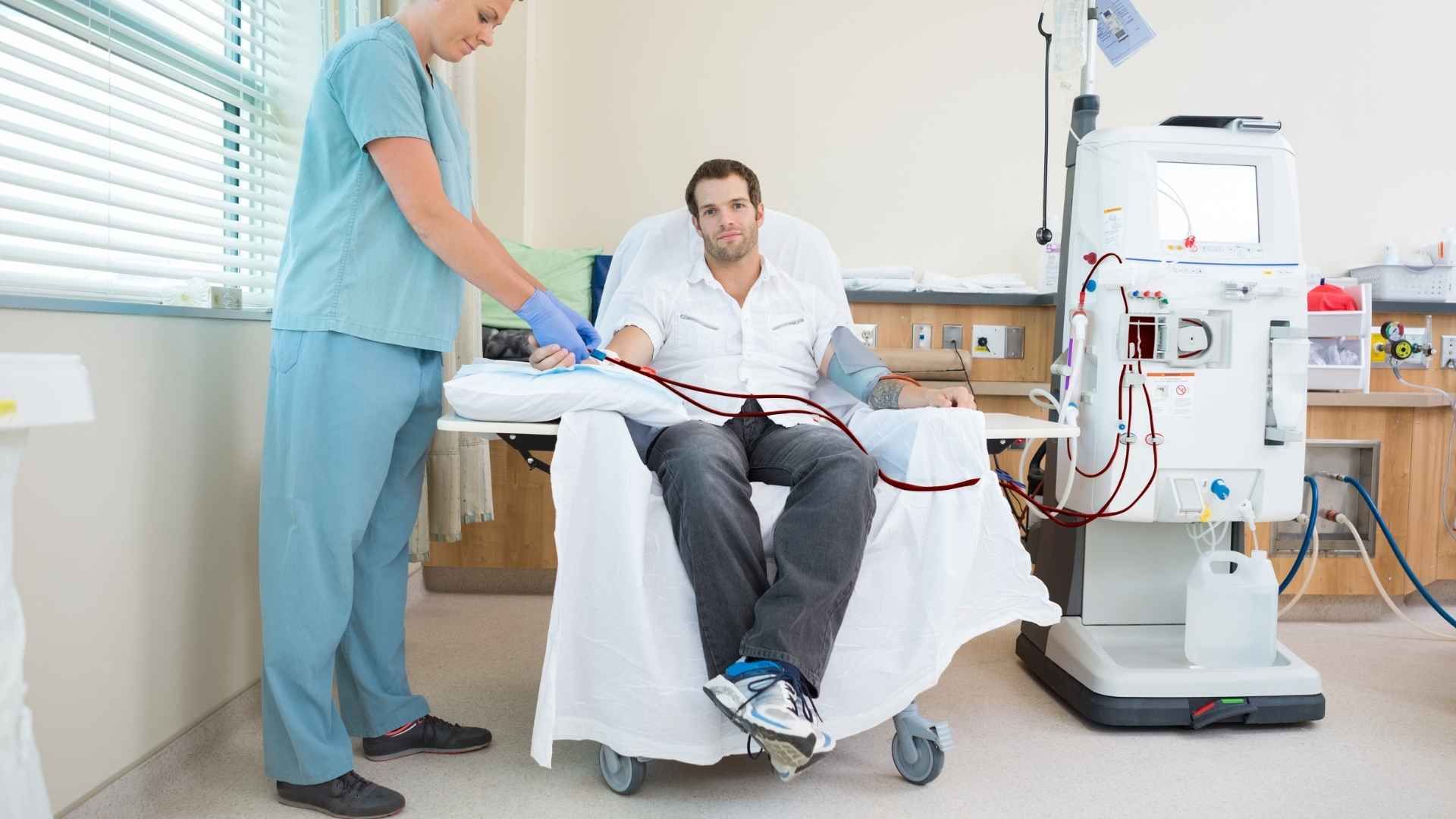
Remicade infusions are an essential part of managing Crohn's disease for many patients. The infusion is administered through an intravenous (IV) line, typically taking about 2 hours to complete. This procedure takes place in a healthcare setting, such as a certified infusion center, where trained healthcare professionals oversee the process. It's crucial for patients to be monitored during and after the infusion to identify any potential adverse reactions.

Initial and maintenance dose schedule

The treatment regimen for Remicade begins with three initial doses. These are usually scheduled at:

  • Week 0
  • Week 2
  • Week 6

After the initial doses, patients receive maintenance infusions every 8 weeks . For those who may not respond adequately to the standard 5 mg/kg dosing, doctors may consider increasing the dosage to 10 mg/kg to enhance efficacy. Discussions about discontinuation of the treatment would be appropriate if there is no significant response by week 14.

Setting for infusion administration

Infusions are generally conducted in comfortable outpatient settings, allowing patients to relax during the process. It's advisable for patients to arrive well-hydrated to improve comfort and ensure a smooth infusion experience. While most patients tolerate Remicade well, discussions about possible side effects —like headaches, respiratory infections, or more serious risks, such as infections—are vital before the treatment begins to ensure informed consent and safety throughout the therapy.

Safety Profile and Side Effects

What are the side effects of infliximab in treating Crohn's disease?

Infliximab, marketed under the brand name Remicade, can lead to a variety of side effects in individuals receiving treatment for Crohn's disease. It's essential for patients and healthcare providers to remain vigilant regarding these potential risks.

Common Side Effects

Patients may experience common side effects such as:

  • Respiratory infections
  • Headaches
  • Stomach pain
  • Infusion-related reactions (e.g., nausea, flushing)

Additionally, there can be delayed allergic reactions affecting different body systems.

Serious Side Effects

On the more concerning end, infliximab can significantly lower the body's ability to combat infections. This risk includes:

  • Reactivation of tuberculosis (TB)
  • Increased susceptibility to systemic infections
  • Potential reactivation of hepatitis B virus
  • Elevated risk of certain cancers, particularly lymphomas

These serious side effects warrant immediate communication with healthcare professionals.

Infection Risk

Due to the immunosuppressive effects of infliximab, the risk of serious infections is heightened. Routine screening for TB and other infections is paramount before initiating treatment. Regular assessments are also critical to catch any emerging complications early.

Monitoring during Treatment

Effective monitoring is integral to safely managing infliximab therapy. Patients should schedule follow-up appointments to discuss any symptoms and undergo pertinent tests, such as blood counts and liver function tests. By maintaining open communication and regular check-ups with their healthcare team, patients can navigate the potential side effects of infliximab effectively.

In summary, while infliximab presents a valuable treatment option for Crohn's disease, the patient safety profile demands a proactive approach to manage side effects and monitor health status effectively.

Precautions and Interactions

What should be avoided while undergoing Remicade treatment?

While undergoing Remicade (infliximab) treatment, patients must be aware of certain precautions to ensure their health and safety. Avoid live vaccines ; this is crucial due to an increased risk of severe side effects and possible infections. Additionally, it is essential to discuss any use of other biologic medications, such as abatacept or anakinra, with a healthcare provider before combining them with Remicade, as they may cause adverse interactions.

Patients who have a history of moderate to severe heart failure should also avoid Remicade, as it can exacerbate their condition. Continuous monitoring for infection symptoms like fever or body aches is vital, and timely reporting of these symptoms to a healthcare team is necessary to prevent complications.

Furthermore, limiting alcohol consumption is advisable, as both Remicade and alcohol can affect liver health, potentially leading to liver damage.

Potential interactions

The interactions of Remicade can be significant. For example, combining it with immunosuppressive agents or other biologics may enhance the risk of opportunistic infections. It’s crucial for patients to maintain an open dialogue with their healthcare providers to manage any potential drug interactions safely.

Recommendations for patients

  • Adhere strictly to the treatment schedule to maximize effectiveness.
  • Stay vigilant for any signs of infection and communicate these to your healthcare provider.
  • Consult your doctor regarding any medications or supplements you plan to take during your Remicade treatment.
  • Attend all scheduled follow-ups for regular monitoring of health status and treatment effectiveness.

Historical Significance of Remicade

How long has Remicade been used for Crohn's disease?

Remicade (infliximab) received FDA approval for the treatment of Crohn's disease on August 24, 1998. As the first tumor necrosis factor-alpha (TNF) inhibitor available for clinical use, it marked a pivotal shift in how autoimmune diseases, particularly Crohn's disease, are managed. Over the past 25 years, Remicade has not only provided an essential therapeutic option for adults but has also been administered to pediatric patients aged six years and older.

Transformations in treatment

Since its introduction, Remicade has transformed treatment practices in inflammatory bowel disease (IBD). Previously limited to corticosteroids and other conventional therapies, patients have seen improved outcomes as Remicade offers a more targeted approach against chronic inflammation. Studies have demonstrated substantial symptom relief and increased rates of clinical remission, providing hope for those who previously faced limited options.

Impact on Crohn’s disease management

The advent of Remicade has profoundly influenced Crohn's disease management. Its ability to effectively block TNF-alpha has allowed for significant advancements in improving patients' quality of life. Moreover, clinical trials have confirmed that Remicade not only reduces symptoms but also helps prevent long-term complications associated with Crohn's disease, such as hospitalizations and the need for surgical interventions. As research into TNF's role continues, Remicade remains an integral part of the evolving landscape of Crohn's treatment.

Remicade in Pediatric Crohn's Disease

Use in Pediatric Patients

Remicade (infliximab) is not only approved for adults but also for children aged 6 years and older with moderately to severely active Crohn's disease. This medication is particularly valuable for young patients who have not found relief with other therapies. In clinical studies, approximately 88% of children treated with Remicade responded positively after the first dose, with about 56% achieving complete remission within a year.

Comparative Effectiveness

When comparing treatment regimens, children receiving Remicade every 8 weeks have shown higher rates of symptom resolution than those on less frequent schedules. Studies demonstrated that 60% of children treated every 8 weeks were free from symptoms after 30 weeks, compared to 35% receiving treatment every 12 weeks. Such results underscore the importance of timely and regular treatment in managing Crohn's disease in pediatric patients.

Safety in Children

While Remicade is generally well-tolerated, healthcare providers emphasize careful monitoring for potential adverse effects in children. Common side effects include fever and allergic reactions, necessitating close observation during and after infusions. Regular assessments for serious infections are essential, especially given the immunosuppressive nature of the therapy. Safety protocols ensure that Remicade’s benefits outweigh the risks for young patients.

Clinical Trials and Research Insights

Major clinical studies

Numerous clinical studies have established the effectiveness of Remicade (infliximab) for treating Crohn's disease, particularly for patients with moderate to severe forms. Key research includes the ACCENT I trial, revealing that 57% of patients achieved a clinical response after receiving an initial 5 mg/kg dose, compared to only 16% in the placebo group.

Findings and outcomes

Results have shown that approximately 60% of patients see a significant improvement in symptoms by Week 2 of treatment. By Week 30, about 40% of those on Remicade reach remission, while only 30% of those not receiving the treatment achieve similar outcomes. Additionally, Remicade has demonstrated the ability to close intestinal fistulas in Crohn's disease patients, with success rates of 68% compared to 26% for placebo.

Future research directions

Ongoing studies continue to explore the long-term benefits and safety of Remicade in diverse patient populations, including children aged 6 years and older. Researchers are focusing on optimizing treatment protocols, including potential dosage adjustments and combination therapies to enhance effectiveness. Monitoring adverse effects and improving patient selection remain critical components of future investigations.

Management of Fistulizing Crohn's Disease with Remicade

Effectiveness in fistulizing disease

Remicade (infliximab) has shown significant success in treating fistulizing Crohn’s disease, which is characterized by the presence of abnormal connections (fistulas) in the gastrointestinal tract. In clinical studies, approximately 68% of patients treated with Remicade reported improvement in fistulas compared to 26% of those receiving a placebo, indicating its effectiveness in facilitating the healing process.

Comparison with other treatments

When comparing Remicade to traditional treatments, it stands out due to its targeted mechanism of action at the TNF-alpha pathway. Conventional treatments, such as corticosteroids, may not adequately address the underlying inflammation in fistulizing Crohn's disease. As a result, patients on Remicade often experience a much higher closure rate of fistulas, along with reduced pain and drainage.

Case study insights

In a clinical study focusing on pediatric patients, nearly 88% demonstrated a positive response to Remicade within the first ten weeks, with a notable percent also achieving remission over a year. This reinforces the medication's potential across different age groups, making it a valuable option in a comprehensive treatment plan for fistulizing Crohn's disease.

Broader Implications for Autoimmune Treatment

Impact on Treatment Strategies

The introduction of Remicade (infliximab) has significantly shifted treatment approaches for autoimmune conditions, such as Crohn's disease. By selectively targeting TNF-alpha, it has become an essential option for patients who do not respond well to conventional therapies, allowing for a structured and targeted treatment protocol.

Advancements in Immunotherapy

Remicade's effectiveness illustrates the advancements in immunotherapy, where biologic medications have transformed how clinicians manage chronic autoimmune diseases. The ability to achieve clinical remission and improved quality of life for patients highlights the importance of tailored therapies in medicine.

Comparative Therapies

While Remicade remains a cornerstone for treating Crohn's disease, other therapies also play important roles. Options like corticosteroids or other immunosuppressants may still be utilized, especially as first-line treatments. However, the clear benefits of biologics like Remicade in modulating the immune response provide a compelling case for their use in more severe and resistant cases.

Therapy Type Mechanism Patient Response Rate
Remicade (Infliximab) Blocks TNF-alpha to reduce inflammation Up to 60% by 2 weeks
Corticosteroids Suppress overall immune response Variable, often limited long-term
Other Biologics Target other inflammatory pathways Potentially similar outcomes

Remicade's success has influenced ongoing research into additional therapies for autoimmune diseases, emphasizing the necessity for continued innovation in treatment strategies.

Remicade: A Vital Tool in Crohn’s Disease Management

Remicade has proven to be a cornerstone in the treatment of Crohn's disease, particularly for those who have not responded to traditional therapies. Its targeted mechanism, based on inhibiting TNF-alpha, not only offers symptom relief but also the possibility of remission, profoundly impacting patients' lives. Despite the need for careful monitoring due to potential side effects, its role in setting new standards for remission and quality of life in chronic inflammatory disorders is undeniable. As ongoing research continues to refine and expand its applications, Remicade remains a prime example of how biotechnology can address complex autoimmune challenges. For patients and clinicians alike, understanding and utilizing this therapy effectively will remain a top priority in the struggle against Crohn’s disease.

References

What Is Sterile Compounding and Why Does It Matter for IV Therapy?
May 19, 2026
When a patient needs a medication that is not commercially available in the right dose, formulation, or combination, a sterile compounding pharmacy creates it. Sterile compounding is the process of preparing customized, injectable or infusible medications, IV solutions, eye drops, inhalation solutions, in a controlled, contamination-free environment. Pharmko's sterile compounding services are at the core of what makes specialty pharmacy different from a retail pharmacy. Every IV medication we prepare is custom-compounded, validated, and released by a licensed pharmacist before it reaches a patient. What Makes Compounding 'Sterile'? The word 'sterile' refers to the absence of viable microorganisms, bacteria, fungi, endotoxins, in the final product. This is non-negotiable for any medication injected into or infused through the body. A contaminated IV solution can cause severe bloodstream infections, sepsis, or death. Achieving sterility requires: A controlled cleanroom environment (ISO Class 5 or better at the point of compounding) Positive or negative air pressure depending on the type of medication being prepared Gowning, gloving, and aseptic technique by trained pharmacy staff Validated sterilization methods (filtration, terminal sterilization) appropriate for each formulation Environmental and personnel monitoring to detect contamination risks before they reach patients How Sterile Compounding Differs from Retail Pharmacy A retail pharmacy dispenses commercially manufactured medications in their existing forms — tablets, capsules, pre-made liquids. A sterile compounding pharmacy like Pharmko creates medications that either do not exist commercially, are no longer commercially available, or must be customized for a specific patient. Examples of why sterile compounding is necessary: A patient needs a specific antibiotic concentration not available in commercial vials TPN must be formulated individually based on the patient's weight, labs, and nutritional requirements — no pre-made product covers every case A pediatric patient needs a lower concentration of an IV medication than any commercial product offers IV antibiotics must be prepared in specific volumes and concentrations for OPAT patients based on the prescribed regimen What Is USP <797>? USP <797> is the United States Pharmacopeia chapter that sets the standards for sterile compounding. It defines the environmental requirements, beyond-use dating, testing, personnel training, and quality systems that a pharmacy must maintain to legally compound sterile preparations. Compliance with USP <797> is required by state pharmacy boards and enforced through inspections. Not all compounding pharmacies meet these standards — patients and providers should verify that any pharmacy preparing IV medications is operating in full USP <797> compliance. For a detailed breakdown of what USP <797> and the newer USP <800> standard mean for patient safety, see our guide on sterile compounding safety standards . How Pharmko's Compounding Process Works Pharmko operates a state-of-the-art USP <797> compliant sterile compounding facility. Every product we prepare goes through: Pharmacist review of the prescription for appropriateness, compatibility, and dosing Preparation by trained pharmacy technicians in an ISO Class 5 laminar airflow workbench or biological safety cabinet In-process and final product checks by a licensed pharmacist Sterility testing or filtration validation where required Cold-chain delivery to the patient or dialysis clinic within validated stability windows Why It Matters for Home Infusion Patients Every IV therapy delivered through Pharmko's home infusion services is compounded in our sterile facility. This means patients at home receive the same quality-controlled, pharmacist-verified products they would receive in a hospital — not medications assembled at the bedside or sourced from uncredentialed suppliers. → Contact Pharmko to learn more about our compounding services: 1-877-540-2003
Home Infusion Therapy in Florida
May 19, 2026
Pharmko provides home infusion therapy across Florida, IV antibiotics, IVIG, TPN, IDPN, and specialty medications. Licensed, accredited, and available 24/7 statewide.
Home Infusion Therapy in Texas
May 19, 2026
Pharmko provides home infusion therapy across Texas — IV antibiotics, IVIG, TPN, IDPN, and specialty medications. Licensed, accredited, and available 24/7 statewide.
 Phosphate Binders for Dialysis Patients
May 12, 2026
Learn how phosphate binders work for dialysis and CKD patients, the different types available, how they fit into a renal care plan, and how Pharmko supports dialysis centers with consistent supply.
 Home Infusion for Autoimmune Diseases
May 7, 2026
Learn how home infusion therapy supports autoimmune disease management,from IVIG for immune deficiencies to biologic infusions for inflammatory conditions. Pharmko serves 22+ states.
Subcutaneous vs IV Infusion: Which Delivery Route Is Right for Your Therapy
May 4, 2026
Learn the differences between subcutaneous and IV infusion delivery routes,how each works, which therapies use them, and how to choose the right option for your treatment.
Milrinone Infusion at Home for Heart Failure: Patient Guide and Safety Overview
April 23, 2026
Learn how home milrinone infusion works for advanced heart failure patients, who qualifies for palliative milrinone therapy, what to expect, and how Pharmko supports safe at-home cardiac care.
Home Infusion for Crohn's Disease: Remicade, Biologics, and What Patients Should Know
April 23, 2026
Learn how home infusion therapy for Crohn's disease works, including Remicade (infliximab) and other biologics. Who qualifies, what each infusion involves, and how Pharmko supports ongoing care.
Malnutrition in Hemodialysis Patients: Signs, Risks, and When IDPN Is Needed
April 23, 2026
Malnutrition affects up to 75% of hemodialysis patients. Learn to recognize protein-energy wasting, understand when IDPN is clinically indicated, and how Pharmko supports renal nutrition management.
IDPN Therapy: Who Qualifies, How It Works, and What to Expect
April 23, 2026
Learn how intradialytic parenteral nutrition (IDPN) works, who qualifies based on albumin levels and nutritional status, and how Pharmko delivers IDPN for dialysis patients.
Show More