
How to Prevent Infections in Patients Receiving TPN

August 25, 2025

Understanding TPN and Its Infection Risks

Total Parenteral Nutrition (TPN) is a vital medical procedure for patients who cannot intake nutrition through the gastrointestinal tract. While it plays a crucial role in maintaining nutritional balance, TPN administration is fraught with the risk of infections, particularly blood stream infections. This article explores the best practices, protocols, and strategies to mitigate these risks and promote patient safety during TPN therapy.

Best Practices for Sterile TPN Administration

Importance of Hand Hygiene

Hand hygiene is the first line of defense against infections, especially in patients receiving total parenteral nutrition (TPN). Healthcare providers and caregivers must wash their hands thoroughly before handling TPN solutions and equipment.

Hand-Washing Procedures

Proper hand-washing includes using antibacterial liquid soap, scrubbing for at least 20 seconds, and drying with a clean towel. It is critical to avoid touching non-sterile surfaces after washing to maintain cleanliness.

Sterile Equipment Usage

Using sterile equipment during TPN administration is essential to prevent contamination. Prior to setting up TPN, ensure that all tools are sterilized and in proper condition.

TPN Bag Preparation

TPN bags should be refrigerated when not in use and brought to room temperature at least 2 to 4 hours before administration to maintain their integrity. Always inspect TPN bags for expiration dates, leaks, or cloudiness to prevent complications.

Aseptic Preparation Techniques

Aseptic techniques should be employed during the preparation and administration of TPN. Clean the work area and disinfect surfaces before setup and use maximal sterile barrier precautions during catheter insertion.

Safe Administration Practices

When administering TPN, carefully monitor and follow prescribed doses and infusion rates to avoid rapid changes in fluid balance, which can lead to complications.

What precautions should be taken during TPN administration?

During TPN administration, it is essential to follow your doctor's specific instructions regarding dosage and frequency. Always wash your hands before handling TPN solutions and supplies to prevent infection. Ensure that the TPN solution is stored in the refrigerator and allowed to reach room temperature prior to administration; never microwave it. Check the TPN bags for expiration dates, leaks, or discoloration before use, and dispose of any used IV supplies safely. Monitor for any signs of infection at the IV site, sudden weight changes, or feeling faint, and contact your healthcare provider immediately if any concerning symptoms arise.

Understanding and Preventing TPN Complications

How can TPN complications be prevented?

Managing and preventing complications associated with total parenteral nutrition (TPN) requires a comprehensive approach. Here are some essential practices:

  • Infection Control : Implement strict aseptic techniques during catheter insertion and maintenance. Regular dressing changes and proper cleaning of catheter hubs with chlorhexidine reduces microbial contamination, effectively lowering infection rates.

  • Monitoring Metabolic Imbalances : Regular blood work is critical to prevent issues like refeeding syndrome. Pay particular attention to electrolyte levels such as potassium, phosphate, and magnesium to avoid severe complications.

  • Fluid Management : Monitor fluid intake and output closely to prevent fluid overload conditions. Adjust TPN infusion rates gradually and assess vital signs regularly to maintain patient safety.

  • Liver and Gallbladder Function : Periodic evaluation of liver function tests can help identify any potential dysfunction early on, allowing for timely interventions.

  • Education and Team Coordination : Ensuring healthcare providers are well-educated on TPN protocols and guidelines significantly diminishes the risks associated with TPN therapy. Team coordination enhances adherence to infection prevention strategies and other clinical practices.

By prioritizing these strategies, patients on TPN can experience safer nutritional therapy, reducing the incidence of complications.

Nursing Roles in Supporting TPN Patients

What nursing interventions support patients receiving TPN?

Nursing interventions that support patients receiving Total Parenteral Nutrition (TPN) focus on maintaining patient safety and optimizing nutritional delivery. One of the primary responsibilities is verifying the appropriateness of TPN therapy, which includes ensuring that the method of administration is suitable for the patient's condition.

Preparation of the TPN solution must adhere to strict aseptic techniques to prevent contamination. This is crucial as infections are significant complications associated with TPN. Continuous monitoring of the patient’s nutritional status is vital; this includes checking vital signs frequently to assess fluid balance and detect any potential complications such as hyperglycemia or electrolyte imbalances. Regular assessment of blood glucose levels is essential, especially given the high dextrose content of TPN solutions.

Additionally, liver function tests should be routinely conducted to evaluate any adverse effects of TPN on liver health. Patient education is another critical aspect, as nurses should inform patients about the implications of TPN therapy, emphasizing the importance of adherence to the nutritional plan.

Nurses also play a crucial role in collaborating with the healthcare team, including dietitians, to tailor individualized nutritional support based on each patient’s specific needs. Providing clear guidelines and support helps ensure better outcomes and reduces the risk of complications.

TPN Caloric Intake and Infection Risks

Why does TPN potentially increase the risk of infection?

Total parenteral nutrition (TPN) potentially increases the risk of infection primarily due to the high caloric intake associated with its use. Research shows that the caloric load is a significant factor in bloodstream infection (BSI) development. In fact, a study monitored hospitalized patients and found that those who developed BSIs received an average of 36 kcal/kg/day compared to 31 kcal/kg/day for their counterparts without infections. This indicates that higher caloric intake contributes to infection susceptibility in TPN patients.

Interestingly, while maximum blood glucose levels were similar across both groups, the key takeaway is that caloric overload—and not hyperglycemia—remains an independent risk factor for BSIs. Furthermore, the risk escalates in critically ill patients; the incidence of BSIs in patients in intensive care units was notably high, demonstrating their increased vulnerability.

BSI risk factors in TPN patients

The risk factors for developing BSIs during TPN extend beyond caloric intake. They include:

  • Poor catheter care : Lack of meticulous hygiene increases the likelihood of infection.
  • Weakened immune systems : Conditions such as diabetes or cancer heighten susceptibility.
  • Prolonged need for vascular access : Longer durations with catheters correlate with higher infection risks.

Understanding these risks is vital for healthcare providers. Evidence suggests that proper education on TPN use can drastically decrease infection rates, emphasizing the need for protocol adherence and meticulous care practices. Reducing caloric intake should be considered part of an integrated approach to safeguarding TPN patients from serious complications.

Clinical Approaches to Reduce CLABSI in TPN Therapy

CLABSI Prevention Strategies

Central Line-Associated Bloodstream Infections (CLABSI) present significant risks for patients on Total Parenteral Nutrition (TPN). Effective strategies are essential to mitigate these risks. Recommendations for preventing CLABSI include:

  • Regular Dressing Changes : Dressing should be changed per institutional protocol, ensuring the site is kept clean and dry.
  • Daily Site Inspection : Patients’ catheter sites should be closely monitored for signs of infection, such as redness or swelling.
  • Hand Hygiene : Healthcare providers must adhere to stringent hand hygiene protocols before and during TPN procedures.
  • Education Initiatives : Comprehensive training for healthcare staff on TPN setup and infection prevention can significantly reduce complications.

Antimicrobial Dressing Use

Utilizing specific antimicrobial dressings can help in reducing infection rates related to TPN. Specifically, chlorhexidine-impregnated dressings have shown effectiveness in minimizing catheter colonization, local infections, and overall CLABSI rates. For example:

Dressing Type Impact on Infection Rates Notes
Chlorhexidine-impregnated Dressings Decreased infection rates substantially, up to 49%. Recommended for TPN patients.
Standard Dressings Higher rates of colonization and infection compared to antimicrobial Less effective in prevention.

Incorporating these proactive strategies within a structured care protocol can lead to substantial improvements in patient outcomes, ultimately reducing the incidence of CLABSI in TPN therapy.

Educational Needs in TPN Administration

Knowledge Gap in Healthcare Providers

A significant knowledge gap exists among healthcare professionals regarding total parenteral nutrition (TPN) administration. A survey indicated only 37% of nurses were familiar with proper TPN setup. This lack of awareness extends to critical aspects of TPN management, such as signs of infection and adherence to maintenance protocols.

Training and Protocol Adherence

To address these gaps, effective training programs are essential. Nurses and other staff must be educated on infection control practices and best protocols to minimize complications. Regular training, along with direct observation, has shown promising results in decreasing infection rates associated with TPN administration.

By implementing systematic education programs, healthcare facilities can ensure safe and effective TPN therapy, ultimately minimizing risks like central line-associated bloodstream infections (CLABSI).

Topic Findings Recommendations
Knowledge Gap 37% of nurses aware of TPN setup Implement regular training
Training Impact Reduced infection rates observed Direct observation for practice
Protocol Adherence Essential for patient safety Standardized care protocols

Aseptic Techniques and Device Choices in TPN

Importance of Chlorhexidine in TPN

Chlorhexidine is a powerful antiseptic that plays a crucial role in reducing infection rates during total parenteral nutrition (TPN) administration. Utilization of a 2% chlorhexidine solution prior to catheter insertion is recommended as it significantly lowers microbial contamination. In addition, post-insertion, using chlorhexidine-impregnated dressings helps decrease the incidence of catheter-related bloodstream infections (CR-BSI) by up to 49% . These measures not only enhance sterilization processes but also contribute to overall patient safety.

Device Selection: Single vs. Multi-Lumen Catheters

When choosing catheter types for TPN, the preference for single-lumen Hickman catheters over multi-lumen catheters is strongly endorsed. Single-lumen options present a reduced risk of infection, largely due to simplified management and fewer entry points for pathogens. Multi-lumen catheters, while providing versatility for different infusions, can inadvertently increase infection risks through multiple lumens being exposed to potential contamination.

Table summarizing infection prevention strategies:

Strategy Description Impact
Chlorhexidine Application Pre- and post-catheter insertion cleaning with 2% Reduces contamination and infection rates by 49%
Single-Lumen Catheters Preferred choice over multi-lumen for TPN Decreases risk of CR-BSI due to fewer access points
Aseptic Technique Observance Following strict aseptic methods during procedures Minimizes infection likelihood significantly

By adhering to these practices, healthcare providers can greatly mitigate the risk of infections and improve outcomes for patients needing TPN.

Conclusion: Enhancing Patient Safety in TPN

Infections remain a significant risk in TPN therapy, but these can be substantially reduced through meticulous attention to aseptic techniques, careful monitoring of caloric intake, and comprehensive education for healthcare providers. By adhering to established guidelines and protocols, healthcare teams can significantly lower infection rates and enhance overall patient safety during TPN administration.

References

Person living with end stage renal disease going about an ordinary morning at home
September 1, 2026
Straight answers to what people on dialysis ask most: nutrition, phosphate, energy, travel, and the emotional weight of ongoing treatment.

Handwritten list of questions prepared for a dialysis appointment about IDPN therapy
September 1, 2026
The questions worth bringing to your nephrologist or dietitian before starting intradialytic parenteral nutrition, grouped and ready to print.

Adult daughter and her mother reviewing a delivery schedule together in the kitchen at home
September 1, 2026
A practical guide for caregivers: what your role is, what the pharmacy can share with you, what to keep track of, and how to protect your own energy.

Family sharing a meal at home while one member on parenteral nutrition joins the table
September 1, 2026
Whether you can eat on parenteral nutrition, why appetite and taste change, and how to handle meals with family while receiving IV nutrition.
Suitcase packed with a small cooler and paperwork for traveling while on parenteral nutrition
August 31, 2026
How to plan a trip on TPN or home parenteral nutrition: supplies, refrigeration, air travel documentation, and how far ahead to call your pharmacy.
Home delivery of TPN supplies unpacked on a kitchen table during the first week of therapy
August 31, 2026
A day-by-day look at starting total parenteral nutrition at home: the first delivery, the first infusion, night one, and when to call for help.
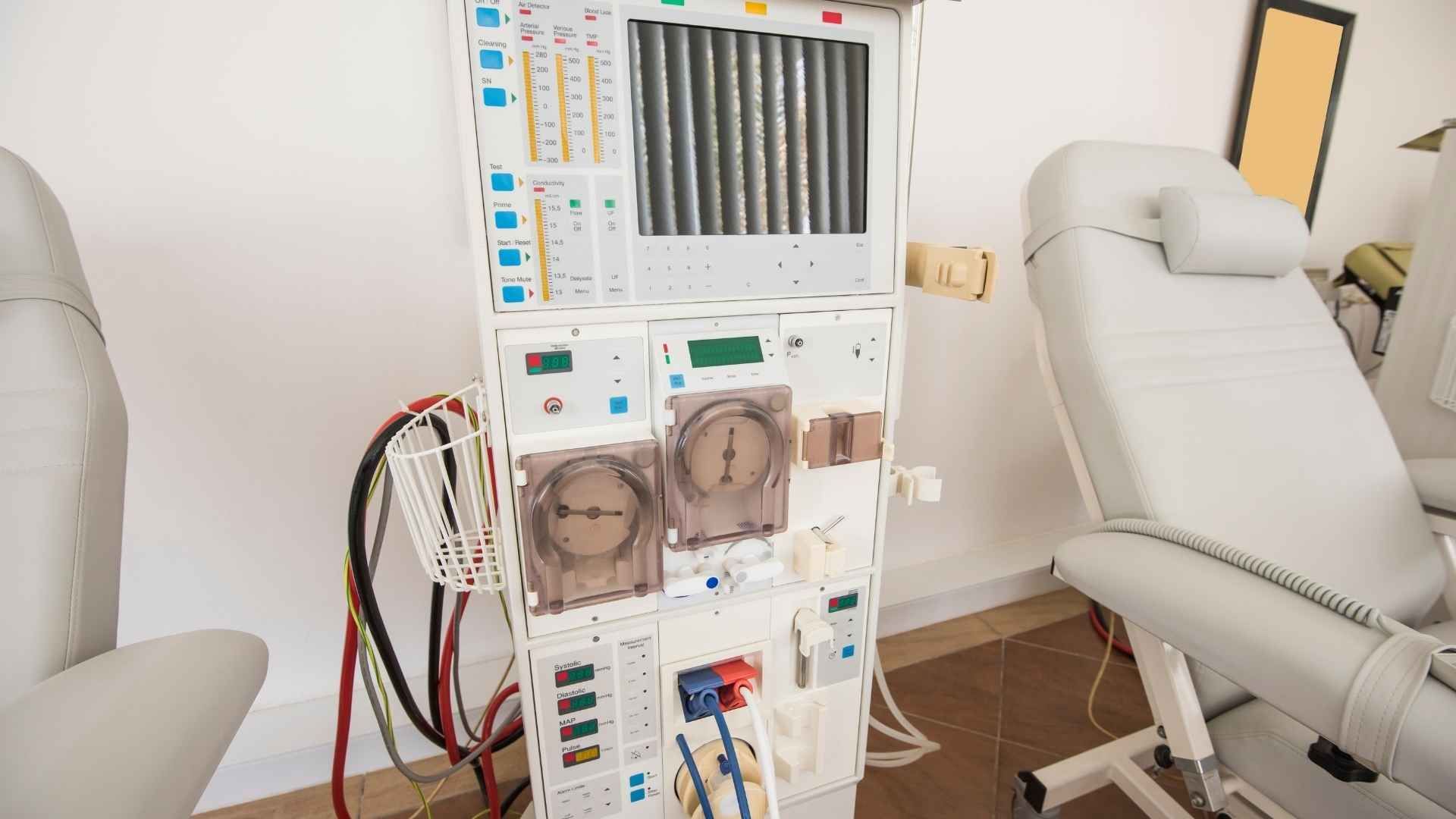
Dialysis center staff coordinating phosphate binder supply with a pharmacy partner
August 11, 2026
What dialysis centers should look for in a phosphate binder supply partner: reliable delivery, formulary breadth, insurance support, and coordination.
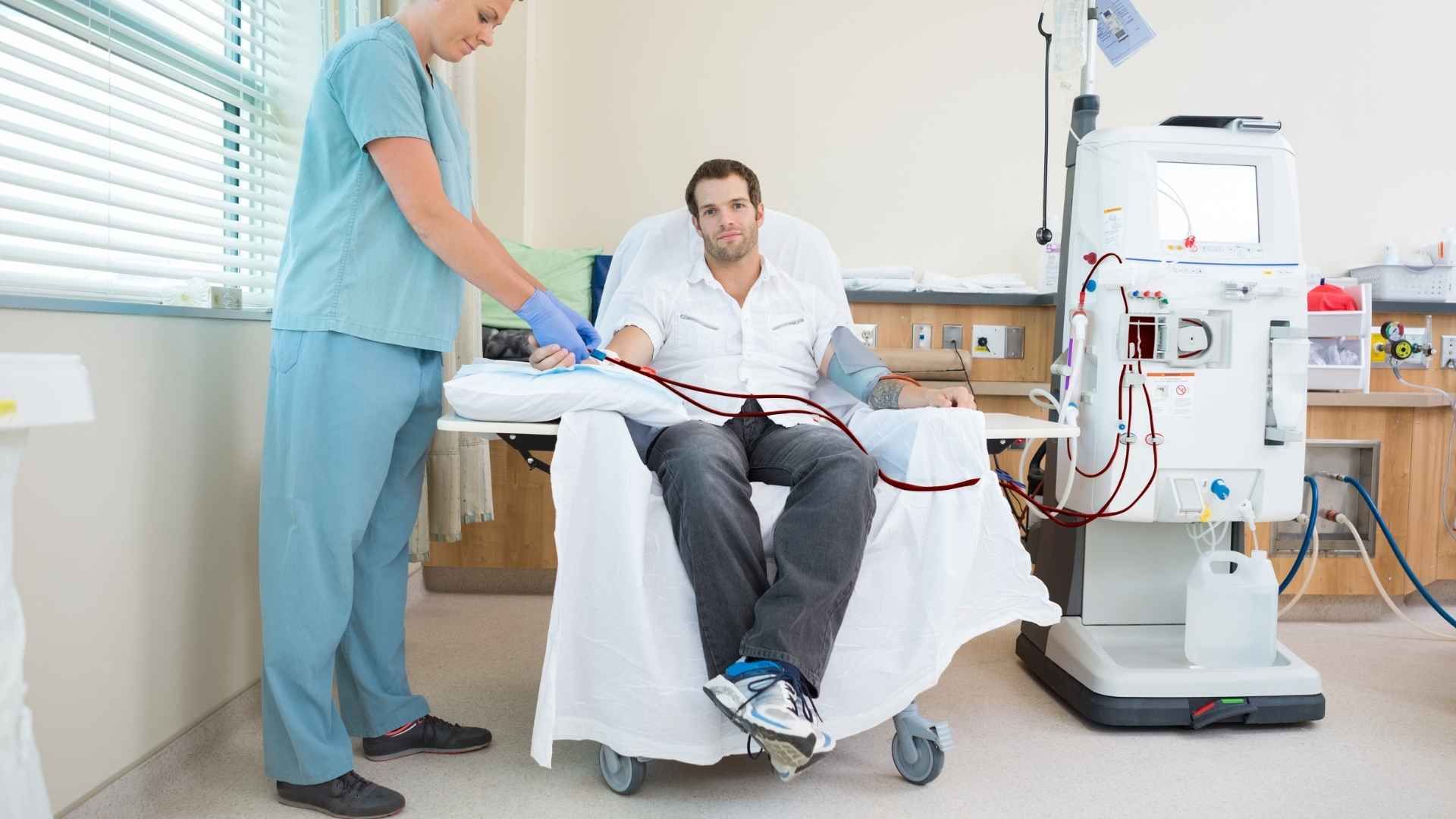
Renal dietitian reviewing phosphate levels with a dialysis patient
August 11, 2026
How hyperphosphatemia is managed in ESRD dialysis patients, diet, dialysis, and phosphate binders, and why reliable binder supply keeps therapy on track.

July 29, 2026
Compounded medications are a routine part of modern care, but unlike mass-manufactured drugs, each one is prepared individually, which means the standards behind its preparation carry real weight. For providers who order or refer for compounded therapies, a working understanding of those standards is the clearest way to judge whether a pharmacy is safe to trust. This overview covers the standards that govern sterile compounding and what they mean for the medications your patients receive. Why Standards Matter More in Compounding A commercially manufactured drug is produced under FDA oversight in large, validated batches. A compounded medication is prepared for an individual patient, often in small quantities, sometimes because no commercial equivalent exists. That flexibility is exactly why it's clinically valuable — and why the standards around preparation exist. Without rigorous controls, the same customization that helps patients could introduce contamination or error. Our guide to our sterile compounding pharmacy describes how those controls come together in practice. The Regulatory Landscape Sterile compounding sits within a layered framework: The United States Pharmacopeia (USP) publishes the general chapters, most importantly <797> and <800>, that define how compounded preparations should be made and handled. State boards of pharmacy license and inspect pharmacies, including where they're permitted to ship. Multi-state operations must maintain licensure in each state they serve. Accreditation bodies (ACHC, NABP, PCAB) provide independent verification that a pharmacy meets recognized standards. Together, these create the accountability structure behind every compounded dose. USP <797>: Sterile Preparations USP <797> is the cornerstone standard for compounded sterile preparations. It governs the conditions and practices required to keep a preparation free of contamination, including personnel training and garbing, ISO-classified air quality and engineering controls, environmental monitoring, and beyond-use dating. For any medication infused directly into the body, <797> compliance is the baseline expectation, not a premium feature. USP <800>: Hazardous Drugs USP <800> adds a containment layer for hazardous drugs, protecting personnel, patients, and the environment from unintended exposure. It specifies containment engineering controls, PPE, and validated handling procedures for drugs identified as hazardous. When a preparation is both sterile and hazardous, it must satisfy <797> and <800> together. For the details, see our breakdown of USP <800> requirements . Accreditation: Independent Verification Standards are only meaningful if someone checks that they're being met. Accreditation from ACHC, NABP, and PCAB means a pharmacy has been inspected against national benchmarks by an outside authority. For a provider, accreditation is a shortcut to confidence: it signals that the pharmacy's claims about its processes have been independently validated. The Quality-Control Process Behind the standards is a repeatable process that governs each preparation: Pharmacist review of the prescription for appropriateness, compatibility, and dosing Preparation by trained technicians under aseptic conditions In-process and final verification by a licensed pharmacist Sterility testing or filtration validation where required This chain is what turns a standard on paper into a safe medication in a patient's hands. What This Means When You Order When you refer a patient for a compounded therapy, you're effectively extending your own standard of care into another facility. Knowing that a pharmacy is USP-compliant, accredited, and pharmacist-led lets you refer with confidence that the medication will meet the same expectations you'd hold for anything you administer yourself. If you're weighing options, our guide on how to choose a compounding partner walks through the criteria. The Pharmko Standard Pharmko compounds every TPN, IDPN, and IPN preparation in a USP <797>-compliant, ISO Class 5 cleanroom, under ACHC, NABP, and PCAB accreditation, with a licensed pharmacist reviewing and releasing each formula. For the patients who receive our preparations, many of them managing End Stage Renal Disease (ESRD), that standard is the point. Refer a Patient → · [1 (877) 540-2003]
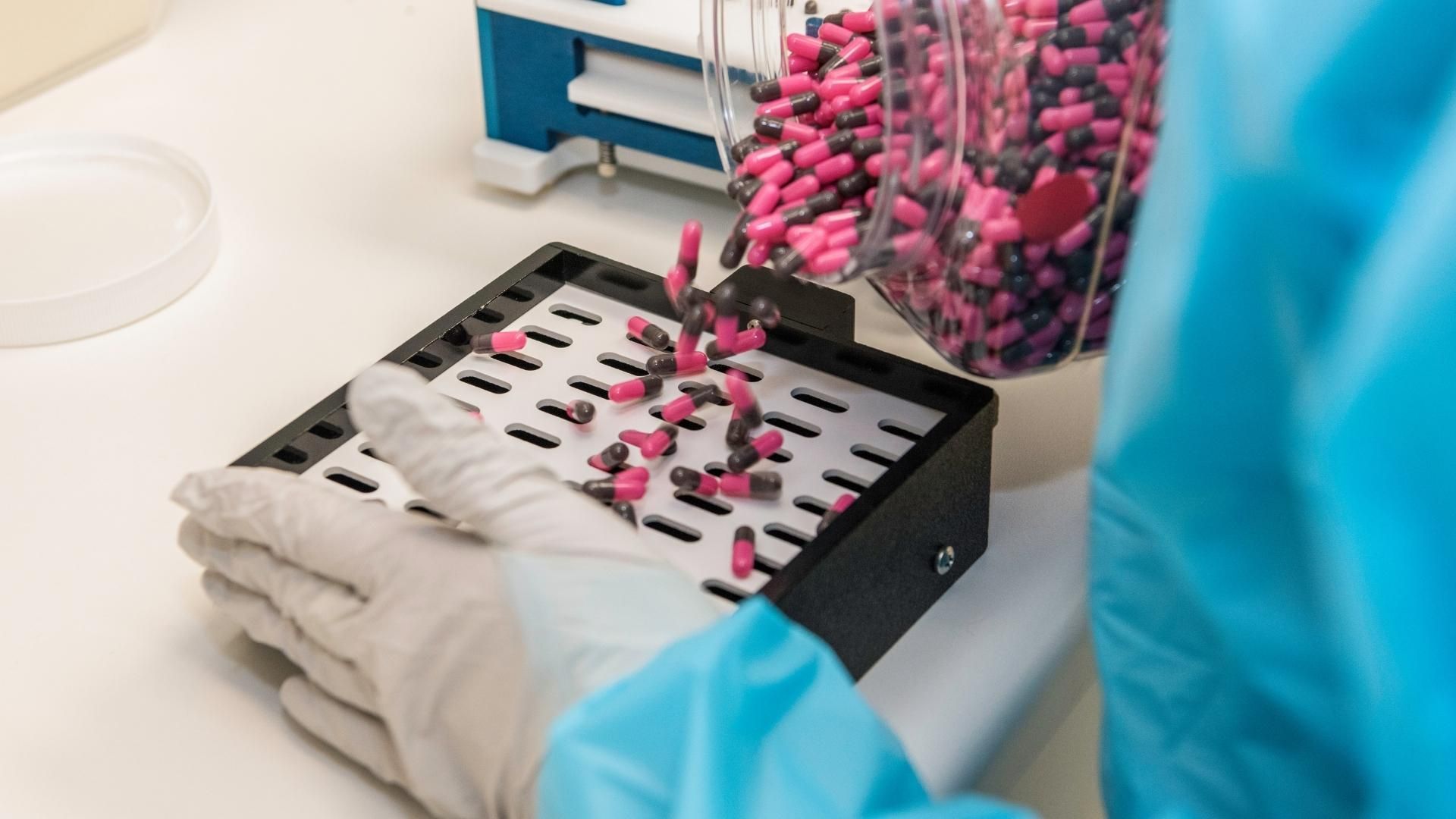
Physician evaluating a sterile compounding pharmacy partner
July 29, 2026
How to evaluate a sterile compounding pharmacy: accreditation, USP compliance, clinical support, turnaround, and the questions every practice should ask.

Show More