
How to qualify for TPN services

August 25, 2025

Exploring TPN Services

Total Parenteral Nutrition (TPN) is a life-sustaining therapy for individuals with severe gastrointestinal impairments. It provides essential nutrients directly into the bloodstream, bypassing the digestive system. Given its critical nature, qualifying for TPN services, especially under Medicare, involves meeting stringent medical criteria and documentation requirements. This article delves into the conditions that necessitate TPN, the qualifications needed, and the administrative processes involved in accessing these services, particularly in a home setting.

Conditions Necessitating TPN

What conditions might require Total Parenteral Nutrition (TPN)?

Total Parenteral Nutrition (TPN) is essential for patients with conditions where the gastrointestinal system fails to adequately process food. Some key medical conditions necessitating TPN include:

  • Short Bowel Syndrome : A condition following extensive bowel resection, impairing nutrient absorption.
  • Severe Crohn's Disease : When inflammation and damage to the intestines prevents effective absorption of nutrients.
  • Bowel Obstructions : Blockages that inhibit normal digestive processes.
  • Gastrointestinal Cancers : Tumors that affect the digestive tract's function, leading to malnutrition.
  • Gastrectomy : Surgical removal of part or all of the stomach affects the ability to digest.
  • Fistulas : Abnormal connections between the intestine and other organs can disrupt nutrient absorption.
  • Malnutrition : Severe nutrient deficiencies that cannot be corrected via oral or enteral feeding.

TPN delivers a customized mixture of carbohydrates, amino acids, fats, and vitamins directly into the bloodstream through an IV, ensuring proper nourishment for those unable to eat normally. This method not only maintains metabolic health but can also assist in transitioning patients back to oral feeding, improving their quality of life with comprehensive nutritional support.

Qualifying for TPN Services

Eligibility criteria for TPN

To qualify for Total Parenteral Nutrition (TPN), patients must meet specific criteria as outlined under Medicare guidelines and other regulations. Generally, eligibility hinges on the presence of a permanently impaired gastrointestinal system. This includes conditions such as:

  • Short bowel syndrome
  • Crohn's disease
  • Radiation enteritis
  • Intestinal pseudo-obstruction
  • Severe malnutrition due to diseases like cancer or anorexia.

Patients may also qualify if their gastrointestinal systems cannot process food adequately after major surgeries. The need for TPN should be documented, showing that alternative feeding methods like enteral nutrition have either been ineffective or inappropriate.

Key qualifications for medical necessity

For TPN to be deemed medically necessary, the patient's medical records must include:

  • Evidence of a significant gastrointestinal condition affecting nutrient absorption.
  • Details that justify the use of TPN, including unsuccessful trials of enteral nutrition and the rationale behind selecting TPN instead.
  • Demonstration of nutritional insufficiency, illustrated by weight loss exceeding 10% of ideal body weight or low serum protein levels.

In summary, qualifying for TPN involves comprehensive documentation, ongoing monitoring, and the necessity for a tailored intravenous nutrition solution based on the patient's health status and specific needs.

Medicare TPN Eligibility Requirements

Medicare coverage for TPN

Total Parenteral Nutrition (TPN) services are provided under Medicare, specifically as part of the Prosthetic Device benefit. To qualify, patients must demonstrate that they have a permanent impairment affecting their gastrointestinal system. This impairment is generally linked to the inability to absorb nutrition effectively or motility disorders impacting digestion.

The medical necessity for TPN must extend for at least 90 days , during which conditions should be clearly documented. Patients require a thorough medical evaluation to rule out the possibility of entering nutrition, which includes conducting a trial and providing objective evidence supporting the need for TPN.

Documentation for Medicare eligibility

Documentation plays a vital role in securing Medicare coverage for TPN. A physician's written order is essential, confirming the permanence of the gastrointestinal impairment and the necessity for intravenous feeding. The medical record should include:

  • Specific details about the patient's gastrointestinal condition .
  • Any trials conducted with enteral feeding showing ineffectiveness.
  • The anticipated length of nutritional support needed, supported by laboratory results and additional assessments.

Claims must adhere to Medicare's regulatory requirements, including the appropriate modifiers to ensure compliance. Proper submissions ensure seamless coverage and support for patients needing TPN services.

Documentation Needed for TPN Qualification

What types of documents are needed to justify qualification for TPN services?

To justify qualification for Total Parenteral Nutrition (TPN) services, a range of comprehensive documentation must be submitted. Central to this documentation is evidence from medical records highlighting a significant impairment in nutrient absorption caused by medically recognized conditions affecting the small intestine or gastrointestinal motility disorders.

The treating practitioner plays a vital role by documenting that enteral nutrition has been considered, with strong rationale showing that it was either ineffective or contraindicated for the patient.

Additionally, key documents include:

  • Standard Written Order (SWO) : A formal order for TPN therapy, signed by the prescribing provider, outlining necessary treatments.
  • Certificate of Medical Necessity (CMN) : This must also be signed by the physician detailing the medical necessity for the TPN.
  • Detailed Prescription : It should specify the components of the TPN therapy, tailored to the patient’s nutritional requirements.

Other supportive materials that must be included are:

  • History and Physical Reports : Comprehensive details covering the patient's medical history.
  • Progress Notes : These should reflect ongoing assessments and progress related to TPN therapy.
  • Lab Results : Up-to-date laboratory findings form a crucial part of verifying the patient’s condition.

Regular evaluations and updates on the anticipated length of TPN need, along with justifications for various treatment decisions, are essential for maintaining continuing coverage eligibility.

Administering TPN at Home

How is TPN administered?

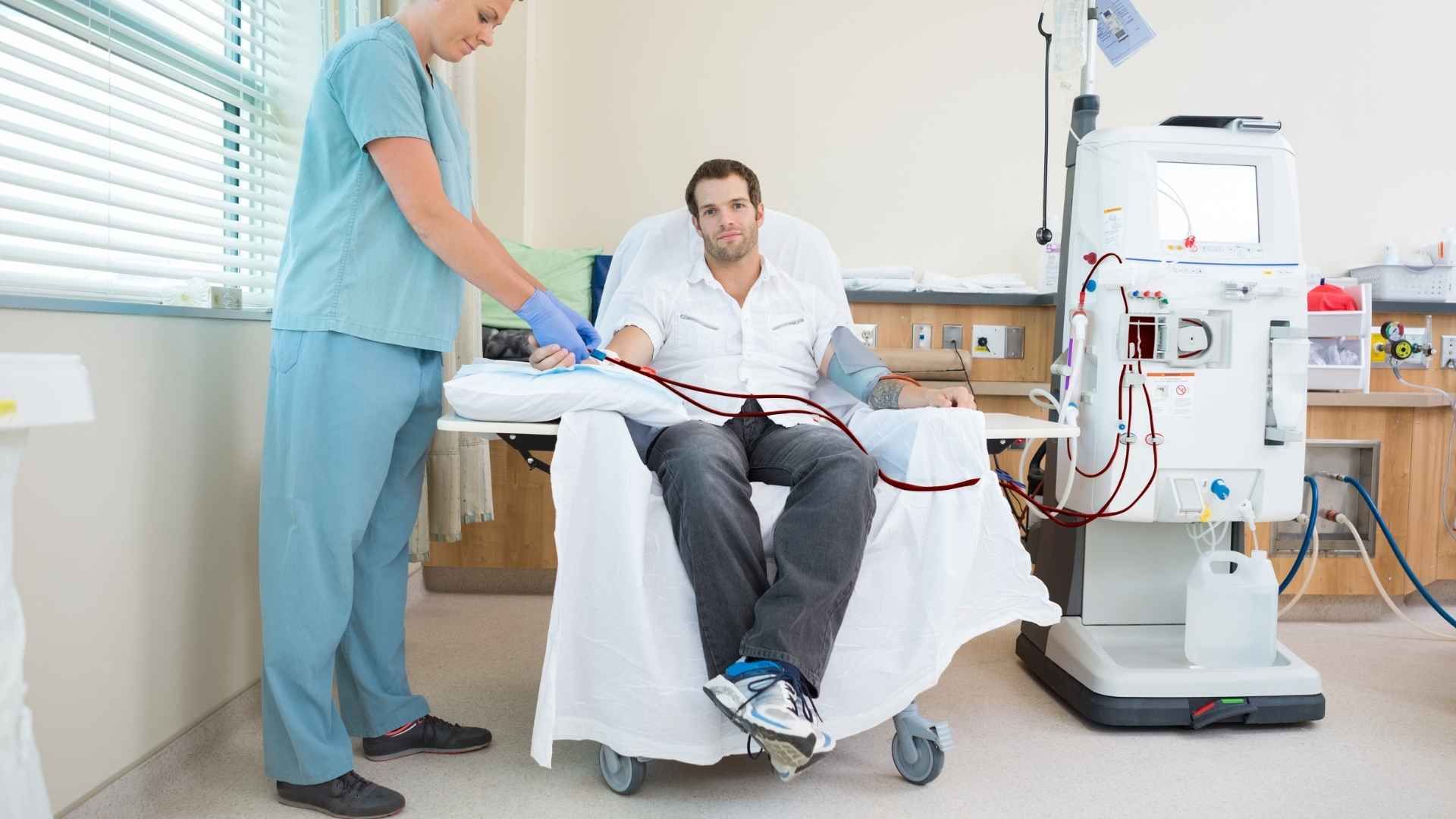
TPN (Total Parenteral Nutrition) is delivered intravenously through a central venous catheter. This catheter is commonly placed in major veins like the subclavian or jugular, facilitating direct nutrient infusion into the bloodstream. Each patient's TPN formula is tailored to their specific nutritional needs based on regular lab results. Typically, the TPN is infused with the aid of a portable pump, often during the night.

The infusion can either run continuously for 24 hours or be cycled down to 12-14 hours if the patient tolerates it well. Attention to detail in preparation is essential—this includes stringent hand hygiene practices and thorough inspection of the TPN bag to avoid complications. The IV line must also be primed with the TPN solution before connection, ensuring the patient receives the full amount of necessary nutrients. Continuous monitoring during administration is crucial; it helps ensure that nutrients are effectively absorbed and allows for timely detection of any adverse reactions.

Training and safety measures

Before leaving the hospital with TPN, parents or caregivers undergo comprehensive training. This education covers how to administer the nutrition properly and how to recognize and troubleshoot potential issues that may arise during home care. Patients must be instructed in the safe administration of TPN, including training in how to maintain asepsis to prevent infections, monitor infusion sites, and manage signed complications.

Additional safety precautions ensure that, should an emergency arise—whether it's a pump malfunction or signs of infection—the caregiver feels confident in addressing the situation effectively. Being well-prepared for home administration is vital for the long-term success of TPN therapy.

Guidelines for Infusion and Monitoring

Are there strict guidelines regarding TPN infusion rates?

Yes, there are strict guidelines regarding TPN infusion rates that must be followed to ensure patient safety and nutritional adequacy. When initiating Total Parenteral Nutrition (TPN), the infusion should generally start at no more than 50% of the total daily energy requirements. This helps to prevent potential metabolic instability associated with rapid changes in nutrient delivery.

Gradual increases in the infusion rate can be made based on the patient’s condition and tolerance. Specifically, the carbohydrate infusion rate during initial administration should not exceed 7.2 g/kg/day to avoid complications like hyperglycemia. Protein requirements, on the other hand, are tailored according to the individual’s clinical status.

Monitoring nutritional therapy

As TPN therapy proceeds, monitoring becomes crucial. This includes tracking electrolyte imbalances and the risk of refeeding syndrome, particularly during transitions to nutrition support.

TPN formulations must be customized based on each patient's unique nutritional needs, with specific attention paid to fluid balance. All infusions should be carefully documented to prevent fluid overload and ensure that patients receive the appropriate amount of nutrients.

Maintaining these guidelines ensures that TPN can effectively support patients’ nutritional needs while minimizing potential risks.

Conclusion

Qualifying for Total Parenteral Nutrition services demands a rigorous evaluation of medical necessity, particularly under programs like Medicare. Thorough documentation and adherence to guidelines are essential for ensuring patients receive this critical therapy. Understanding the detailed requirements and procedures can empower both patients and healthcare providers to effectively navigate the path to obtaining TPN services.

References

Home Infusion Therapy in New York
June 17, 2026
Pharmko is based in New York and provides home infusion therapy statewide — IV antibiotics, IVIG, TPN, IDPN, and specialty medications. Licensed, ACHC accredited, and available 24/7.
Home Infusion for Osteomyelitis
June 15, 2026
Osteomyelitis requires weeks of IV antibiotics that can often be completed at home. Learn who qualifies for OPAT, what the treatment timeline looks like, and how Pharmko supports bone infection recovery.
What Is a PICC Line
June 15, 2026
Learn what a PICC line is, how it's inserted, how to care for it at home, and why it's the most common IV access device for home infusion therapy. Pharmko nurses provide full PICC line training.
IV Iron Infusion at Home: Feraheme, Injectafer, and Iron Deficiency Anemia Treatment
June 12, 2026
Learn how IV iron infusion works at home — which products are used, who qualifies, what to expect during treatment, and how Pharmko delivers iron infusion therapy across 22+ states.
Home Infusion for Multiple Sclerosis
June 11, 2026
Learn how home infusion therapy works for multiple sclerosis, including Ocrevus and Tysabri, who qualifies for home-based MS infusions, what to expect, and how Pharmko coordinates care.
TPN at Home: Who Qualifies, How It Works, and What to Expect
June 11, 2026
Learn how total parenteral nutrition (TPN) at home works — who qualifies, how it's delivered, what daily life looks like, and how Pharmko supports patients from first dose through long-term therapy.
Low Albumin in Dialysis Patients
June 3, 2026
Low albumin is a key marker of malnutrition in dialysis patients. Learn what causes albumin decline, when IDPN is indicated, and how Pharmko supports renal nutrition across 22+ states.
Home Infusion Pump Types
June 2, 2026
Learn about the different types of infusion pumps used in home therapy, ambulatory, electronic, elastomeric, and CADD pumps, and how your pump is matched to your specific treatment.
Home Infusion for Rheumatoid Arthritis
May 30, 2026
Learn how home infusion therapy works for rheumatoid arthritis — including Remicade (infliximab) and other IV biologics, who qualifies for home treatment, and how Pharmko supports ongoing RA care.
Sterile Compounding Safety
May 26, 2026
When a patient or provider chooses a compounding pharmacy to prepare IV medications, they are trusting that the pharmacy operates under rigorous, independently enforced standards. In the United States, those standards are defined by two chapters of the United States Pharmacopeia: USP <797> for sterile compounding and USP <800> for hazardous drug handling. Pharmko operates in full compliance with both chapters. Understanding what these standards require, and what happens when they are not met, helps patients and providers make informed decisions about which pharmacy they trust with their care. What Is USP <797>? USP <797> (Pharmaceutical Compounding, Sterile Preparations) is the national standard that defines the minimum requirements for compounding sterile preparations safely. It covers: Cleanroom environment classification, ISO Class 5 at the point of compounding, ISO Class 7 for the surrounding buffer area, ISO Class 8 for the ante-room Personnel training, gowning, and aseptic technique requirements Sterilization and filtration methods by product type Beyond-use dating (BUD), how long a compounded sterile preparation remains safe to use Environmental and personnel monitoring schedules Quality assurance, documentation, and deviation management USP <797> applies to every pharmacy that prepares IV solutions, injections, eye drops, or other sterile preparations, whether they are a hospital pharmacy, ambulatory infusion center, or specialty pharmacy like Pharmko. The 2023 Revision: What Changed USP <797> was significantly revised in 2023 (effective November 2023). Key changes include: Stricter beyond-use date requirements, compounded sterile preparations must now meet more conservative dating limits unless sterility testing supports extended dating Enhanced environmental monitoring, more frequent air and surface sampling with defined action levels Clearer personnel qualification requirements, competency assessments are now required at defined intervals New category system, preparations are now categorized (Category 1 and Category 2) based on sterility assurance level and BUD Pharmacies that were compliant under the previous version of USP <797> must have updated their procedures and infrastructure to meet the 2023 revision. Pharmko updated our facilities, policies, and documentation systems in alignment with the revised chapter. What Is USP <800>? USP <800> (Pharmaceutical Compounding, Hazardous Drugs) establishes standards for the safe handling of hazardous drugs throughout the pharmacy, from receipt and storage to preparation, dispensing, and waste disposal. Hazardous drugs include certain chemotherapy agents, antiviral medications, hormones, and other drugs that pose risks of carcinogenicity, reproductive toxicity, or organ damage at low exposure levels. USP <800> requires: Negative-pressure ventilated containment primary engineering controls (C-PECs) for hazardous drug compounding Separate, dedicated hazardous drug storage areas Personal protective equipment (PPE) requirements for all staff handling hazardous drugs Closed-system drug transfer devices (CSTDs) for certain preparations Spill kits and exposure management protocols Why These Standards Matter for Patients The consequences of non-compliance are serious. High-profile compounding pharmacy failures, including a 2012 fungal meningitis outbreak linked to contaminated steroid injections that killed 64 patients and injured hundreds, demonstrated what happens when sterile compounding standards are not followed. For patients receiving home IV therapy, USP <797> compliance is not a credential to check once and forget, it reflects the ongoing daily practices of the pharmacy preparing their medications. Patients and providers should verify that any pharmacy preparing their IV solutions is accredited, state-licensed, and actively compliant with current USP standards. How Pharmko Meets These Standards Pharmko's sterile compounding facility is designed, staffed, and operated to meet USP <797> and USP <800> requirements. We are ACHC accredited, state-licensed in 22+ states, and subject to regulatory inspection. Every batch we compound is reviewed by a licensed pharmacist, and our environmental and personnel monitoring data is reviewed on a defined schedule. For a broader overview of what sterile compounding is and how it differs from retail pharmacy, see our guide on what is sterile compounding for IV therapy . For providers interested in our compounding capabilities, see our physician services page or contact our pharmacy team directly. → Contact Pharmko about sterile compounding: 1-877-540-2003
Show More