
How TPN Supports Women with Severe Gastrointestinal Disorders

August 27, 2025

Introduction

For women dealing with severe gastrointestinal disorders, the inability to absorb necessary nutrients poses significant health risks. Total parenteral nutrition (TPN) emerges as a critical intervention, offering a lifeline where traditional feeding methods fall short. This article examines how TPN supports women facing these daunting challenges, delving into its usage, benefits, and potential complications.

Understanding Total Parenteral Nutrition (TPN)

What is Total Parenteral Nutrition (TPN), and when is it used for gastrointestinal patients?

Total parenteral nutrition (TPN) is a medical treatment that bypasses the gastrointestinal tract, delivering essential nutrients directly into the bloodstream through an intravenous (IV) line. This method is critical for individuals unable to consume food orally or properly absorb nutrients due to severe gastrointestinal disorders, such as Crohn's disease, ulcerative colitis, and complications from gastrointestinal surgeries. TPN can be employed for temporary nutritional support or for long-term management, depending on the specific needs of the patient.

Uses in gastrointestinal disorders

TPN serves various roles in managing GI disorders. It is primarily indicated when the gut is not functioning adequately due to conditions like bowel obstruction, gastrointestinal fistulas, or after surgeries like bowel resections. In instances where oral or enteral feeding is not an option, TPN becomes a vital source of nutrition, ensuring patients receive necessary vitamins, minerals, proteins, and other nutrients to prevent malnutrition.

Administration and patient training

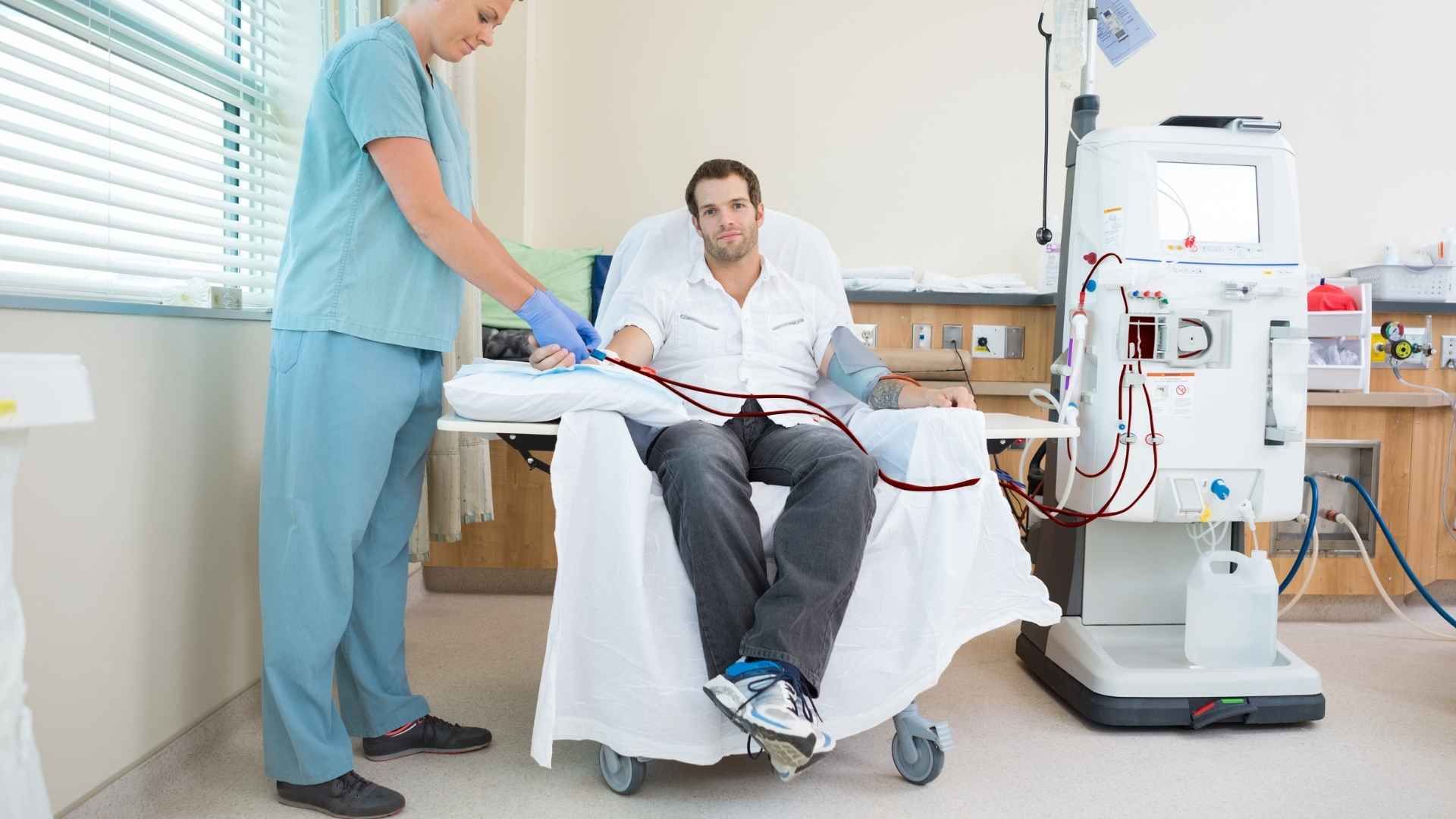
TPN is administered via a catheter placed in a vein, often requiring patients to start IV therapy at home after appropriate training. This training covers catheter care, infection prevention—emphasizing the importance of sterile techniques—and consistent monitoring of the nutritional formula through regular blood tests. A multidisciplinary team, including dietitians and nurses, helps adjust the TPN formula to meet evolving patient needs, underscoring the importance of combining medical expertise with at-home care.

Quality of Life Considerations and Bowel Movements on TPN

Do People on TPN Have Bowel Movements?

Patients on Total Parenteral Nutrition (TPN) can indeed have bowel movements, although these may be less frequent due to the lack of oral intake. The digestive system still functions, producing digestive fluids and shedding old cells, which ultimately need to be expelled from the body.

Some individuals may have dietary restrictions while on TPN, based on their medical conditions. Therefore, while TPN provides essential nutrients directly into the bloodstream, it does not completely halt intestinal activity. Regular monitoring is crucial to manage any potential complications associated with TPN and ensure patients maintain their overall health.

Lifestyle Considerations for Women on TPN

Women receiving TPN face unique lifestyle considerations. The intravenous delivery of nutrients means they can have a different relationship with food and bodily functions.

Here are some important aspects for women on TPN:

  • Regular Monitoring: Frequent check-ups are necessary to adjust nutrient levels and prevent complications such as infections or nutrient imbalances.
  • Support Systems: Emotional and practical support is critical. Many rely on family or healthcare teams to assist in managing their TPN treatment at home.
  • Physical Activity: While TPN allows nutritional intake, staying active can have significant benefits for physical and mental well-being.

Overall, being on TPN can drastically alter a woman's daily life and requires a supportive approach to ensure both health and emotional well-being.

TPN and Crohn's Disease Management

How does TPN support patients with Crohn's disease?

Total parenteral nutrition (TPN) plays a significant role in managing Crohn's disease by delivering essential nutrients and calories directly into the bloodstream. For patients facing severe malnutrition or intestinal failure due to their condition, TPN allows for bowel rest while ensuring that their nutritional needs are met. This form of nutritional support is critical, particularly in cases where traditional enteral nutrition is not feasible.

While TPN can help manage complications associated with Crohn's disease, such as bowel fistulas and short bowel syndrome, it is important to understand that it is not a substitute for enteral nutrition. Enteral feeding is preferred when the gastrointestinal tract is still functional, as it supports overall gut health and recovery.

Additionally, TPN has its limitations—although it aids in nutritional restoration, it does not contribute to enhanced remission rates in active Crohn’s disease. Therefore, it should not be regarded as a primary treatment. Interestingly, despite the rising prevalence of malnutrition among patients with Crohn's disease, the usage of TPN has been on the decline over the last decade.

Benefits of TPN Nutritional Support and Bowel Rest
Delivers essential nutrients and calories Allows intestine to heal by resting the bowel
Supports recovery from malnutrition Provides tailored nutrition based on individual needs
Critical for managing complications Prevents malnutrition-associated surgical risks
Useful as temporary support Focus on overall health improvement

In summary, TPN serves as a vital nutritional tool for individuals with Crohn's disease, particularly in advanced cases where enteral nutrition is ineffective.

Risks and Complications of TPN

What are the potential complications associated with TPN?

Total Parenteral Nutrition (TPN) carries several potential complications that must be considered during treatment. Here are some common complications:

  • Metabolic Abnormalities : Conditions like hyperglycemia and hypoglycemia can affect up to 50% of patients on TPN. These fluctuations can lead to significant health risks if not closely monitored.
  • Infections : A critical concern with TPN is the risk of central line-associated bloodstream infections. Such infections can evolve into sepsis, especially in immunocompromised patients.
  • Liver Complications : Prolonged use of TPN can lead to hepatic steatosis or parenteral nutrition-associated liver disease (PNALD). Approximately 30% to 50% of long-term TPN patients may experience liver issues.
  • Electrolyte Imbalances : TPN may result in dehydration and imbalances in electrolytes, which can impact heart and muscle function.
  • Gastrointestinal Atrophy : When the digestive system is not used, as with TPN patients, there can be reduced gastrointestinal function over time.

What strategies are there for monitoring and preventing complications?

To mitigate the risks associated with TPN, effective monitoring and prevention strategies are crucial:

  • Regular Blood Tests : Frequent assessments of blood glucose and electrolyte levels help catch imbalances early.
  • Strict Infection Control Protocols : Implementing sterile techniques during catheter insertion and maintenance is vital in preventing infections.
  • Liver Function Monitoring : Regular liver function tests can help identify early signs of liver dysfunction.
  • Interdisciplinary Team Involvement : Nutritionists and healthcare providers work together to customize TPN formulations, adjusting nutrients based on individual needs.

These strategies ensure safety and improve outcomes for patients relying on TPN.

Types and Customization of TPN Solutions

What are the types of TPN solutions?

Total Parenteral Nutrition (TPN) solutions are typically categorized into two main types to accommodate various patient needs:

  1. 3-in-1 Solution : This formulation includes carbohydrates, proteins (amino acids), and lipids in a single infusion. It simplifies administration and can enhance patient comfort.

  2. 2-in-1 Solution : In this type, dextrose and amino acids are provided in one bag, while lipid emulsions are administered separately. This allows for better control of lipid intake and can be advantageous for patients needing specific dietary adjustments.

Each solution is carefully designed to deliver essential macronutrients, including dextrose, amino acids, and lipid emulsions, alongside vital micronutrients, vitamins, and minerals.

How is TPN customized based on patient needs?

Customization of TPN solutions is crucial, especially for patients with varying health conditions. Factors influencing this customization include:

  • Medical Condition : TPN formulations are adjusted for conditions such as Crohn's disease, ulcerative colitis, cancer, or post-surgical needs.
  • Nutritional Requirements : Tailored solutions ensure that patients receive the right balance of nutrients, addressing specific deficiencies or caloric needs.
  • Patient Tolerance : Ongoing monitoring helps adjust the composition of TPN based on how well the patient responds to treatment, preventing complications related to nutrient imbalances.

Overall, such thorough customization ensures optimal nutritional support for individuals unable to utilize their gastrointestinal tract effectively.

Administration Guidelines for TPN

How is TPN administered, and what guidelines should nurses follow?

Total Parenteral Nutrition (TPN) is a critical therapy for patients unable to absorb nutrients through their gastrointestinal tract. The administration of TPN occurs through a central venous catheter (CVC), which requires strict adherence to aseptic techniques to minimize the risk of infections.

Key Steps for Nurses:

  • Verify Orders: Ensure physician orders are clear and specific for the patient's needs.
  • Gather Supplies: Collect all necessary sterile supplies before commencing the procedure.
  • Hand Hygiene: Conduct thorough hand washing or hand sanitization before handling any equipment.
  • Inspect TPN Bag: Examine the TPN bag for any signs of contamination or deposits before use.
  • Set Up Infusion: Use an appropriate infusion pump. Look out for medication compatibility and follow preparation standards for safety.

During the infusion process, continuous monitoring of metabolic parameters such as blood glucose levels and electrolytes is paramount. Nurses should ensure that patients understand the importance of flushing the CVC post-infusion to maintain line patency and reduce infection risks.

Additionally, consistent vigilance for potential complications, including infections and metabolic abnormalities, plays a crucial role in ensuring patient safety during TPN therapy.

Life Expectancy and Health Outcomes with TPN

What are the life expectancy and health outcomes for patients on long-term TPN?

Patients on long-term Total Parenteral Nutrition (TPN) experience varied life expectancy based on their specific medical conditions. Research shows that survival rates over a three-year period can range from 65% to 80%. For example, a study that analyzed 472 patients indicated survival probabilities of 88%, 74%, and 64% at one, three, and five years, respectively.

While TPN itself can lead to complications such as infections and liver disease, only 9% of TPN patients experience mortality due directly to their nutrition program. Most fatalities are actually tied to pre-existing illnesses, underscoring the importance of underlying health factors over the nutrition method.

However, it's essential to note that despite the potential life-sustaining benefits of TPN for individuals with advanced diseases, it may not enhance quality of life for many patients. Careful monitoring and management of TPN can mitigate some risks associated with long-term use. Yet, many individuals find that their overall wellbeing remains largely unchanged, highlighting the complicated relationship between necessary medical interventions and personal health outcomes.

In summary, while TPN can serve as a critical lifeline for patients unable to receive adequate nutrition by traditional means, a focus on individual health status and disease trajectory is vital in assessing the true impact of this treatment.

TPN for Specific Conditions Like Irritable Bowel Syndrome

Why might TPN be indicated for irritable bowel syndrome or intestinal failure?

Total parenteral nutrition (TPN) may be required for patients suffering from irritable bowel syndrome (IBS) who are experiencing intestinal failure. This scenario occurs when traditional nutritional strategies become ineffective or unmanageable, particularly in severe cases.

In instances where bowel rest is necessary, TPN serves as a crucial intervention. As IBS can sometimes coincide with conditions like Crohn’s disease, allowing the intestines to heal becomes paramount, and TPN provides a method to maintain nutrition without taxing the digestive system.

TPN administers vital nutrients directly into the bloodstream, completely bypassing gastrointestinal function. This is particularly relevant when patients are unable to tolerate oral or enteral feeding due to severe symptoms or complications like bowel obstruction.

This nutritional solution is essential for preventing malnutrition, particularly when other approaches such as Exclusive Enteral Nutrition (EEN) or Partial Enteral Nutrition (PEN) have not met the patient's dietary needs. TPN is, therefore, a lifeline for those needing severe nutritional support while dealing with complex issues arising from IBS or related intestinal dysfunction.

Condition Rationale for TPN Use Nutritional Strategy
Irritable Bowel Syndrome In severe cases or complications like bowel obstruction Complete intravenous nutrition bypassing the gut
Intestinal Failure Daily nutrient requirements unmet via traditional methods Essential for preventing malnutrition
Crohn's Disease May require bowel rest Nutrients delivered without digestive strain
Complications Post-Surgery During recovery, traditional intake not possible Maintains strength while gastrointestinal tract heals

TPN Use in Pregnancy and Breastfeeding

Considerations for pregnant women

Total parenteral nutrition (TPN) is often considered for pregnant women who face severe gastrointestinal disorders that inhibit nutrient absorption. While enteral tube feeding remains the preferred method for delivering nutrition in pregnant patients, advancements in TPN formulations have alleviated many safety concerns regarding maternal and fetal health. This makes TPN a viable option when enteral nutrition is inadequate or impossible, supporting the nutritional needs of both mother and baby during critical periods.

TPN can be especially beneficial in cases of conditions such as Crohn's disease or postoperative complications that prevent the normal functioning of the gastrointestinal tract. Proper monitoring and tailored nutritional plans are essential to ensure healthy outcomes during pregnancy, as nutritional status has a direct impact on both maternal and fetal health.

Breastfeeding on TPN

Encouragingly, breastfeeding women receiving TPN have successfully breastfed their infants, indicating that TPN does not necessarily hinder lactation. This is crucial for new mothers who wish to provide breast milk to their infants despite undergoing nutritional support through TPN. Additionally, TPN solutions are designed to meet the overall nutritional requirements of the mother, which can facilitate healthy breastfeeding while simultaneously managing her severe gastrointestinal disorders.

In summary, TPN presents a flexible option for managing severe gastrointestinal disorders in pregnant and breastfeeding women, prioritizing both maternal and infant health.

TPN as a Lifeline in Home Environments

Home Parenteral Nutrition

Home parenteral nutrition (HPN) is a vital service that allows patients with severe gastrointestinal disorders to receive total parenteral nutrition (TPN) in the comfort of their own homes. This approach offers an essential lifeline for women facing challenges related to nutrient absorption.

HPN requires careful evaluation to ensure the patient can safely manage their nutritional needs outside of a clinical setting. Tailored infusions of nutrients are designed based on individual requirements, taking into account factors such as weight, hydration levels, and specific disorders.

Support Systems and Patient Management

Implementing HPN successfully involves a robust support system. Patients benefit from interdisciplinary teams composed of healthcare professionals, such as:

Role Responsibilities Importance
Dietitians Nutritional assessments and planning Optimize nutrition and prevent malnutrition
Nurses Training on TPN administration Ensure safe home practice and monitoring
Social Workers Address emotional and social aspects Provide additional support and resources
Physicians Oversee overall health and adjust therapies Manage medical concerns related to TPN use

Moreover, addressing social implications and emotional well-being is crucial, especially for women who may feel isolated due to their health conditions. Overall, effective management of HPN not only delivers nutrients but also supports the individual as they navigate life with severe gastrointestinal disorders.

Advancements and Future Directions for TPN

Improvements in TPN Technology

The field of Total Parenteral Nutrition (TPN) has witnessed notable advancements aimed at enhancing safety and efficacy. From improving infusion techniques to coordinated care models, advancements focus on optimizing nutrient formulations. Recent innovations include:

  • Automated TPN Compounding Systems : These systems minimize human error in the preparation of solutions, ensuring precise nutrient delivery, and enhancing safety.
  • Advanced Monitoring Devices : Utilizing technology to monitor electrolyte levels and metabolic responses in real-time helps in adjusting TPN formulations promptly, addressing adverse reactions swiftly.
  • Smart Infusion Pumps : These pumps allow for better dosing accuracy and programmable infusion rates, reducing the risk of complications associated with TPN administration.

Future Research and Potential Developments

Future research in TPN is crucial for addressing the unique needs of patients, especially women with gastrointestinal disorders who may benefit from specialized formulations. Some potential directions include:

  • Personalized Nutrition Solutions : Meal plans personalized to genetic, metabolic, and health profiles promise better patient outcomes and fewer complications.
  • Long-term Outcomes Studies : Research focusing on long-term effects of TPN, particularly regarding liver health and nutrient imbalances, will help shape future protocols.
  • Telehealth Innovations : Integrating telehealth with TPN management could enhance monitoring and support, reducing the need for frequent hospital visits for patients receiving home parenteral nutrition.

With ongoing advancements, TPN is set to evolve, providing safer and more effective nutritional support for those in need.

Conclusion

Total parenteral nutrition (TPN) provides vital nutritional support for women who cannot rely on their gastrointestinal tract due to severe disorders. While it offers significant benefits, careful consideration of its complexities and risks is essential. As advancements continue, TPN remains a critical component of therapeutic strategies in managing gastrointestinal diseases, ensuring women receive the essential nutrients needed to maintain health and improve life quality.

References

Home Infusion Therapy in New York
June 17, 2026
Pharmko is based in New York and provides home infusion therapy statewide — IV antibiotics, IVIG, TPN, IDPN, and specialty medications. Licensed, ACHC accredited, and available 24/7.
Home Infusion for Osteomyelitis
June 15, 2026
Osteomyelitis requires weeks of IV antibiotics that can often be completed at home. Learn who qualifies for OPAT, what the treatment timeline looks like, and how Pharmko supports bone infection recovery.
What Is a PICC Line
June 15, 2026
Learn what a PICC line is, how it's inserted, how to care for it at home, and why it's the most common IV access device for home infusion therapy. Pharmko nurses provide full PICC line training.
IV Iron Infusion at Home: Feraheme, Injectafer, and Iron Deficiency Anemia Treatment
June 12, 2026
Learn how IV iron infusion works at home — which products are used, who qualifies, what to expect during treatment, and how Pharmko delivers iron infusion therapy across 22+ states.
Home Infusion for Multiple Sclerosis
June 11, 2026
Learn how home infusion therapy works for multiple sclerosis, including Ocrevus and Tysabri, who qualifies for home-based MS infusions, what to expect, and how Pharmko coordinates care.
TPN at Home: Who Qualifies, How It Works, and What to Expect
June 11, 2026
Learn how total parenteral nutrition (TPN) at home works — who qualifies, how it's delivered, what daily life looks like, and how Pharmko supports patients from first dose through long-term therapy.
Low Albumin in Dialysis Patients
June 3, 2026
Low albumin is a key marker of malnutrition in dialysis patients. Learn what causes albumin decline, when IDPN is indicated, and how Pharmko supports renal nutrition across 22+ states.
Home Infusion Pump Types
June 2, 2026
Learn about the different types of infusion pumps used in home therapy, ambulatory, electronic, elastomeric, and CADD pumps, and how your pump is matched to your specific treatment.
Home Infusion for Rheumatoid Arthritis
May 30, 2026
Learn how home infusion therapy works for rheumatoid arthritis — including Remicade (infliximab) and other IV biologics, who qualifies for home treatment, and how Pharmko supports ongoing RA care.
Sterile Compounding Safety
May 26, 2026
When a patient or provider chooses a compounding pharmacy to prepare IV medications, they are trusting that the pharmacy operates under rigorous, independently enforced standards. In the United States, those standards are defined by two chapters of the United States Pharmacopeia: USP <797> for sterile compounding and USP <800> for hazardous drug handling. Pharmko operates in full compliance with both chapters. Understanding what these standards require, and what happens when they are not met, helps patients and providers make informed decisions about which pharmacy they trust with their care. What Is USP <797>? USP <797> (Pharmaceutical Compounding, Sterile Preparations) is the national standard that defines the minimum requirements for compounding sterile preparations safely. It covers: Cleanroom environment classification, ISO Class 5 at the point of compounding, ISO Class 7 for the surrounding buffer area, ISO Class 8 for the ante-room Personnel training, gowning, and aseptic technique requirements Sterilization and filtration methods by product type Beyond-use dating (BUD), how long a compounded sterile preparation remains safe to use Environmental and personnel monitoring schedules Quality assurance, documentation, and deviation management USP <797> applies to every pharmacy that prepares IV solutions, injections, eye drops, or other sterile preparations, whether they are a hospital pharmacy, ambulatory infusion center, or specialty pharmacy like Pharmko. The 2023 Revision: What Changed USP <797> was significantly revised in 2023 (effective November 2023). Key changes include: Stricter beyond-use date requirements, compounded sterile preparations must now meet more conservative dating limits unless sterility testing supports extended dating Enhanced environmental monitoring, more frequent air and surface sampling with defined action levels Clearer personnel qualification requirements, competency assessments are now required at defined intervals New category system, preparations are now categorized (Category 1 and Category 2) based on sterility assurance level and BUD Pharmacies that were compliant under the previous version of USP <797> must have updated their procedures and infrastructure to meet the 2023 revision. Pharmko updated our facilities, policies, and documentation systems in alignment with the revised chapter. What Is USP <800>? USP <800> (Pharmaceutical Compounding, Hazardous Drugs) establishes standards for the safe handling of hazardous drugs throughout the pharmacy, from receipt and storage to preparation, dispensing, and waste disposal. Hazardous drugs include certain chemotherapy agents, antiviral medications, hormones, and other drugs that pose risks of carcinogenicity, reproductive toxicity, or organ damage at low exposure levels. USP <800> requires: Negative-pressure ventilated containment primary engineering controls (C-PECs) for hazardous drug compounding Separate, dedicated hazardous drug storage areas Personal protective equipment (PPE) requirements for all staff handling hazardous drugs Closed-system drug transfer devices (CSTDs) for certain preparations Spill kits and exposure management protocols Why These Standards Matter for Patients The consequences of non-compliance are serious. High-profile compounding pharmacy failures, including a 2012 fungal meningitis outbreak linked to contaminated steroid injections that killed 64 patients and injured hundreds, demonstrated what happens when sterile compounding standards are not followed. For patients receiving home IV therapy, USP <797> compliance is not a credential to check once and forget, it reflects the ongoing daily practices of the pharmacy preparing their medications. Patients and providers should verify that any pharmacy preparing their IV solutions is accredited, state-licensed, and actively compliant with current USP standards. How Pharmko Meets These Standards Pharmko's sterile compounding facility is designed, staffed, and operated to meet USP <797> and USP <800> requirements. We are ACHC accredited, state-licensed in 22+ states, and subject to regulatory inspection. Every batch we compound is reviewed by a licensed pharmacist, and our environmental and personnel monitoring data is reviewed on a defined schedule. For a broader overview of what sterile compounding is and how it differs from retail pharmacy, see our guide on what is sterile compounding for IV therapy . For providers interested in our compounding capabilities, see our physician services page or contact our pharmacy team directly. → Contact Pharmko about sterile compounding: 1-877-540-2003
Show More