
IDPN vs. TPN: Which Is Right for Your Nutritional Needs?

August 27, 2025

Understanding Parenteral Nutrition Options

When traditional methods of nutrient intake fail, healthcare providers often turn to alternative options such as Intradialytic Parenteral Nutrition (IDPN) and Total Parenteral Nutrition (TPN) to address the complex needs of patients facing serious malnutrition. These two nutritional support systems, though similar in their aim to provide essential nutrients, diverge significantly in application, risks, benefits, and effectiveness. This guide delves into the distinctions between IDPN and TPN, their roles in clinical practice, and the decision-making framework for selecting the right nutritional therapy for patients.

The Distinct Roles of IDPN and TPN

What are the differences between Intradialytic Parenteral Nutrition (IDPN) and Total Parenteral Nutrition (TPN)?

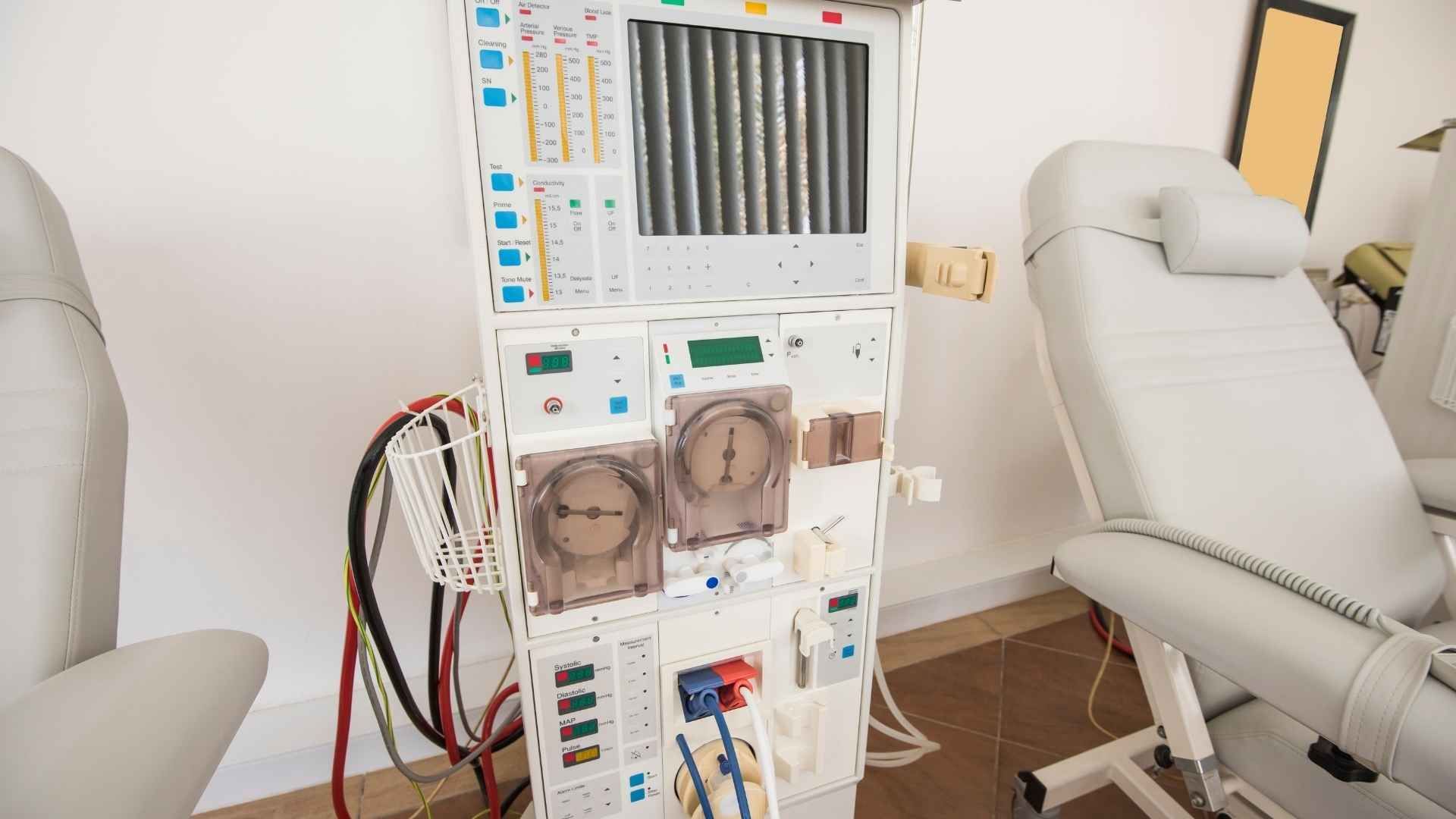
Intradialytic Parenteral Nutrition (IDPN) and Total Parenteral Nutrition (TPN) serve different patient needs in the realm of nutritional support. IDPN is specifically designed for patients undergoing hemodialysis, being administered during the dialysis sessions to directly supplement the nutritional needs of patients who are unable to consume adequate nutrition orally. This method is often employed when other nutritional interventions, such as dietary counseling or oral supplements, prove inefficient in tackling malnutrition, which affects 20-60% of hemodialysis patients.

Conversely, TPN is a more comprehensive nutritional method, suitable for patients who can't achieve sufficient nutrition through either oral or enteral routes, regardless of dialysis status. TPN can be administered independently of dialysis schedules as it delivers all essential nutrients intravenously, tailored for individuals facing conditions that impair gastrointestinal function.

Similarities and Limitations

Both IDPN and TPN aim to address protein-calorie malnutrition. However, research indicates that while IDPN offers essential nutrients like amino acids, dextrose, and lipids, it does not consistently demonstrate significant improvements in clinical outcomes compared to standard oral supplementation. In contrast, TPN is often deemed medically necessary when there is substantial malnutrition or inability to absorb nutrients, making it a critical intervention for those truly unable to tolerate any form of regular nutrition.

Risks and Benefits

IDPN could potentially lead to complications such as infections or fluid overload, reflecting common risks associated with intravenous nutrition. Some studies note its cost as a downside relative to simpler nutritional support strategies. On the other hand, TPN’s broader application, though rigorous in terms of monitoring and implementation, often yields more predictable patient outcomes in critical nutritional insufficiencies.

Effectiveness of IDPN and TPN in Nutritional Support

How effective are IDPN and TPN in providing nutritional support?

The effectiveness of IDPN (Intradialytic Parenteral Nutrition) and TPN (Total Parenteral Nutrition) in providing nutritional support varies among patients, especially those with chronic kidney disease (CKD). IDPN is primarily beneficial for hemodialysis patients at risk of malnutrition, particularly when they are unable to meet their needs through conventional means like oral nutritional supplements (ONS) or dietary counseling.

However, studies indicate that while IDPN may improve certain nutritional markers, such as serum prealbumin levels, it does not lead to substantially improved health outcomes. For instance, it has not been shown to significantly affect mortality rates, hospitalization rates, or overall quality of life when compared to standard nutritional care methods.

Clinical guidelines recommend IDPN after other methods have proven ineffective, taking into consideration the potential risks associated with the intervention. IDPN may supply approximately 70% of a patient's nutritional needs during dialysis sessions, which can be crucial for some patient populations.

In contrast, TPN is utilized when patients cannot maintain sufficient nutritional intake due to gastrointestinal issues and often requires careful clinical criteria for initiation, including significant weight loss and low serum protein levels. Overall, more robust randomized controlled trials are needed to thoroughly compare the effectiveness of IDPN and TPN in select patient populations.

Potential Risks and Benefits of IDPN and TPN

What benefits and risks are associated with IDPN and TPN?

Intradialytic parenteral nutrition (IDPN) is designed to provide essential nutrients to patients undergoing hemodialysis who struggle to maintain adequate nutrition through oral or enteral feeding. Some of the potential benefits of IDPN include:

  • Increased Nutritional Status : IDPN may help improve serum protein levels, particularly prealbumin, which is often monitored as an indicator of nutrition status.
  • Enhanced Appetite and Weight Gain : Patients receiving IDPN may experience an improvement in appetite and subsequent weight gain over time.
  • Muscle Preservation : It may aid in limiting protein-energy wasting (PEW), a common issue in dialysis patients, which is associated with higher morbidity and mortality.

However, risks are also associated with IDPN:

  • Infection : Use of IV lines for IDPN can lead to infections, which can complicate treatment.
  • Hyperglycemia : The glucose content in IDPN solutions can lead to elevated blood sugar levels, particularly in diabetic patients.
  • Metabolic Complications : Patients might experience metabolic derangements due to the infusion of nutrient solutions.

On the other hand, total parenteral nutrition (TPN) is typically indicated for patients with severe malnourishment. Benefits of TPN include:

  • Comprehensive Nutritional Support : TPN provides all necessary nutrients, including essential fatty acids and proteins, through a regimen tailored to individual patient needs.
  • Immediate Nutritional Restoration : TPN can quickly address critical nutrient deficiencies in patients with significant dietary restrictions.

Yet, TPN also carries risks:

  • Longer-Term Complications : Risks include liver complications and metabolic bone disease with prolonged use.
  • Higher Rates of Catheter-Related Infections : Similar to IDPN, infections are a significant risk with TPN due to its intravenous administration.

In conclusion, while both IDPN and TPN present potential advantages for malnourished patients, they also come with significant risks that must be carefully weighed in clinical decision-making.

Appropriate Clinical Conditions for IDPN and TPN

For which conditions are IDPN or TPN most appropriate?

Intradialytic parenteral nutrition (IDPN) is best suited for patients suffering from malnutrition who are undergoing hemodialysis. This intervention is aimed at individuals who cannot sufficiently meet their nutritional requirements through diet alone. IDPN is indicated when standard oral intake or nutritional supplements have not achieved desired results, particularly in patients who can eat but still need extra caloric and protein intake.

On the other hand, total parenteral nutrition (TPN) is prescribed for patients with non-functional or severely impaired gastrointestinal tracts. This includes situations arising from conditions such as severe Crohn's disease or bowel obstructions, where traditional feeding routes are insufficient for meeting nutritional needs.

Both IDPN and TPN should follow detailed nutritional evaluations, with close monitoring of their effectiveness to determine if continued therapy is necessary.

Conditions warranting IDPN

  • Malnourished patients on hemodialysis.
  • Patients unable to meet nutritional needs through oral intake.
  • Cases of protein-energy wasting (PEW).

Conditions warranting TPN

  • Patients with gastrointestinal tract non-functionality.
  • Severe malabsorption conditions.
  • Major gastrointestinal surgeries impacting nutrient absorption.

Nutritional Support Type Indication Patient Characteristics
IDPN Malnutrition in hemodialysis patients Able to take oral nutrition with supplemental support
TPN Non-functional gastrointestinal tract Severe chronic conditions preventing enteral intake

Deciding Between IDPN and TPN for Patients

How should one decide between using IDPN and TPN for nutritional support?

The choice between Intradialytic Parenteral Nutrition (IDPN) and Total Parenteral Nutrition (TPN) hinges on the patient's unique medical conditions, nutritional requirements, and gastrointestinal absorption capabilities.

Criteria for IDPN

  • Patient Type : IDPN is tailored for patients on hemodialysis who exhibit signs of malnutrition and show insufficient responses to oral nutritional supplements or dietary counseling.
  • Nutritional Assessment : Patients must have an adequate baseline oral intake, estimated at a minimum of 25 kcal/kg/day and 0.9 g/kg/day of amino acids before IDPN can be considered.
  • Provisions of IDPN : This method serves to supplement nutrient loss occurring during dialysis, typically providing around 70% of required nutrients through a mixture of amino acids, glucose, and lipids.

Criteria for TPN

  • Patient Requirements : TPN is often indicated for individuals unable to maintain weight due to severe gastrointestinal dysfunctions. Documented malnutrition with a body mass index (BMI) below 20 or significant weight loss is essential for initiating TPN.
  • Nutritional Failure : TPN is based on the failure of enteral nutrition, where the gastrointestinal tract cannot meet the patient's nutritional needs.
  • Comprehensive Support : The delivery of TPN supplies all necessary macronutrients and micronutrients intravenously, addressing severe malnutrition effectively.

In conclusion, health care teams should work closely with patients to evaluate their specific circumstances, ensuring an appropriate, personalized approach that combines these therapies if needed. The individualized assessment is pivotal for optimal treatment decisions.

Implementing IDPN in Hemodialysis Regimes

Role of IDPN in Hemodialysis

Intradialytic Parenteral Nutrition (IDPN) is a targeted nutritional intervention specifically designed for patients undergoing hemodialysis who struggle with malnutrition. This form of partial parenteral nutrition is particularly useful for individuals who do not adequately maintain their nutritional status through oral or enteral means, such as dietary counseling or oral nutritional supplements.

IDPN aims to provide essential nutrients like amino acids, glucose, and lipids directly into the blood during dialysis sessions. Notably, around 25% to 40% of hemodialysis patients are affected by protein-energy wasting (PEW), necessitating additional nutritional support. While IDPN can assist in improving some biomarkers, such as serum prealbumin levels, studies have raised questions about its overall impact on patient health outcomes.

Clinical Insights on IDPN Administration

The suitability of IDPN is confined to specific patient groups, namely those who demonstrate ongoing difficulties in achieving their nutritional goals despite utilizing first-line therapies like dietary counseling. Prior to considering IDPN, patients must show evidence of malnutrition, diagnosed through criteria such as low serum albumin levels and other clinical indicators. The guidelines emphasize monitoring to ensure that IDPN aligns with individual patient needs.

Table: Key Points on IDPN in Clinical Practice

Aspect Details Considerations
Target Patients Patients with ESRD on hemodialysis unable to meet needs Malnourished or at risk of malnutrition
Nutritional Goals Supplement calories and protein to improve status Delivery of essential nutrients via intravenous method
Efficacy Insights Raises prealbumin levels, unclear benefits on overall health Not proven superior to standard oral interventions
Safety Monitoring Recommended oversight for adverse effects Requires continual adjustment based on patient status
First-line Treatment Dietary counseling and ONS preferred before IDPN IDPN considered when other strategies are ineffective

Overall, while IDPN serves a critical role in managing nutritional deficiencies during hemodialysis, its implementation requires careful consideration of clinical factors and patient response to previous treatments.

Evolving Guidelines and Recommendations

What are the current guidelines and recommendations for using IDPN and TPN?

Current guidelines for using Intradialytic Parenteral Nutrition (IDPN) emphasize its position as a secondary treatment option, particularly for patients with chronic kidney disease who cannot meet their nutritional requirements through diet alone. Renowned organizations such as the European Society for Clinical Nutrition and Metabolism (ESPEN) recommend IDPN for non-critically ill, malnourished patients undergoing hemodialysis, provided they meet specific clinical criteria. These criteria often include low serum albumin levels and difficulties with adequate oral intake.

For Total Parenteral Nutrition (TPN), guidelines assert that it should only be employed when there is a clear indication of gastrointestinal insufficiency and well-defined markers of malnutrition, such as unintentional weight loss exceeding 5% over six months or serum albumin levels below 3.2 g/dL. Additionally, continuous evaluation of the patient's nutritional status is crucial to determine when to taper or potentially discontinue TPN. This balanced approach aims to optimize treatment efficacy while minimizing unnecessary interventions, ensuring that patients receive tailored nutritional support based on individual needs.

Challenges in IDPN and TPN Administration

What are some challenges in administering IDPN and TPN?

Administering Intradialytic Parenteral Nutrition (IDPN) and Total Parenteral Nutrition (TPN) presents several clinical challenges. One of the primary concerns is the risk of infection associated with intravenous access. Both IDPN and TPN require careful handling and sterilization of equipment to minimize infection risk.

IDPN is given during hemodialysis sessions, necessitating precise timing and synchronization with treatment schedules. This requires healthcare professionals to meticulously monitor patients to avoid complications like fluid overload, which can result from added fluid volume during IDPN infusion. Proper coordination among the healthcare team is vital to achieve optimal patient care.

Nutrient Imbalances and Monitoring Needs

Nutrient imbalances are another significant concern. Patients receiving TPN require rigorous monitoring to manage potential metabolic complications, such as hyperglycemia or electrolyte disturbances. Regular blood analyses are essential to ensure that nutrient levels are within safe ranges.

Furthermore, both IDPN and TPN demand ongoing collaboration between dietitians and nephrologists. Their combined expertise is crucial in adjusting nutritional formulations based on the patient’s changing health status and nutritional needs. This multi-disciplinary approach is essential to enhance patient outcomes effectively.

Nutritional Assessment and Monitoring

What is involved in the assessment and monitoring of patients on IDPN and TPN?

Effective assessment and monitoring for patients undergoing Intradialytic Parenteral Nutrition (IDPN) and Total Parenteral Nutrition (TPN) requires a comprehensive approach. Initial evaluations for malnutrition play a crucial role, utilizing parameters such as Body Mass Index (BMI), serum protein levels, and dietary history to accurately gauge nutritional needs.

Ongoing monitoring is equally vital. This includes consistent weight assessments and regular laboratory tests to track nutritional markers like serum albumin and prealbumin levels. These metrics provide insight into the patient’s nutritional status and indicate whether adjustments to their nutritional regimen are necessary.

Coordination with healthcare teams, including nephrologists and registered dietitians, ensures that nutrient delivery is tailored to the individual patient’s progress. By addressing evolving nutritional requirements and assessing the effectiveness of IDPN or TPN, this collaborative approach aims to optimize patient health outcomes.

IDPN and TPN in Chronic Kidney Disease Management

What is the role of IDPN and TPN in managing chronic kidney disease (CKD)?

IDPN (Intradialytic Parenteral Nutrition) and TPN (Total Parenteral Nutrition) play complementary roles in meeting the nutritional demands of patients with chronic kidney disease (CKD). These therapies are crucial for patients who cannot sufficiently fulfill their nutrient requirements through traditional diet alone.

IDPN is frequently integrated into dialysis routines to mitigate nutrient losses that occur during the dialysis process, particularly addressing protein-energy wasting observed in many CKD patients. This method is beneficial for individuals undergoing hemodialysis, providing essential calories and protein directly during treatment.

In contrast, TPN extends its utility to patients with severe gastrointestinal impairments or those experiencing critical catabolic states that hinder nutritional intake. It delivers all necessary macronutrients and micronutrients intravenously, bypassing the digestive system entirely.

Both IDPN and TPN aim to restore nutritional balance, enhance physical stamina, and improve overall quality of life. Regular patient monitoring and adjustments to these therapies based on clinical evaluations ensure their effective integration into comprehensive CKD management strategies.

How do IDPN and TPN impact patient quality of life?

IDPN and TPN can significantly influence the quality of life for patients with CKD. Patients receiving IDPN during dialysis often report improved energy levels and increased appetite, which can lead to better engagement in daily activities.

TPN, conversely, supports patients facing severe malnutrition due to gastrointestinal issues, enabling them to regain strength and vitality despite their limitations. Both nutritional strategies help prevent complications associated with malnutrition, thereby reducing hospitalizations and enhancing overall health outcomes—ultimately contributing to a more fulfilling life for patients grappling with the challenges of CKD.

Future Directions in Parenteral Nutrition

What future directions are suggested for research and clinical practice in IDPN and TPN?

To optimize the use of IDPN and TPN, future research should address gaps in understanding their long-term effects on overall patient outcomes, particularly in diverse CKD populations. Innovations in nutritional formulations and delivery systems may augment therapeutic efficacy and safety. Enhanced data from large-scale randomized trials could offer clearer insights on comparative benefits, driving refined clinical guidelines.

Emphasizing precision medicine approaches could allow for the more effective tailoring of parenteral nutrition to individual needs. This would not only aim to enhance clinical outcomes but also improve the quality of life for patients who rely on these therapies.

Making Informed Choices for Nutritional Support

The complexities of managing malnutrition in patients with chronic conditions like CKD necessitate careful consideration of available nutritional therapies. IDPN and TPN serve distinct patient needs and clinical conditions, offering vital support to those unable to attain adequate nutrition through conventional means. By understanding the nuances of each, healthcare providers can tailor treatment strategies that best align with individual health objectives and patient circumstances, thus enhancing care outcomes and life quality for patients across diverse clinical spectrums.

References

Home Infusion Therapy in New York
June 17, 2026
Pharmko is based in New York and provides home infusion therapy statewide — IV antibiotics, IVIG, TPN, IDPN, and specialty medications. Licensed, ACHC accredited, and available 24/7.
Home Infusion for Osteomyelitis
June 15, 2026
Osteomyelitis requires weeks of IV antibiotics that can often be completed at home. Learn who qualifies for OPAT, what the treatment timeline looks like, and how Pharmko supports bone infection recovery.
What Is a PICC Line
June 15, 2026
Learn what a PICC line is, how it's inserted, how to care for it at home, and why it's the most common IV access device for home infusion therapy. Pharmko nurses provide full PICC line training.
IV Iron Infusion at Home: Feraheme, Injectafer, and Iron Deficiency Anemia Treatment
June 12, 2026
Learn how IV iron infusion works at home — which products are used, who qualifies, what to expect during treatment, and how Pharmko delivers iron infusion therapy across 22+ states.
Home Infusion for Multiple Sclerosis
June 11, 2026
Learn how home infusion therapy works for multiple sclerosis, including Ocrevus and Tysabri, who qualifies for home-based MS infusions, what to expect, and how Pharmko coordinates care.
TPN at Home: Who Qualifies, How It Works, and What to Expect
June 11, 2026
Learn how total parenteral nutrition (TPN) at home works — who qualifies, how it's delivered, what daily life looks like, and how Pharmko supports patients from first dose through long-term therapy.
Low Albumin in Dialysis Patients
June 3, 2026
Low albumin is a key marker of malnutrition in dialysis patients. Learn what causes albumin decline, when IDPN is indicated, and how Pharmko supports renal nutrition across 22+ states.
Home Infusion Pump Types
June 2, 2026
Learn about the different types of infusion pumps used in home therapy, ambulatory, electronic, elastomeric, and CADD pumps, and how your pump is matched to your specific treatment.
Home Infusion for Rheumatoid Arthritis
May 30, 2026
Learn how home infusion therapy works for rheumatoid arthritis — including Remicade (infliximab) and other IV biologics, who qualifies for home treatment, and how Pharmko supports ongoing RA care.
Sterile Compounding Safety
May 26, 2026
When a patient or provider chooses a compounding pharmacy to prepare IV medications, they are trusting that the pharmacy operates under rigorous, independently enforced standards. In the United States, those standards are defined by two chapters of the United States Pharmacopeia: USP <797> for sterile compounding and USP <800> for hazardous drug handling. Pharmko operates in full compliance with both chapters. Understanding what these standards require, and what happens when they are not met, helps patients and providers make informed decisions about which pharmacy they trust with their care. What Is USP <797>? USP <797> (Pharmaceutical Compounding, Sterile Preparations) is the national standard that defines the minimum requirements for compounding sterile preparations safely. It covers: Cleanroom environment classification, ISO Class 5 at the point of compounding, ISO Class 7 for the surrounding buffer area, ISO Class 8 for the ante-room Personnel training, gowning, and aseptic technique requirements Sterilization and filtration methods by product type Beyond-use dating (BUD), how long a compounded sterile preparation remains safe to use Environmental and personnel monitoring schedules Quality assurance, documentation, and deviation management USP <797> applies to every pharmacy that prepares IV solutions, injections, eye drops, or other sterile preparations, whether they are a hospital pharmacy, ambulatory infusion center, or specialty pharmacy like Pharmko. The 2023 Revision: What Changed USP <797> was significantly revised in 2023 (effective November 2023). Key changes include: Stricter beyond-use date requirements, compounded sterile preparations must now meet more conservative dating limits unless sterility testing supports extended dating Enhanced environmental monitoring, more frequent air and surface sampling with defined action levels Clearer personnel qualification requirements, competency assessments are now required at defined intervals New category system, preparations are now categorized (Category 1 and Category 2) based on sterility assurance level and BUD Pharmacies that were compliant under the previous version of USP <797> must have updated their procedures and infrastructure to meet the 2023 revision. Pharmko updated our facilities, policies, and documentation systems in alignment with the revised chapter. What Is USP <800>? USP <800> (Pharmaceutical Compounding, Hazardous Drugs) establishes standards for the safe handling of hazardous drugs throughout the pharmacy, from receipt and storage to preparation, dispensing, and waste disposal. Hazardous drugs include certain chemotherapy agents, antiviral medications, hormones, and other drugs that pose risks of carcinogenicity, reproductive toxicity, or organ damage at low exposure levels. USP <800> requires: Negative-pressure ventilated containment primary engineering controls (C-PECs) for hazardous drug compounding Separate, dedicated hazardous drug storage areas Personal protective equipment (PPE) requirements for all staff handling hazardous drugs Closed-system drug transfer devices (CSTDs) for certain preparations Spill kits and exposure management protocols Why These Standards Matter for Patients The consequences of non-compliance are serious. High-profile compounding pharmacy failures, including a 2012 fungal meningitis outbreak linked to contaminated steroid injections that killed 64 patients and injured hundreds, demonstrated what happens when sterile compounding standards are not followed. For patients receiving home IV therapy, USP <797> compliance is not a credential to check once and forget, it reflects the ongoing daily practices of the pharmacy preparing their medications. Patients and providers should verify that any pharmacy preparing their IV solutions is accredited, state-licensed, and actively compliant with current USP standards. How Pharmko Meets These Standards Pharmko's sterile compounding facility is designed, staffed, and operated to meet USP <797> and USP <800> requirements. We are ACHC accredited, state-licensed in 22+ states, and subject to regulatory inspection. Every batch we compound is reviewed by a licensed pharmacist, and our environmental and personnel monitoring data is reviewed on a defined schedule. For a broader overview of what sterile compounding is and how it differs from retail pharmacy, see our guide on what is sterile compounding for IV therapy . For providers interested in our compounding capabilities, see our physician services page or contact our pharmacy team directly. → Contact Pharmko about sterile compounding: 1-877-540-2003
Show More