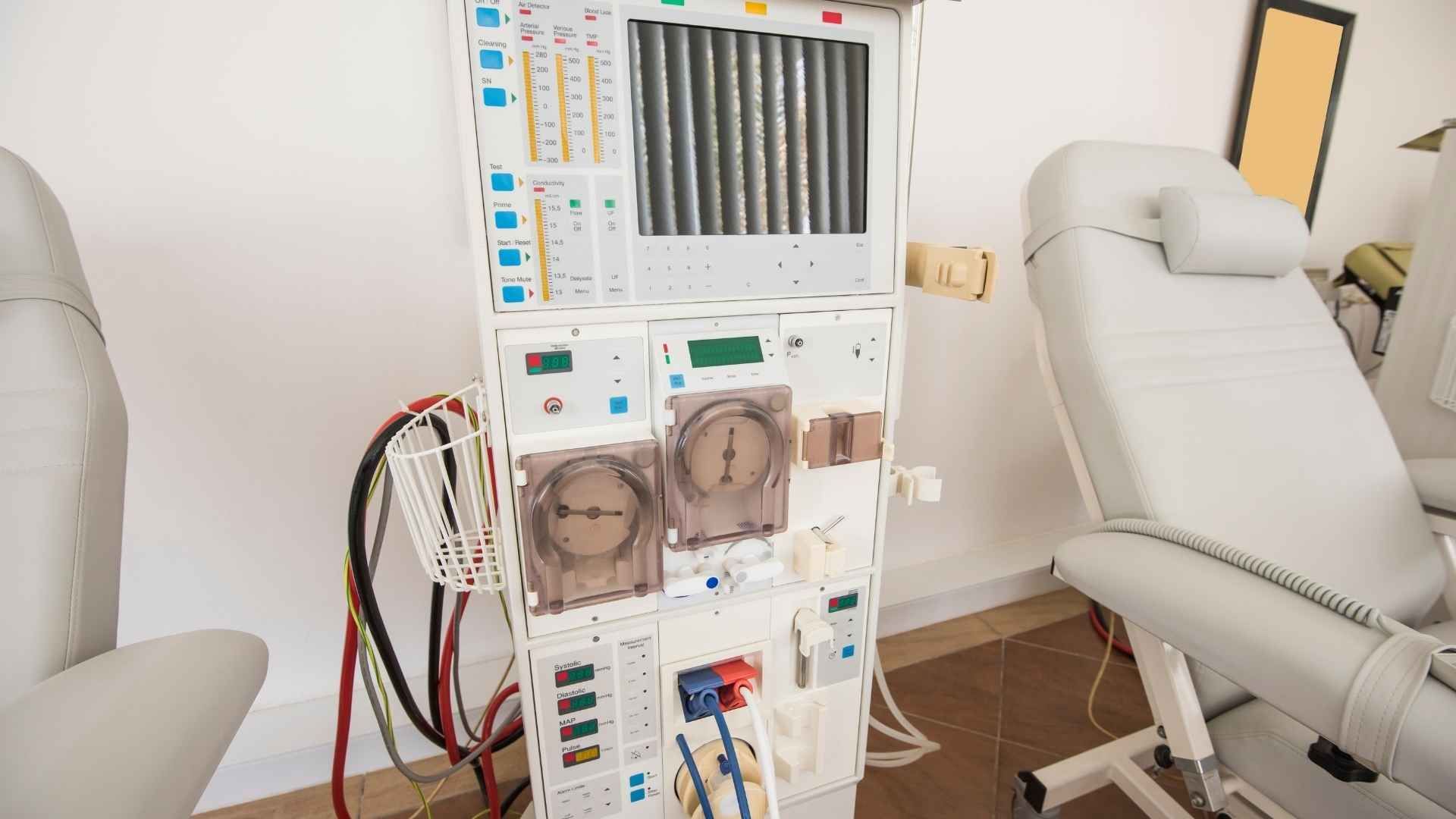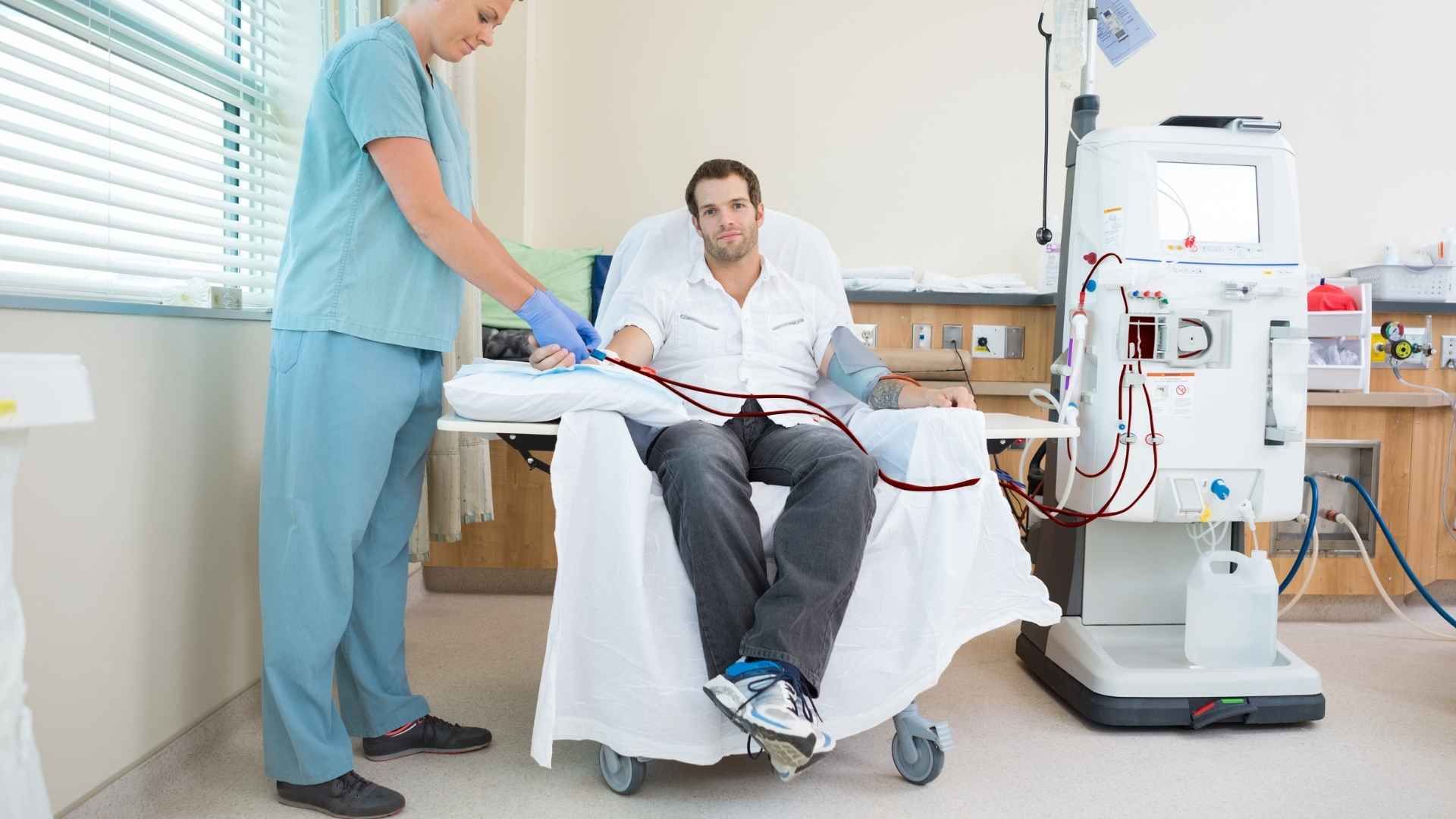


Infusion pump for dialysis machines

August 27, 2025

Introduction to Infusion Pumps in Dialysis

In the realm of dialysis treatment, infusion pumps play an indispensable role. These advanced medical devices ensure the precise and safe administration of medication and fluids, which are critical for patient health outcomes. By examining their function, types, uses, and advancements in technology, we can appreciate the significance of infusion pumps in the dialysis process.

Understanding the Functionality of Infusion Pumps in Dialysis

Function of Infusion Pumps

Infusion pumps play a crucial role in dialysis treatments by providing precise delivery of medications and fluids. They ensure that the necessary doses are administered accurately, which is vital for effective therapy. These devices can manage several vital processes, such as controlling fluid volumes and drug dosages that are essential for patient safety.

Importance in Dialysis

The reliance on infusion pumps in dialysis cannot be overstated. They facilitate tailored treatment regimens by enabling medical professionals to adjust rates and dosages meticulously according to individual patient needs during sessions. For example, during peritoneal dialysis, infusion pumps efficiently deliver dialysis solutions into the abdominal cavity, ensuring that nutrient delivery is optimized.

Patient Safety Enhancements

One of the significant benefits of using infusion pumps is the enhancement of treatment safety. By automating dosage administration, infusion pumps significantly reduce the risk of human error, which can have critical consequences for patient outcomes during dialysis treatments. Additionally, these pumps incorporate user-friendly interfaces and built-in safety features, such as alarms for irregularities, further safeguarding patient health.

Infusion Pump Type Functionality Recommended Models
Volumetric Pumps For general fluid delivery 2250Z Series, 8003 Series
Syringe Pumps For precise medication dose 7011 Series, 1420 Series
Peristaltic Pumps For transferring saline SR 25 Series, Thomas 2250 Series WOB-L®

In summary, infusion pumps in dialysis treatments are indispensable, ensuring that patients receive safe and effective care.

Types of Infusion Pumps and Their Specific Applications

What are the different types of infusion pumps?

Different types of infusion pumps play crucial roles in various medical settings. Here’s a brief overview of some common types:

  • Volumetric pumps: Commonly used in hospitals, these pumps can deliver large volumes of fluids accurately over a specified period.
  • Syringe pumps: Often found in smaller settings or during surgery, they use a syringe to deliver precise amounts of medication.
  • Portable (ambulatory) pumps: Designed for patients who need continuous infusion but are on the move, these are lightweight and battery-operated.
  • Patient-Controlled Analgesia (PCA) pumps: Allow patients to self-administer pain relief medication within preset limits.
  • Insulin pumps: Provide continuous insulin delivery and enable better management of diabetes.

Classification

Infusion pumps can be classified based on their volume capacity and application:

Type Volume Capacity Typical Use
Large volume pumps Greater than 100 mL/hr Hospital infusion therapy
Portable pumps Variable (usually < 25 mL/hr) Outpatient or home healthcare
Stationary pumps Fixed installation In-patient settings

Specific applications in medical settings

Infusion pumps are essential across a range of medical applications:

  • Dialysis treatment: Infusion pumps manage medication and fluid delivery crucial for patient safety during dialysis sessions, including heparin for clot prevention.
  • Medication administration: They ensure accurate dosages for patients undergoing chemotherapy, pain management, or fluid replacement therapy.
  • Nutritional support: Enteral pumps deliver essential nutrients directly to a patient’s digestive tract.

These devices enhance precision in treatment delivery, minimize human error, and allow for customizable infusion rates tailored to individual patient needs.

Technological Advancements and Safety Features

Recent Advancements

Infusion pumps are pivotal in modern dialysis treatments, enabling precise delivery of medications and fluid management. Recent advancements in infusion pump technology have significantly improved their reliability and ease of use. These pumps now frequently incorporate user-friendly interfaces and sophisticated software programs designed to optimize medication administration. Innovations such as automated cleaning protocols and enhanced safety alarms support healthcare providers in maintaining patient safety.

Safety Features in Dialysis Infusion Pumps

The safety features integrated into dialysis infusion pumps are crucial for reducing human error and ensuring effective treatment regimens. Among these features are built-in pressure monitors and air bubble detectors, which help prevent complications during therapy sessions. Utilizing valveless piston pumps has also gained popularity due to their consistent flow delivery, reducing the risk of improper medication administration.

Reducing Risks During Dialysis

To further mitigate risks, dialysis infusion pumps continuously monitor key metrics such as blood pressure and flow rates. Alarms trigger immediately if an abnormal reading occurs, allowing for swift action to secure patient well-being. Additionally, thorough preparation and ongoing maintenance are vital. Users must regularly check their pumps for leaks, ensure the hygiene of insertion sites, and attend professional check-ups to bolster the safety of infusion therapies.

Aspect Details
Advancements Introduction of user-friendly interfaces and automated features for improved monitoring.
Safety Features Pressure monitors, air bubble detection, and alarms that alert staff to potential issues during treatment.
Risk Reduction Measures Regular pump checks, proper training, and site hygiene practices help minimize risks associated with dialysis treatment.
Common Problems Software defects, user interface confusion, and mechanical failures can compromise the safety and reliability of infusion pumps during critical therapies.

Differentiating Infusion Pumps from IV Pumps

What is the difference between an IV pump and an infusion pump?

An infusion pump is a sophisticated device used to deliver fluids, medications, and nutrients into a patient's body at a controlled rate. It can operate through multiple access routes such as intravenous (IV), subcutaneous, or epidural. Conversely, an IV pump is a specialized subset of infusion pumps designed solely for administering fluids and medications directly into a patient’s bloodstream through the veins.

While both infusion pumps and IV pumps aim to enhance patient safety and minimize human errors in medication delivery by providing precise dosage control, their applications vary significantly. IV pumps serve exclusively for intravenous therapy, whereas infusion pumps are versatile enough to be used for enteral nutrition, pain management, chemotherapy, and other medical requirements beyond IV administration.

In summary, while every IV pump functions as an infusion pump, not all infusion pumps qualify as IV pumps. This distinction highlights the broader application capabilities of infusion pumps compared to their IV counterparts.

Broad applications

Infusion pumps have a wide array of applications in healthcare settings. They are frequently used in:

  • Dialysis Treatment : Delivering medications and fluids crucial for patient safety.
  • Pain Management : Allowing for controlled delivery of analgesics.
  • Nutritional Support : Administering enteral nutrition efficiently.
  • Chemotherapy : Ensuring precise dosing of cancer medications.

These applications illustrate the significance of infusion pumps in various medical scenarios, particularly in tailored treatment regimens.

Importance in dialysis settings

The role of infusion pumps in dialysis settings cannot be overstated. They ensure:

  • Accurate medication delivery : Essential for preventing complications related to clotting and maintaining blood pressure.
  • Fluid management : Providing precise control over the volumes during dialysis treatments.
  • Patient safety : Minimizing risks through technology-designed mechanisms that reduce human error.

These features significantly enhance the effectiveness of dialysis therapy, leading to improved health outcomes for patients.

Selecting the Right Infusion Pump for Dialysis

Key factors in choosing infusion pumps

When selecting an infusion pump for dialysis, several important factors must be taken into account. These include:

  • Flow Rates : Different types of dialysis require specific flow rates, making it crucial to choose a pump that matches these needs. For example, clinical hemodialysis usually calls for flow rates between 300 to 500 mL/min.
  • Types of Fluids : The compatibility of the pump with dialysis solutions is critical. Valveless piston pumps are favored due to their precision and reliability in delivering various fluids, including dialysate.
  • Operating Pressure and Accuracy : Pumps must maintain strict pressure levels to ensure safe medication delivery. A pump's accuracy in dosage administration directly impacts patient safety.

Specific needs in dialysis

Dialysis patients have unique requirements, including:

  • Medication Dosage : Infusion pumps allow for tailored medication regimens essential for clot prevention, blood pressure management, and anemia treatment.
  • Fluid Management : Accurate control over fluid volumes is vital to avoid complications related to fluid overload.

Advantages of specific pump types

Various types of infusion pumps offer distinct benefits:

  • Volumetric Pumps : Suitable for large-scale fluid management requiring precise dosing.
  • Syringe Pumps : Ideal for small volumes and for administering critical medications like heparin.
  • Ambulatory Pumps : Allow for mobility, enabling patients to continue daily activities while receiving treatment.

Type of Pump Key Benefits Best Use Cases
Volumetric Pumps High precision and flexibility Clinical settings
Syringe Pumps Smaller, exact doses Heparin administration
Ambulatory Pumps Portable, patient-friendly Home hemodialysis

Selecting the correct infusion pump enhances treatment safety and facilitates effective dialysis therapy, ultimately improving patient health outcomes.

Conclusion: The Indispensable Role of Infusion Pumps

Infusion pumps have undoubtedly transformed the way dialysis therapy is administered by enhancing precision, safety, and adaptability to individual patient needs. Understanding their function, advancements, and the specific requirements when selecting the right pump ensures that healthcare professionals are equipped to make informed decisions, ultimately benefiting patient care in dialysis treatments.

References

Home Infusion Therapy in New York
June 17, 2026
Pharmko is based in New York and provides home infusion therapy statewide — IV antibiotics, IVIG, TPN, IDPN, and specialty medications. Licensed, ACHC accredited, and available 24/7.
Home Infusion for Osteomyelitis
June 15, 2026
Osteomyelitis requires weeks of IV antibiotics that can often be completed at home. Learn who qualifies for OPAT, what the treatment timeline looks like, and how Pharmko supports bone infection recovery.
What Is a PICC Line
June 15, 2026
Learn what a PICC line is, how it's inserted, how to care for it at home, and why it's the most common IV access device for home infusion therapy. Pharmko nurses provide full PICC line training.
IV Iron Infusion at Home: Feraheme, Injectafer, and Iron Deficiency Anemia Treatment
June 12, 2026
Learn how IV iron infusion works at home — which products are used, who qualifies, what to expect during treatment, and how Pharmko delivers iron infusion therapy across 22+ states.
Home Infusion for Multiple Sclerosis
June 11, 2026
Learn how home infusion therapy works for multiple sclerosis, including Ocrevus and Tysabri, who qualifies for home-based MS infusions, what to expect, and how Pharmko coordinates care.
TPN at Home: Who Qualifies, How It Works, and What to Expect
June 11, 2026
Learn how total parenteral nutrition (TPN) at home works — who qualifies, how it's delivered, what daily life looks like, and how Pharmko supports patients from first dose through long-term therapy.
Low Albumin in Dialysis Patients
June 3, 2026
Low albumin is a key marker of malnutrition in dialysis patients. Learn what causes albumin decline, when IDPN is indicated, and how Pharmko supports renal nutrition across 22+ states.
Home Infusion Pump Types
June 2, 2026
Learn about the different types of infusion pumps used in home therapy, ambulatory, electronic, elastomeric, and CADD pumps, and how your pump is matched to your specific treatment.
Home Infusion for Rheumatoid Arthritis
May 30, 2026
Learn how home infusion therapy works for rheumatoid arthritis — including Remicade (infliximab) and other IV biologics, who qualifies for home treatment, and how Pharmko supports ongoing RA care.
Sterile Compounding Safety
May 26, 2026
When a patient or provider chooses a compounding pharmacy to prepare IV medications, they are trusting that the pharmacy operates under rigorous, independently enforced standards. In the United States, those standards are defined by two chapters of the United States Pharmacopeia: USP <797> for sterile compounding and USP <800> for hazardous drug handling. Pharmko operates in full compliance with both chapters. Understanding what these standards require, and what happens when they are not met, helps patients and providers make informed decisions about which pharmacy they trust with their care. What Is USP <797>? USP <797> (Pharmaceutical Compounding, Sterile Preparations) is the national standard that defines the minimum requirements for compounding sterile preparations safely. It covers: Cleanroom environment classification, ISO Class 5 at the point of compounding, ISO Class 7 for the surrounding buffer area, ISO Class 8 for the ante-room Personnel training, gowning, and aseptic technique requirements Sterilization and filtration methods by product type Beyond-use dating (BUD), how long a compounded sterile preparation remains safe to use Environmental and personnel monitoring schedules Quality assurance, documentation, and deviation management USP <797> applies to every pharmacy that prepares IV solutions, injections, eye drops, or other sterile preparations, whether they are a hospital pharmacy, ambulatory infusion center, or specialty pharmacy like Pharmko. The 2023 Revision: What Changed USP <797> was significantly revised in 2023 (effective November 2023). Key changes include: Stricter beyond-use date requirements, compounded sterile preparations must now meet more conservative dating limits unless sterility testing supports extended dating Enhanced environmental monitoring, more frequent air and surface sampling with defined action levels Clearer personnel qualification requirements, competency assessments are now required at defined intervals New category system, preparations are now categorized (Category 1 and Category 2) based on sterility assurance level and BUD Pharmacies that were compliant under the previous version of USP <797> must have updated their procedures and infrastructure to meet the 2023 revision. Pharmko updated our facilities, policies, and documentation systems in alignment with the revised chapter. What Is USP <800>? USP <800> (Pharmaceutical Compounding, Hazardous Drugs) establishes standards for the safe handling of hazardous drugs throughout the pharmacy, from receipt and storage to preparation, dispensing, and waste disposal. Hazardous drugs include certain chemotherapy agents, antiviral medications, hormones, and other drugs that pose risks of carcinogenicity, reproductive toxicity, or organ damage at low exposure levels. USP <800> requires: Negative-pressure ventilated containment primary engineering controls (C-PECs) for hazardous drug compounding Separate, dedicated hazardous drug storage areas Personal protective equipment (PPE) requirements for all staff handling hazardous drugs Closed-system drug transfer devices (CSTDs) for certain preparations Spill kits and exposure management protocols Why These Standards Matter for Patients The consequences of non-compliance are serious. High-profile compounding pharmacy failures, including a 2012 fungal meningitis outbreak linked to contaminated steroid injections that killed 64 patients and injured hundreds, demonstrated what happens when sterile compounding standards are not followed. For patients receiving home IV therapy, USP <797> compliance is not a credential to check once and forget, it reflects the ongoing daily practices of the pharmacy preparing their medications. Patients and providers should verify that any pharmacy preparing their IV solutions is accredited, state-licensed, and actively compliant with current USP standards. How Pharmko Meets These Standards Pharmko's sterile compounding facility is designed, staffed, and operated to meet USP <797> and USP <800> requirements. We are ACHC accredited, state-licensed in 22+ states, and subject to regulatory inspection. Every batch we compound is reviewed by a licensed pharmacist, and our environmental and personnel monitoring data is reviewed on a defined schedule. For a broader overview of what sterile compounding is and how it differs from retail pharmacy, see our guide on what is sterile compounding for IV therapy . For providers interested in our compounding capabilities, see our physician services page or contact our pharmacy team directly. → Contact Pharmko about sterile compounding: 1-877-540-2003
Show More