



Renal nutrition education for patients

September 3, 2025

Introduction to Renal Nutrition

Managing kidney disease through nutrition is a vital component of patient care. A renal diet focuses on maintaining kidney health by carefully controlling the intake of certain nutrients that kidneys struggle to process, thus preventing waste accumulation and further complications.

Importance of a Renal Diet and Nutritional Strategies

What is the importance of a renal diet?

A renal diet is crucial for managing chronic kidney disease (CKD) as it helps slow kidney damage and improve overall health, thereby reducing the risk of complications. This diet typically involves limiting sodium, phosphorus, potassium, and protein intake to ease the kidneys' filtering workload and maintain fluid and electrolyte balance.

Proper dietary management can prevent the accumulation of waste products in the blood, which could exacerbate kidney damage and lead to other health issues. For instance, excessive sodium can increase blood pressure and fluid retention, while high phosphorus intake can weaken bones. Therefore, specific food selections are recommended, favoring fresh foods and home-cooked meals over processed options.

Additionally, working with a registered dietitian can ensure that CKD patients receive adequate calories and nutrients tailored to their individual needs. This personalized approach is essential since the required restrictions may change based on the stage of kidney disease and individual health conditions.

Ultimately, a well-structured renal diet not only supports kidney health but also helps maintain a good quality of life for those living with kidney disease. By following appropriate dietary guidelines, patients can effectively manage their condition and improve their overall well-being.

Nutritional strategies for CKD patients

For CKD patients, several nutritional strategies are recommended:

  • Monitor nutrient intake : Focus on managing sodium, potassium, phosphorus, and protein levels based on individual requirements.
  • Choose low-sodium foods : Prepare meals from scratch and utilize herbs and spices for flavoring instead of salt.
  • Prioritize kidney-friendly foods : Foods like red bell peppers, berries, and fish are great options and are generally low in harmful nutrients.
  • Practice moderation with proteins : Adjust protein consumption according to the stage of kidney disease; those not on dialysis may need to limit protein to reduce kidney strain.
  • Stay hydrated, but control fluids : Particularly for dialysis patients, monitoring fluid intake is essential to prevent complications like shortness of breath.
  • Regularly consult with dietitians : Ongoing support from nutrition experts can adapt meal plans as kidney function changes.

Implementing these strategies effectively contributes to managing CKD and improving patients' quality of life while reducing the risk of further complications.

Teaching Patients with Renal Failure

What can you teach a patient with renal failure?

Managing chronic kidney disease (CKD) effectively is crucial to slow its progression. A comprehensive approach includes several key components. First and foremost, controlling blood pressure is vital, with a target of below 140/90 mm Hg. For those with diabetes, maintaining optimal blood glucose levels is equally essential.

Regular monitoring of kidney function indicators, such as Glomerular Filtration Rate (GFR) and urine albumin levels, is necessary to assess kidney health. A registered dietitian plays a pivotal role in this process, helping patients develop tailored meal plans that limit sodium to less than 2,300 milligrams per day. They also help in managing protein intake while restricting phosphorus and potassium as kidney function declines.

Additionally, incorporating physical activity for at least 30 minutes most days promotes overall health and aids in weight management. Ensuring adequate sleep is another important aspect of maintaining well-being. Addressing underlying health conditions, such as diabetes and hypertension, is vital to protecting kidney health and enhancing patient outcomes.

Role of dietitians in renal health

Dietitians are integral in managing the dietary needs of patients with CKD. They provide education on nutrient management specific to renal diets, which involves a careful balance of proteins, sodium, phosphorus, and potassium. For instance, limiting potassium is essential to avoid hyperkalemia, which can be life-threatening if not controlled. Dietitians also guide patients in choosing kidney-friendly foods, encouraging fresh ingredients cooked from scratch while avoiding processed options high in sodium and unhealthy fats.

Through personalized guidance, dietitians help patients learn how to read nutrition labels, plan meals, and prepare foods that adhere to their dietary restrictions while still being enjoyable. This educational support not only enhances dietary compliance but also empowers patients to take charge of their health.

Nutrient Management in Renal Diets

How do key nutrients like phosphorus, potassium, and sodium impact renal diets?

In renal diets, phosphorus, potassium, and sodium play a significant role due to their profound effects on kidney health. Sodium intake is tightly controlled to prevent fluid retention and manage blood pressure levels. Recommendations generally suggest limiting sodium to less than 2,300 mg daily. Excess sodium can exacerbate fluid buildup, leading to increased blood pressure and further kidney strain.

Potassium management is crucial as well. High potassium levels can lead to hyperkalemia, which poses serious risks such as heart complications. Therefore, individuals on a renal diet often need to restrict potassium intake to between 2,000 to 3,000 mg daily. Foods naturally high in potassium, such as bananas and potatoes, should be consumed cautiously.

Phosphorus must also be monitored closely. Elevated phosphorus levels in the bloodstream can negatively impact bone health and overall kidney function. Thus, dietary sources rich in phosphorus, such as processed foods and certain dairy products, must be limited, especially in advanced stages of kidney disease.

Customizing patient diets

To optimize health outcomes, renal diets must be individualized based on each patient’s specific needs and kidney function. Registered dietitians play a vital role in this process, helping develop tailored meal plans that account for the patient's health status, dietary preferences, and nutritional goals.

For example, if potassium levels are a concern, patients might be encouraged to prepare fresh foods from scratch and use herbs for flavor instead of salt. Similarly, dietary phosphorus may need monitoring with a focus on avoiding processed foods high in additives.

Utilizing resources, such as kidney-friendly recipes and shopping lists, can greatly aid patients in making informed food choices that align with their dietary restrictions. This tailored approach ensures that the dietary management of phosphorus, potassium, and sodium not only supports kidney function but also enhances the overall quality of life for patients with chronic kidney disease (CKD).

Nutrient Recommended Intakes Dietary Implications
Sodium < 2,300 mg/day Control blood pressure, limit fluid retention
Potassium 2,000 - 3,000 mg/day Prevent hyperkalemia, manage heart health
Phosphorus Limit based on kidney function Protect bone health, prevent complications
Protein Moderate based on treatment Support muscle health, reduce kidney strain

A well-rounded, carefully controlled diet can make a significant impact in managing chronic kidney disease and improving patient outcomes.

Kidney-Friendly Recipes and Meal Planning Tips

What are some kidney-friendly recipes and meal planning tips?

When planning kidney-friendly meals, it's essential to focus on options that are low in sodium, phosphorus, and potassium. Here are some ideas:

  • Breakfast : Try nutty oatmeal topped with fresh berries. For a refreshing start, a low-potassium smoothie made with spinach and strawberries offers nutritional benefits without overwhelming potassium levels.

  • Lunch : Prepare a grilled chicken salad filled with a variety of colorful vegetables. Alternatively, a tasty turkey wrap packed with lettuce, tomatoes, and peppers makes for a wholesome meal that’s easy to manage.

  • Dinner : Baked salmon paired with steamed broccoli is a healthy choice rich in omega-3 fatty acids. Another option is a stir-fry featuring lean chicken and an assortment of kidney-friendly vegetables like bell peppers and zucchini, ensuring a flavorful dish.

Incorporating herbs and spices instead of salt can enhance the flavor of meals significantly. This not only keeps your meals kidney-friendly but also supports overall taste satisfaction.

Monitoring portion sizes is crucial to adhere to dietary guidelines, especially as your kidney health progresses. It's advisable to consult with a registered dietitian for personalized meal planning that considers your specific dietary needs. For more kidney-friendly recipes, search for resources that provide comprehensive meal preparation tips.

Meal Type Recipe Ideas Notes
Breakfast Nutty Oatmeal, Low-Potassium Smoothie Focus on fresh fruits like berries
Lunch Grilled Chicken Salad, Turkey Wrap Load with colorful veggies
Dinner Baked Salmon with Broccoli, Stir-fry Use lean meats and kidney-friendly veggies

Health Teachings and Lifestyle Management for Kidney Disease

What are the health teachings for kidney disease patients?

Health teachings for kidney disease patients focus on managing blood pressure and blood sugar levels, especially for those with diabetes, which is a common cause of chronic kidney disease (CKD). It is imperative to limit alcohol consumption and reduce salt intake. A diet rich in heart-healthy foods—such as fruits, vegetables, whole grains, and low-fat dairy products—is essential for maintaining overall well-being.

Regular physical activity also plays a crucial role in kidney health. Patients are encouraged to engage in exercise suited to their abilities, which can help with weight control and improve heart function. Staying hydrated is equally important, but fluid intake has to be monitored closely, especially for those on dialysis.

Monitoring health indicators such as cholesterol, potassium, phosphorus, and blood and urine levels allows for necessary adjustments in treatment. Regular check-ups with healthcare providers will facilitate timely intervention based on test results. Ultimately, these lifestyle modifications and adherence to medical guidance can significantly slow the progression of CKD and enhance overall health.

What lifestyle recommendations are there for CKD?

In addition to dietary changes, recommendations for living with CKD include stress management and getting adequate sleep. Reducing stress through mindfulness or other relaxation techniques can positively impact kidney health. Ensuring that patients receive enough restorative sleep aids in maintaining overall body function and recovery.

It's also beneficial to be educated about kidney function and nutrition. Resources like the NKF provide educational materials that assist patients in understanding how to manage their diet effectively. Patients can follow guidelines for meal preparations, ensuring the use of fresh ingredients and avoiding processed foods high in sodium, phosphorus, and potassium.

To recap, here’s an overview of lifestyle changes for kidney disease management:

Health Aspect Recommendation Notes
Diet Eat a heart-healthy diet with limited salt, potassium, and phosphorus Focus on fruits, vegetables, whole grains
Physical Activity Engage in regular, suitable exercise Helps with weight management and cardiovascular health
Stress Management Practice mindfulness or relaxation techniques Supports overall mental health and kidney function
Monitoring Health Regular blood and urine tests Essential for adjusting treatment as necessary
Hydration Stay hydrated, watch for fluid intake if on dialysis Affects kidney function and health outcomes

Consulting Registered Dietitians for Renal Nutrition

What resources are available for consulting a registered dietitian about kidney health?

Patients seeking guidance on kidney health can consult registered dietitians (RDs) who specialize in renal nutrition. Many hospitals and clinics offer comprehensive nutrition consultation services, both in inpatient and outpatient settings. These RDs conduct thorough nutrition assessments and create individualized nutrition care plans tailored to specific health needs.

Helpful resources include the Nutrition Care Manual, which provides evidence-based materials for dietary education. Additionally, ongoing education opportunities can be found at institutions such as the Abbott Nutrition Health Institute. For convenience, many dietitians now offer virtual consultations, enabling patients to access nutritional support more flexibly.

Role of dietitians in CKD management

Registered dietitians play a critical role in managing chronic kidney disease (CKD). They deliver medical nutrition therapy (MNT), focusing on balancing electrolyte and fluid levels, which is crucial for those with kidney issues. Dietitians help patients make dietary adjustments, such as limiting sodium, phosphorus, potassium, and protein intake, to reduce kidney strain.

Moreover, dietitians instill knowledge on reading nutrition labels, selecting kidney-friendly foods, and employing cooking techniques that mitigate harmful nutrient levels. By collaborating with healthcare teams, dietitians contribute to slowing disease progression and enhancing overall patient health outcomes.

Resource Description Availability
Nutrition Care Manual Evidence-based dietary education materials Online
Abbott Nutrition Health Institute Ongoing education for nutrition professionals In-person/Online
Areas of Specialty Renal nutrition consultations and meal planning Clinics/Hospitals
Virtual Consultation Flexible access to dietary services Online

Conclusion

Navigating the complexities of renal nutrition involves a strategic approach to managing the intake of essential nutrients and adhering to dietary guidelines designed to support kidney health. Through careful dietary planning and consultation with registered dietitians, patients with kidney disease can manage their condition more effectively and maintain a good quality of life. As we've highlighted, key nutrients like sodium, phosphorus, and potassium play pivotal roles in dietary management for CKD patients. By implementing these guidelines and seeking professional nutritional support, kidney patients can positively influence their health outcomes and slow the progression of the disease.

References

July 29, 2026
Compounded medications are a routine part of modern care, but unlike mass-manufactured drugs, each one is prepared individually, which means the standards behind its preparation carry real weight. For providers who order or refer for compounded therapies, a working understanding of those standards is the clearest way to judge whether a pharmacy is safe to trust. This overview covers the standards that govern sterile compounding and what they mean for the medications your patients receive. Why Standards Matter More in Compounding A commercially manufactured drug is produced under FDA oversight in large, validated batches. A compounded medication is prepared for an individual patient, often in small quantities, sometimes because no commercial equivalent exists. That flexibility is exactly why it's clinically valuable — and why the standards around preparation exist. Without rigorous controls, the same customization that helps patients could introduce contamination or error. Our guide to our sterile compounding pharmacy describes how those controls come together in practice. The Regulatory Landscape Sterile compounding sits within a layered framework: The United States Pharmacopeia (USP) publishes the general chapters, most importantly <797> and <800>, that define how compounded preparations should be made and handled. State boards of pharmacy license and inspect pharmacies, including where they're permitted to ship. Multi-state operations must maintain licensure in each state they serve. Accreditation bodies (ACHC, NABP, PCAB) provide independent verification that a pharmacy meets recognized standards. Together, these create the accountability structure behind every compounded dose. USP <797>: Sterile Preparations USP <797> is the cornerstone standard for compounded sterile preparations. It governs the conditions and practices required to keep a preparation free of contamination, including personnel training and garbing, ISO-classified air quality and engineering controls, environmental monitoring, and beyond-use dating. For any medication infused directly into the body, <797> compliance is the baseline expectation, not a premium feature. USP <800>: Hazardous Drugs USP <800> adds a containment layer for hazardous drugs, protecting personnel, patients, and the environment from unintended exposure. It specifies containment engineering controls, PPE, and validated handling procedures for drugs identified as hazardous. When a preparation is both sterile and hazardous, it must satisfy <797> and <800> together. For the details, see our breakdown of USP <800> requirements . Accreditation: Independent Verification Standards are only meaningful if someone checks that they're being met. Accreditation from ACHC, NABP, and PCAB means a pharmacy has been inspected against national benchmarks by an outside authority. For a provider, accreditation is a shortcut to confidence: it signals that the pharmacy's claims about its processes have been independently validated. The Quality-Control Process Behind the standards is a repeatable process that governs each preparation: Pharmacist review of the prescription for appropriateness, compatibility, and dosing Preparation by trained technicians under aseptic conditions In-process and final verification by a licensed pharmacist Sterility testing or filtration validation where required This chain is what turns a standard on paper into a safe medication in a patient's hands. What This Means When You Order When you refer a patient for a compounded therapy, you're effectively extending your own standard of care into another facility. Knowing that a pharmacy is USP-compliant, accredited, and pharmacist-led lets you refer with confidence that the medication will meet the same expectations you'd hold for anything you administer yourself. If you're weighing options, our guide on how to choose a compounding partner walks through the criteria. The Pharmko Standard Pharmko compounds every TPN, IDPN, and IPN preparation in a USP <797>-compliant, ISO Class 5 cleanroom, under ACHC, NABP, and PCAB accreditation, with a licensed pharmacist reviewing and releasing each formula. For the patients who receive our preparations, many of them managing End Stage Renal Disease (ESRD), that standard is the point. Refer a Patient → · [1 (877) 540-2003]
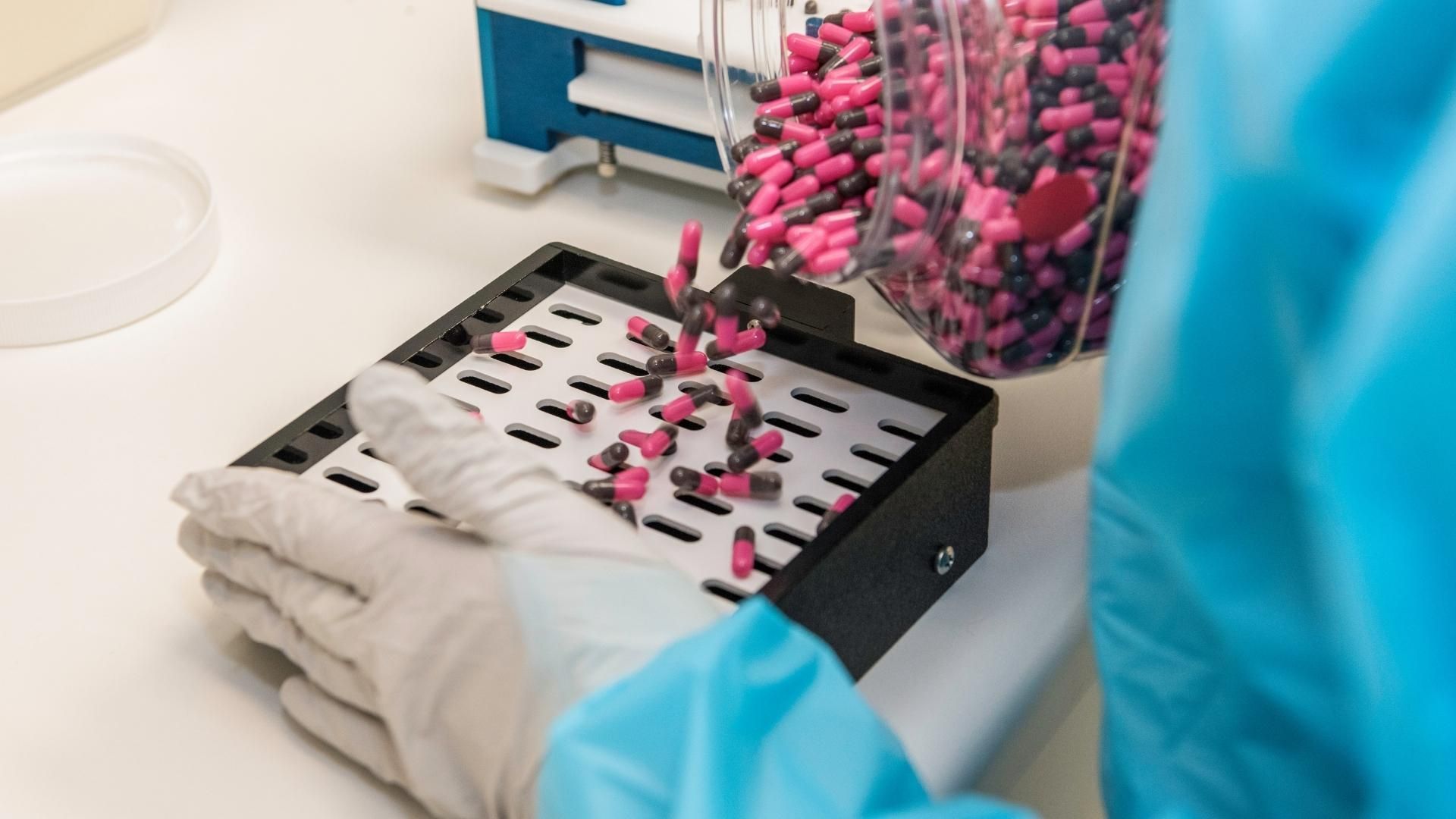
Physician evaluating a sterile compounding pharmacy partner
July 29, 2026
How to evaluate a sterile compounding pharmacy: accreditation, USP compliance, clinical support, turnaround, and the questions every practice should ask.

Sterile compounding pharmacy technician in PPE under a containment hood
July 29, 2026
A clear guide to USP 800 requirements: hazardous drug handling, containment, PPE, and the facility standards every sterile compounding pharmacy must meet.
Myasthenia Gravis and IVIG: What Patients Need to Know About IV Therapy
July 20, 2026
Learn how IVIG therapy works for myasthenia gravis, when it's used, what to expect during infusions, how home IVIG is coordinated, and how Pharmko supports MG patients and their neurologists.
Dobutamine and Inotrope Therapy at Home
July 17, 2026
Learn how home dobutamine infusion works for advanced heart failure, who qualifies, how continuous inotrope therapy is managed at home, and how Pharmko supports cardiac patients and heart failure teams.
CIDP and Home Infusion: IVIG Treatment, Dosing Schedule, and Long-Term Management
July 16, 2026
Learn how IVIG therapy works for CIDP, what the dosing schedule looks like, how to transition to home infusion, and how Pharmko supports long-term CIDP management across 22+ states.
Compounded IV Medications
July 15, 2026
Most medications that patients receive at a hospital or pharmacy come in standardized, commercially manufactured forms, a 500mg antibiotic vial, a pre-filled syringe, a fixed-concentration IV bag. These products work well for many patients. But a significant portion of patients receiving IV therapy have clinical needs that commercial products cannot meet: a dose the manufacturer doesn't make, a formulation incompatible with the patient's allergy profile, or a combination of nutrients that must be tailored to individual lab values. For these patients, compounded IV medications are not optional, they are clinically necessary. Pharmko's sterile compounding services prepare customized IV medications for patients across 22+ states, with every formulation reviewed by a licensed pharmacist and prepared in a USP <797> compliant cleanroom. What Makes an IV Medication 'Compounded'? A compounded medication is one that is prepared specifically for an individual patient by a licensed pharmacist, rather than manufactured in bulk by a pharmaceutical company. Compounding involves combining, mixing, or altering ingredients, active pharmaceutical ingredients, diluents, preservatives, to create a final preparation that meets the patient's unique prescription requirements. For IV therapy specifically, compounding means preparing a sterile preparation, one that is completely free of viable microorganisms and safe to inject or infuse directly into the bloodstream. This requires specialized facilities, equipment, training, and quality systems that go far beyond what a standard retail pharmacy can provide. Pharmko is exclusively a sterile compounding pharmacy. We do not compound oral medications, topical creams, or non-sterile preparations. Every product we make is intended for intravenous, intraperitoneal, or subcutaneous administration. When Are Compounded IV Medications Necessary? The required dose doesn't exist commercially Pharmaceutical manufacturers produce medications in standardized strengths and volumes based on average patient needs. Pediatric patients, patients with renal or hepatic impairment requiring dose adjustments, or patients whose weight or clinical status falls outside standard ranges may need concentrations or volumes that no commercial product provides. Compounding fills this gap precisely. The patient has an allergy to a commercial formulation's inactive ingredients Commercial IV products often contain preservatives, stabilizers, or diluents, sulfites, benzyl alcohol, certain dyes, that some patients cannot tolerate. A compounding pharmacy can prepare an equivalent formulation without the offending ingredient, allowing the patient to receive the therapy safely. The medication requires individualized nutrient formulation Total parenteral nutrition (TPN) is the clearest example: every TPN formula must be individually compounded because no commercial product can provide the precise combination of amino acids, dextrose, lipids, electrolytes, vitamins, and trace minerals a specific patient needs. The formula changes as the patient's labs, weight, and clinical status change, making standardization impossible. The commercial product is unavailable or in shortage Drug shortages are a persistent reality in the US pharmaceutical supply chain. When a commercially manufactured IV medication becomes unavailable, compounding pharmacies can often prepare an equivalent formulation from available active pharmaceutical ingredients, bridging the gap and maintaining continuity of therapy for patients who cannot wait. The therapy requires a custom delivery format Some IV medications require specific pH, osmolarity, or concentration adjustments for compatibility with a patient's IV access device or concurrent medications. A compounding pharmacist reviews compatibility and prepares formulations that are safe and stable for the specific administration route and equipment the patient is using. How Compounded IV Medications Are Made Step 1: Prescription review Every compounded IV medication begins with a valid prescription from a licensed prescriber. Pharmko's pharmacists review the prescription for clinical appropriateness, dosing accuracy, ingredient compatibility, and stability before compounding begins. Step 2: Ingredient sourcing and verification Active pharmaceutical ingredients for compounding must come from FDA-registered suppliers and meet USP monograph specifications. Each lot is verified for identity, potency, and purity before use. Step 3: Sterile preparation in a controlled environment Preparation occurs in an ISO Class 5 laminar airflow workbench or biological safety cabinet, located within a buffer room that meets ISO Class 7 air quality standards. Pharmacy technicians follow validated, written procedures for each preparation type, using aseptic technique to prevent contamination at every step. Step 4: Pharmacist verification and release A licensed pharmacist performs a final check of every preparation, verifying appearance, volume, labeling, and documentation, before the product is released. High-risk or complex preparations may undergo sterility testing with defined beyond-use dates based on test results. Step 5: Cold-chain delivery Most compounded IV medications require refrigeration. Pharmko uses validated cold-chain packaging and delivery logistics to ensure products arrive within their stability windows and remain temperature-controlled until the patient uses them. Quality Standards That Matter Not all compounding pharmacies operate at the same standard. The relevant quality benchmarks for sterile compounding are: USP <797> compliance, the national standard for sterile compounding environments, personnel, and processes. Our guide on USP <797> and USP <800> explains what compliance means in practice ACHC accreditation, independent third-party verification that Pharmko meets clinical quality standards for home infusion and sterile compounding State pharmacy board licensure, Pharmko is licensed in every state where we serve patients Environmental and personnel monitoring, documented air and surface sampling, personnel gowning competency assessments, and media fill testing at defined intervals For a foundational overview of what sterile compounding is and how it differs from retail pharmacy, see our guide on what is sterile compounding for IV therapy . → Contact Pharmko about compounded IV medications: 1-877-540-2003
home infusion therapy Pennsylvania
July 14, 2026
Pharmko provides home infusion therapy across Pennsylvania, IV antibiotics, IVIG, TPN, biologics, and specialty medications. Licensed, ACHC accredited, and available 24/7 statewide.
Home Infusion Therapy in New Jersey
July 14, 2026
Pharmko provides home infusion therapy across New Jersey, IV antibiotics, IVIG, TPN, IDPN, biologics, and more. Licensed, ACHC accredited, and available 24/7 statewide.
Renal dietitian reviewing albumin labs for a peritoneal dialysis patient
July 10, 2026
When to consider IPN for peritoneal dialysis patients with low albumin: clinical criteria, the stepwise nutrition approach, and the referral process.
Show More