Safe GLP use for young adults

September 3, 2025

Introduction to GLP-1 Receptor Agonists

GLP-1 receptor agonists (GLP-1RAs) such as semaglutide have become increasingly popular in addressing weight management issues among young adults. With rising prescriptions and growing interest in these medications, it is crucial to explore their implications, safety, and efficacy for younger demographics. While these drugs hold promise, it's essential for young users and healthcare providers to be fully informed about their usage to ensure safe and optimal outcomes.

What Are GLP-1 Receptor Agonists?

Definition and Mechanism

GLP-1 receptor agonists are a class of medications primarily known for their role in managing type 2 diabetes and facilitating weight control. They mimic the action of the glucagon-like peptide-1 (GLP-1) hormone, which is crucial for glucose metabolism. This mechanism results in several effects:

  • Stimulates Insulin Secretion : Helps lower blood sugar levels by promoting insulin release from the pancreas when glucose is present.
  • Decreases Glucagon Levels : Reduces the secretion of glucagon, a hormone that raises blood sugar, further aiding in glucose regulation.
  • Slows Gastric Emptying : This not only enhances satiety but also provides a delay in glucose absorption, contributing to better post-meal blood sugar control.

Common medications in this category include Liraglutide (Victoza), Dulaglutide (Trulicity), and Semaglutide (Ozempic).

Common Uses

GLP-1 receptor agonists are not just effective for managing diabetes; they have also been embraced in weight management, particularly among adolescents and young adults dealing with obesity-related complications. In fact, Semaglutide has been approved for weight management in adolescents aged 12 to 17.

The following summarizes their applications:

Use Case Description
Type 2 Diabetes Management Helps control blood sugar levels through enhanced insulin response and reduced glucagon.
Weight Loss Promotes feelings of fullness and aids in weight loss, improving overall health and mobility in users.

While effective, common side effects may include gastrointestinal issues like nausea and bloating. As new results emerge, the safety of these medications continues to be evaluated, particularly regarding long-term use in younger populations.

Efficacy of GLP-1 Drugs in Treating Obesity

Are GLP-1 medications, like semaglutide, effective for obesity treatment in young adults?

Semaglutide and other GLP-1 medications have demonstrated significant effectiveness in treating obesity among young adults. Clinical trials reveal an impressive 16.1% average reduction in BMI among adolescents treated with semaglutide, in stark contrast to a mere 0.6% change in the placebo group.

Moreover, an encouraging 73% of those receiving semaglutide achieved at least 5% weight loss , underscoring the medication’s substantial efficacy. This treatment not only facilitates weight loss but also shows improvements in critical health metrics such as waist circumference and glycemic control .

However, it is important to note that gastrointestinal side effects, like nausea and abdominal pain, were prevalent among those taking semaglutide. Fortunately, these side effects were generally mild and transient.

Despite the positive outcomes, the long-term safety and efficacy of GLP-1 medications in younger populations remain inadequately studied. There is an urgent need for further research to comprehensively evaluate the implications of semaglutide use in the treatment of obesity in young adults.

Potential Side Effects and Risks

What are the potential side effects and safety concerns of using GLP-1 medications in young adults?

GLP-1 medications, while generally well-tolerated among young adults, can lead to common side effects. These typically include nausea , vomiting , bloating , abdominal pain , and in some cases, diarrhea or loss of appetite, especially at the start of treatment or when dosages are increased.

Serious side effects, although rare, may include pancreatitis , risks of medullary thyroid cancer , and acute kidney injury . This emphasizes the need for ongoing monitoring by healthcare providers. Additionally, there are concerns that these medications could potentially contribute to eating disorders among young people, drawing attention to the psychological impacts of weight management focused treatments.

Emerging data indicates that GLP-1 medications do not appear to pose unique risks in adolescents compared to adults. In fact, they can promote overall well-being, provided they are used appropriately. For young women especially, considerations must be taken regarding potential impacts on pregnancy and medication interactions with birth control.

Long-Term Concerns

The long-term safety of GLP-1 medications in young users is still under scrutiny. Given that these medications are relatively new, there is limited information on their effects over extended periods. Experts recommend a cautious approach, advising continuous evaluations of safety profiles in this demographic. Careful attention to prescribing practices is crucial, especially among adolescents , considering significant increases in the prescription rates involved.

In summary, while GLP-1 medications can be beneficial for weight management in young adults, healthcare providers must balance these advantages against potential side effects and long-term risks, ensuring personalized treatment plans that account for each patient's health needs.

Prescribing GLP-1 Medications to Young Adults

Eligibility and Precautions

GLP-1 medications, such as Ozempic (semaglutide) and Wegovy, are intended for individuals 18 and older. While many young adults may seek these treatments for weight management or obesity-related health issues, caution is paramount. Key considerations before prescribing include evaluating the individual’s health status, medical history, and any potential contraindications.

Despite the potential benefits, prescribers must monitor young patients closely for side effects, particularly gastrointestinal issues like nausea and bloating. Recent studies highlight that while mental health risks concerned initial discussions, findings now suggest that GLP-1 drugs can promote overall wellness in young adults. However, it's essential to avoid off-label or quick-fix approaches for managing obesity complexities, as these medications are not a substitute for comprehensive lifestyle change.

Role of Healthcare Providers

Endocrinologists, nurse practitioners, and family medicine physicians play pivotal roles in prescribing GLP-1 medications. Given the significant rise in prescriptions among young adults—nearly 600% from 2020 to 2023—there is a pressing need for healthcare professionals to be equipped with knowledge about the long-term effects and safety profiles of these drugs.

Each patient's unique response may also vary; thus, effective communication about risks, especially for female patients regarding pregnancy and breastfeeding, is crucial. Research indicates a predominant rise in GLP-1RA dispensing among young women, highlighting the importance of tailored educational efforts surrounding the treatment's use and safety risks.

Is Ozempic safe for young adults and what should be considered before prescribing it to them?

Ozempic, which contains semaglutide, is approved for individuals 18 and older. While it's generally considered safe, it must be prescribed with caution, taking into account the individual's age and medical history. Consultation with a healthcare provider is essential to ensure its appropriateness and to monitor treatment closely.

Rising Demand for GLP-1 Medications

How is the demand and prescription rate of GLP-1 medications changing among younger populations?

The demand and prescription rate of GLP-1 medications among younger populations are experiencing significant increases. In particular, there has been a notable surge among adolescents and young adults, with prescriptions for GLP-1 receptor agonists like Ozempic and Wegovy skyrocketing by nearly 600% between 2020 and 2023.

As of 2023, more than 60,000 individuals aged 12 to 25 were using these medications, a substantial rise from just under 9,000 in 2020. This shift is largely driven by the medications’ proven efficacy in managing obesity and type 2 diabetes, making them appealing options for young patients battling weight-related health issues. The growing acceptance of GLP-1 drugs is evidenced by a doubling of prescriptions specifically for patients with obesity-related conditions.

In another statistic highlighting this trend, the medication’s use among youth with type 1 diabetes increased dramatically from less than 3% to 21% over a span of 15 years, indicating an expanding recognition of these treatments.

Factors Driving Demand

Several factors contribute to the growing interest in GLP-1 medications among youth:

  1. Effectiveness : Proven results in helping patients achieve significant weight loss and improved metabolic health.
  2. Awareness : Increased dialogue around obesity and its associated health risks has pushed families to seek solutions.
  3. FDA Approvals : Recent approvals of drugs like semaglutide for adolescent weight management have paved the way for more prescriptions.
  4. Social Influences : Social media and peer discussions may also play a role in normalizing medication as a viable option for weight management among young people.

The accompanying rise in prescriptions demonstrates the importance of addressing the unique needs of this demographic, particularly given the sex-specific safety concerns, especially for female patients regarding their reproductive health.

Year Number of Prescriptions Population Group
2020 8,722 Ages 12-25
2023 60,567 Ages 12-25
2023 65% Female Adolescents (12-17)
2023 76% Young Adults (18-25)

This highlights a significant need for healthcare providers to ensure safe prescribing practices while addressing affordability and access issues, essential for effective treatment outcomes in adolescents and young adults.

Recent Research and Future Directions

What recent research findings are available on the use of GLP-1 medications in adolescents and young adults?

Recent research has revealed a sharp uptick in the dispensing of GLP-1 receptor agonists (GLP-1RAs) among adolescents and young adults, showing an impressive 594.4% increase from 2020 to 2023. This surge is particularly notable among young women, indicating a growing reliance on these medications for effective obesity management. Following the FDA's approval of semaglutide for adolescents aged 12 to 17 in December 2022, both endocrinologists and nurse practitioners have primarily taken on the role of prescribers.

Interestingly, a cohort study observed that adolescents using GLP-1RAs experienced a 33% lower risk of suicidal ideation compared to those relying solely on lifestyle interventions. This points toward potential mental health benefits associated with these medications, which contrasts with earlier concerns. However, significant disparities in health insurance coverage for these drugs may worsen equity gaps across socio-economic and racial/ethnic groups, highlighting the importance of addressing accessibility.

Long-term effects and safety profiles of GLP-1RAs for younger populations remain inadequately explored. There is an urgent need for further research to ascertain the potential implications of prolonged usage and to develop guidelines that ensure safe prescribing practices. It is vital that ongoing studies explore these dimensions thoroughly to validate these medications' efficacy and safety.

Unanswered Questions

As research progresses, several questions remain unanswered regarding GLP-1 medications' long-term impact on adolescents and young adults. Key areas that require further investigation include:

Area of Inquiry Importance Current Status
Long-term safety profile of GLP-1RAs Understanding risks associated over prolonged use Largely unknown
Effects on weight maintenance after discontinuation Essential for assessing treatment efficacy Limited research
Socioeconomic and racial/ethnic disparities Ensuring equitable access to treatment options Growing concern
Psychological impact beyond suicidal ideation Comprehensive understanding of mental health implications Initial findings
Impact of GLP-1RAs on young women's reproductive health Crucial for advising on pregnancy and breastfeeding risks Needs further study

These areas of research are crucial for optimizing the safety and effectiveness of GLP-1 drugs in youth, pushing for a balanced approach to this emerging treatment option.

Conclusion and Considerations

While GLP-1 receptor agonists present promising opportunities for managing obesity and related health challenges among young adults, it is imperative that their benefits are carefully weighed against potential risks. Ongoing research and careful monitoring will be essential in ensuring that these medications are used safely and effectively. Healthcare providers play a critical role in this process by offering tailored guidance and maintaining vigilance in assessing outcomes to mitigate any adverse effects. Equally important is the need for continued education and discussion about GLP-1 therapies, aiming to empower young users with the information necessary to make informed decisions regarding their health.

References

Dialysis center staff coordinating phosphate binder supply with a pharmacy partner
August 11, 2026
What dialysis centers should look for in a phosphate binder supply partner: reliable delivery, formulary breadth, insurance support, and coordination.
Renal dietitian reviewing phosphate levels with a dialysis patient
August 11, 2026
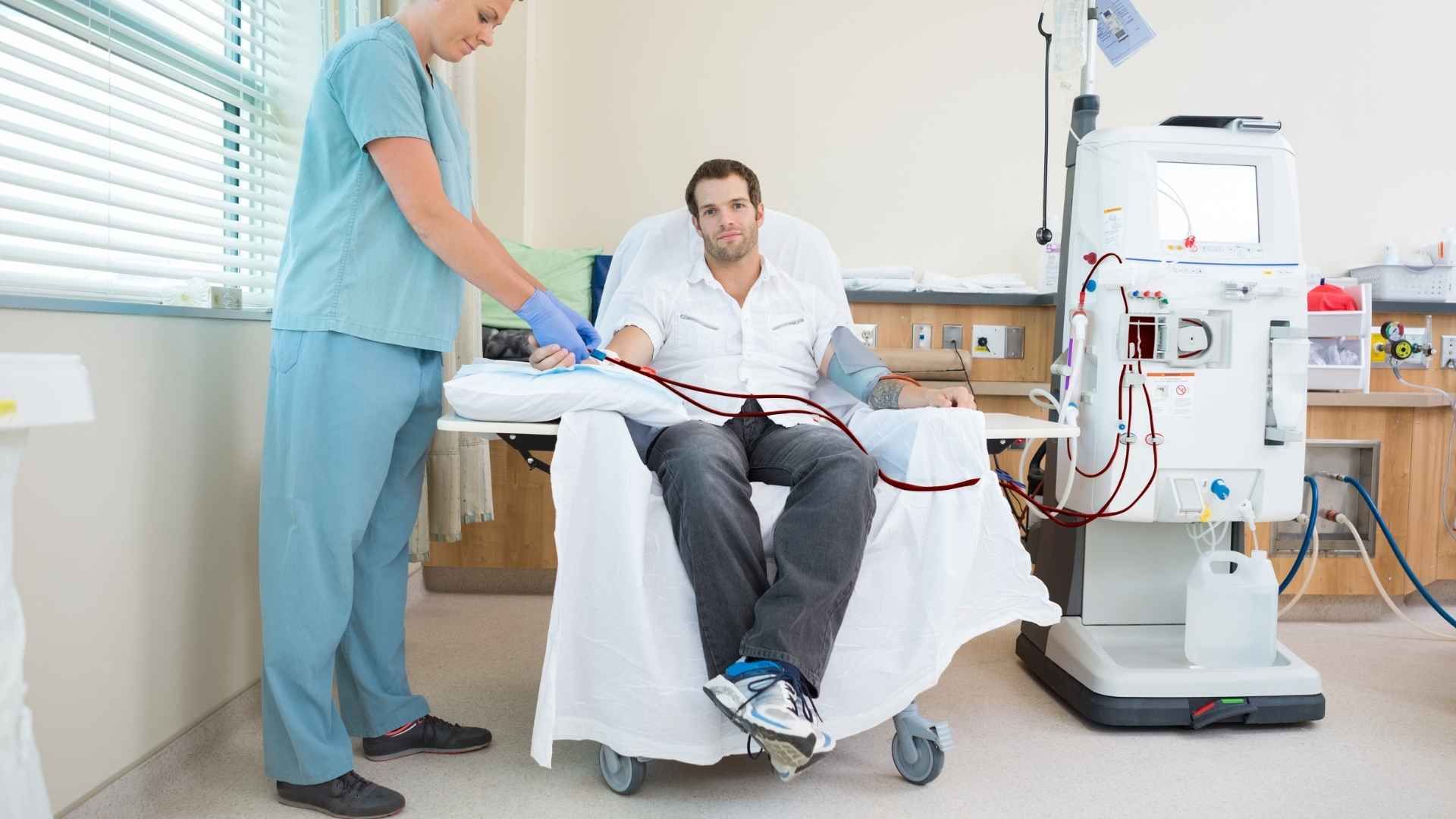
How hyperphosphatemia is managed in ESRD dialysis patients, diet, dialysis, and phosphate binders, and why reliable binder supply keeps therapy on track.
July 29, 2026
Compounded medications are a routine part of modern care, but unlike mass-manufactured drugs, each one is prepared individually, which means the standards behind its preparation carry real weight. For providers who order or refer for compounded therapies, a working understanding of those standards is the clearest way to judge whether a pharmacy is safe to trust. This overview covers the standards that govern sterile compounding and what they mean for the medications your patients receive. Why Standards Matter More in Compounding A commercially manufactured drug is produced under FDA oversight in large, validated batches. A compounded medication is prepared for an individual patient, often in small quantities, sometimes because no commercial equivalent exists. That flexibility is exactly why it's clinically valuable — and why the standards around preparation exist. Without rigorous controls, the same customization that helps patients could introduce contamination or error. Our guide to our sterile compounding pharmacy describes how those controls come together in practice. The Regulatory Landscape Sterile compounding sits within a layered framework: The United States Pharmacopeia (USP) publishes the general chapters, most importantly <797> and <800>, that define how compounded preparations should be made and handled. State boards of pharmacy license and inspect pharmacies, including where they're permitted to ship. Multi-state operations must maintain licensure in each state they serve. Accreditation bodies (ACHC, NABP, PCAB) provide independent verification that a pharmacy meets recognized standards. Together, these create the accountability structure behind every compounded dose. USP <797>: Sterile Preparations USP <797> is the cornerstone standard for compounded sterile preparations. It governs the conditions and practices required to keep a preparation free of contamination, including personnel training and garbing, ISO-classified air quality and engineering controls, environmental monitoring, and beyond-use dating. For any medication infused directly into the body, <797> compliance is the baseline expectation, not a premium feature. USP <800>: Hazardous Drugs USP <800> adds a containment layer for hazardous drugs, protecting personnel, patients, and the environment from unintended exposure. It specifies containment engineering controls, PPE, and validated handling procedures for drugs identified as hazardous. When a preparation is both sterile and hazardous, it must satisfy <797> and <800> together. For the details, see our breakdown of USP <800> requirements . Accreditation: Independent Verification Standards are only meaningful if someone checks that they're being met. Accreditation from ACHC, NABP, and PCAB means a pharmacy has been inspected against national benchmarks by an outside authority. For a provider, accreditation is a shortcut to confidence: it signals that the pharmacy's claims about its processes have been independently validated. The Quality-Control Process Behind the standards is a repeatable process that governs each preparation: Pharmacist review of the prescription for appropriateness, compatibility, and dosing Preparation by trained technicians under aseptic conditions In-process and final verification by a licensed pharmacist Sterility testing or filtration validation where required This chain is what turns a standard on paper into a safe medication in a patient's hands. What This Means When You Order When you refer a patient for a compounded therapy, you're effectively extending your own standard of care into another facility. Knowing that a pharmacy is USP-compliant, accredited, and pharmacist-led lets you refer with confidence that the medication will meet the same expectations you'd hold for anything you administer yourself. If you're weighing options, our guide on how to choose a compounding partner walks through the criteria. The Pharmko Standard Pharmko compounds every TPN, IDPN, and IPN preparation in a USP <797>-compliant, ISO Class 5 cleanroom, under ACHC, NABP, and PCAB accreditation, with a licensed pharmacist reviewing and releasing each formula. For the patients who receive our preparations, many of them managing End Stage Renal Disease (ESRD), that standard is the point. Refer a Patient → · [1 (877) 540-2003]
Physician evaluating a sterile compounding pharmacy partner
July 29, 2026
How to evaluate a sterile compounding pharmacy: accreditation, USP compliance, clinical support, turnaround, and the questions every practice should ask.
Sterile compounding pharmacy technician in PPE under a containment hood
July 29, 2026
A clear guide to USP 800 requirements: hazardous drug handling, containment, PPE, and the facility standards every sterile compounding pharmacy must meet.
Myasthenia Gravis and IVIG: What Patients Need to Know About IV Therapy
July 20, 2026
Learn how IVIG therapy works for myasthenia gravis, when it's used, what to expect during infusions, how home IVIG is coordinated, and how Pharmko supports MG patients and their neurologists.
Dobutamine and Inotrope Therapy at Home
July 17, 2026
Learn how home dobutamine infusion works for advanced heart failure, who qualifies, how continuous inotrope therapy is managed at home, and how Pharmko supports cardiac patients and heart failure teams.
CIDP and Home Infusion: IVIG Treatment, Dosing Schedule, and Long-Term Management
July 16, 2026
Learn how IVIG therapy works for CIDP, what the dosing schedule looks like, how to transition to home infusion, and how Pharmko supports long-term CIDP management across 22+ states.
Compounded IV Medications
July 15, 2026
Most medications that patients receive at a hospital or pharmacy come in standardized, commercially manufactured forms, a 500mg antibiotic vial, a pre-filled syringe, a fixed-concentration IV bag. These products work well for many patients. But a significant portion of patients receiving IV therapy have clinical needs that commercial products cannot meet: a dose the manufacturer doesn't make, a formulation incompatible with the patient's allergy profile, or a combination of nutrients that must be tailored to individual lab values. For these patients, compounded IV medications are not optional, they are clinically necessary. Pharmko's sterile compounding services prepare customized IV medications for patients across 22+ states, with every formulation reviewed by a licensed pharmacist and prepared in a USP <797> compliant cleanroom. What Makes an IV Medication 'Compounded'? A compounded medication is one that is prepared specifically for an individual patient by a licensed pharmacist, rather than manufactured in bulk by a pharmaceutical company. Compounding involves combining, mixing, or altering ingredients, active pharmaceutical ingredients, diluents, preservatives, to create a final preparation that meets the patient's unique prescription requirements. For IV therapy specifically, compounding means preparing a sterile preparation, one that is completely free of viable microorganisms and safe to inject or infuse directly into the bloodstream. This requires specialized facilities, equipment, training, and quality systems that go far beyond what a standard retail pharmacy can provide. Pharmko is exclusively a sterile compounding pharmacy. We do not compound oral medications, topical creams, or non-sterile preparations. Every product we make is intended for intravenous, intraperitoneal, or subcutaneous administration. When Are Compounded IV Medications Necessary? The required dose doesn't exist commercially Pharmaceutical manufacturers produce medications in standardized strengths and volumes based on average patient needs. Pediatric patients, patients with renal or hepatic impairment requiring dose adjustments, or patients whose weight or clinical status falls outside standard ranges may need concentrations or volumes that no commercial product provides. Compounding fills this gap precisely. The patient has an allergy to a commercial formulation's inactive ingredients Commercial IV products often contain preservatives, stabilizers, or diluents, sulfites, benzyl alcohol, certain dyes, that some patients cannot tolerate. A compounding pharmacy can prepare an equivalent formulation without the offending ingredient, allowing the patient to receive the therapy safely. The medication requires individualized nutrient formulation Total parenteral nutrition (TPN) is the clearest example: every TPN formula must be individually compounded because no commercial product can provide the precise combination of amino acids, dextrose, lipids, electrolytes, vitamins, and trace minerals a specific patient needs. The formula changes as the patient's labs, weight, and clinical status change, making standardization impossible. The commercial product is unavailable or in shortage Drug shortages are a persistent reality in the US pharmaceutical supply chain. When a commercially manufactured IV medication becomes unavailable, compounding pharmacies can often prepare an equivalent formulation from available active pharmaceutical ingredients, bridging the gap and maintaining continuity of therapy for patients who cannot wait. The therapy requires a custom delivery format Some IV medications require specific pH, osmolarity, or concentration adjustments for compatibility with a patient's IV access device or concurrent medications. A compounding pharmacist reviews compatibility and prepares formulations that are safe and stable for the specific administration route and equipment the patient is using. How Compounded IV Medications Are Made Step 1: Prescription review Every compounded IV medication begins with a valid prescription from a licensed prescriber. Pharmko's pharmacists review the prescription for clinical appropriateness, dosing accuracy, ingredient compatibility, and stability before compounding begins. Step 2: Ingredient sourcing and verification Active pharmaceutical ingredients for compounding must come from FDA-registered suppliers and meet USP monograph specifications. Each lot is verified for identity, potency, and purity before use. Step 3: Sterile preparation in a controlled environment Preparation occurs in an ISO Class 5 laminar airflow workbench or biological safety cabinet, located within a buffer room that meets ISO Class 7 air quality standards. Pharmacy technicians follow validated, written procedures for each preparation type, using aseptic technique to prevent contamination at every step. Step 4: Pharmacist verification and release A licensed pharmacist performs a final check of every preparation, verifying appearance, volume, labeling, and documentation, before the product is released. High-risk or complex preparations may undergo sterility testing with defined beyond-use dates based on test results. Step 5: Cold-chain delivery Most compounded IV medications require refrigeration. Pharmko uses validated cold-chain packaging and delivery logistics to ensure products arrive within their stability windows and remain temperature-controlled until the patient uses them. Quality Standards That Matter Not all compounding pharmacies operate at the same standard. The relevant quality benchmarks for sterile compounding are: USP <797> compliance, the national standard for sterile compounding environments, personnel, and processes. Our guide on USP <797> and USP <800> explains what compliance means in practice ACHC accreditation, independent third-party verification that Pharmko meets clinical quality standards for home infusion and sterile compounding State pharmacy board licensure, Pharmko is licensed in every state where we serve patients Environmental and personnel monitoring, documented air and surface sampling, personnel gowning competency assessments, and media fill testing at defined intervals For a foundational overview of what sterile compounding is and how it differs from retail pharmacy, see our guide on what is sterile compounding for IV therapy . → Contact Pharmko about compounded IV medications: 1-877-540-2003
home infusion therapy Pennsylvania
July 14, 2026
Pharmko provides home infusion therapy across Pennsylvania, IV antibiotics, IVIG, TPN, biologics, and specialty medications. Licensed, ACHC accredited, and available 24/7 statewide.
Show More