
The Link Between Parenteral Nutrition and Immune Function

September 4, 2025

Understanding Parenteral Nutrition and Immunological Impacts

Parenteral nutrition (PN), a vital medical intervention for patients who cannot utilize their gastrointestinal tract, plays a crucial role in maintaining nutritional status. However, its effects on the immune system are significant, influencing both innate and adaptive immune functions. In this article, we examine the intricate relationship between parenteral nutrition and immune health, considering scientific insights and recent research findings.

The Vital Role of Parenteral Nutrition in Clinical Care

What is the role of parenteral nutrition?

Parenteral nutrition (PN) is a critical intervention for patients unable to receive adequate nutrition through oral or enteral means, often due to conditions like bowel blockages, Crohn’s disease, or short bowel syndrome. It delivers essential nutrients directly into the bloodstream, including carbohydrates, lipids, amino acids, vitamins, and electrolytes.

Despite its life-saving benefits, PN is not without risks. Complications can arise, primarily of infectious nature, related to venous access and metabolic imbalances that necessitate close monitoring and management. Over 350,000 patients in the United States rely on PN annually, showcasing its importance in clinical nutrition.

Different forms of parenteral nutrition

There are two main forms of PN:

  1. Total Parenteral Nutrition (TPN) : Provides complete nutritional support exclusively through intravenous routes.
  2. Peripheral Parenteral Nutrition (PPN) : Used to supplement existing nutrition and delivered through peripheral veins.

Both forms serve the purpose of maintaining nutritional status, especially in critically ill patients, yet they require a thorough understanding of the accompanying risks and benefits to ensure patient safety.

Potential complications associated with PN

Administration of PN is associated with significant complications, primarily infectious in nature. The complications are multifactorial and involve alterations in the gut microbiome and intestinal permeability due to the lack of enteral stimulation. Unfortunately, PN can lead to a loss of intestinal epithelial barrier function, further increasing infection risks for dependent patients.

In summary, while PN is vital for maintaining nutritional health in patients who are unable to use their gastrointestinal tract effectively, constant vigilance in monitoring and managing its complications is essential for optimal outcomes.

Immune System Dynamics in Malnourished Patients

What impact does malnutrition have on the immune system?

Malnutrition significantly undermines the immune system's effectiveness, especially among vulnerable populations like children. It can elevate susceptibility to infections and amplify morbidity and mortality rates. Children who experience undernourishment are particularly at risk, as their immune responses are both delayed and diminished, limiting their ability to combat pathogens effectively.

Among the myriad effects of malnutrition, deficiencies in essential nutrients like vitamins A, C, and minerals such as zinc, are particularly detrimental. Vitamin A is critical for maintaining adaptive immune responses, while vitamin C acts as an antioxidant, aiding in cellular health. Zinc is vital for T cell function and acts to modulate several immune responses. Deficiency in these nutrients can escalate the risk of infections, causing a dangerous cycle that exacerbates undernutrition.

The World Health Organization underscores the global importance of addressing malnutrition, which is cited as a leading contributor to childhood morbidity and mortality. They advocate for comprehensive strategies that integrate nutrition with healthcare and education. Such interventions are crucial, as improving nutritional intake can restore immune function, enhancing overall health outcomes and fostering better development in malnourished children.

Challenges and Immunological Concerns of Parenteral Nutrition

Immunological challenges linked with PN

Parenteral nutrition (PN) is a lifeline for those unable to utilize their gastrointestinal tract, serving over 350,000 patients annually in the U.S. However, its use is fraught with significant immunological concerns. Infectious complications are prevalent due to PN, primarily stemming from a loss of intestinal epithelial barrier function. Research indicates that PN can impair the gut-associated lymphoid tissue (GALT) functions, ultimately increasing susceptibility to infections.

Furthermore, patients on PN experience an increase in pro-inflammatory cytokines like TNF-alpha and IFN-gamma, coupled with decreases in protective cytokines such as IL-10. These changes contribute to a heightened risk of infection, especially in trauma and perioperative patients, where PN has been linked to bacterial translocation and compromised immune responses.

Changes in gut microbiota and gut mucosal immunity

The absence of enteral stimulation during PN alters gut microbiota composition. This shift is critical as a well-balanced microbiome plays an essential role in maintaining mucosal immunity. Studies show that PN can decrease the population of Peyer’s patch lymphocytes in just a few days, while gut atrophy can significantly impair immune cell recruitment and function.

Conversely, enteral feeding can rejuvenate immune functions rapidly, highlighting the importance of early enteral nutrition in restoring gut health. Moreover, essential amino acids such as glutamine and arginine are crucial for immune cell function, making the nutritional composition of PN a pivotal factor in managing infection risks in patients.

Nutrient-Specific Effects on Immune Function within PN

What is the relationship between nutrition and the immune system?

The relationship between nutrition and the immune system is crucial for maintaining its proper function rather than merely "boosting" it. A balanced diet rich in fruits and vegetables provides essential vitamins, minerals, and antioxidants necessary for immune health. Key nutrients such as vitamin A, vitamin C, vitamin D, vitamin E, and zinc play significant roles in supporting immune cell function and enhancing the body's ability to fight infections. Furthermore, adequate hydration, proper sleep, and stress management are essential for overall immune health. It is recommended to obtain these nutrients from food sources rather than supplements, as a well-rounded diet is typically sufficient for most people to maintain a strong immune system.

Role of amino acids and nutrients in immune responses

Amino acids are vital for immune function, influencing the development and activity of immune cells. For instance, arginine is crucial for lymphocyte development, while glutamine serves as a primary energy substrate for immune cells. Research highlights that deficiencies in dietary amino acids can impair immune responses, increasing susceptibility to infections. Furthermore, supplementing with specific amino acids like glutamine and arginine has been shown to enhance immune status, particularly in malnourished individuals.

Research findings on glutamine and arginine

Studies indicate that glutamine-supplemented total parenteral nutrition can protect against bacterial translocation, significantly impacting gut immunity. This beneficial effect is mediated by secretory IgA, emphasizing the critical role of nutrition in modulating immune responses. Similarly, arginine supplementation is associated with improved inflammatory responses and immune cell function, suggesting that adequate intake of amino acids is essential for maintaining optimal immune function during parenteral nutrition.

Nutrient Role in Immune Function Research Findings
Glutamine Energy substrate for immune cells Protects against bacterial translocation
Arginine Supports lymphocyte development Enhances inflammatory responses
Zinc Modulates T cell activity Deficiency increases inflammatory cytokines
Vitamins Support various immune functions Essential for effective defense against pathogens

Clinical Insights and Outcomes of Parenteral Nutrition

Clinical Studies on PN and Immune Function

Parenteral nutrition (PN) has been an essential intervention for over 350,000 patients in the United States annually. However, its administration is linked with significant complications, predominantly infections. Research indicates that patients on PN experience a loss of intestinal epithelial barrier function (EBF), which heightens their susceptibility to infections. Notably, a study found elevated levels of pro-inflammatory cytokines in PN-dependent patients, highlighting the adverse effects on immune response. These patients often exhibit reduced immune cell functions and a higher incidence of bacterial translocation, as observed in animal studies.
To mitigate some of these adverse effects, supplemental parenteral nutrition (SPN) has shown promise in improving immune function, as seen in critically ill patients who experienced lower levels of inflammatory cytokines and infections compared to those not receiving supplementary support.

Comparison with Enteral Nutrition

Contrasting PN with enteral nutrition (EN), evidence suggests that EN has immunologic benefits that PN lacks. Patients receiving early enteral nutrition show reduced infection rates, attributed to enhanced gut microbiome health and preserved mucosal immunity. Importantly, EN stimulates gastrointestinal neuropeptide release, which is crucial for maintaining mucosal immune systems, a benefit absent in PN.
In conclusion, while parenteral nutrition is vital for patients unable to utilize their gastrointestinal tract, enteral feeding emerges as the preferable option due to its enhanced immune support and lower infection risks.

Concluding Thoughts on Parenteral Nutrition and Immune Function

While parenteral nutrition remains an indispensable tool in the medical arsenal for supporting patients unable to benefit from enteral nutrition, its implications on immune function cannot be overlooked. From impacting gut health to influencing systemic immune responses, the nuances of PN highlight the importance of careful administration and monitoring. Continued research and understanding are needed to optimize PN protocols and mitigate potential risks, ensuring the best possible outcomes for patient health and recovery.

References

Compounded IV Medications
July 15, 2026
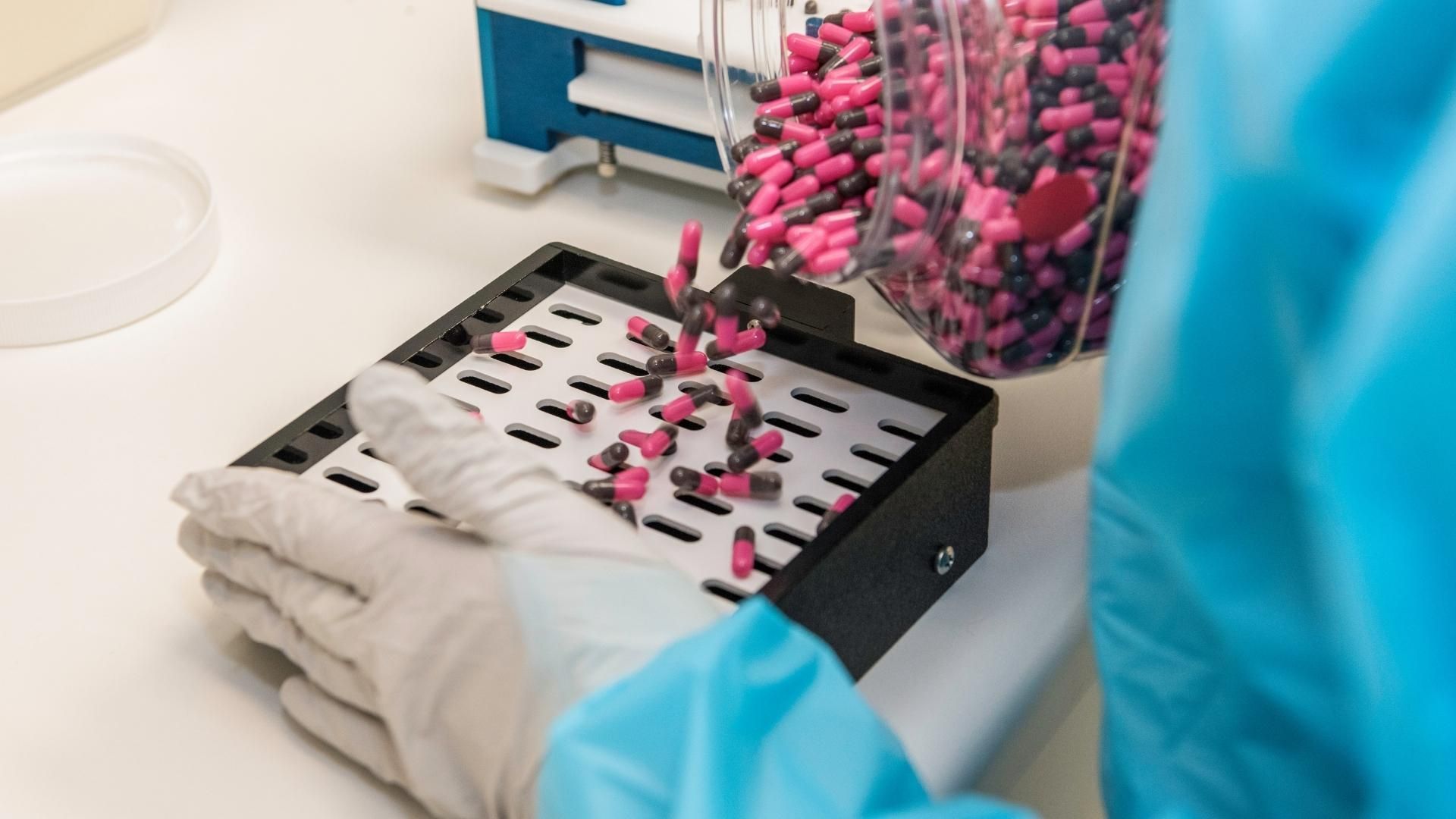
Most medications that patients receive at a hospital or pharmacy come in standardized, commercially manufactured forms, a 500mg antibiotic vial, a pre-filled syringe, a fixed-concentration IV bag. These products work well for many patients. But a significant portion of patients receiving IV therapy have clinical needs that commercial products cannot meet: a dose the manufacturer doesn't make, a formulation incompatible with the patient's allergy profile, or a combination of nutrients that must be tailored to individual lab values. For these patients, compounded IV medications are not optional, they are clinically necessary. Pharmko's sterile compounding services prepare customized IV medications for patients across 22+ states, with every formulation reviewed by a licensed pharmacist and prepared in a USP <797> compliant cleanroom. What Makes an IV Medication 'Compounded'? A compounded medication is one that is prepared specifically for an individual patient by a licensed pharmacist, rather than manufactured in bulk by a pharmaceutical company. Compounding involves combining, mixing, or altering ingredients, active pharmaceutical ingredients, diluents, preservatives, to create a final preparation that meets the patient's unique prescription requirements. For IV therapy specifically, compounding means preparing a sterile preparation, one that is completely free of viable microorganisms and safe to inject or infuse directly into the bloodstream. This requires specialized facilities, equipment, training, and quality systems that go far beyond what a standard retail pharmacy can provide. Pharmko is exclusively a sterile compounding pharmacy. We do not compound oral medications, topical creams, or non-sterile preparations. Every product we make is intended for intravenous, intraperitoneal, or subcutaneous administration. When Are Compounded IV Medications Necessary? The required dose doesn't exist commercially Pharmaceutical manufacturers produce medications in standardized strengths and volumes based on average patient needs. Pediatric patients, patients with renal or hepatic impairment requiring dose adjustments, or patients whose weight or clinical status falls outside standard ranges may need concentrations or volumes that no commercial product provides. Compounding fills this gap precisely. The patient has an allergy to a commercial formulation's inactive ingredients Commercial IV products often contain preservatives, stabilizers, or diluents, sulfites, benzyl alcohol, certain dyes, that some patients cannot tolerate. A compounding pharmacy can prepare an equivalent formulation without the offending ingredient, allowing the patient to receive the therapy safely. The medication requires individualized nutrient formulation Total parenteral nutrition (TPN) is the clearest example: every TPN formula must be individually compounded because no commercial product can provide the precise combination of amino acids, dextrose, lipids, electrolytes, vitamins, and trace minerals a specific patient needs. The formula changes as the patient's labs, weight, and clinical status change, making standardization impossible. The commercial product is unavailable or in shortage Drug shortages are a persistent reality in the US pharmaceutical supply chain. When a commercially manufactured IV medication becomes unavailable, compounding pharmacies can often prepare an equivalent formulation from available active pharmaceutical ingredients, bridging the gap and maintaining continuity of therapy for patients who cannot wait. The therapy requires a custom delivery format Some IV medications require specific pH, osmolarity, or concentration adjustments for compatibility with a patient's IV access device or concurrent medications. A compounding pharmacist reviews compatibility and prepares formulations that are safe and stable for the specific administration route and equipment the patient is using. How Compounded IV Medications Are Made Step 1: Prescription review Every compounded IV medication begins with a valid prescription from a licensed prescriber. Pharmko's pharmacists review the prescription for clinical appropriateness, dosing accuracy, ingredient compatibility, and stability before compounding begins. Step 2: Ingredient sourcing and verification Active pharmaceutical ingredients for compounding must come from FDA-registered suppliers and meet USP monograph specifications. Each lot is verified for identity, potency, and purity before use. Step 3: Sterile preparation in a controlled environment Preparation occurs in an ISO Class 5 laminar airflow workbench or biological safety cabinet, located within a buffer room that meets ISO Class 7 air quality standards. Pharmacy technicians follow validated, written procedures for each preparation type, using aseptic technique to prevent contamination at every step. Step 4: Pharmacist verification and release A licensed pharmacist performs a final check of every preparation, verifying appearance, volume, labeling, and documentation, before the product is released. High-risk or complex preparations may undergo sterility testing with defined beyond-use dates based on test results. Step 5: Cold-chain delivery Most compounded IV medications require refrigeration. Pharmko uses validated cold-chain packaging and delivery logistics to ensure products arrive within their stability windows and remain temperature-controlled until the patient uses them. Quality Standards That Matter Not all compounding pharmacies operate at the same standard. The relevant quality benchmarks for sterile compounding are: USP <797> compliance, the national standard for sterile compounding environments, personnel, and processes. Our guide on USP <797> and USP <800> explains what compliance means in practice ACHC accreditation, independent third-party verification that Pharmko meets clinical quality standards for home infusion and sterile compounding State pharmacy board licensure, Pharmko is licensed in every state where we serve patients Environmental and personnel monitoring, documented air and surface sampling, personnel gowning competency assessments, and media fill testing at defined intervals For a foundational overview of what sterile compounding is and how it differs from retail pharmacy, see our guide on what is sterile compounding for IV therapy . → Contact Pharmko about compounded IV medications: 1-877-540-2003
home infusion therapy Pennsylvania
July 14, 2026
Pharmko provides home infusion therapy across Pennsylvania, IV antibiotics, IVIG, TPN, biologics, and specialty medications. Licensed, ACHC accredited, and available 24/7 statewide.
Home Infusion Therapy in New Jersey
July 14, 2026
Pharmko provides home infusion therapy across New Jersey, IV antibiotics, IVIG, TPN, IDPN, biologics, and more. Licensed, ACHC accredited, and available 24/7 statewide.
Renal dietitian reviewing albumin labs for a peritoneal dialysis patient
July 10, 2026
When to consider IPN for peritoneal dialysis patients with low albumin: clinical criteria, the stepwise nutrition approach, and the referral process.
Nephrologist reviewing dialysis nutrition options for an ESRD patient
July 10, 2026
IPN vs. IDPN explained: how each parenteral nutrition therapy works, who qualifies, and how to choose the right option for ESRD dialysis patients.
How Home Infusion Reduces Hospital Readmissions
July 10, 2026
Home infusion therapy is associated with lower hospital readmission rates, fewer complications, and significant cost savings. Review the clinical evidence and learn how Pharmko supports discharge planning teams.
Primary Immune Deficiency and IVIG: A Guide for Newly Diagnosed Patients
July 8, 2026
Newly diagnosed with primary immune deficiency? Learn how IVIG therapy works, what to expect from your first infusions, how home IVIG is coordinated, and how Pharmko supports PID patients long-term.
Why They Matter and How Pharmko Customizes Your Formula
July 8, 2026
Trace minerals are essential components of every TPN formula. Learn what trace elements are included in parenteral nutrition, why each matters clinically, and how Pharmko pharmacists individualize your formula.
How to Choose a Home Infusion Pharmacy
June 26, 2026
Not all home infusion pharmacies are equal. Learn the 7 key questions to ask before choosing a specialty pharmacy, accreditation, clinical support, state licensing, and more.
Home Infusion for Lupus: Benlysta and Biologic Therapy Options for SLE
June 25, 2026
Learn how home infusion therapy works for lupus (SLE), including Benlysta (belimumab) and other IV biologics, who qualifies for home treatment, and how Pharmko supports ongoing lupus care across 22+ states.
Show More