
The Process of Administering TPN: Step-by-Step Overview

September 4, 2025

Understanding Total Parenteral Nutrition (TPN)

Total Parenteral Nutrition (TPN) is a life-sustaining therapy designed to provide essential nutrients directly into the bloodstream for individuals who cannot receive adequate nutrition orally or enterally. Whether it’s due to a nonfunctioning gastrointestinal tract, severe malnutrition, or specific medical conditions, TPN bypasses traditional digestive processes. This article will guide you step-by-step through the process of safely administering TPN, emphasizing preparation, safety checks, and monitoring to ensure effective nutritional support at home.

Preparing for TPN Administration

How to prepare supplies for TPN administration

To ensure a smooth and safe TPN administration, preparation is crucial. Begin by gathering all necessary supplies, including:

  • TPN bag : Ensure it has been refrigerated and brought to room temperature (remove from fridge at least 2 hours prior).
  • IV Tubing and filters : Select the appropriate sterile tubing designed for TPN and primed to remove air.
  • CADD pump : This will control the infusion rate.
  • Saline syringes : For flushing the catheter after infusion.
  • Alcohol pads : To disinfect injection ports and equipment.
  • Multivitamins or medications (if required) that need to be added to the TPN bag.

Before proceeding, check the TPN bag for its clarity; it should be clear or slightly yellow, with no particles or discoloration. Review expiration dates to confirm safety.

Importance of maintaining sterility

Maintaining sterility is vital in preventing infections during TPN administration. This involves:

  • Hand hygiene : Wash hands thoroughly for at least 20 seconds before handling any equipment or solution.
  • Clean work area : Prepare in a clutter-free space away from traffic and pets, disinfecting surfaces before starting.
  • Use of sterile equipment : Ensure all supplies, including syringes and tubing, are sterile and that aseptic techniques are followed closely during the setup.

After preparing the TPN solution and ensuring all items are sterile, the next step is necessary to ensure a safe infusion process without introducing pathogens.

Step-by-Step Home Administration

How can I administer TPN at home?

To administer Total Parenteral Nutrition (TPN) at home, start by ensuring your work area is clean and free from any contaminants. Wash your hands thoroughly for at least 20 seconds, adhering to proper hand hygiene practices. Next, retrieve the TPN solution from the refrigerator and let it reach room temperature for about 2 hours—never microwave it to warm it up. As you prepare, check the label and expiration date to confirm its safety.

Prepare any necessary medications or additives as required by your healthcare provider, ensuring you follow sterile techniques, such as disinfecting caps with alcohol wipes. Once everything is ready, connect the TPN solution to your central venous catheter (CVC) and start the infusion, which typically lasts between 10 to 12 hours, often overnight. After the infusion, don’t forget to flush the line with saline to maintain catheter patency.

Regular monitoring of your weight, temperature, and blood sugar levels is essential during TPN therapy. Stay in close contact with your healthcare provider, reporting any complications or changes in your condition for proper management.

Why is hand hygiene essential in TPN administration?

Hand hygiene is critical before handling TPN supplies, as improper practices can lead to severe infections. Always perform thorough hand-washing before starting your TPN procedure to minimize this risk. This foundational step protects both your health and the effectiveness of the nutritional therapy.

TPN Infusion Techniques and Equipment

What are the methods of administering parenteral nutrition?

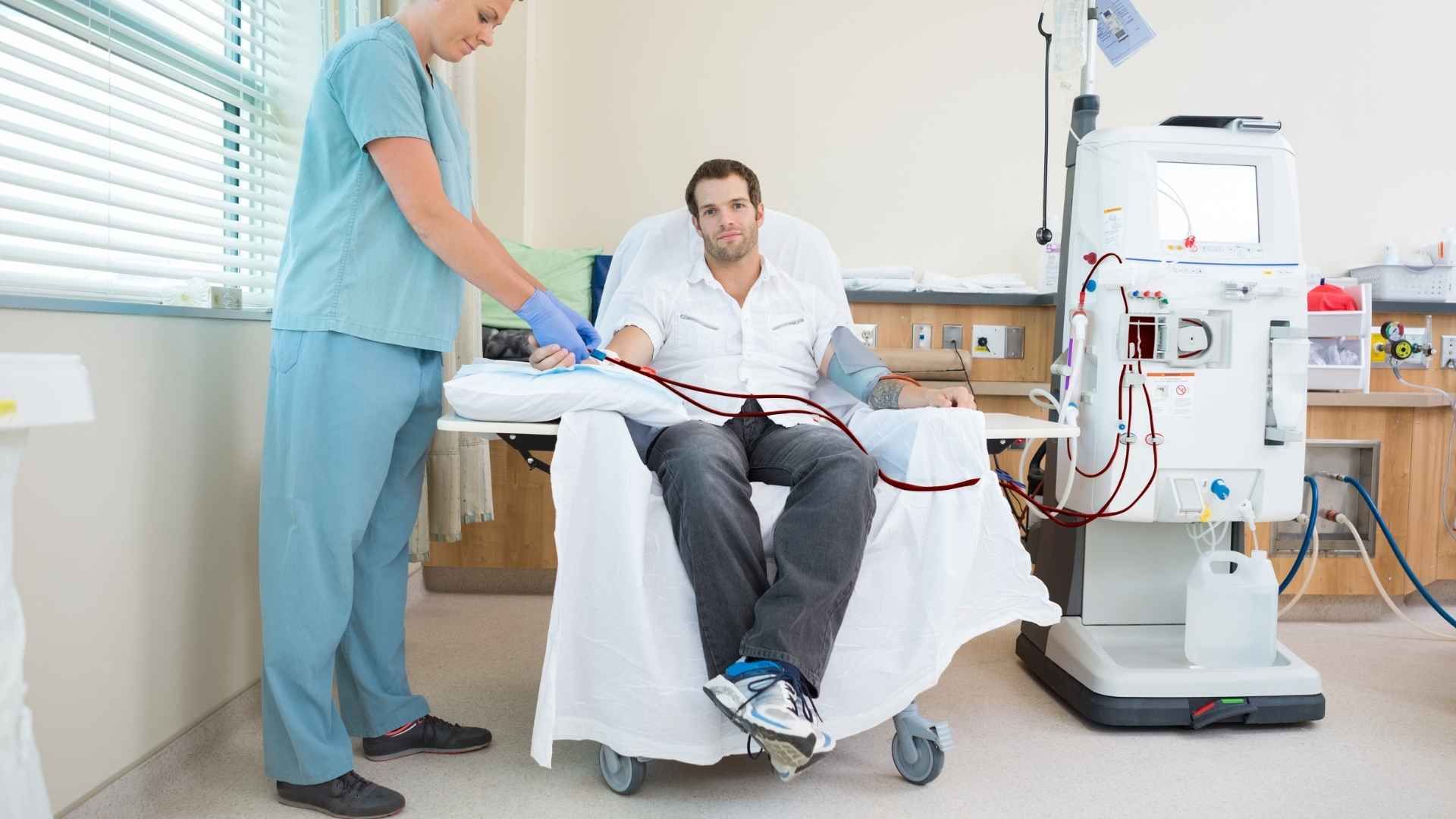
Parenteral nutrition (PN), which includes Total Parenteral Nutrition (TPN), is administered intravenously directly into the bloodstream. This is typically done through a large central vein via a central venous catheter, commonly a PICC line (peripherally inserted central catheter).

The infusion method utilizes a CADD pump to regulate the flow rate and accuracy of nutrient delivery. Each TPN solution is tailored to the patient's individual needs, combining necessary components such as proteins, carbohydrates, fats, vitamins, minerals, and electrolytes.

What specific equipment is used in TPN administration?

Proper equipment is essential for the safe administration of TPN. Here’s a breakdown of the main supplies used:

Equipment Description Purpose
Central Venous Catheter (CVC) A large catheter inserted into a vein (usually near the collarbone) To deliver nutrition directly into the bloodstream
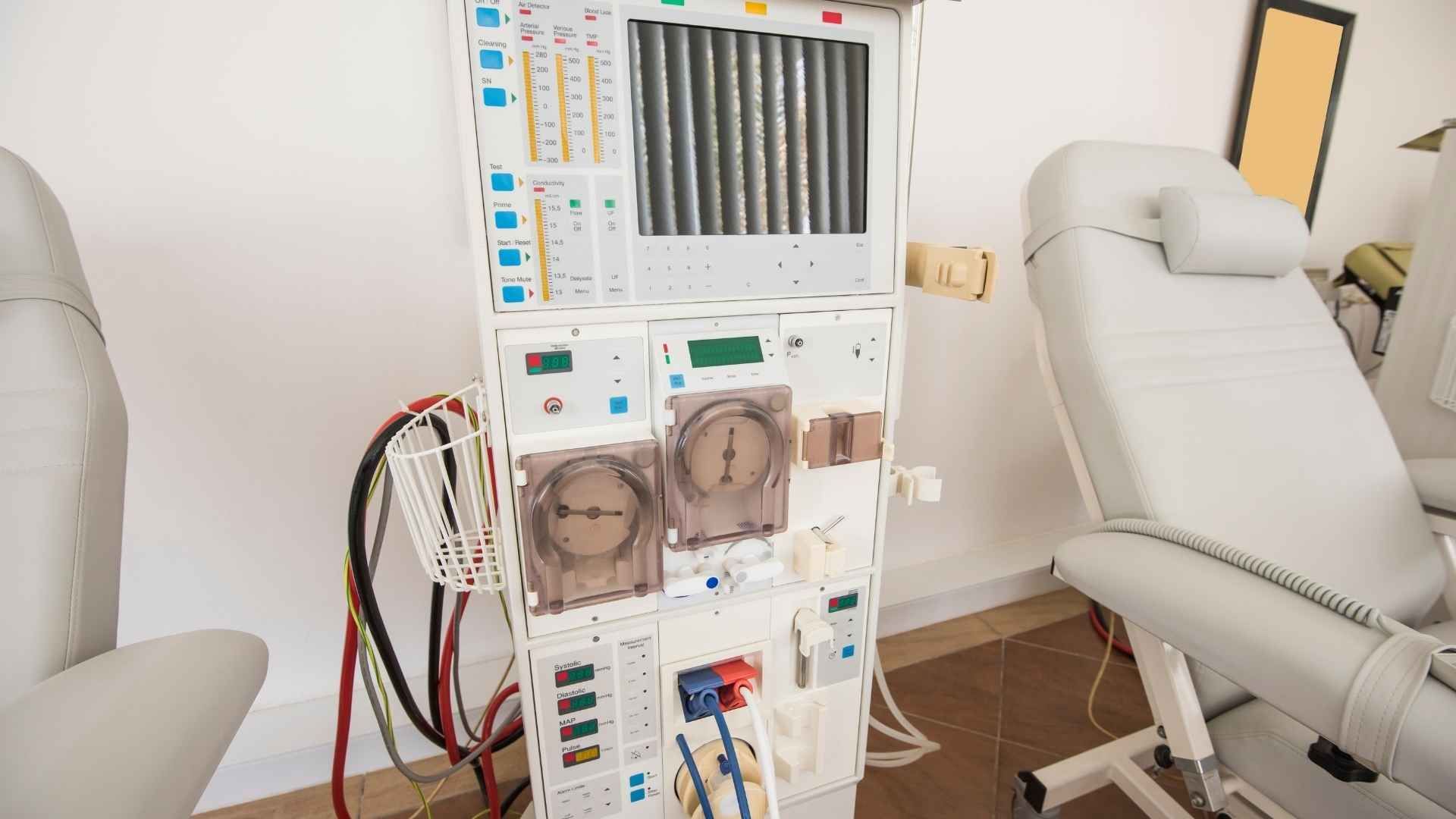
Infusion Pump A device that controls the rate and duration of TPN infusion Ensures accurate delivery of nutrients
TPN Bag The sterile bag containing the nutrient solution Provides essential nutrients to the patient
IV Tubing Sterile tubing for connecting the TPN bag to the CVC Facilitates the transfer of the solution into the body
Alcohol Pads Used to disinfect surfaces and vials before procedures Prevents contamination during setup and administration
Saline Syringes For flushing the catheter post-infusion Maintains catheter patency and prevents blockages

Overall, adherence to strict hygiene practices and the use of specialized equipment are critical to ensure the effectiveness and safety of TPN administration.

Monitoring and Addressing TPN Complications

How is TPN administered in nursing?

Total Parenteral Nutrition (TPN) is administered intravenously through a central venous catheter (CVC). This method is predominantly used for patients who cannot receive nutrition orally due to conditions such as Crohn's disease, cancer, or severe injury. Each TPN solution is meticulously tailored to meet the unique needs of the patient, providing essential nutrients like proteins, carbohydrates, fats, vitamins, and minerals.

TPN is typically infused over 10 to 12 hours a day, although some patients may require a 24-hour infusion initially. Monitoring during administration is vital because patients are at risk for complications, including catheter infections and glucose abnormalities. Long-term TPN usually involves the use of specialized catheters like peripherally inserted central catheters (PICC) or tunneled CVCs, necessitating proper placement and maintenance.

What are the potential complications associated with TPN?

Several complications can arise from TPN, making diligent monitoring essential:

  • Catheter-related infections : Infections may occur at the insertion site, requiring vigilance in care and cleaning.
  • Metabolic imbalances : Patients may experience hyperglycemia (high blood sugar) or hypoglycemia (low blood sugar) due to nutrient infusion rates or changes in their metabolic state.
  • Fluid overload : Excess fluid administration can occur, particularly in patients with heart or kidney issues.
  • Refeeding syndrome : Transitioning from starvation to feeding can cause severe shifts in electrolyte balance, potentially life-threatening.

What techniques are used to monitor and address TPN complications?

Monitoring techniques include:

  • Regular lab tests : Routine checks of blood glucose, electrolytes, and liver function are crucial to identify abnormalities early.
  • Visual inspections : Healthcare staff should regularly check the catheter insertion site for signs of infection, such as swelling or redness.
  • Patient observation : Patients and caregivers should be educated to recognize symptoms of complications, like feeling dizzy or experiencing increased thirst.

If complications are suspected, immediate consultation with healthcare providers is critical to managing the patient's treatment effectively. Regular follow-ups help ensure patient health and safety throughout the TPN administration process.

Comprehensive Guidelines and Best Practices

Overview of best practices for effective TPN management

Administering Total Parenteral Nutrition (TPN) involves precise steps to ensure patient safety and effectiveness. Here are essential best practices:

  1. Hand Hygiene : Always wash hands thoroughly for at least 20 seconds before touching TPN supplies to prevent infections.
  2. Preparation : Remove TPN bags from the refrigerator 2 hours prior to use, check for expiration dates, leaks, and clarity of the solution.
  3. Equipment Sterility : Ensure all supplies, including syringes and IV tubing, are sterile before use to avoid contamination.
  4. Monitoring : Regularly check electrolyte levels, blood glucose, and monitor for symptoms of complications such as infection or metabolic changes.

Where can I find comprehensive TPN guidelines?

You can find comprehensive Total Parenteral Nutrition (TPN) guidelines developed by expert organizations focused on evidence-based practices in the field. One notable resource is the Parenteral Nutrition Pocketbook by the ACI. This guide is tailored for clinicians working in settings with less frequent TPN administration, striving to standardize care practices effectively. Furthermore, medical libraries and professional organizations in clinical nutrition often provide access to extensive guidelines. It's critical to consider individual patient needs and closely monitor their health to mitigate complications associated with TPN.

Understanding TPN Solutions: Tailoring to Patient Needs

What types of TPN solutions are available?

Total Parenteral Nutrition (TPN) solutions can be categorized into two main types:

  1. Central Parenteral Nutrition (CPN) : Administered through central veins, often recommended for long-term use.
  2. Peripheral Parenteral Nutrition (PPN) : Delivered via peripheral veins for short-term support.

TPN solutions are meticulously tailored to meet individual nutritional requirements. They typically contain:

  • Macronutrients : such as carbohydrates (usually in the form of dextrose), proteins (amino acids), and fats (lipid emulsions).
  • Micronutrients : including essential vitamins, minerals, and electrolytes.

These solutions cater to patients unable to digest food due to conditions like chronic intestinal obstruction or severe malnutrition. They may be provided in two separate components—one for amino acids/dextrose and another for lipid emulsion—or as a ready-made admixture. Regular monitoring is crucial to prevent complications and ensure the nutritional adequacy of each TPN solution.

Proper mixing and handling procedures

When preparing TPN solutions, following strict protocols is vital.

  • Sterility Measures : Hands must be thoroughly washed for at least 20 seconds before handling any TPN supplies.
  • Storage Requirements : TPN bags must be kept refrigerated until use, and removed 2 hours before to reach room temperature; never microwave these bags to warm.
  • Color Inspection : Prior to use, check the TPN solution for clarity; a clear or slightly yellow color is acceptable, while any discoloration or particulates signal disposal.
  • Additive Procedure : If vitamins or medications are to be added, they must be mixed aseptically, ensuring the vials are disinfected prior to use.

Adhering to these mixing and handling procedures safeguards patient health and optimizes TPN effectiveness.

Conclusion: Empowering Patients and Caregivers

Successfully administering Total Parenteral Nutrition at home requires meticulous attention to detail and adherence to guidelines. By understanding the preparation steps, infusion techniques, and monitoring requirements, patients and caregivers can manage TPN more effectively and safely, improving overall health outcomes. Continuous education, regular consultations with healthcare providers, and diligent monitoring are critical components in mastering TPN administration. Empower yourself with knowledge and stay proactive about your health to ensure the best possible care.

References

Home Infusion Therapy in New York
June 17, 2026
Pharmko is based in New York and provides home infusion therapy statewide — IV antibiotics, IVIG, TPN, IDPN, and specialty medications. Licensed, ACHC accredited, and available 24/7.
Home Infusion for Osteomyelitis
June 15, 2026
Osteomyelitis requires weeks of IV antibiotics that can often be completed at home. Learn who qualifies for OPAT, what the treatment timeline looks like, and how Pharmko supports bone infection recovery.
What Is a PICC Line
June 15, 2026
Learn what a PICC line is, how it's inserted, how to care for it at home, and why it's the most common IV access device for home infusion therapy. Pharmko nurses provide full PICC line training.
IV Iron Infusion at Home: Feraheme, Injectafer, and Iron Deficiency Anemia Treatment
June 12, 2026
Learn how IV iron infusion works at home — which products are used, who qualifies, what to expect during treatment, and how Pharmko delivers iron infusion therapy across 22+ states.
Home Infusion for Multiple Sclerosis
June 11, 2026
Learn how home infusion therapy works for multiple sclerosis, including Ocrevus and Tysabri, who qualifies for home-based MS infusions, what to expect, and how Pharmko coordinates care.
TPN at Home: Who Qualifies, How It Works, and What to Expect
June 11, 2026
Learn how total parenteral nutrition (TPN) at home works — who qualifies, how it's delivered, what daily life looks like, and how Pharmko supports patients from first dose through long-term therapy.
Low Albumin in Dialysis Patients
June 3, 2026
Low albumin is a key marker of malnutrition in dialysis patients. Learn what causes albumin decline, when IDPN is indicated, and how Pharmko supports renal nutrition across 22+ states.
Home Infusion Pump Types
June 2, 2026
Learn about the different types of infusion pumps used in home therapy, ambulatory, electronic, elastomeric, and CADD pumps, and how your pump is matched to your specific treatment.
Home Infusion for Rheumatoid Arthritis
May 30, 2026
Learn how home infusion therapy works for rheumatoid arthritis — including Remicade (infliximab) and other IV biologics, who qualifies for home treatment, and how Pharmko supports ongoing RA care.
Sterile Compounding Safety
May 26, 2026
When a patient or provider chooses a compounding pharmacy to prepare IV medications, they are trusting that the pharmacy operates under rigorous, independently enforced standards. In the United States, those standards are defined by two chapters of the United States Pharmacopeia: USP <797> for sterile compounding and USP <800> for hazardous drug handling. Pharmko operates in full compliance with both chapters. Understanding what these standards require, and what happens when they are not met, helps patients and providers make informed decisions about which pharmacy they trust with their care. What Is USP <797>? USP <797> (Pharmaceutical Compounding, Sterile Preparations) is the national standard that defines the minimum requirements for compounding sterile preparations safely. It covers: Cleanroom environment classification, ISO Class 5 at the point of compounding, ISO Class 7 for the surrounding buffer area, ISO Class 8 for the ante-room Personnel training, gowning, and aseptic technique requirements Sterilization and filtration methods by product type Beyond-use dating (BUD), how long a compounded sterile preparation remains safe to use Environmental and personnel monitoring schedules Quality assurance, documentation, and deviation management USP <797> applies to every pharmacy that prepares IV solutions, injections, eye drops, or other sterile preparations, whether they are a hospital pharmacy, ambulatory infusion center, or specialty pharmacy like Pharmko. The 2023 Revision: What Changed USP <797> was significantly revised in 2023 (effective November 2023). Key changes include: Stricter beyond-use date requirements, compounded sterile preparations must now meet more conservative dating limits unless sterility testing supports extended dating Enhanced environmental monitoring, more frequent air and surface sampling with defined action levels Clearer personnel qualification requirements, competency assessments are now required at defined intervals New category system, preparations are now categorized (Category 1 and Category 2) based on sterility assurance level and BUD Pharmacies that were compliant under the previous version of USP <797> must have updated their procedures and infrastructure to meet the 2023 revision. Pharmko updated our facilities, policies, and documentation systems in alignment with the revised chapter. What Is USP <800>? USP <800> (Pharmaceutical Compounding, Hazardous Drugs) establishes standards for the safe handling of hazardous drugs throughout the pharmacy, from receipt and storage to preparation, dispensing, and waste disposal. Hazardous drugs include certain chemotherapy agents, antiviral medications, hormones, and other drugs that pose risks of carcinogenicity, reproductive toxicity, or organ damage at low exposure levels. USP <800> requires: Negative-pressure ventilated containment primary engineering controls (C-PECs) for hazardous drug compounding Separate, dedicated hazardous drug storage areas Personal protective equipment (PPE) requirements for all staff handling hazardous drugs Closed-system drug transfer devices (CSTDs) for certain preparations Spill kits and exposure management protocols Why These Standards Matter for Patients The consequences of non-compliance are serious. High-profile compounding pharmacy failures, including a 2012 fungal meningitis outbreak linked to contaminated steroid injections that killed 64 patients and injured hundreds, demonstrated what happens when sterile compounding standards are not followed. For patients receiving home IV therapy, USP <797> compliance is not a credential to check once and forget, it reflects the ongoing daily practices of the pharmacy preparing their medications. Patients and providers should verify that any pharmacy preparing their IV solutions is accredited, state-licensed, and actively compliant with current USP standards. How Pharmko Meets These Standards Pharmko's sterile compounding facility is designed, staffed, and operated to meet USP <797> and USP <800> requirements. We are ACHC accredited, state-licensed in 22+ states, and subject to regulatory inspection. Every batch we compound is reviewed by a licensed pharmacist, and our environmental and personnel monitoring data is reviewed on a defined schedule. For a broader overview of what sterile compounding is and how it differs from retail pharmacy, see our guide on what is sterile compounding for IV therapy . For providers interested in our compounding capabilities, see our physician services page or contact our pharmacy team directly. → Contact Pharmko about sterile compounding: 1-877-540-2003
Show More