
The Role of Dietitians in Parenteral Nutrition Management

September 4, 2025

Understanding the Vital Role of Dietitians in PN Management

Parenteral nutrition (PN) is a clinically essential means of providing nutrients directly to the bloodstream for patients who are unable to consume food orally or through tube feeding. This complex medical procedure requires the involvement of skilled professionals, including dietitians, who are integral members of nutrition support teams (NSTs). Their expertise ensures patients receive personalized nutrition care, minimizing complications and improving outcomes, particularly in hospital settings like intensive care units (ICUs). This article delves into the responsibilities and impact of dietitians in PN management, highlighting their essential role in the healthcare landscape.

Responsibilities of Dietitians in Nutrition Care

What are the responsibilities of dietitians in nutrition care?

Dietitians in nutrition care carry out a range of responsibilities designed to meet the unique needs of individual patients. Their work starts with conducting thorough nutrition assessments to identify potential nutrition-related risks. This includes gathering essential information, such as patients’ medical histories and dietary intake. Based on these evaluations, dietitians develop tailored nutrition care plans aimed at meeting specific health goals.

Nutrition assessments

Following the assessment phase, dietitians not only manage the implementation of these care plans but also continuously monitor their effectiveness. They adjust the plans as necessary, ensuring they remain aligned with the patient’s health status and needs. This dynamic process often involves engaging with patients’ families and healthcare teams to promote a comprehensive support system.

Care plan development

In addition to direct patient interaction, dietitians play a significant role in food service management. They may collaborate with various departments and entities to enhance the quality of nutritional services, ensuring compliance with health and safety standards.

Collaboration with healthcare teams

The collaborative efforts extend to interdisciplinary teamwork, where dietitians work alongside physicians, nurses, pharmacists, and other healthcare professionals to optimize patient outcomes. This multidisciplinary approach ensures a well-rounded strategy in managing the nutritional needs of patients, particularly those on parenteral nutrition, who often require complex and coordinated care.

Roles in food service management

By focusing on quality and effectiveness in nutritional care, dietitians significantly contribute to reducing morbidity and mortality rates within healthcare settings, especially in critical and intensive care environments.

Dietitians' Role in Parenteral Nutrition Management

How do dietitians contribute to the management of parenteral nutrition?

Dietitians play a critical role in the management of parenteral nutrition (PN) by tailoring nutrition care to meet the individual needs of patients. They start with thorough assessments, evaluating a patient’s nutritional status and determining specific requirements when traditional oral feeding is not feasible.

Personalized nutrition care plans

Once dietitians have established a patient’s nutritional baseline, they formulate personalized nutrition care plans. These plans may include recommendations for increasing protein and energy intake, prescribing oral nutritional supplements, or initiating specialized parenteral nutrition regimens tailored to the patient's medical condition and unique lifestyle factors.

Collaboration in medical teams

The importance of interdisciplinary collaboration cannot be overstated. Dietitians work as part of multidisciplinary nutrition support teams, collaborating closely with physicians, nurses, and pharmacists to create comprehensive interventions. This cooperative approach enhances the delivery of nutritional support, optimizing patient outcomes and minimizing complications related to malnutrition.

Patient assessments

Additionally, dietitians perform regular patient assessments to monitor progress and make necessary adjustments to nutrition therapy. They are vital in interpreting clinical data, addressing metabolic issues like refeeding syndrome, and regularly communicating with other team members to ensure an integrated care plan. This proactive engagement in nutrition management highlights the essential role dietitians play, especially in critical care settings.

Overall, dietitians significantly enhance the quality of parenteral nutrition management through personalized care, collaborative efforts, and ongoing patient assessments.

Understanding Parenteral Nutrition

What is parenteral nutrition and why is it important?

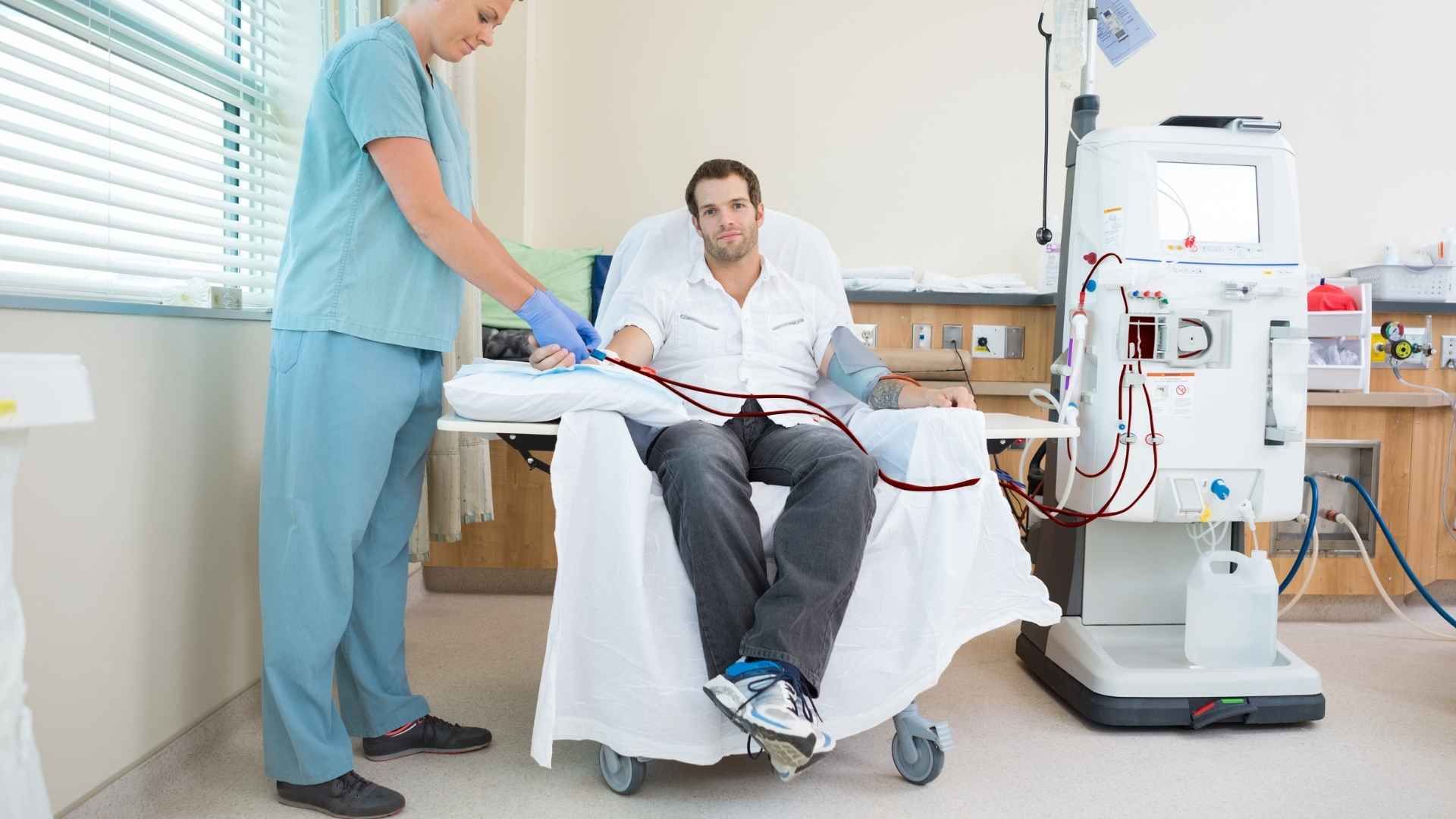
Parenteral nutrition (PN) is a medical method of delivering essential nutrients directly into the bloodstream for patients unable to obtain adequate nutrition through oral or enteral means. This specialized nutrition support is vital for individuals with gastrointestinal issues, including those with conditions such as short bowel syndrome, intestinal blockages, or severe gastrointestinal dysfunction.

PN allows these patients to receive necessary carbohydrates, lipids, amino acids, vitamins, and minerals, facilitating their recovery while improving their quality of life. Typically, PN can be administered via a central line, although peripheral lines may be suitable for specific cases.

However, while life-saving, parenteral nutrition does not come without risks. Infections, metabolic disturbances, and complications like refeeding syndrome can arise, necessitating diligent monitoring and management by skilled healthcare professionals. This highlights the essential role of nutrition support teams, particularly dietitians, in ensuring safe and effective parenteral nutrition management for at-risk patients.

Dietitians as Prescribers of Total Parenteral Nutrition

Can dietitians prescribe total parenteral nutrition (TPN)?

Dietitians can indeed prescribe total parenteral nutrition (TPN) if they have received suitable training. Research indicates that dietitians who are specially trained in managing TPN can significantly contribute to clinical care. A study involving trained pharmacists and dietitians revealed that their decisions regarding peri-operative parenteral nutrition led to notable clinical benefits, often without causing harm to patients. This highlights the impact of dietitians' expertise in managing complex nutritional needs.

Training and skills required

To effectively prescribe TPN, dietitians must undergo rigorous training, which includes understanding metabolic processes and the intricacies of intravenous nutrition. Training often involves both theoretical knowledge and practical applications in clinical settings. Additionally, the rise of non-medical supplementary prescribing has allowed dietitians to expand their roles further, enabling them to make informed decisions regarding TPN and related therapies.

Clinical benefits and outcomes

The incorporation of dietitians in the prescribing process has shown to enhance patient outcomes. Studies suggest that trained dietitians can be as effective, if not more so, than junior medical staff in managing TPN prescriptions. With a significant percentage of malnourished ICU patients requiring critical nutrition support, the presence of dietitians contributes immensely to timely and appropriate nutritional care. This collaboration helps mitigate risks associated with malnutrition, potentially improving recovery rates and reducing hospital stays.

Comparison with medical staff

Inadequate training in clinical nutrition among junior doctors often leaves gaps in patient care. By allowing dietitians to take on prescribing responsibilities, healthcare systems can enhance the quality of nutritional support offered to patients. Evidence supports the safe and effective involvement of trained dietitians in prescribing TPN, indicating that their specialized knowledge can complement traditional medical approaches, resulting in comprehensive patient care.

Calculating Total Parenteral Nutrition for Patients

What is involved in calculating TPN for patients?

Calculating Total Parenteral Nutrition (TPN) for patients involves a systematic method to meet their nutritional requirements. This begins with a thorough assessment of fluid, metabolic, macronutrient, and micronutrient needs. Various tools and formulas are applied, such as the Holliday-Segar Method for fluid requirements and the Harris-Benedict Equation for determining caloric needs based on the patient’s specific medical condition.

Assessing nutritional needs

Establishing the right macronutrient distribution is essential. TPN typically includes a mix of carbohydrates, proteins, and fats, with the proportions tailored to individual patient needs. Other important components include additives like electrolytes and vitamins to ensure comprehensive nutritional support.

Tools and methods

Here are commonly used methods and tools in calculating TPN:

Method Purpose Description
Holliday-Segar Method Fluid needs Estimates daily fluid requirements based on weight.
Harris-Benedict Equation Caloric needs Calculates basal metabolic rate for energy estimation.
Macronutrient Calculation Nutritional content Determines exact amounts of carbs, proteins, and fats.

Differences in TPN and PPN

Understanding the nuances between TPN and Peripheral Parenteral Nutrition (PPN) is pivotal. TPN is typically used for long-term nutritional support, delivered through a central venous catheter, while PPN is for shorter-term needs and involves peripheral veins. PPN is less concentrated and not suitable for patients requiring extensive nutrient support.

Considering these aspects is key to developing a tailored approach to parenteral nutrition, ensuring patients receive the optimal dietary support they need.

The Importance of Multidisciplinary Teams in PN Management

Roles within NSTs

Nutrition support teams (NSTs) play a pivotal role in the management of parenteral nutrition (PN). A typical NST includes:

  • Physician – Oversees medical management.
  • Nurse – Provides patient care and monitors clinical needs.
  • Dietitian – Develops individualized nutrition plans and monitors dietary responses.
  • Pharmacist – Ensures compatibility of medications with PN.

Each member brings unique expertise, which is vital for optimizing the patient's nutritional support. Dietitians, in particular, conduct thorough nutritional assessments and design appropriate feeding regimens tailored to individual patient needs.

Collaboration and Patient Outcomes

The collaborative efforts of NSTs have been shown to significantly improve patient outcomes. When professionals from diverse disciplines work together, there are notable benefits which include:

  • Fewer complications associated with PN.
  • Enhanced survival rates.
  • Improved overall management of nutrition needs, especially in critically ill patients.

Dietitians are essential in recognizing risks for metabolic complications, ensuring that nutritional interventions are effectively implemented.

Recommendations from Organizations

National and international organizations emphasize the importance of forming multidisciplinary nutrition support teams. Their recommendations include:

  • Inclusion of dietitians in the NSTs to optimize patient nutrition management.
  • Regular training and education for dietitians in parenteral nutrition practices.

By leveraging the collective expertise within NSTs, healthcare teams can ensure better management of patients requiring parenteral nutrition, leading to improved health outcomes and reduced healthcare costs.

Addressing Complications in Parenteral Nutrition

Monitoring Complications

Complications can arise during parenteral nutrition (PN) management, making vigilant monitoring essential. Healthcare teams need to keep an eye out for conditions like hyperglycemia, electrolyte imbalances, and other metabolic disorders that can arise from improper PN administration.

Role of Dietitians in Prevention

Dietitians play a pivotal role in the prevention of such complications. They conduct regular assessments to evaluate a patient’s nutritional status and metabolic responses. This involves careful calculations when starting PN, such as how carbohydrates are introduced. Dietitians generally recommend beginning with lower carbohydrate levels to gradually acclimatize the body, aiming for an initial dose of around 100 to 150 grams of dextrose per day.

Refeeding Syndrome

One serious complication that dietitians are particularly focused on is refeeding syndrome. This condition can occur when nutrition support is restarted after a period of inadequate intake. Dietitians utilize tools like the ASPEN Criteria to evaluate patients’ risks for this syndrome. They also emphasize the importance of monitoring serum levels of potassium, magnesium, and phosphorus right from the onset of PN until the full nutritional requirement is met. Furthermore, the preventive measure of thiamine supplementation before starting PN helps in optimal glucose metabolism, underscoring the significant contribution dietitians make in managing nutritional therapy.

Dietitians in Home Parenteral Nutrition Management

Patient education and support

Dietitians are essential in guiding patients on managing home parenteral nutrition (HPN). They provide comprehensive education on equipment operation, formula preparation, and the administration of nutritional therapies. This education ensures that patients and their caregivers are well-equipped to handle the intricacies of PN safely and effectively.

Home care strategies

Home care strategies initiated by dietitians include conducting thorough assessments of medical necessity before starting HPN. They engage in detailed discharge planning, setting specific therapy goals tailored to each patient’s individual needs. This personalized approach ensures patients receive the most appropriate nutritional support while at home.

Monitoring and evaluation

Monitoring is a crucial component of HPN management. Dietitians regularly assess lab data and evaluate the patient's hydration and nutritional status to make necessary adjustments to the PN regimen. Through continual communication with other healthcare professionals, dietitians ensure a cohesive care strategy that effectively addresses potential complications such as imbalances in fluids and electrolytes.

Collaboration and ongoing evaluation are vital to ensure patients maintain optimal nutrition and hydration levels, highlighting the dietitian's role in improving outcomes for patients on HPN.

Dietitians: Pivotal in Parenteral Nutrition Excellence

Dietitians are indispensable within the complex framework of parenteral nutrition management. Their skill set not only reduces complications but also ensures optimal nutrition and recovery for patients unable to rely on traditional feeding methods. By working closely with interdisciplinary teams in various settings, including home care, dietitians greatly enhance patient outcomes and contribute significantly to advanced healthcare practices. As the demand for expert nutrition support continues to grow, the role of dietitians will undoubtedly remain central to innovative care and clinical success in parenteral nutrition.

References

Home Infusion Therapy in New York
June 17, 2026
Pharmko is based in New York and provides home infusion therapy statewide — IV antibiotics, IVIG, TPN, IDPN, and specialty medications. Licensed, ACHC accredited, and available 24/7.
Home Infusion for Osteomyelitis
June 15, 2026
Osteomyelitis requires weeks of IV antibiotics that can often be completed at home. Learn who qualifies for OPAT, what the treatment timeline looks like, and how Pharmko supports bone infection recovery.
What Is a PICC Line
June 15, 2026
Learn what a PICC line is, how it's inserted, how to care for it at home, and why it's the most common IV access device for home infusion therapy. Pharmko nurses provide full PICC line training.
IV Iron Infusion at Home: Feraheme, Injectafer, and Iron Deficiency Anemia Treatment
June 12, 2026
Learn how IV iron infusion works at home — which products are used, who qualifies, what to expect during treatment, and how Pharmko delivers iron infusion therapy across 22+ states.
Home Infusion for Multiple Sclerosis
June 11, 2026
Learn how home infusion therapy works for multiple sclerosis, including Ocrevus and Tysabri, who qualifies for home-based MS infusions, what to expect, and how Pharmko coordinates care.
TPN at Home: Who Qualifies, How It Works, and What to Expect
June 11, 2026
Learn how total parenteral nutrition (TPN) at home works — who qualifies, how it's delivered, what daily life looks like, and how Pharmko supports patients from first dose through long-term therapy.
Low Albumin in Dialysis Patients
June 3, 2026
Low albumin is a key marker of malnutrition in dialysis patients. Learn what causes albumin decline, when IDPN is indicated, and how Pharmko supports renal nutrition across 22+ states.
Home Infusion Pump Types
June 2, 2026
Learn about the different types of infusion pumps used in home therapy, ambulatory, electronic, elastomeric, and CADD pumps, and how your pump is matched to your specific treatment.
Home Infusion for Rheumatoid Arthritis
May 30, 2026
Learn how home infusion therapy works for rheumatoid arthritis — including Remicade (infliximab) and other IV biologics, who qualifies for home treatment, and how Pharmko supports ongoing RA care.
Sterile Compounding Safety
May 26, 2026
When a patient or provider chooses a compounding pharmacy to prepare IV medications, they are trusting that the pharmacy operates under rigorous, independently enforced standards. In the United States, those standards are defined by two chapters of the United States Pharmacopeia: USP <797> for sterile compounding and USP <800> for hazardous drug handling. Pharmko operates in full compliance with both chapters. Understanding what these standards require, and what happens when they are not met, helps patients and providers make informed decisions about which pharmacy they trust with their care. What Is USP <797>? USP <797> (Pharmaceutical Compounding, Sterile Preparations) is the national standard that defines the minimum requirements for compounding sterile preparations safely. It covers: Cleanroom environment classification, ISO Class 5 at the point of compounding, ISO Class 7 for the surrounding buffer area, ISO Class 8 for the ante-room Personnel training, gowning, and aseptic technique requirements Sterilization and filtration methods by product type Beyond-use dating (BUD), how long a compounded sterile preparation remains safe to use Environmental and personnel monitoring schedules Quality assurance, documentation, and deviation management USP <797> applies to every pharmacy that prepares IV solutions, injections, eye drops, or other sterile preparations, whether they are a hospital pharmacy, ambulatory infusion center, or specialty pharmacy like Pharmko. The 2023 Revision: What Changed USP <797> was significantly revised in 2023 (effective November 2023). Key changes include: Stricter beyond-use date requirements, compounded sterile preparations must now meet more conservative dating limits unless sterility testing supports extended dating Enhanced environmental monitoring, more frequent air and surface sampling with defined action levels Clearer personnel qualification requirements, competency assessments are now required at defined intervals New category system, preparations are now categorized (Category 1 and Category 2) based on sterility assurance level and BUD Pharmacies that were compliant under the previous version of USP <797> must have updated their procedures and infrastructure to meet the 2023 revision. Pharmko updated our facilities, policies, and documentation systems in alignment with the revised chapter. What Is USP <800>? USP <800> (Pharmaceutical Compounding, Hazardous Drugs) establishes standards for the safe handling of hazardous drugs throughout the pharmacy, from receipt and storage to preparation, dispensing, and waste disposal. Hazardous drugs include certain chemotherapy agents, antiviral medications, hormones, and other drugs that pose risks of carcinogenicity, reproductive toxicity, or organ damage at low exposure levels. USP <800> requires: Negative-pressure ventilated containment primary engineering controls (C-PECs) for hazardous drug compounding Separate, dedicated hazardous drug storage areas Personal protective equipment (PPE) requirements for all staff handling hazardous drugs Closed-system drug transfer devices (CSTDs) for certain preparations Spill kits and exposure management protocols Why These Standards Matter for Patients The consequences of non-compliance are serious. High-profile compounding pharmacy failures, including a 2012 fungal meningitis outbreak linked to contaminated steroid injections that killed 64 patients and injured hundreds, demonstrated what happens when sterile compounding standards are not followed. For patients receiving home IV therapy, USP <797> compliance is not a credential to check once and forget, it reflects the ongoing daily practices of the pharmacy preparing their medications. Patients and providers should verify that any pharmacy preparing their IV solutions is accredited, state-licensed, and actively compliant with current USP standards. How Pharmko Meets These Standards Pharmko's sterile compounding facility is designed, staffed, and operated to meet USP <797> and USP <800> requirements. We are ACHC accredited, state-licensed in 22+ states, and subject to regulatory inspection. Every batch we compound is reviewed by a licensed pharmacist, and our environmental and personnel monitoring data is reviewed on a defined schedule. For a broader overview of what sterile compounding is and how it differs from retail pharmacy, see our guide on what is sterile compounding for IV therapy . For providers interested in our compounding capabilities, see our physician services page or contact our pharmacy team directly. → Contact Pharmko about sterile compounding: 1-877-540-2003
Show More