
The Role of IPN in Providing Essential Nutrients to Patients

September 4, 2025

Introduction to Intravenous Parenteral Nutrition

Intravenous Parenteral Nutrition (IPN) plays a pivotal role in clinical nutrition, particularly for patients who are unable to receive adequate nourishment through oral or enteral means. This specialized form of delivering essential nutrients directly into the bloodstream is crucial for ensuring that patients, especially those in critical care or with specific nutritional deficiencies, maintain their health and support metabolic functions effectively. This narrative explores the vital functions of IPN, elucidating its applications, benefits, and guidelines within clinical settings.

Exploring Total Parenteral Nutrition (TPN) Necessity

Why might a patient require Total Parenteral Nutrition (TPN)?

Patients may require Total Parenteral Nutrition (TPN) when gastrointestinal function is compromised, making it impossible for them to receive adequate enteral nutrition. Conditions such as chronic intestinal obstruction, severe dysphagia, or massive bowel resection can render typical feeding routes ineffective. In these situations, TPN delivers vital nutrients through intravenous administration, ensuring patients receive the necessary macronutrients and micronutrients.

Conditions requiring TPN

Several conditions trigger the need for TPN, including:

  • Severe malabsorption due to conditions like Crohn's disease or radiation enteritis.
  • Cancer treatment where surgery or chemotherapy affects eating or digestion.
  • Post-operative recovery from surgeries involving the digestive tract.
  • Preterm infants who cannot tolerate enteral feeding due to their immature gastrointestinal systems.

Composition of TPN and patient-specific tailoring

The composition of TPN is highly individualized, containing a precise blend of macronutrients:

  • Proteins (amino acids) to support tissue repair and maintenance.
  • Carbohydrates primarily from dextrose, furnished in varying amounts based on metabolic needs.
  • Lipids which cover calorie deficits while preventing fatty acid deficiencies.
  • Vitamins and minerals adjusted based on tailored assessments of lab results and daily requirements.

Potential risks and required monitoring

While TPN provides essential nutrition, it is also associated with potential risks. These include:

  • Metabolic abnormalities such as hyperglycemia due to excessive dextrose infusion.
  • Infection risks related to central venous catheter use for TPN delivery.

Close monitoring of parameters such as blood glucose, electrolyte levels, and nutritional status is essential. By involving a multi-disciplinary team, healthcare providers can optimize therapy and adjust formulations as required for individual patient circumstances, thereby improving clinical outcomes.

The Mechanism and Utilization of Intraperitoneal Nutrition (IPN)

What is Intraperitoneal Nutrition (IPN) and how is it used?

Intraperitoneal Nutrition (IPN) is a specialized form of parenteral nutrition tailored for patients undergoing peritoneal dialysis. Its primary goal is to combat protein-calorie malnutrition commonly seen in this population. During dialysis sessions, a hyperalimentation mixture, including amino acids, glucose, and lipids, is infused, supplying necessary nutrients directly to the patients' systems.

Many dialysis patients face challenges with nutrition, with studies indicating that approximately 43% of those on hemodialysis suffer from protein-energy wasting (PEW), which can significantly impair their health and quality of life. Therefore, IPN becomes a crucial therapy for addressing these nutritional deficits.

Mechanism of action

The mechanism behind IPN lies in its ability to deliver essential nutrients via the peritoneal cavity, using the already established dialysis setup. The infusion is tailored to provide nutrients that are readily usable by the body, circumventing the need for oral intake which may be insufficient for meeting dietary needs.

Patient populations benefiting from IPN

IPN is particularly beneficial for patients who are unable to maintain adequate nutritional intake despite dietary counseling or oral supplements. This includes patients with chronic conditions leading to increased nutritional requirements due to the stress of dialysis.

Clinical indications and guidelines

For patients receiving IPN, clinical guidelines recommend its use judiciously, particularly when patients exhibit documented evidence of PEW. It is crucial that IPN not be the sole nutritional intervention but rather integrated into a broader nutritional strategy, ensuring comprehensive care to improve patient outcomes. Given the critical nature of malnutrition in this demographic, IPN’s role is vital for enhancing long-term health and recovery.

Analyzing the Benefits of Intradialytic Parenteral Nutrition

What are the benefits of Intradialytic Parenteral Nutrition (IDPN) and Intraperitoneal Nutrition (IPN) therapies?

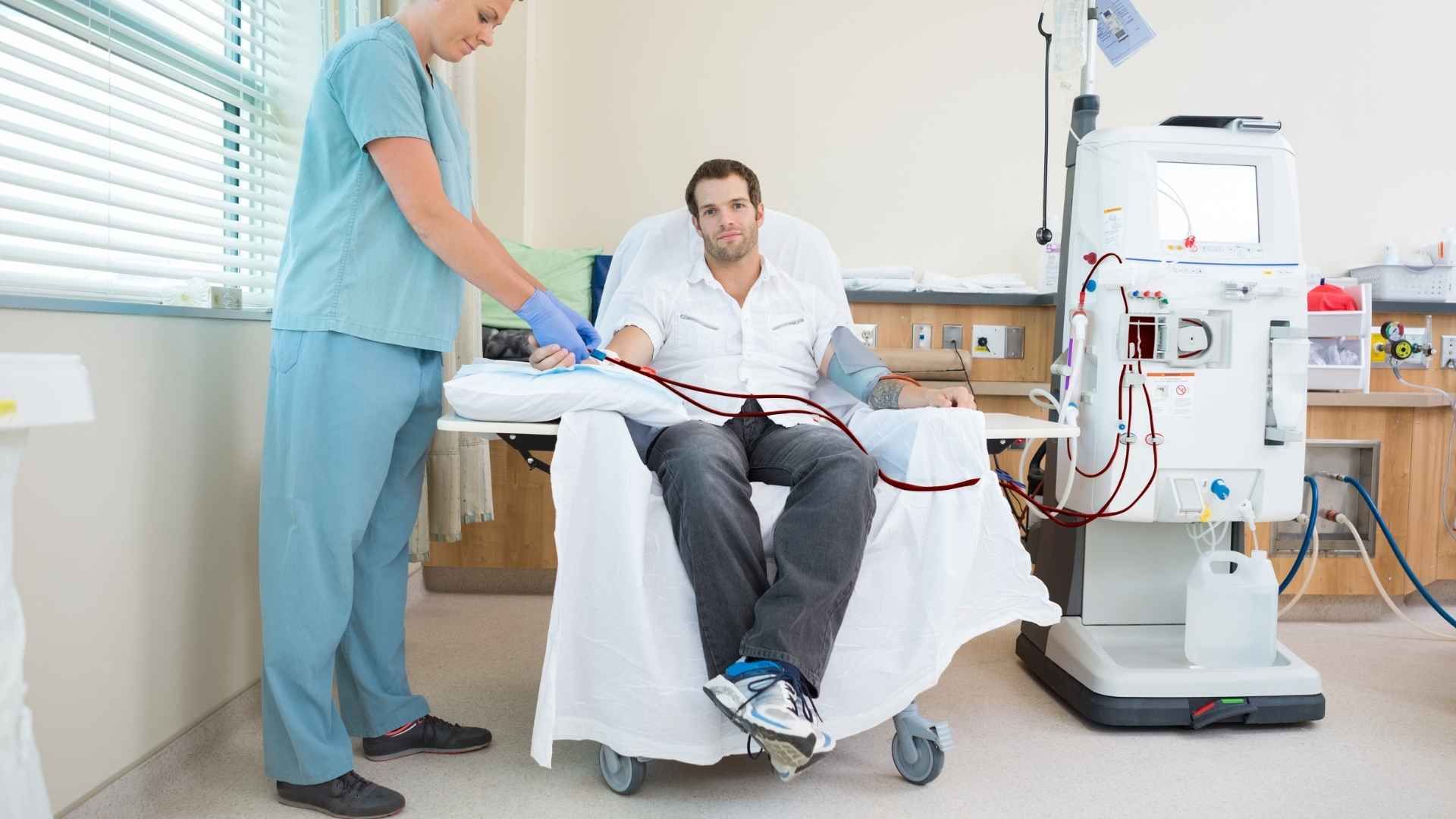
Intradialytic Parenteral Nutrition (IDPN) and Intraperitoneal Nutrition (IPN) therapies provide numerous advantages for patients on dialysis.

  1. Enhanced Nutritional Markers

    • These therapies have been shown to significantly increase key nutritional markers, specifically serum albumin and prealbumin levels.
    • Improvements in these markers are vital since low albumin levels have been linked to higher hospitalization rates and mortality.
  2. Reduction in Mortality and Morbidity

    • By addressing malnutrition, IDPN and IPN play a crucial role in minimizing associated risks, resulting in lower mortality rates among dialysis patients.
    • They contribute to better management of fluid balance, which is particularly critical for those experiencing protein losses post-dialysis.
  3. Improved Recovery and Patient Outcomes

    • Patients receiving these forms of nutritional therapy report enhancements in overall strength, energy levels, and appetite, leading to better daily functioning.
    • Beyond physical health, these therapies also positively impact the quality of life, allowing patients to engage more fully in their recovery and everyday activities.
  4. Cost-Effectiveness

    • Studies demonstrate that by preventing malnutrition-related complications, IDPN and IPN can reduce treatment costs and hospitalizations, making them a financially beneficial option as well.

Overall, IDPN and IPN therapies serve as essential components in the nutritional management of patients with Chronic Kidney Disease (CKD), affirming their importance in clinical settings.

Nutritional Strategies and Administration of IPN and IDPN

Administration Methods of IPN

Intraperitoneal Nutrition (IPN) is administered directly to patients through a peritoneal catheter, typically substituting a portion of their dialysis fluid. This form of parenteral nutrition is designed to meet the higher nutritional demands of dialysis patients, providing nutrients efficiently to enhance recovery.

Formulation and Nutrient Strategies

The formulations for IDPN (Intradialytic Parenteral Nutrition) and IPN are tailored to individual patient needs. They typically comprise protein (10% amino acids), carbohydrates (40%-50% glucose), and fats (10%-20% lipids), ensuring patients receive approximately 800 to 1200 kilocalories per session. Managing the correct concentrations of these nutrients is critical for their effectiveness and patient safety.

Specific Protein and Calorie Intake Needs

Dialysis patients require nearly 50% more protein than non-dialysis patients due to increased nutritional losses. IDPN effectively addresses these needs, delivering around 75-85 grams of amino acids during each hemodialysis session, which is essential for supporting muscle mass and overall health.

Role in Chronic Diseases like CKD

Both IPN and IDPN are vital for malnourished patients with chronic kidney disease (CKD). These therapies help mitigate the risks of malnutrition, which can lead to increased complications, hospitalization, and mortality. Clinical evidence supports the improvement in the nutritional status of patients receiving these therapies, highlighting their importance in comprehensive patient management.

Addressing Potential Complications and Monitoring of IPN

Potential complications of IPN

Intraperitoneal Nutrition (IPN) can present several complications if not managed properly. Common risks include infections related to catheter insertion, abdominal discomfort, and potential imbalances in electrolytes. These risks underscore the importance of proper aseptic techniques during administration and regular evaluation of the patient’s response to therapy.

Monitoring strategies and prevention of side effects

Effective monitoring strategies are critical to ensure patient safety and therapy efficacy. Regular assessments should include monitoring serum electrolytes, hydration status, and nutritional parameters such as serum albumin levels. Adapting the nutrient composition based on ongoing lab results can help mitigate potential complications, including nutrient deficiencies or toxicities.

Guidelines for safe IPN administration

To minimize risks, guidelines for safe IPN administration include ensuring proper training for both healthcare providers and patients on the use of the peritoneal catheter. Patients should also be educated about signs of infection or complications, and scheduling routine follow-ups can help catch issues early.

Role of healthcare providers in managing IPN

Healthcare providers play a vital role in managing IPN therapy. A multidisciplinary team approach is important, involving dietitians, pharmacists, and physicians who work collaboratively to tailor therapy to individual needs. This ensures that patients receive comprehensive care, addressing not only the nutritional aspects but also broader health considerations to improve patient outcomes.

Enhancing Patient Care Through IPN

Intravenous Parenteral Nutrition, including forms such as IPN and IDPN, represents a crucial facet of modern medical nutrition therapy. By delivering expertly formulated nutrient solutions directly into the bloodstream, these therapies ensure that patients with significant nutritional needs due to gastrointestinal limitations, chronic kidney disease, or undergoing dialysis receive the nourishment necessary for optimal health outcomes. As healthcare providers continue to refine these therapies and integrate new research advancements, the potential for improved recovery rates and quality of life in affected patient populations will only increase. Thus, understanding and implementing IPN is not just about treating malnutrition but actively enhancing the standard of care in clinical settings.

References

Home Infusion Therapy in New York
June 17, 2026
Pharmko is based in New York and provides home infusion therapy statewide — IV antibiotics, IVIG, TPN, IDPN, and specialty medications. Licensed, ACHC accredited, and available 24/7.
Home Infusion for Osteomyelitis
June 15, 2026
Osteomyelitis requires weeks of IV antibiotics that can often be completed at home. Learn who qualifies for OPAT, what the treatment timeline looks like, and how Pharmko supports bone infection recovery.
What Is a PICC Line
June 15, 2026
Learn what a PICC line is, how it's inserted, how to care for it at home, and why it's the most common IV access device for home infusion therapy. Pharmko nurses provide full PICC line training.
IV Iron Infusion at Home: Feraheme, Injectafer, and Iron Deficiency Anemia Treatment
June 12, 2026
Learn how IV iron infusion works at home — which products are used, who qualifies, what to expect during treatment, and how Pharmko delivers iron infusion therapy across 22+ states.
Home Infusion for Multiple Sclerosis
June 11, 2026
Learn how home infusion therapy works for multiple sclerosis, including Ocrevus and Tysabri, who qualifies for home-based MS infusions, what to expect, and how Pharmko coordinates care.
TPN at Home: Who Qualifies, How It Works, and What to Expect
June 11, 2026
Learn how total parenteral nutrition (TPN) at home works — who qualifies, how it's delivered, what daily life looks like, and how Pharmko supports patients from first dose through long-term therapy.
Low Albumin in Dialysis Patients
June 3, 2026
Low albumin is a key marker of malnutrition in dialysis patients. Learn what causes albumin decline, when IDPN is indicated, and how Pharmko supports renal nutrition across 22+ states.
Home Infusion Pump Types
June 2, 2026
Learn about the different types of infusion pumps used in home therapy, ambulatory, electronic, elastomeric, and CADD pumps, and how your pump is matched to your specific treatment.
Home Infusion for Rheumatoid Arthritis
May 30, 2026
Learn how home infusion therapy works for rheumatoid arthritis — including Remicade (infliximab) and other IV biologics, who qualifies for home treatment, and how Pharmko supports ongoing RA care.
Sterile Compounding Safety
May 26, 2026
When a patient or provider chooses a compounding pharmacy to prepare IV medications, they are trusting that the pharmacy operates under rigorous, independently enforced standards. In the United States, those standards are defined by two chapters of the United States Pharmacopeia: USP <797> for sterile compounding and USP <800> for hazardous drug handling. Pharmko operates in full compliance with both chapters. Understanding what these standards require, and what happens when they are not met, helps patients and providers make informed decisions about which pharmacy they trust with their care. What Is USP <797>? USP <797> (Pharmaceutical Compounding, Sterile Preparations) is the national standard that defines the minimum requirements for compounding sterile preparations safely. It covers: Cleanroom environment classification, ISO Class 5 at the point of compounding, ISO Class 7 for the surrounding buffer area, ISO Class 8 for the ante-room Personnel training, gowning, and aseptic technique requirements Sterilization and filtration methods by product type Beyond-use dating (BUD), how long a compounded sterile preparation remains safe to use Environmental and personnel monitoring schedules Quality assurance, documentation, and deviation management USP <797> applies to every pharmacy that prepares IV solutions, injections, eye drops, or other sterile preparations, whether they are a hospital pharmacy, ambulatory infusion center, or specialty pharmacy like Pharmko. The 2023 Revision: What Changed USP <797> was significantly revised in 2023 (effective November 2023). Key changes include: Stricter beyond-use date requirements, compounded sterile preparations must now meet more conservative dating limits unless sterility testing supports extended dating Enhanced environmental monitoring, more frequent air and surface sampling with defined action levels Clearer personnel qualification requirements, competency assessments are now required at defined intervals New category system, preparations are now categorized (Category 1 and Category 2) based on sterility assurance level and BUD Pharmacies that were compliant under the previous version of USP <797> must have updated their procedures and infrastructure to meet the 2023 revision. Pharmko updated our facilities, policies, and documentation systems in alignment with the revised chapter. What Is USP <800>? USP <800> (Pharmaceutical Compounding, Hazardous Drugs) establishes standards for the safe handling of hazardous drugs throughout the pharmacy, from receipt and storage to preparation, dispensing, and waste disposal. Hazardous drugs include certain chemotherapy agents, antiviral medications, hormones, and other drugs that pose risks of carcinogenicity, reproductive toxicity, or organ damage at low exposure levels. USP <800> requires: Negative-pressure ventilated containment primary engineering controls (C-PECs) for hazardous drug compounding Separate, dedicated hazardous drug storage areas Personal protective equipment (PPE) requirements for all staff handling hazardous drugs Closed-system drug transfer devices (CSTDs) for certain preparations Spill kits and exposure management protocols Why These Standards Matter for Patients The consequences of non-compliance are serious. High-profile compounding pharmacy failures, including a 2012 fungal meningitis outbreak linked to contaminated steroid injections that killed 64 patients and injured hundreds, demonstrated what happens when sterile compounding standards are not followed. For patients receiving home IV therapy, USP <797> compliance is not a credential to check once and forget, it reflects the ongoing daily practices of the pharmacy preparing their medications. Patients and providers should verify that any pharmacy preparing their IV solutions is accredited, state-licensed, and actively compliant with current USP standards. How Pharmko Meets These Standards Pharmko's sterile compounding facility is designed, staffed, and operated to meet USP <797> and USP <800> requirements. We are ACHC accredited, state-licensed in 22+ states, and subject to regulatory inspection. Every batch we compound is reviewed by a licensed pharmacist, and our environmental and personnel monitoring data is reviewed on a defined schedule. For a broader overview of what sterile compounding is and how it differs from retail pharmacy, see our guide on what is sterile compounding for IV therapy . For providers interested in our compounding capabilities, see our physician services page or contact our pharmacy team directly. → Contact Pharmko about sterile compounding: 1-877-540-2003
Show More