
The role of TPN in senior care

September 4, 2025

Introduction to TPN for Seniors

Total Parenteral Nutrition (TPN) is a vital medical intervention for elderly patients who cannot meet their nutritional needs through conventional feeding methods due to gastrointestinal difficulties. In senior care, TPN plays a critical role in maintaining health and managing conditions that impair alimentary functions. Understanding TPN's application and its comprehensive impact can greatly inform how we approach the nutritional support of older individuals facing complex medical conditions.

Understanding Total Parenteral Nutrition (TPN)

What is the primary purpose of Total Parenteral Nutrition (TPN)?

The primary purpose of Total Parenteral Nutrition (TPN) is to provide essential nutrients, including proteins, carbohydrates, fats, vitamins, and minerals, intravenously to patients unable to consume food orally due to medical conditions. TPN is crucial for restoring nutritional deficits and ensuring adequate caloric intake while allowing the gastrointestinal tract to rest, which is particularly important for patients with conditions such as small bowel obstruction or pancreatitis.

TPN is often necessary for senior patients, particularly those who struggle with malnourishment due to chronic illnesses or age-related conditions that inhibit their ability to eat. It may be administered short-term or long-term depending on the patient's needs, requiring careful tailoring to each individual's specific metabolic needs based on their clinical history and routine blood work.

How does TPN address nutritional deficits?

By delivering a balanced mixture of nutrients directly into the bloodstream through a central venous catheter, TPN bypasses the digestive system entirely. This method is particularly pertinent in seniors who may have severe gastrointestinal dysfunction, which can affect their ability to absorb nutrients through traditional feeding methods.

The TPN solution is customized to meet each patient's needs, accommodating macronutrients and micronutrients to prevent malnutrition. Regular monitoring of the patient's response is essential, which includes checking blood glucose and electrolyte levels to make necessary adjustments to the TPN solution. This proactive approach helps mitigate potential complications such as metabolic disturbances or infections, ensuring that the nutritional care of seniors is handled with great attention to detail.

Impact of TPN on Elderly Nutritional Needs

How does TPN impact the nutritional needs of elderly patients?

Total parenteral nutrition (TPN) is vital for addressing the nutritional needs of elderly individuals facing gastrointestinal challenges. For many seniors, conditions such as inflammatory bowel disease (IBD), cancer, or short bowel syndrome render oral or enteral feeding infeasible. TPN supplies essential nutrients directly into the bloodstream, allowing for bowel rest, which can be important for recovery and health maintenance.

Nutritional management through TPN

TPN provides a well-balanced mixture of carbohydrates, proteins, fats, vitamins, minerals, and electrolytes, tailored to each patient's needs. This is especially crucial for seniors, who often show significant rates of malnutrition due to age-related conditions or chronic illnesses. Here are some pertinent details about the TPN management process:

Nutritional Component Importance Benefits in Elderly Care
Carbohydrates Main energy source Supports overall energy needs, critical for recovery
Proteins Tissue repair Promotes healing and muscle maintenance
Fats Caloric density Helps maintain weight and energy levels
Vitamins & Minerals Bodily functions Prevent deficiencies associated with aging

Despite its advantages, TPN is not a one-size-fits-all solution. It is generally utilized when enteral feeding is impractical, as its application varies based on patient needs. Regular monitoring and adjustments based on lab results ensure seniors receive the necessary care while minimizing risks like infection or metabolic imbalances. Thus, while TPN can improve nutritional status and reduce inflammatory responses, its use should align with the patient's overall health strategy and specific medical conditions.

Benefits and Risks of TPN for Elderly Patients

What are the potential benefits and risks associated with TPN for elderly patients?

Total Parenteral Nutrition (TPN) plays a crucial role in supporting the nutritional needs of elderly patients who have difficulties with normal feeding methods. Here are some of the benefits:

  • Management of Malnutrition : TPN ensures that seniors receive adequate nutrition, addressing issues of malnourishment prevalent in this age group. It is particularly valuable for those recovering from surgery or managing chronic illnesses.

  • Supports Recovery : By providing a complete nutritional profile, TPN can enhance recovery from illnesses or surgical procedures. It helps in maintaining strength and improving overall quality of life.

  • Flexible Administration : TPN can be administered in various settings, including at home, which allows seniors to receive care in familiar environments, reducing stress and anxiety.

However, the use of TPN is not without risks:

  • Infection Risk : The use of a central venous catheter can increase the likelihood of catheter-related infections, which require vigilant monitoring and strict hygiene practices.

  • Metabolic Complications : Elderly patients on TPN may encounter metabolic issues like electrolyte imbalances, hyperglycemia, or fat overload syndrome, necessitating regular blood tests and careful management.

  • Liver Dysfunction : Extended TPN use can lead to liver complications, particularly in those with pre-existing liver conditions.

In summary, while TPN can greatly benefit elderly patients through better nutrition and recovery support, it is vital to monitor for potential risks and adjust treatment as necessary.

Guidelines and Recommendations for TPN Administration

What are the guidelines and recommendations for the safe administration of TPN in senior care settings?

The safe administration of Total Parenteral Nutrition (TPN) in senior care settings involves several critical guidelines. First, strict aseptic techniques and thorough handwashing are essential to prevent infections, particularly central line-associated bloodstream infections. This is paramount for seniors, who often have compromised immune systems.

TPN bags should be warmed to room temperature before use, and they must be checked for any cloudiness or particulates to ensure their safety prior to administration. Consistent monitoring of patients for metabolic abnormalities and electrolyte imbalances is crucial to avoid potential complications.

Maintaining open communication among the healthcare team is vital to address any issues promptly. This includes effectively sharing patient data regarding any observed side effects or complications.

How is patient and caregiver education emphasized in TPN administration?

Proper education for patients and caregivers on the administration process is pivotal to ensure compliance and safety. Education includes training on how to recognize signs of complications, managing equipment, and understanding the importance of cleanliness during preparation and infusion.

Patients and caregivers should also be instructed on regular monitoring methods, such as checking infusion sites and being aware of any symptoms that may indicate complications, such as infections or metabolic issues. This proactive approach supports effective TPN management and enhances the quality of care for seniors relying on this life-sustaining therapy.

Role of Healthcare Professionals in TPN Management

What role do healthcare professionals play in managing TPN for seniors?

Healthcare professionals are vital in the management of Total Parenteral Nutrition (TPN) for seniors, ensuring they receive tailored nutritional support vital for their recovery and health. Their responsibilities encompass several critical areas:

  • Individualized Nutrition Plans : Professionals develop personalized nutrition plans that consider each patient's medical history, current health status, and specific dietary needs, ensuring a customized approach to care.

  • Monitoring and Adjustment : Regular monitoring of vital signs and lab results is crucial. Healthcare professionals assess how seniors respond to TPN and make necessary adjustments to their nutritional regimens to optimize effectiveness and minimize risks.

  • Complication Prevention : With greater vulnerability to complications in older adults, these professionals are trained to identify potential issues such as infections or metabolic imbalances. They proactively implement strategies to mitigate these risks.

  • Education and Support : Education plays a significant role in TPN management. Healthcare professionals train patients and caregivers on TPN administration, equipment handling, and nutritional considerations. This education empowers families to contribute effectively to the care process.

In summary, healthcare experts are essential for the successful management of TPN in seniors. Their comprehensive oversight ensures safe, effective nutritional therapy tailored to the specific requirements of older patients.

Infection Prevention in TPN Treatment

How can infection be prevented during TPN treatment?

To prevent infection during Total Parenteral Nutrition (TPN) treatment, several practices should be rigorously followed.

  1. Aseptic Techniques:

    • Strict aseptic techniques are essential during both the preparation and administration of TPN solutions. This minimizes the risk of introducing pathogens.
    • Use sterile gloves and materials, and ensure that the TPN bag and IV equipment are free from any contamination before use.
    • Proper hand hygiene among healthcare staff is crucial prior to handling TPN materials.
  2. Monitoring the Insertion Site:

    • Regularly check the catheter insertion site for any signs of infection, such as redness, swelling, or discharge.
    • Replace the catheter and dressing as per guidelines or if any abnormalities are noted to further lower infection risk.
  3. Using Filters and Sterile Equipment:

    • Implement appropriate filters in the IV lines to trap any potential contaminants.
    • Ensure all IV equipment, including syringes and connectors, are sterile before use.
  4. Patient Education on Infection Signs:

    • Educating patients about the signs of infection such as fever or site pain empowers them to take an active role in monitoring their health.
    • Instruction on proper self-care and hygiene practices can help both in hospital and home settings.

Taking these proactive measures significantly reduces the risk of infection associated with TPN treatment, enhancing patient safety and overall health outcomes.

Challenges in Home-Based TPN for Seniors

What challenges exist in managing home-based TPN for elderly patients?

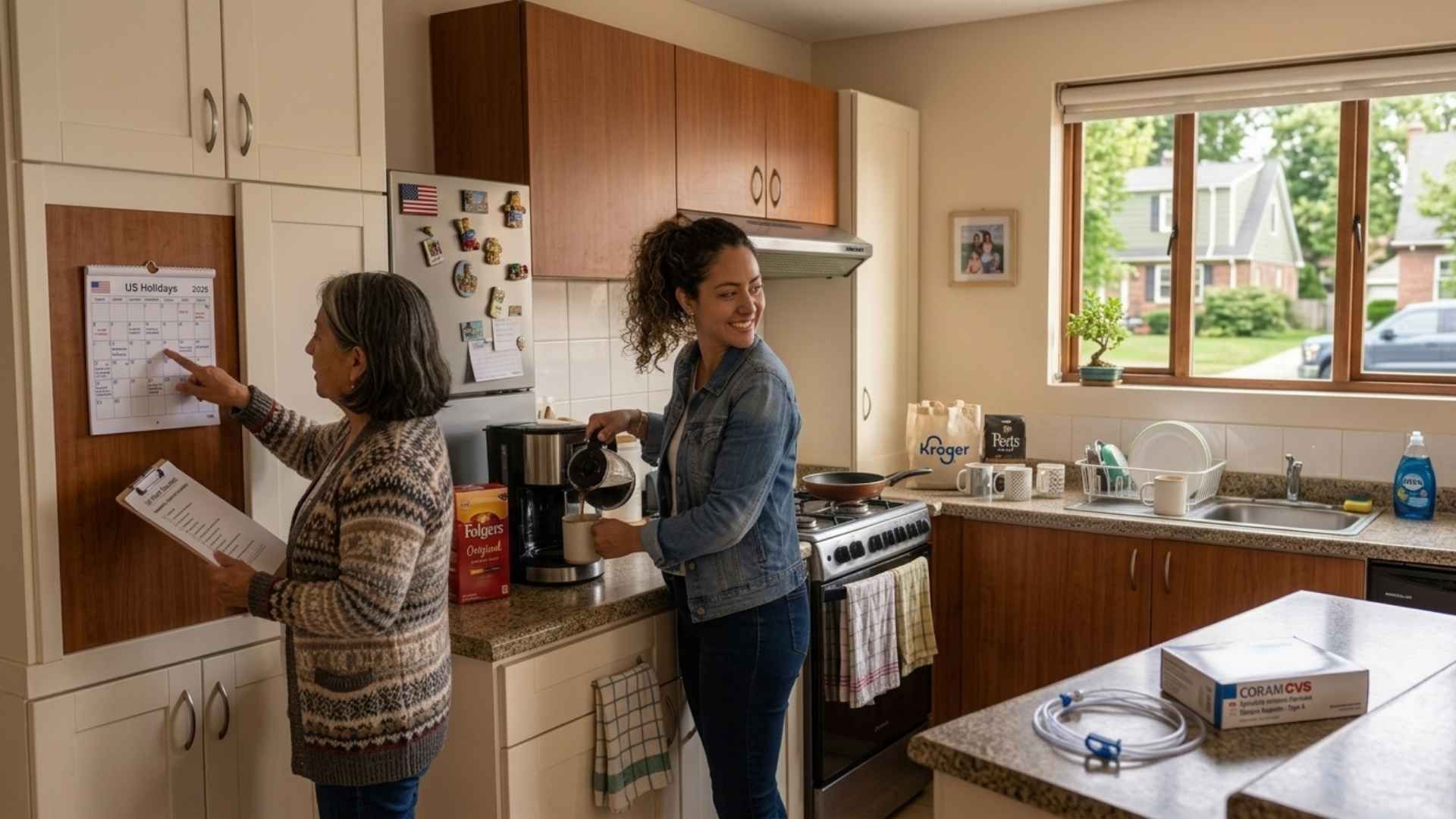
Managing home-based total parenteral nutrition (TPN) for elderly patients poses several challenges. One significant issue is maintaining sterile conditions to prevent infections, as elderly patients often have weakened immune systems. Proper hygiene is essential, and common household environments may not provide the same level of cleanliness found in healthcare facilities.

Another challenge involves catheter maintenance. Ensuring that the central venous catheter (CVC) remains functional and free of infection can be daunting for patients and caregivers. Regular monitoring is crucial, but many elderly patients may struggle with recognizing complications, which adds to the risk of infection or catheter occlusion.

Managing potential medication interactions is also a concern. Elderly patients often have multiple comorbidities and take various medications, which can complicate TPN management. Healthcare providers must carefully evaluate these interactions to prevent adverse effects or nutrient absorption issues.

Moreover, continuous monitoring and support are vital. Patients may require assistance for routine assessments to ensure their TPN is administered safely and effectively. A strong support system, including healthcare professionals available for consultations and emergency guidance, is essential to navigate these challenges successfully.

Training and support for home-based TPN management

Thorough training for patients and caregivers is crucial for the effective management of home-based TPN. This training should include handling and preparing TPN solutions, signs of potential complications, and safe infusion practices.

Healthcare providers should deliver ongoing support through regular follow-ups, enabling them to adjust TPN formulations based on patients' changing needs. This personalized approach can help improve health outcomes and ensure that patients receive adequate nutrition to maintain their overall health.

Conclusion

Total Parenteral Nutrition (TPN) plays a transformative role in the care of elderly patients with severe nutritional needs that cannot be addressed by oral or enteral feeding. While TPN offers significant benefits, including the provision of comprehensive nutritional support, it also demands meticulous attention to monitoring, infection prevention, and care management. Adhering to guidelines and equipping healthcare professionals and caregivers with appropriate knowledge and skills are crucial in maximizing TPN's efficacy. As TPN therapy continues to evolve, its role in enhancing the quality of life for seniors, particularly in home-care settings, underscores its importance in geriatric care management. Future advancements should focus on minimizing risks and optimizing the therapeutic value of TPN, ensuring it remains a cornerstone of nutrition therapy for the elderly.

References

Home Infusion Therapy in New York
June 17, 2026
Pharmko is based in New York and provides home infusion therapy statewide — IV antibiotics, IVIG, TPN, IDPN, and specialty medications. Licensed, ACHC accredited, and available 24/7.
Home Infusion for Osteomyelitis
June 15, 2026
Osteomyelitis requires weeks of IV antibiotics that can often be completed at home. Learn who qualifies for OPAT, what the treatment timeline looks like, and how Pharmko supports bone infection recovery.
What Is a PICC Line
June 15, 2026
Learn what a PICC line is, how it's inserted, how to care for it at home, and why it's the most common IV access device for home infusion therapy. Pharmko nurses provide full PICC line training.
IV Iron Infusion at Home: Feraheme, Injectafer, and Iron Deficiency Anemia Treatment
June 12, 2026
Learn how IV iron infusion works at home — which products are used, who qualifies, what to expect during treatment, and how Pharmko delivers iron infusion therapy across 22+ states.
Home Infusion for Multiple Sclerosis
June 11, 2026
Learn how home infusion therapy works for multiple sclerosis, including Ocrevus and Tysabri, who qualifies for home-based MS infusions, what to expect, and how Pharmko coordinates care.
TPN at Home: Who Qualifies, How It Works, and What to Expect
June 11, 2026
Learn how total parenteral nutrition (TPN) at home works — who qualifies, how it's delivered, what daily life looks like, and how Pharmko supports patients from first dose through long-term therapy.
Low Albumin in Dialysis Patients
June 3, 2026
Low albumin is a key marker of malnutrition in dialysis patients. Learn what causes albumin decline, when IDPN is indicated, and how Pharmko supports renal nutrition across 22+ states.
Home Infusion Pump Types
June 2, 2026
Learn about the different types of infusion pumps used in home therapy, ambulatory, electronic, elastomeric, and CADD pumps, and how your pump is matched to your specific treatment.
Home Infusion for Rheumatoid Arthritis
May 30, 2026
Learn how home infusion therapy works for rheumatoid arthritis — including Remicade (infliximab) and other IV biologics, who qualifies for home treatment, and how Pharmko supports ongoing RA care.
Sterile Compounding Safety
May 26, 2026
When a patient or provider chooses a compounding pharmacy to prepare IV medications, they are trusting that the pharmacy operates under rigorous, independently enforced standards. In the United States, those standards are defined by two chapters of the United States Pharmacopeia: USP <797> for sterile compounding and USP <800> for hazardous drug handling. Pharmko operates in full compliance with both chapters. Understanding what these standards require, and what happens when they are not met, helps patients and providers make informed decisions about which pharmacy they trust with their care. What Is USP <797>? USP <797> (Pharmaceutical Compounding, Sterile Preparations) is the national standard that defines the minimum requirements for compounding sterile preparations safely. It covers: Cleanroom environment classification, ISO Class 5 at the point of compounding, ISO Class 7 for the surrounding buffer area, ISO Class 8 for the ante-room Personnel training, gowning, and aseptic technique requirements Sterilization and filtration methods by product type Beyond-use dating (BUD), how long a compounded sterile preparation remains safe to use Environmental and personnel monitoring schedules Quality assurance, documentation, and deviation management USP <797> applies to every pharmacy that prepares IV solutions, injections, eye drops, or other sterile preparations, whether they are a hospital pharmacy, ambulatory infusion center, or specialty pharmacy like Pharmko. The 2023 Revision: What Changed USP <797> was significantly revised in 2023 (effective November 2023). Key changes include: Stricter beyond-use date requirements, compounded sterile preparations must now meet more conservative dating limits unless sterility testing supports extended dating Enhanced environmental monitoring, more frequent air and surface sampling with defined action levels Clearer personnel qualification requirements, competency assessments are now required at defined intervals New category system, preparations are now categorized (Category 1 and Category 2) based on sterility assurance level and BUD Pharmacies that were compliant under the previous version of USP <797> must have updated their procedures and infrastructure to meet the 2023 revision. Pharmko updated our facilities, policies, and documentation systems in alignment with the revised chapter. What Is USP <800>? USP <800> (Pharmaceutical Compounding, Hazardous Drugs) establishes standards for the safe handling of hazardous drugs throughout the pharmacy, from receipt and storage to preparation, dispensing, and waste disposal. Hazardous drugs include certain chemotherapy agents, antiviral medications, hormones, and other drugs that pose risks of carcinogenicity, reproductive toxicity, or organ damage at low exposure levels. USP <800> requires: Negative-pressure ventilated containment primary engineering controls (C-PECs) for hazardous drug compounding Separate, dedicated hazardous drug storage areas Personal protective equipment (PPE) requirements for all staff handling hazardous drugs Closed-system drug transfer devices (CSTDs) for certain preparations Spill kits and exposure management protocols Why These Standards Matter for Patients The consequences of non-compliance are serious. High-profile compounding pharmacy failures, including a 2012 fungal meningitis outbreak linked to contaminated steroid injections that killed 64 patients and injured hundreds, demonstrated what happens when sterile compounding standards are not followed. For patients receiving home IV therapy, USP <797> compliance is not a credential to check once and forget, it reflects the ongoing daily practices of the pharmacy preparing their medications. Patients and providers should verify that any pharmacy preparing their IV solutions is accredited, state-licensed, and actively compliant with current USP standards. How Pharmko Meets These Standards Pharmko's sterile compounding facility is designed, staffed, and operated to meet USP <797> and USP <800> requirements. We are ACHC accredited, state-licensed in 22+ states, and subject to regulatory inspection. Every batch we compound is reviewed by a licensed pharmacist, and our environmental and personnel monitoring data is reviewed on a defined schedule. For a broader overview of what sterile compounding is and how it differs from retail pharmacy, see our guide on what is sterile compounding for IV therapy . For providers interested in our compounding capabilities, see our physician services page or contact our pharmacy team directly. → Contact Pharmko about sterile compounding: 1-877-540-2003
Show More