
TPN as a Temporary Support for Malnourished Women

September 4, 2025

Introduction to Total Parenteral Nutrition (TPN)

Total parenteral nutrition (TPN) is a critical medical intervention, particularly for malnourished women who are unable to receive adequate nutrients through traditional means. This intravenous form of nutrition provides essential nutrients directly into the bloodstream, bypassing the digestive tract. With the prevalence of conditions that impede nutritional absorption in women, TPN becomes a pivotal support mechanism, ensuring survival and supporting recovery in critical scenarios.

What is Total Parenteral Nutrition (TPN)?

What is total parenteral nutrition and how does it work to manage malnutrition?

Total parenteral nutrition (TPN) is a medical treatment that delivers essential nutrients directly into the bloodstream through an intravenous catheter, bypassing the digestive system. This method is crucial for patients who face difficulties digesting food due to severe medical conditions. TPN provides a balanced mixture of nutrients tailored to individual requirements, including carbohydrates, proteins, fats, vitamins, and minerals.

Nutrient composition

TPN solutions typically consist of:

  • Carbohydrates : For energy.
  • Proteins : Essential for tissue repair and growth.
  • Fats : Important for hormone production and energy storage.
  • Electrolytes : Maintains body fluid balance and nerve function.
  • Vitamins and minerals : Support overall health and metabolic functions.

Conditions necessitating TPN

Several medical conditions may necessitate the use of TPN, including:

  • Gastrointestinal disorders : Such as Crohn's disease and ulcerative colitis.
  • Abdominal surgeries : Where the digestive tract needs time to heal.
  • Certain cancers : Where patients experience malnutrition due to disease progression or active treatment.

Patients receiving TPN require close monitoring for potential complications, including infections, electrolyte imbalances, and liver health issues. Hence, managing TPN typically involves a specialized team to ensure ongoing nutritional support and optimize recovery.

Timing of TPN Initiation in Severe Malnutrition

When should total parenteral nutrition be initiated for patients with severe malnutrition?

Total parenteral nutrition (TPN) should ideally be initiated within 3 to 5 days for patients at nutritional risk who are unable to meet their needs through oral or enteral routes. This quick response is imperative for those with moderate to severe malnutrition, as delays can lead to worsening health conditions.

The urgency for starting TPN increases particularly when patients cannot consume food orally, which substantially raises the risk of poor health outcomes, including higher mortality rates and extended hospital stays. Despite its importance, studies indicate that only a small percentage of malnourished patients receive adequate parenteral nutrition support when needed.

Before resorting to TPN, clinicians are encouraged to assess the feasibility of enteral nutrition options. This consideration is vital, as enteral nutrition should be the first line of treatment where possible. For specialized populations, such as children or neonates, TPN may need to be indicated even sooner based on their unique nutritional requirements.

The critical nature of addressing malnutrition with timely nutritional support therapies can greatly improve health outcomes for patients, particularly in hospital settings where those suffering from severe malnutrition often face significant health challenges.

Administration Protocols for TPN

What are the administration protocols for total parenteral nutrition?

The administration protocols for total parenteral nutrition (TPN) focus on ensuring patient safety and effective delivery of nutrients. One of the first steps is to remove TPN bags from refrigeration 2-4 hours before infusion to bring them to room temperature. This helps to prevent hypothermia during administration.

Prior to use, healthcare professionals must conduct a thorough inspection of TPN bags for integrity, ensuring that there are no leaks or contamination, and validating that the correct patient-specific formulation is being utilized. Accurate labeling and checking expiration dates are crucial to maintain quality and safety.

Infection control is paramount. Proper hand hygiene and surface disinfection must be practiced meticulously. The intravenous tubing must be primed appropriately to remove air and reduce the risk of air embolism during administration.

During the TPN infusion, continuous patient monitoring is essential. Clinicians need to observe for any adverse reactions and assess the patient's overall response to the nutrition. Daily evaluations of electrolyte levels and metabolic status guide necessary adjustments in the treatment plan to address any anomalies.

Finally, an organized and safe approach to discontinuing TPN is critical. This includes flushing the central line after final infusion and educating patients about transitioning to home parenteral nutrition if required. This ensures that patients remain well-supported in their nutritional needs after therapy.

Adverse Effects and Complications of TPN

What potential adverse effects and complications are associated with total parenteral nutrition?

Total parenteral nutrition (TPN) can lead to several potential adverse effects and complications. Patients on TPN are at heightened risk for multiple issues, primarily due to the nature of intravenous nutrition delivery.

Metabolic abnormalities

Common metabolic abnormalities include:

  • Hyperglycemia : Increased blood sugar levels can occur, requiring close glucose monitoring and management.
  • Hypoglycemia : Conversely, when TPN is abruptly stopped or insulin is mismanaged, low blood sugar levels can lead to serious complications.
  • Electrolyte imbalances : Essential electrolytes like sodium and potassium can fluctuate, necessitating regular serum checks to keep levels within safe ranges.

Risk of infections

Infections pose a significant risk as TPN requires central venous access. The most concerning infection type is:

  • Catheter-related bloodstream infections (CLABSI) : These can lead to severe complications, including sepsis. Appropriate catheter care is critical to minimize this risk.

Long-term complications

While TPN can be lifesaving, it is not without risks, particularly when used in the long term. Common complications include:

  • Hepatic complications : Issues such as fatty liver disease and cholestasis are prevalent among TPN users, requiring careful dietary management.
  • Bone-related issues : Prolonged TPN can lead to osteoporosis, highlighting the importance of monitoring bone health and nutrient intake.

Overall, while TPN provides critical nutrition for those with gastrointestinal issues, awareness and management of these complications are crucial for patient safety.

Comparing TPN and Enteral Nutrition

Differences between TPN and enteral nutrition

Total Parenteral Nutrition (TPN) and enteral nutrition are two distinct methods of providing nutrition. TPN delivers nutrients directly into the bloodstream via a central venous catheter, making it suitable for patients who cannot digest food through their gastrointestinal tract. In contrast, enteral nutrition involves delivering nutrients through the digestive system, typically via a feeding tube.

Key Differences:

TPN Enteral Nutrition
Directly administered IV Delivered via feeding tubes
Requires a central line Can use nasogastric or PEG tubes
Higher osmolarity Lower osmolarity
Longer setup time Quicker initiation possible

Conditions favoring each method

Each method has specific indications based on patient needs. TPN is preferred for conditions such as:

  • Chronic intestinal obstruction
  • Severe malabsorption disorders
  • Critical illness where enteral feeding is not possible

Enteral nutrition is often the first choice for:

  • Patients with functioning gastrointestinal tracts
  • Short-term feeding needs (e.g., post-surgery recovery)
  • Easier home management without catheters

Both methods require careful monitoring of nutritional status and potential complications to support optimal recovery and health.

Evidence Supporting TPN in Malnutrition

Clinical Studies

Recent studies have evaluated the role of Total Parenteral Nutrition (TPN) in managing malnutrition, especially among vulnerable populations such as women. One significant study involving patients with advanced peritoneal metastasis indicated that initiating TPN at home (Home Start PN) is both safe and effective. In comparing 42 patients who started TPN at home versus 28 hospitalized patients, weight gain and nutritional markers showed comparable outcomes. Approximately 75% of home TPN patients maintained or increased their weight, in contrast to 47% among those hospitalized, emphasizing the potential efficacy of home-based TPN solutions.

Benefits in Weight Gain and Nutritional Markers

The beneficial impacts of TPN extend beyond mere nutritional support. Patients receiving TPN demonstrated improved nutritional markers, including serum albumin and pre-albumin levels. These indicators reflect the patient’s protein status and overall nutritional health. Although some studies found that serum albumin levels were lower post-surgery in TPN recipients compared to others, the quick stabilization of their body weight and improved nutritional indices indicate essential recovery strides. Additionally, implementing TPN preoperatively among patients with gynecologic cancers has shown to minimize post-operative complications and enhance the efficiency of recovery protocols, underscoring the role of TPN in nutritional optimization during critical health periods.

Home-Based TPN Efficiency

Safety and efficacy of home TPN

Home Total Parenteral Nutrition (TPN) has emerged as a viable option for patients requiring nutritional support outside of a hospital setting. Research indicates that when initiated in a home environment, TPN can be just as safe and effective as traditional hospital-based therapy. A study comparing 42 patients who started TPN at home with 28 hospitalized patients revealed comparable nutritional outcomes in both groups. This suggests that the home setting can adequately support the nutritional needs of malnourished patients, especially those managing advanced peritoneal metastasis.

Furthermore, 75% of patients starting TPN at home maintained or improved their weight, a significant contrast to only 47% in the hospital counterpart. Criteria ensuring patient safety, such as assessing for risks of complications, are pivotal in the selection process for home TPN initiation.

Comparative outcomes with hospital-based TPN

While both home and hospital TPN have been shown to yield effective results in nutritional stabilization, ongoing monitoring remains crucial to avoid potential adverse effects. Among participants, hospital stays were shorter for those receiving home TPN, although post-operative complications did not differ significantly between the two settings.

Nutritional markers, including albumin and pre-albumin levels, remain essential assessment metrics, showing that home TPN adequately fulfills the necessary nutritional requirements while reducing the burden of long-term hospitalization.

TPN and Malnutrition in Specific Populations

Use in Pregnant and Breastfeeding Women

Total Parenteral Nutrition (TPN) can be especially crucial for pregnant and breastfeeding women suffering severe malnutrition or Hyperemesis Gravidarum (HG). In such cases, TPN is considered medically necessary when significant weight loss occurs or when the mother is unable to control vomiting through medications. When properly managed, women on TPN can still breastfeed, and evidence suggests that TPN might even enhance lactation. This dual benefit allows these women to provide nourishment for their infants while receiving essential nutrients themselves, thereby promoting better health for both mother and child.

Impact on Cancer Patients

For cancer patients, particularly those with advanced stage ovarian cancer, TPN plays a vital role in managing malnutrition, which is prevalent due to aggressive treatments and late diagnoses. Approximately 50% of patients in this category suffer from malnutrition, heightening their risk for postoperative complications and potentially reducing survival rates. Studies show that patients on TPN often have shorter hospital stays compared to those receiving conservative management, which can be a key factor in improving recovery efficiency. However, while TPN can help stabilize weight and nutritional markers, it doesn't significantly alter post-operative recovery metrics like restoring bowel function. Close monitoring of nutritional status and risks such as refeeding syndrome is crucial for these patients, underscoring the importance of integrated care during TPN therapy.

Policy and Implementation of TPN

Medical Necessity Criteria for TPN

Total Parenteral Nutrition (TPN) is recognized as medically necessary when patients cannot maintain adequate nutrition orally. Specific criteria must be met for its approval:

  • Severe malnutrition: Documented weight loss, reduced intake, or chronic gastrointestinal conditions.
  • Medical evaluation: Assessment of the patient's situation needs confirmation by a healthcare professional to establish the necessity of TPN.
  • Failure of enteral nutrition: When attempts to feed orally or via enteral routes are unsuccessful, TPN becomes an essential option.

Role in Clinical Practice

In clinical environments, TPN is a vital intervention for managing severe malnutrition, especially in populations such as individuals with gastrointestinal disorders or women experiencing conditions like Hyperemesis Gravidarum.

  • Supports recovery: It provides crucial nutrients, which can be especially important for malnourished patients undergoing surgery or chemotherapy.
  • Home-based care: Recent studies advocate for home initiation of TPN, showing it can be as effective and safe as hospital setups.
  • Multidisciplinary team involvement: Successful implementation involves dietitians, nurses, and pharmacists to tailor TPN solutions as per each patient’s needs, ensuring safety and efficacy.

Overall, proper documentation and monitoring remain paramount to optimize outcomes and manage associated risks.

Nutritional Requirements During TPN Therapy

Nutrient Composition Tailored to Needs

Total Parenteral Nutrition (TPN) provides a comprehensive mix of essential nutrients tailored to the individual's specific needs. This includes:

  • Carbohydrates : Typically supplied as dextrose.
  • Proteins : Delivered as amino acids to support muscle synthesis and recovery.
  • Fats : Administered via lipid emulsions to provide energy and support hormone production.
  • Vitamins and Minerals : Essential for various metabolic functions and overall health.

The nutrient composition can be adjusted based on individual factors such as age, weight, and existing health conditions, ensuring that malnourished patients receive adequate energy and nutrients despite their inability to ingest food orally.

Monitoring Nutritional Intake

Monitoring is a vital part of TPN therapy to prevent complications and ensure nutritional goals are met. Key elements include:

  • Daily Caloric Requirements : Calculated to match individual needs, usually between 25 to 40 mL water per kg of body weight.
  • Serum Nutritional Markers : Regularly checking levels of albumin, pre-albumin, and electrolytes to assess nutritional status.

These measures help healthcare teams promptly address any nutritional deficiencies or excesses that could arise during TPN, ultimately enhancing patient outcomes and reducing risks associated with long-term nutritional support.

Managing Complications in TPN Therapy

Addressing Complications Effectively

Total Parenteral Nutrition (TPN) therapy, while life-saving for many malnourished patients, is not without its challenges. Complications can arise from the nature of intravenous nutrition delivery, with risks including infection, metabolic abnormalities, and issues related to catheter insertion.

To address these complications, healthcare professionals must closely monitor patients. Regular checks for glucose levels help to manage hyperglycemia and hypoglycemia effectively. Moreover, the risk of catheter-related infections necessitates strict adherence to aseptic techniques during insertion and maintenance.

In addition, patients receiving TPN might experience liver dysfunction, which is more prevalent with long-term use. Therefore, healthcare teams should perform regular liver function tests and adjust nutrition composition swiftly to mitigate these risks.

Importance of a Healthcare Team

The complexity of TPN management underscores the necessity of a collaborative healthcare team. This multi-disciplinary group typically includes dietitians, nurses, pharmacists, and physicians who work together to tailor the TPN to each patient's unique needs.

Dietitians play a pivotal role, calculating the required balance of macronutrients and micronutrients, while nurses monitor patients closely for any side effects. Pharmacists help ensure compatibility of the TPN solutions with other medications. This team approach allows for rapid identification and intervention in case of complications, promoting the well-being and safety of patients undergoing TPN therapy.

Role of TPN in Gynecologic and IBD Patients

Nutritional Support in Gynecologic Cancer

Total Parenteral Nutrition (TPN) is vital for women with advanced gynecologic cancers, particularly during treatment phases. Approximately 50% of these patients experience malnutrition, which complicates surgeries and can extend hospital stays. TPN provides essential nutrients intravenously, assisting those who cannot maintain adequate oral intake. It allows for tailored support that meets the specific nutritional needs of these patients, ensuring they receive balanced carbohydrates, proteins, fats, vitamins, and minerals.

Studies show that implementing TPN can shorten hospitalization durations, enhancing recovery, although it may not significantly reduce postoperative complications. Nutritional Risk Indices (NRI) help monitor these patients, emphasizing the importance of early TPN intervention.

TPN in IBD Management

For patients with Inflammatory Bowel Diseases (IBD) such as Crohn's disease and ulcerative colitis, TPN serves as a crucial intervention for managing malnutrition. Given that roughly 70% of individuals with active IBD face malnutrition, TPN plays a role in preoperative support or recovery from bowel resections. It should be noted that while TPN does not address the underlying conditions of IBD, it is essential for restoring and maintaining nutritional health, particularly when enteral feeding is not an option.

In both gynecologic cancer and IBD cases, multidisciplinary teams provide critical oversight. Dietitians, physicians, and nursing staff collaborate to ensure that TPN is delivered safely and effectively, considering the unique risks and benefits associated with this treatment.

Safety Measures for Long-Term TPN Use

Risks Associated with Prolonged Use

Long-term Total Parenteral Nutrition (TPN) can significantly enhance nutrient delivery for patients unable to absorb food through their digestive systems. However, it is not without risks. Extended use may expose patients to complications such as:

  • Infection : Central venous catheters, used for TPN administration, can become infected, leading to severe complications.
  • Metabolic abnormalities : These may include issues like hyperglycemia, hypoglycemia, or electrolyte imbalances, requiring careful monitoring.
  • Liver dysfunction : TPN can lead to fatty liver disease or liver failure if administered long-term without proper management.
  • Bone health concerns : Extended use may increase the risk of osteoporosis, particularly if calcium and vitamin D intake is inadequate.

Monitoring and Adjustment Strategies

To mitigate these risks, several monitoring and adjustment strategies are essential:

  • Regular assessments : Patients need ongoing evaluations of metabolic parameters and laboratory tests to track glucose levels, liver function, and signs of infections.
  • Collaboration with specialists : A multidisciplinary approach involving dietitians, physicians, and pharmacists can enhance nutritional therapy and adjust TPN formulations as needed.
  • Patient education : Teaching patients about recognizing signs of potential complications allows for timely interventions and helps manage their care effectively.

In conclusion, mindful monitoring and collaboration are vital in maximizing TPN efficacy while minimizing associated risks.

Global Perspective on Malnutrition and TPN Utilization

Statistics on Malnutrition in Women

Malnutrition continues to be a severe global issue, affecting over 1 billion adolescent girls and women worldwide. Among these, acute malnutrition rates have surged by 25% between 2020 and 2022 in the hardest-hit areas. Pregnant and breastfeeding women are particularly vulnerable, with nearly 70% of those suffering from conditions like Chronic Intestinal Disease (CID) facing heightened malnutrition risks. This nutritional crisis undermines immunity and exacerbates complications during pregnancy and childbirth, impacting not just maternal health but also posing risks to the children born into such conditions.

Global Initiatives for TPN Usage

Recognizing the need for effective nutritional support, organizations such as UNICEF advocate for tailored solutions like Total Parenteral Nutrition (TPN) for women experiencing severe malnutrition. TPN is increasingly emphasized as a necessary intervention in clinical settings, particularly when enteral feeding is not viable. This is crucial in managing malnutrition in gynecological cases and offers women a chance to meet their nutritional needs. Initiatives are underway to improve awareness and access to TPN, ensuring women receive adequate nutritional support, thereby improving health outcomes for both mothers and their infants.

Conclusion

Total parenteral nutrition (TPN) is a vital resource for malnourished women, providing essential nutrients in critical circumstances where traditional feeding methods are not viable. While TPN offers significant benefits in preventing severe nutritional deficits and supporting health recovery, it comes with potential complications that require careful medical oversight. As research evolves, TPN continues to be an essential aspect of medical nutrition therapy, improving health outcomes for women facing malnutrition due to complex health conditions.

References

Dialysis center staff coordinating phosphate binder supply with a pharmacy partner
August 11, 2026
What dialysis centers should look for in a phosphate binder supply partner: reliable delivery, formulary breadth, insurance support, and coordination.
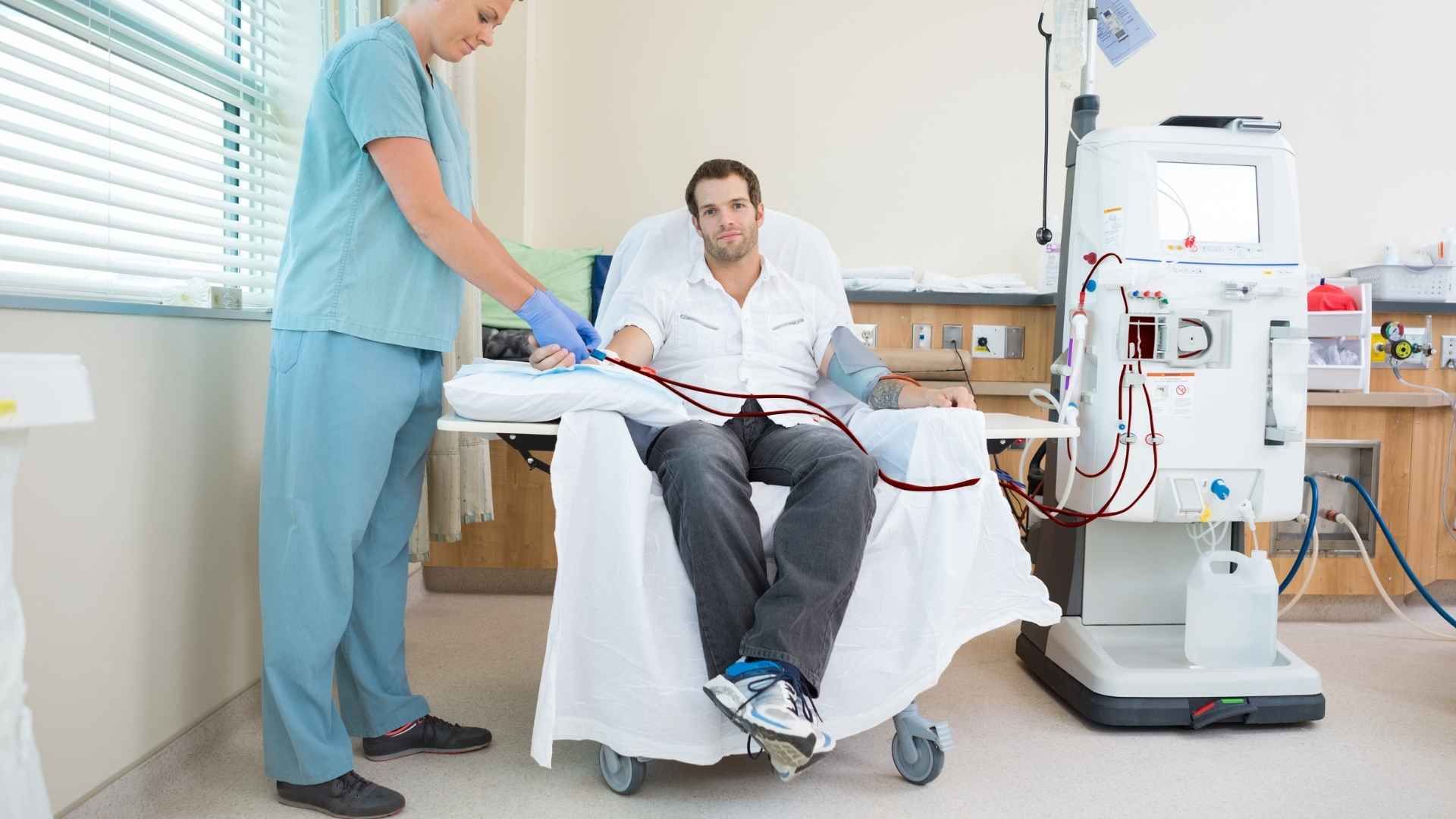
Renal dietitian reviewing phosphate levels with a dialysis patient
August 11, 2026
How hyperphosphatemia is managed in ESRD dialysis patients, diet, dialysis, and phosphate binders, and why reliable binder supply keeps therapy on track.

July 29, 2026
Compounded medications are a routine part of modern care, but unlike mass-manufactured drugs, each one is prepared individually, which means the standards behind its preparation carry real weight. For providers who order or refer for compounded therapies, a working understanding of those standards is the clearest way to judge whether a pharmacy is safe to trust. This overview covers the standards that govern sterile compounding and what they mean for the medications your patients receive. Why Standards Matter More in Compounding A commercially manufactured drug is produced under FDA oversight in large, validated batches. A compounded medication is prepared for an individual patient, often in small quantities, sometimes because no commercial equivalent exists. That flexibility is exactly why it's clinically valuable — and why the standards around preparation exist. Without rigorous controls, the same customization that helps patients could introduce contamination or error. Our guide to our sterile compounding pharmacy describes how those controls come together in practice. The Regulatory Landscape Sterile compounding sits within a layered framework: The United States Pharmacopeia (USP) publishes the general chapters, most importantly <797> and <800>, that define how compounded preparations should be made and handled. State boards of pharmacy license and inspect pharmacies, including where they're permitted to ship. Multi-state operations must maintain licensure in each state they serve. Accreditation bodies (ACHC, NABP, PCAB) provide independent verification that a pharmacy meets recognized standards. Together, these create the accountability structure behind every compounded dose. USP <797>: Sterile Preparations USP <797> is the cornerstone standard for compounded sterile preparations. It governs the conditions and practices required to keep a preparation free of contamination, including personnel training and garbing, ISO-classified air quality and engineering controls, environmental monitoring, and beyond-use dating. For any medication infused directly into the body, <797> compliance is the baseline expectation, not a premium feature. USP <800>: Hazardous Drugs USP <800> adds a containment layer for hazardous drugs, protecting personnel, patients, and the environment from unintended exposure. It specifies containment engineering controls, PPE, and validated handling procedures for drugs identified as hazardous. When a preparation is both sterile and hazardous, it must satisfy <797> and <800> together. For the details, see our breakdown of USP <800> requirements . Accreditation: Independent Verification Standards are only meaningful if someone checks that they're being met. Accreditation from ACHC, NABP, and PCAB means a pharmacy has been inspected against national benchmarks by an outside authority. For a provider, accreditation is a shortcut to confidence: it signals that the pharmacy's claims about its processes have been independently validated. The Quality-Control Process Behind the standards is a repeatable process that governs each preparation: Pharmacist review of the prescription for appropriateness, compatibility, and dosing Preparation by trained technicians under aseptic conditions In-process and final verification by a licensed pharmacist Sterility testing or filtration validation where required This chain is what turns a standard on paper into a safe medication in a patient's hands. What This Means When You Order When you refer a patient for a compounded therapy, you're effectively extending your own standard of care into another facility. Knowing that a pharmacy is USP-compliant, accredited, and pharmacist-led lets you refer with confidence that the medication will meet the same expectations you'd hold for anything you administer yourself. If you're weighing options, our guide on how to choose a compounding partner walks through the criteria. The Pharmko Standard Pharmko compounds every TPN, IDPN, and IPN preparation in a USP <797>-compliant, ISO Class 5 cleanroom, under ACHC, NABP, and PCAB accreditation, with a licensed pharmacist reviewing and releasing each formula. For the patients who receive our preparations, many of them managing End Stage Renal Disease (ESRD), that standard is the point. Refer a Patient → · [1 (877) 540-2003]
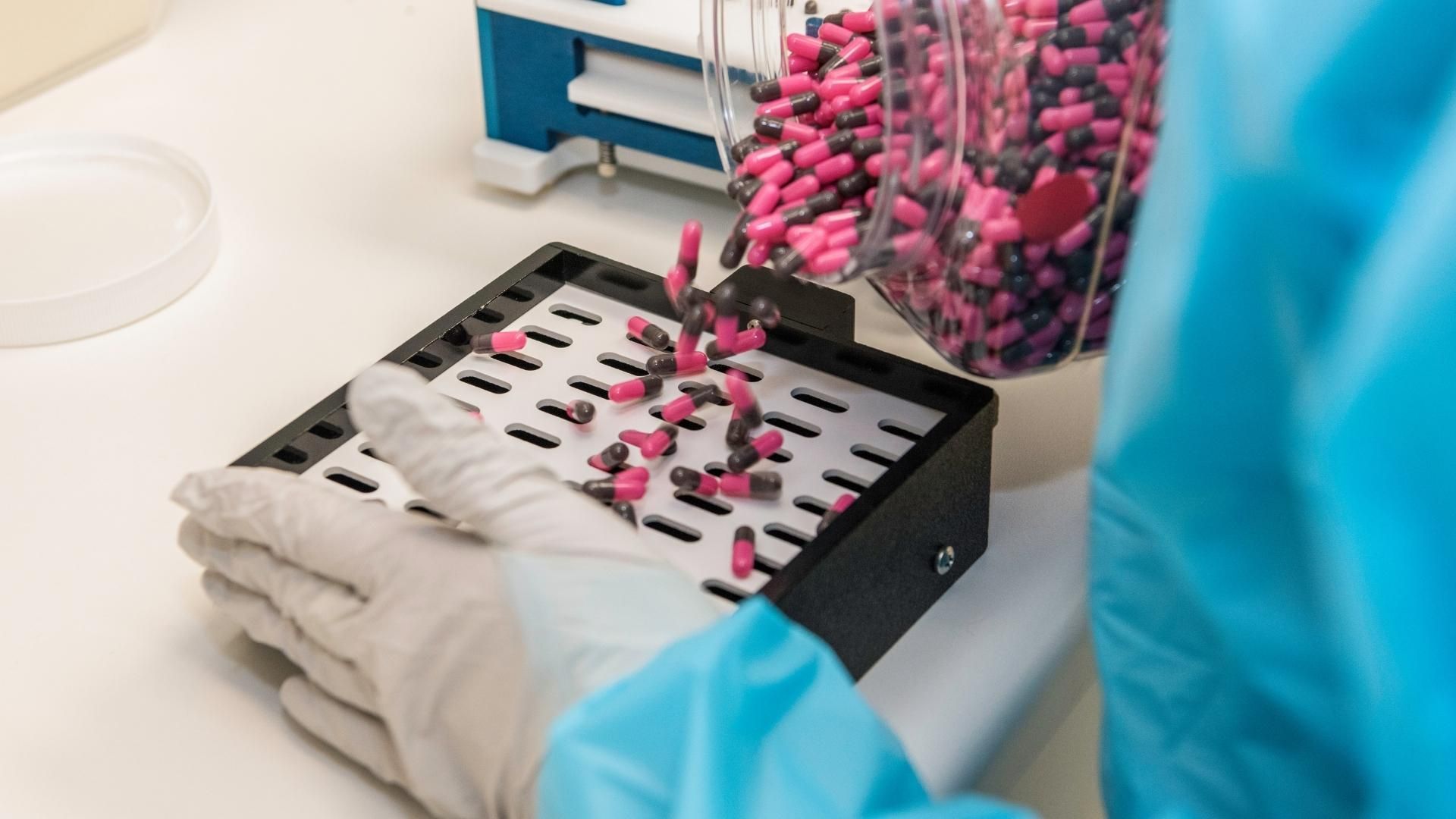
Physician evaluating a sterile compounding pharmacy partner
July 29, 2026
How to evaluate a sterile compounding pharmacy: accreditation, USP compliance, clinical support, turnaround, and the questions every practice should ask.

Sterile compounding pharmacy technician in PPE under a containment hood
July 29, 2026
A clear guide to USP 800 requirements: hazardous drug handling, containment, PPE, and the facility standards every sterile compounding pharmacy must meet.
Myasthenia Gravis and IVIG: What Patients Need to Know About IV Therapy
July 20, 2026
Learn how IVIG therapy works for myasthenia gravis, when it's used, what to expect during infusions, how home IVIG is coordinated, and how Pharmko supports MG patients and their neurologists.
Dobutamine and Inotrope Therapy at Home
July 17, 2026
Learn how home dobutamine infusion works for advanced heart failure, who qualifies, how continuous inotrope therapy is managed at home, and how Pharmko supports cardiac patients and heart failure teams.
CIDP and Home Infusion: IVIG Treatment, Dosing Schedule, and Long-Term Management
July 16, 2026
Learn how IVIG therapy works for CIDP, what the dosing schedule looks like, how to transition to home infusion, and how Pharmko supports long-term CIDP management across 22+ states.
Compounded IV Medications
July 15, 2026
Most medications that patients receive at a hospital or pharmacy come in standardized, commercially manufactured forms, a 500mg antibiotic vial, a pre-filled syringe, a fixed-concentration IV bag. These products work well for many patients. But a significant portion of patients receiving IV therapy have clinical needs that commercial products cannot meet: a dose the manufacturer doesn't make, a formulation incompatible with the patient's allergy profile, or a combination of nutrients that must be tailored to individual lab values. For these patients, compounded IV medications are not optional, they are clinically necessary. Pharmko's sterile compounding services prepare customized IV medications for patients across 22+ states, with every formulation reviewed by a licensed pharmacist and prepared in a USP <797> compliant cleanroom. What Makes an IV Medication 'Compounded'? A compounded medication is one that is prepared specifically for an individual patient by a licensed pharmacist, rather than manufactured in bulk by a pharmaceutical company. Compounding involves combining, mixing, or altering ingredients, active pharmaceutical ingredients, diluents, preservatives, to create a final preparation that meets the patient's unique prescription requirements. For IV therapy specifically, compounding means preparing a sterile preparation, one that is completely free of viable microorganisms and safe to inject or infuse directly into the bloodstream. This requires specialized facilities, equipment, training, and quality systems that go far beyond what a standard retail pharmacy can provide. Pharmko is exclusively a sterile compounding pharmacy. We do not compound oral medications, topical creams, or non-sterile preparations. Every product we make is intended for intravenous, intraperitoneal, or subcutaneous administration. When Are Compounded IV Medications Necessary? The required dose doesn't exist commercially Pharmaceutical manufacturers produce medications in standardized strengths and volumes based on average patient needs. Pediatric patients, patients with renal or hepatic impairment requiring dose adjustments, or patients whose weight or clinical status falls outside standard ranges may need concentrations or volumes that no commercial product provides. Compounding fills this gap precisely. The patient has an allergy to a commercial formulation's inactive ingredients Commercial IV products often contain preservatives, stabilizers, or diluents, sulfites, benzyl alcohol, certain dyes, that some patients cannot tolerate. A compounding pharmacy can prepare an equivalent formulation without the offending ingredient, allowing the patient to receive the therapy safely. The medication requires individualized nutrient formulation Total parenteral nutrition (TPN) is the clearest example: every TPN formula must be individually compounded because no commercial product can provide the precise combination of amino acids, dextrose, lipids, electrolytes, vitamins, and trace minerals a specific patient needs. The formula changes as the patient's labs, weight, and clinical status change, making standardization impossible. The commercial product is unavailable or in shortage Drug shortages are a persistent reality in the US pharmaceutical supply chain. When a commercially manufactured IV medication becomes unavailable, compounding pharmacies can often prepare an equivalent formulation from available active pharmaceutical ingredients, bridging the gap and maintaining continuity of therapy for patients who cannot wait. The therapy requires a custom delivery format Some IV medications require specific pH, osmolarity, or concentration adjustments for compatibility with a patient's IV access device or concurrent medications. A compounding pharmacist reviews compatibility and prepares formulations that are safe and stable for the specific administration route and equipment the patient is using. How Compounded IV Medications Are Made Step 1: Prescription review Every compounded IV medication begins with a valid prescription from a licensed prescriber. Pharmko's pharmacists review the prescription for clinical appropriateness, dosing accuracy, ingredient compatibility, and stability before compounding begins. Step 2: Ingredient sourcing and verification Active pharmaceutical ingredients for compounding must come from FDA-registered suppliers and meet USP monograph specifications. Each lot is verified for identity, potency, and purity before use. Step 3: Sterile preparation in a controlled environment Preparation occurs in an ISO Class 5 laminar airflow workbench or biological safety cabinet, located within a buffer room that meets ISO Class 7 air quality standards. Pharmacy technicians follow validated, written procedures for each preparation type, using aseptic technique to prevent contamination at every step. Step 4: Pharmacist verification and release A licensed pharmacist performs a final check of every preparation, verifying appearance, volume, labeling, and documentation, before the product is released. High-risk or complex preparations may undergo sterility testing with defined beyond-use dates based on test results. Step 5: Cold-chain delivery Most compounded IV medications require refrigeration. Pharmko uses validated cold-chain packaging and delivery logistics to ensure products arrive within their stability windows and remain temperature-controlled until the patient uses them. Quality Standards That Matter Not all compounding pharmacies operate at the same standard. The relevant quality benchmarks for sterile compounding are: USP <797> compliance, the national standard for sterile compounding environments, personnel, and processes. Our guide on USP <797> and USP <800> explains what compliance means in practice ACHC accreditation, independent third-party verification that Pharmko meets clinical quality standards for home infusion and sterile compounding State pharmacy board licensure, Pharmko is licensed in every state where we serve patients Environmental and personnel monitoring, documented air and surface sampling, personnel gowning competency assessments, and media fill testing at defined intervals For a foundational overview of what sterile compounding is and how it differs from retail pharmacy, see our guide on what is sterile compounding for IV therapy . → Contact Pharmko about compounded IV medications: 1-877-540-2003
home infusion therapy Pennsylvania
July 14, 2026
Pharmko provides home infusion therapy across Pennsylvania, IV antibiotics, IVIG, TPN, biologics, and specialty medications. Licensed, ACHC accredited, and available 24/7 statewide.
Show More