
TPN for Women with Endometriosis: Benefits and Considerations

September 4, 2025

Understanding the Intersection of Nutrition and Endometriosis

Endometriosis is a chronic condition affecting a significant portion of women, characterized by pain and infertility due to tissue growth outside the uterus. It's a condition deeply rooted in hormonal and inflammatory processes. Emerging evidence suggests that nutritional strategies, including Total Parenteral Nutrition (TPN) in specific cases, could serve as crucial components in managing symptoms and enhancing quality of life for women with endometriosis. This article delves into the benefits, implications, and potential risks of TPN, while also exploring the role of diet and supplements in the broader context of endometriosis management.

Understanding Total Parenteral Nutrition and Endometriosis

What is Total Parenteral Nutrition (TPN) and how does it relate to endometriosis?

Total Parenteral Nutrition (TPN) is an important medical intervention that provides all the essential nutrients directly into the bloodstream, bypassing the gastrointestinal tract. This nutritional method is particularly beneficial for women suffering from endometriosis, especially those who face severe gastrointestinal issues, such as abdominal pain and diarrhea attributable to conditions like Mast Cell Activation Syndrome (MCAS).

TPN Relevance for Women with Endometriosis

Women with endometriosis often endure debilitating symptoms that complicate their daily lives, making adequate nutrition challenging. Since TPN delivers nutrients intravenously, it can help manage these nutritional deficiencies effectively. While TPN offers a temporary solution for those who cannot absorb nutrients through regular eating, it does not replace comprehensive endometriosis treatments, which are critical for holistic management of the disease.

TPN and Gastrointestinal Complications

Emerging research indicates that individuals with endometriosis and associated gastrointestinal issues can greatly benefit from TPN. As dietary interventions significantly impact inflammation and symptom severity, TPN may provide much-needed relief by ensuring consistent nutrient intake.

However, TPN is not without risks and should always be administered under close medical supervision. It serves as a supplemental nutritional approach, addressing the complex interplay between endometriosis and gastrointestinal complications, potentially improving the quality of life for these patients.

Key Nutritional Interventions for Endometriosis

What are the nutritional interventions recommended for managing endometriosis symptoms?

Managing endometriosis symptoms through nutritional interventions focuses on dietary adjustments that can help alleviate pelvic pain and inflammation. Several strategies can be beneficial:

  • Dietary Adjustments: Reducing dietary fat, particularly from red meat, is crucial since high consumption increases the risk of endometriosis. Women consuming more than two servings of red meat a day have a 56% higher risk compared to those eating less than one serving weekly.

  • Increasing Fiber: A high-fiber diet can lower circulating estrogen levels. Incorporating legumes, whole grains, fruits, and vegetables helps manage inflammation while providing essential nutrients.

  • Antioxidants: Fruits and vegetables rich in vitamins C and E are recommended for their antioxidant properties, which may alleviate symptoms.

  • Essential Fatty Acids: Long-chain omega-3 fatty acids from fish and plant sources can also help in reducing inflammation related to endometriosis.

  • Gluten-Free Diet: Some reports suggest that eliminating gluten may decrease pain for certain women, making it a potential option to explore.

  • Vitamin D and Supplements: Adequate vitamin D intake and supplementation of vitamins C, E, and zinc may contribute to symptom management and overall health improvements.

Dietary Component Recommendations
Fat Intake Reduce red meat, limit saturated fats, increase healthy fats (like omega-3s)
Fiber Include high-fiber foods: fruits, vegetables, legumes, whole grains
Antioxidants Consume colorful fruits and vegetables rich in vitamins C and E
Gluten Consider reducing or eliminating gluten to alleviate pain in some women
Vitamins and Minerals Focus on vitamin D, C, E, zinc; consider omega-3 supplements for enhanced anti-inflammatory effects

These dietary changes, combined with other lifestyle interventions, can offer a holistic approach to managing endometriosis symptoms.

Dietary Implications for Treatment and Prevention of Endometriosis

What are the implications of diet on endometriosis treatment and prevention?

The implications of diet on endometriosis treatment and prevention are becoming increasingly significant as research suggests that nutritional modifications can influence inflammation, hormonal activity, and prostaglandin metabolism associated with the condition.

Diets rich in anti-inflammatory foods can be particularly beneficial. For instance, the Mediterranean diet , which emphasizes whole grains, fruits, vegetables, nuts, and healthy fats, may help reduce the risk of developing endometriosis and alleviate its symptoms. Conversely, dietary patterns that limit saturated fats and red meat are also advised. Increased red meat consumption has been associated with a 56% higher risk of developing endometriosis, indicating that moderation may be key.

Preventive dietary strategies

Specific dietary components can serve as adjuncts in managing endometriosis. Here are some suggestions:

  • Increase fiber intake : A higher fiber diet helps in lowering circulating estrogen levels, providing crucial support in managing estrogen-dependent conditions like endometriosis.
  • Omega-3 fatty acids : Found in fish, flaxseeds, and walnuts, these have well-documented anti-inflammatory properties and may help alleviate pain.
  • Antioxidant-rich foods : Vitamins C and E and other antioxidants can decrease endometriosis symptoms, providing a supportive role in dietary management.

Anti-inflammatory nutrients

In addition to fiber and Omega-3s, incorporating foods rich in certain nutrients is vital:

Nutrient Source Benefits
Omega-3 Fish, flaxseeds Reduces inflammation and pain
Vitamins C and E Fruits, nuts Acts as antioxidants, may alleviate symptoms
Zinc Legumes, seeds Supports immune function, potentially reduces pain
Curcumin Turmeric Has anti-inflammatory properties

Overall, adopting healthy eating patterns could serve as a valuable non-pharmacological approach in the management and prevention of endometriosis.

Detoxing and Its Effects on Endometriosis Management

How does detoxing impact endometriosis symptoms, and is it beneficial?

Detoxing can significantly impact endometriosis symptoms by promoting dietary changes that reduce inflammation and restore hormonal balance. Many everyday toxins, including heavy metals, plastics, and pesticides, may worsen endometriosis symptoms. This highlights the importance of minimizing intake of foods known to contain harmful substances, such as dairy, gluten, and processed products.

To effectively detox, incorporating organic foods is essential. Emphasizing fiber-rich vegetables like leafy greens, beans, and whole grains can aid in detoxification, support hormonal regulation, and reduce inflammation. Anti-inflammatory foods, such as those rich in omega-3 fatty acids (like flaxseeds and walnuts), also play a significant role in managing symptoms.

Certain herbs can further assist in detoxification. For example, parsley and cilantro are known for their ability to help eliminate heavy metals from the body. Furthermore, ensuring adequate fiber intake is crucial for flushing out excess estrogen, which is especially beneficial for women suffering from endometriosis.

Overall, adopting a focused dietary approach through detoxing can alleviate pain and improve the quality of life for those impacted by endometriosis. By prioritizing nutrient-dense foods and avoiding toxins, women may find relief from their symptoms and enhance their wellbeing.

Nutrient Research and Symptom Management in Endometriosis

What are the current research findings on the effects of nutrients on endometriosis symptoms?

Current research findings indicate that certain nutrients may significantly alleviate symptoms of endometriosis. A systematic review including 12 studies highlights the potential benefits of various nutrients. Key nutrients such as Vitamin D, Vitamin B, Vitamin C, Vitamin E, omega-3 fatty acids, zinc, and magnesium are noted for their positive effects in managing symptoms.

  • Vitamin D : Known for its antioxidant and anti-inflammatory properties, Vitamin D supplementation may reduce pelvic pain in women with endometriosis.
  • Vitamins C and E : These antioxidants have been shown to alleviate symptoms, reducing inflammation associated with the condition.
  • Omega-3 Fatty Acids : These can help lower inflammation, further contributing to symptom relief.
  • Zinc and Magnesium : These minerals are important for immune function and may enhance overall well-being, benefiting those with endometriosis.

Despite these promising findings, it's crucial to acknowledge that most studies were of low quality, emphasizing the need for further research to draw stronger conclusions regarding nutrient effectiveness.

How effective are vitamins and minerals in managing endometriosis?

Patients have reported varying degrees of success with dietary interventions. Approximately 44% of women experiencing endometriosis noted that changes in their diet were effective in symptom management. The introduction of anti-inflammatory foods rich in vitamins and minerals is a worthwhile consideration.

What are the limitations of current studies on nutrient impacts?

The limitations of current studies are primarily related to their quality. Many studies employed small sample sizes and lacked rigorous control groups, making it difficult to isolate the effects of specific nutrients on endometriosis. Therefore, while there is an emerging understanding of how nutrition plays a role in mitigating symptoms, more robust, high-quality research is necessary to provide definitive guidance for women managing endometriosis.

Supplements to Consider and Avoid for Endometriosis

Effective supplements

Women with endometriosis may benefit from certain nutritional supplements that can help manage symptoms. Some promising options include:

  • Vitamin D : Known for its antioxidant properties, vitamin D may help reduce pelvic pain associated with endometriosis, although the evidence is still emerging.
  • Vitamins C and E : These antioxidants can potentially decrease symptoms due to their anti-inflammatory effects, making them beneficial additions to the diet.
  • Zinc and Curcumin : Both have shown some efficacy in managing inflammation and may help alleviate symptoms of endometriosis.
  • Omega-3 Fatty Acids : Found in fish oil, these have anti-inflammatory properties that could contribute positively to symptom management.
  • Plant-Based Fiber : A diet rich in fibrous foods promotes gut health and may lower estrogen levels, potentially easing symptoms.

Supplements to use with caution

While many supplements present potential benefits, some should be approached with caution. For instance:

  • Polyphenol supplements : While they are known for their health benefits, certain types may be harmful and lead to adverse effects.
  • High-FODMAP supplements : These can exacerbate gastrointestinal symptoms, which are often problematic for women with endometriosis. Excessive alcohol is also discouraged as it can intensify symptoms.

The role of professional advice

Before starting any supplementation regime, it's essential for women with endometriosis to consult healthcare professionals. Individual variations in health and dietary needs make personalized advice crucial. Nutritional assessments can guide effective strategies for symptom relief without unnecessary risks. By working with a knowledgeable practitioner, women can create a well-rounded approach to managing their condition through diet and targeted supplementation.

Risks and Considerations of TPN in Endometriosis Management

What are the potential risks and considerations associated with Total Parenteral Nutrition?

Total Parenteral Nutrition (TPN) is a specialized medical treatment that delivers essential nutrients directly into the bloodstream. While it can be beneficial for individuals with complex conditions like endometriosis, it comes with several significant risks.

  • Infection Risks : One of the primary risks of TPN is the potential for infections related to catheter insertion. Central line-associated bloodstream infections are particularly concerning, as they can lead to severe complications.
  • Venous Access Complications : TPN requires reliable venous access. Complications such as pneumothorax and venous thrombosis can arise from improper catheter placement, highlighting the need for experienced medical personnel.
  • Metabolic Abnormalities : Patients on TPN may encounter metabolic issues, such as refeeding syndrome, hyperglycemia, and electrolyte imbalances. Continuous monitoring is crucial to manage these risks effectively.
  • Long-term Health Risks : Prolonged TPN use can lead to liver complications, osteoporosis, and hypertriglyceridemia, which are especially relevant for individuals already managing the complexities of endometriosis.
  • Ongoing Medical Supervision : Given the intricate nature of TPN and its associated risks, regular oversight by healthcare professionals and registered dietitians is vital for ensuring that nutritional needs are met while maintaining overall health.

What are the potential life-threatening complications?

Due to the complexities of TPN, life-threatening complications can arise if not properly managed. These risks underline the importance of personalized medical supervision, especially for patients with underlying conditions such as endometriosis.

Lifestyle and Dietary Recommendations for Endometriosis

Holistic Approaches to Management

Managing endometriosis often requires a comprehensive approach. Lifestyle interventions that incorporate dietary changes, physical activity, and healthy sleep can significantly impact the quality of life of affected women. Emphasizing a balanced diet rich in anti-inflammatory foods can contribute to symptom relief and improve overall health.

Exercise and Well-Being

Regular physical activity plays a crucial role in well-being. Studies suggest that engaging in exercise may help lower estrogen levels, which is beneficial for women with endometriosis. Moreover, exercise releases endorphins, acting as natural painkillers. However, the impact of exercise on pain relief is still inconclusive and warrants further research.

Diet and Lifestyle Integration

Dietary choices greatly influence the severity of endometriosis symptoms.

  • Increase Fiber Intake: Focus on fibrous foods like fruits, vegetables, and whole grains, which may help manage inflammation.
  • Limit Red Meat Consumption: The correlation between higher red meat intake and increased endometriosis risk suggests reducing it could be beneficial.
  • Consider Supplements: Vitamin D, C, E, zinc, and curcumin may alleviate symptoms due to their anti-inflammatory properties.

Integrating these dietary considerations with a healthy lifestyle, including sufficient sleep and stress management strategies, can support women in navigating the challenges posed by endometriosis.

Integrating Nutrition and Medical Care for Endometriosis

While there's no one-size-fits-all solution for endometriosis, integrating nutritional strategies like TPN for complex cases and tailored dietary interventions can substantially impact symptom management and overall quality of life. It is crucial for women with endometriosis to work closely with healthcare professionals, adopting a holistic approach that combines traditional medical treatments with personalized nutritional strategies. With continued research and innovation in this field, nutrition promises to play an increasingly powerful role in the management of endometriosis, offering hope for improved therapies and enhanced patient empowerment through informed dietary choices.

References

July 29, 2026
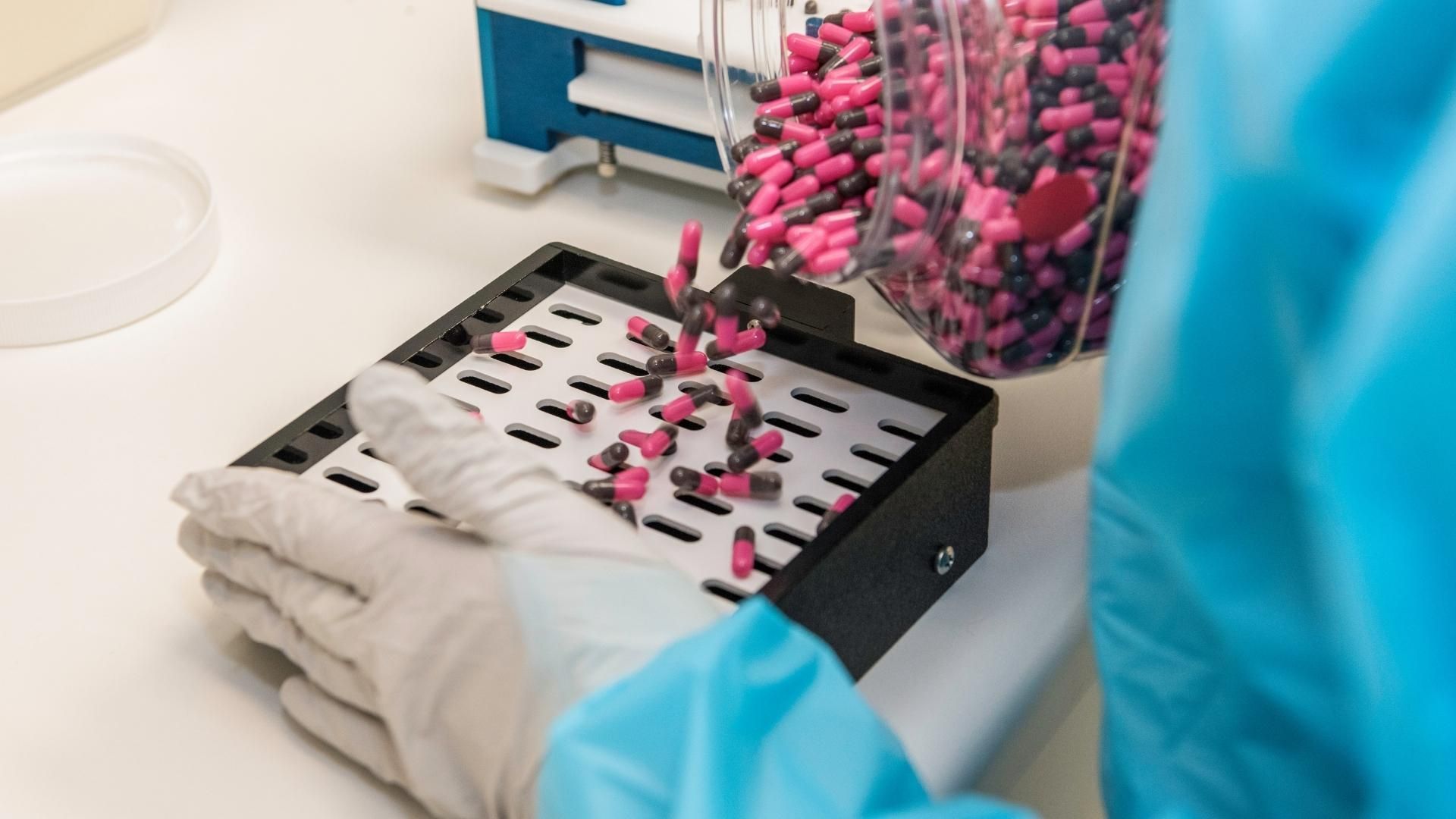
Compounded medications are a routine part of modern care, but unlike mass-manufactured drugs, each one is prepared individually, which means the standards behind its preparation carry real weight. For providers who order or refer for compounded therapies, a working understanding of those standards is the clearest way to judge whether a pharmacy is safe to trust. This overview covers the standards that govern sterile compounding and what they mean for the medications your patients receive. Why Standards Matter More in Compounding A commercially manufactured drug is produced under FDA oversight in large, validated batches. A compounded medication is prepared for an individual patient, often in small quantities, sometimes because no commercial equivalent exists. That flexibility is exactly why it's clinically valuable — and why the standards around preparation exist. Without rigorous controls, the same customization that helps patients could introduce contamination or error. Our guide to our sterile compounding pharmacy describes how those controls come together in practice. The Regulatory Landscape Sterile compounding sits within a layered framework: The United States Pharmacopeia (USP) publishes the general chapters, most importantly <797> and <800>, that define how compounded preparations should be made and handled. State boards of pharmacy license and inspect pharmacies, including where they're permitted to ship. Multi-state operations must maintain licensure in each state they serve. Accreditation bodies (ACHC, NABP, PCAB) provide independent verification that a pharmacy meets recognized standards. Together, these create the accountability structure behind every compounded dose. USP <797>: Sterile Preparations USP <797> is the cornerstone standard for compounded sterile preparations. It governs the conditions and practices required to keep a preparation free of contamination, including personnel training and garbing, ISO-classified air quality and engineering controls, environmental monitoring, and beyond-use dating. For any medication infused directly into the body, <797> compliance is the baseline expectation, not a premium feature. USP <800>: Hazardous Drugs USP <800> adds a containment layer for hazardous drugs, protecting personnel, patients, and the environment from unintended exposure. It specifies containment engineering controls, PPE, and validated handling procedures for drugs identified as hazardous. When a preparation is both sterile and hazardous, it must satisfy <797> and <800> together. For the details, see our breakdown of USP <800> requirements . Accreditation: Independent Verification Standards are only meaningful if someone checks that they're being met. Accreditation from ACHC, NABP, and PCAB means a pharmacy has been inspected against national benchmarks by an outside authority. For a provider, accreditation is a shortcut to confidence: it signals that the pharmacy's claims about its processes have been independently validated. The Quality-Control Process Behind the standards is a repeatable process that governs each preparation: Pharmacist review of the prescription for appropriateness, compatibility, and dosing Preparation by trained technicians under aseptic conditions In-process and final verification by a licensed pharmacist Sterility testing or filtration validation where required This chain is what turns a standard on paper into a safe medication in a patient's hands. What This Means When You Order When you refer a patient for a compounded therapy, you're effectively extending your own standard of care into another facility. Knowing that a pharmacy is USP-compliant, accredited, and pharmacist-led lets you refer with confidence that the medication will meet the same expectations you'd hold for anything you administer yourself. If you're weighing options, our guide on how to choose a compounding partner walks through the criteria. The Pharmko Standard Pharmko compounds every TPN, IDPN, and IPN preparation in a USP <797>-compliant, ISO Class 5 cleanroom, under ACHC, NABP, and PCAB accreditation, with a licensed pharmacist reviewing and releasing each formula. For the patients who receive our preparations, many of them managing End Stage Renal Disease (ESRD), that standard is the point. Refer a Patient → · [1 (877) 540-2003]
Physician evaluating a sterile compounding pharmacy partner
July 29, 2026
How to evaluate a sterile compounding pharmacy: accreditation, USP compliance, clinical support, turnaround, and the questions every practice should ask.
Sterile compounding pharmacy technician in PPE under a containment hood
July 29, 2026
A clear guide to USP 800 requirements: hazardous drug handling, containment, PPE, and the facility standards every sterile compounding pharmacy must meet.
Myasthenia Gravis and IVIG: What Patients Need to Know About IV Therapy
July 20, 2026
Learn how IVIG therapy works for myasthenia gravis, when it's used, what to expect during infusions, how home IVIG is coordinated, and how Pharmko supports MG patients and their neurologists.
Dobutamine and Inotrope Therapy at Home
July 17, 2026
Learn how home dobutamine infusion works for advanced heart failure, who qualifies, how continuous inotrope therapy is managed at home, and how Pharmko supports cardiac patients and heart failure teams.
CIDP and Home Infusion: IVIG Treatment, Dosing Schedule, and Long-Term Management
July 16, 2026
Learn how IVIG therapy works for CIDP, what the dosing schedule looks like, how to transition to home infusion, and how Pharmko supports long-term CIDP management across 22+ states.
Compounded IV Medications
July 15, 2026
Most medications that patients receive at a hospital or pharmacy come in standardized, commercially manufactured forms, a 500mg antibiotic vial, a pre-filled syringe, a fixed-concentration IV bag. These products work well for many patients. But a significant portion of patients receiving IV therapy have clinical needs that commercial products cannot meet: a dose the manufacturer doesn't make, a formulation incompatible with the patient's allergy profile, or a combination of nutrients that must be tailored to individual lab values. For these patients, compounded IV medications are not optional, they are clinically necessary. Pharmko's sterile compounding services prepare customized IV medications for patients across 22+ states, with every formulation reviewed by a licensed pharmacist and prepared in a USP <797> compliant cleanroom. What Makes an IV Medication 'Compounded'? A compounded medication is one that is prepared specifically for an individual patient by a licensed pharmacist, rather than manufactured in bulk by a pharmaceutical company. Compounding involves combining, mixing, or altering ingredients, active pharmaceutical ingredients, diluents, preservatives, to create a final preparation that meets the patient's unique prescription requirements. For IV therapy specifically, compounding means preparing a sterile preparation, one that is completely free of viable microorganisms and safe to inject or infuse directly into the bloodstream. This requires specialized facilities, equipment, training, and quality systems that go far beyond what a standard retail pharmacy can provide. Pharmko is exclusively a sterile compounding pharmacy. We do not compound oral medications, topical creams, or non-sterile preparations. Every product we make is intended for intravenous, intraperitoneal, or subcutaneous administration. When Are Compounded IV Medications Necessary? The required dose doesn't exist commercially Pharmaceutical manufacturers produce medications in standardized strengths and volumes based on average patient needs. Pediatric patients, patients with renal or hepatic impairment requiring dose adjustments, or patients whose weight or clinical status falls outside standard ranges may need concentrations or volumes that no commercial product provides. Compounding fills this gap precisely. The patient has an allergy to a commercial formulation's inactive ingredients Commercial IV products often contain preservatives, stabilizers, or diluents, sulfites, benzyl alcohol, certain dyes, that some patients cannot tolerate. A compounding pharmacy can prepare an equivalent formulation without the offending ingredient, allowing the patient to receive the therapy safely. The medication requires individualized nutrient formulation Total parenteral nutrition (TPN) is the clearest example: every TPN formula must be individually compounded because no commercial product can provide the precise combination of amino acids, dextrose, lipids, electrolytes, vitamins, and trace minerals a specific patient needs. The formula changes as the patient's labs, weight, and clinical status change, making standardization impossible. The commercial product is unavailable or in shortage Drug shortages are a persistent reality in the US pharmaceutical supply chain. When a commercially manufactured IV medication becomes unavailable, compounding pharmacies can often prepare an equivalent formulation from available active pharmaceutical ingredients, bridging the gap and maintaining continuity of therapy for patients who cannot wait. The therapy requires a custom delivery format Some IV medications require specific pH, osmolarity, or concentration adjustments for compatibility with a patient's IV access device or concurrent medications. A compounding pharmacist reviews compatibility and prepares formulations that are safe and stable for the specific administration route and equipment the patient is using. How Compounded IV Medications Are Made Step 1: Prescription review Every compounded IV medication begins with a valid prescription from a licensed prescriber. Pharmko's pharmacists review the prescription for clinical appropriateness, dosing accuracy, ingredient compatibility, and stability before compounding begins. Step 2: Ingredient sourcing and verification Active pharmaceutical ingredients for compounding must come from FDA-registered suppliers and meet USP monograph specifications. Each lot is verified for identity, potency, and purity before use. Step 3: Sterile preparation in a controlled environment Preparation occurs in an ISO Class 5 laminar airflow workbench or biological safety cabinet, located within a buffer room that meets ISO Class 7 air quality standards. Pharmacy technicians follow validated, written procedures for each preparation type, using aseptic technique to prevent contamination at every step. Step 4: Pharmacist verification and release A licensed pharmacist performs a final check of every preparation, verifying appearance, volume, labeling, and documentation, before the product is released. High-risk or complex preparations may undergo sterility testing with defined beyond-use dates based on test results. Step 5: Cold-chain delivery Most compounded IV medications require refrigeration. Pharmko uses validated cold-chain packaging and delivery logistics to ensure products arrive within their stability windows and remain temperature-controlled until the patient uses them. Quality Standards That Matter Not all compounding pharmacies operate at the same standard. The relevant quality benchmarks for sterile compounding are: USP <797> compliance, the national standard for sterile compounding environments, personnel, and processes. Our guide on USP <797> and USP <800> explains what compliance means in practice ACHC accreditation, independent third-party verification that Pharmko meets clinical quality standards for home infusion and sterile compounding State pharmacy board licensure, Pharmko is licensed in every state where we serve patients Environmental and personnel monitoring, documented air and surface sampling, personnel gowning competency assessments, and media fill testing at defined intervals For a foundational overview of what sterile compounding is and how it differs from retail pharmacy, see our guide on what is sterile compounding for IV therapy . → Contact Pharmko about compounded IV medications: 1-877-540-2003
home infusion therapy Pennsylvania
July 14, 2026
Pharmko provides home infusion therapy across Pennsylvania, IV antibiotics, IVIG, TPN, biologics, and specialty medications. Licensed, ACHC accredited, and available 24/7 statewide.
Home Infusion Therapy in New Jersey
July 14, 2026
Pharmko provides home infusion therapy across New Jersey, IV antibiotics, IVIG, TPN, IDPN, biologics, and more. Licensed, ACHC accredited, and available 24/7 statewide.
Renal dietitian reviewing albumin labs for a peritoneal dialysis patient
July 10, 2026
When to consider IPN for peritoneal dialysis patients with low albumin: clinical criteria, the stepwise nutrition approach, and the referral process.
Show More