
Ways to improve TPN efficiency

September 4, 2025

Understanding TPN and Its Role in Healthcare

Total Parenteral Nutrition (TPN) provides essential nutrients intravenously to patients who cannot receive adequate nutrition through regular dietary intake. This specialized nutritional intervention is crucial for those with gastrointestinal challenges, but its complex nature demands meticulous management to ensure patient safety and optimal therapeutic outcomes. Improving TPN efficiency is not only about reducing errors but also involves streamlining processes, enhancing safety measures, and integrating technological advancements to benefit both healthcare providers and patients.

Streamlining TPN Ordering and Administration

What interventions are recommended for managing TPN effectively?

To manage Total Parenteral Nutrition (TPN) effectively, several interventions are recommended. Ensuring the appropriateness and proper preparation of TPN solutions tailored to individual patient needs is crucial. Continuous monitoring of the patient’s nutritional status, blood glucose levels, and fluid and electrolyte balance is essential to prevent complications such as hyperglycemia and fluid imbalances.

Maintaining strict catheter care is critical to minimizing the risk of infection. This includes monitoring the infusion site for signs of infection, adhering to sterile techniques during administration, and ensuring regular flushing of the catheter to prevent blockages.

Patient education plays a vital role in TPN management. Healthcare providers should educate patients and their caregivers about the purpose of TPN, how to prepare and administer the nutrition solution, and how to monitor for complications. This knowledge empowers patients and promotes adherence to therapy, ultimately enhancing treatment outcomes.

Standardization of TPN solutions

The standardization of TPN solutions is a fundamental intervention. With standardized solutions, healthcare teams can facilitate quicker orders and reduce the likelihood of error. This approach aligns with the recommendations from the American Society for Parenteral and Enteral Nutrition, underscoring its role in enhancing patient safety and care efficiency.

Impact of electronic ordering systems

Transitioning to electronic ordering systems has also driven significant improvements. The implementation of computerized physician order entry (CPOE) and bar-coded medication preparation systems have robustly decreased errors in TPN ordering from 22% to as low as 3.2%. This leap in accuracy has indeed translated to better patient safety metrics.

Furthermore, the average order processing time has improved dramatically from 10 minutes down to 5. These efficiencies contribute to quicker implementation of TPN treatments, ensuring that patients receive necessary interventions promptly.

Reduction in ordering errors

The cumulative effect of these initiatives reveals a tangible decrease in the number of TPN ordering errors. Data indicating that 26% of previous orders required clarification reflects the significant potential for improvement in current practices. The goal to reduce TPN ordering errors to below 5% demonstrates substantial progress and commitment to elevating care standards in hospital and home settings.

Enhancing TPN Safety Through Technological Innovation

Use of Barcode-Assisted Medication Preparation

Barcode-assisted medication preparation (BCMP) systems have significantly improved the safety of total parenteral nutrition (TPN). These systems have lowered errors in nutrition bag preparation from 2-3% to around 0.2%. By ensuring that the correct ingredients are used in the right quantities, BCMP enhances patient safety and decreases the likelihood of adverse reactions related to TPN administration.

Electronic Health Record Integrations

The integration of electronic health record (EHR) systems with computerized physician order entry (CPOE) promotes accuracy in TPN ordering by reducing the need for manual transcription. This not only streamlines the ordering process but also minimizes human errors, thereby enhancing the overall safety and efficiency of medication delivery.

Refractometry for Concentration Verification

Refractometry is an emerging technique being utilized to verify concentrations in compounded parenteral nutrition solutions. By measuring the refractive index, this method provides a reliable means for quality assurance, ensuring that the nutrient solutions prepared for TPN meet the required specifications. This layer of verification is crucial for patient safety and effective treatment outcomes.

Technological Innovation Impact on TPN Safety Benefits
Barcode-Assisted Preparation Reduces preparation errors to approximately 0.2% Enhances patient safety
EHR Integrations Minimizes manual transcription errors Streamlines TPN ordering process
Refractometry Verification Ensures accurate concentration of nutrients Increases effectiveness of TPN therapy

Improving Glycemic Control in TPN Administration

Insulin Techniques in TPN

Effective management of glycemic control in Total Parenteral Nutrition (TPN) often requires the use of insulin. There are three main methods for incorporating insulin into TPN regimens:

  • TPN Solution Addition : Insulin is added directly to the TPN solution. This method is convenient, reducing the risk of hypoglycemia but offers less flexibility for adjustments.
  • Continuous Insulin Infusion (CII) : This approach allows for precise control and rapid modifications based on blood glucose levels, making it beneficial for critically ill patients while increasing nursing workload.
  • Subcutaneous Injections : Insulin is administered through injections, providing immediate adjustability independent of TPN but requiring more frequent dosages.

Managing Hyperglycemia

Managing hyperglycemia is crucial for TPN patients, particularly those with diabetes. Insulin management enables proper blood glucose control, significantly improving patient outcomes and reducing risks of complications such as infections and organ failure.

Impact of Glycemic Control on Outcomes

Effective glycemic control enhances the overall effectiveness of TPN therapy. By minimizing fluctuations in blood glucose levels, healthcare providers can prevent serious complications and ensure optimal nutrition is delivered, thus promoting faster healing and better overall patient status. Monitoring and adjusting insulin dosages based on individual patient needs is essential for successful TPN management.

Efficiency Gains from Standardized TPN Practices

Processing Time Reduction

The implementation of standardized Total Parenteral Nutrition (TPN) solutions has brought remarkable improvements across various operational metrics in healthcare settings. Following the transition to electronic ordering and streamlined protocols, the average order processing time for TPN decreased significantly from 10 minutes to just 5 minutes. This reduction indicates enhanced efficiency within the healthcare process, enabling medical teams to focus more on patient care rather than administrative tasks.

Error Rate Decreases

Alongside the efficiency improvements, standardizing TPN has also led to an impressive decline in ordering errors, dropping from 22% to merely 3.2%. This pivotal change highlights the success of these practices in enhancing accuracy in TPN prescriptions, thus vastly improving patient safety. Ensuring that TPN solutions are correct and ready for administration is critical to preventing complications and safeguarding patient health.

Support from American Society for Parenteral and Enteral Nutrition

The positive outcomes of standardizing TPN have gained recognition from the American Society for Parenteral and Enteral Nutrition. This organization endorses the creation of uniform processes for TPN delivery to enhance patient safety and reduce errors, further solidifying the importance of such standardized practices in clinical settings.

Improvement Area Before Standardization After Standardization Impact
Average Order Time 10 minutes 5 minutes 50% reduction
Error Rate 22% 3.2% 86% reduction in errors
Endorsements N/A Yes Enhanced safety focus

Personalization in TPN: Tailoring to Patient Needs

Customized nutrient concentrations

Total Parenteral Nutrition (TPN) is designed to meet the unique dietary requirements of each patient based on a thorough assessment.
Nutrient concentrations can vary significantly, influenced by individual conditions such as weight, metabolic rate, and specific health issues.
For instance:

  • Carbohydrate requirements: Adjusted based on energy needs.
  • Protein levels: Increased for critically ill patients to support healing and metabolic demands.

Role of nutrition assessment

Before initiating TPN, a comprehensive nutrition assessment is essential. This evaluation includes:

  • Assessing the patient’s current nutritional status
  • Identifying deficiencies
  • Anticipating metabolic changes This individualized approach ensures that the TPN formulation maximizes nutritional efficiency, optimizing patient recovery and maintaining well-being.

Critical care considerations

In critical care settings, administering TPN requires heightened attention. Healthcare teams must closely monitor laboratory values to adjust nutrient formulations as needed, ensuring metabolic control.
Additionally, glycemic control is vital, often necessitating insulin adjustments to prevent complications like hyperglycemia, which can impede recovery.
Together, these personalized TPN strategies foster better outcomes by aligning nutritional support with each patient's unique clinical needs.

Mastering Home TPN Management

Techniques for Home Preparation

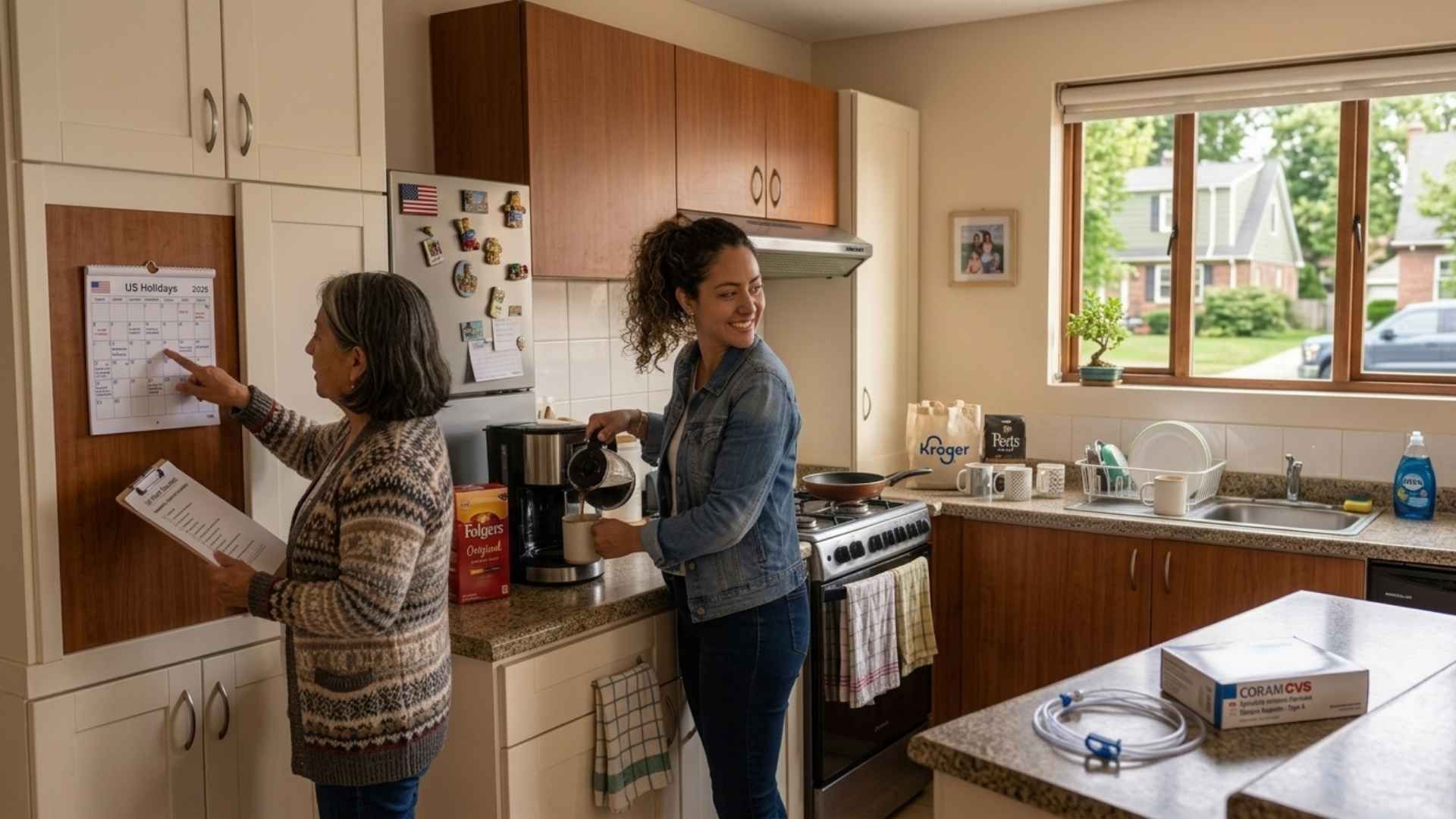
Managing total parenteral nutrition (TPN) at home requires precise techniques to ensure safety and effectiveness. Patients must be educated on the proper preparation processes, including checking TPN bags for cloudiness, particles, or discoloration, and ensuring sterile handling when preparing the TPN mixture. Using a sterile barrier during preparation is essential to prevent contamination.

Flushing the central venous catheter (CVC) after TPN infusion is also crucial. Employing a push/pause method while flushing with saline helps maintain catheter hygiene and prevents blockages, thereby enhancing treatment efficiency.

Importance of Hygiene

Strict hygiene practices are vital in home TPN management. Infections are a significant risk, particularly when patients self-administer TPN outside clinical settings. Caregivers must help manage this risk by keeping the infusion equipment clean and by teaching patients to monitor the infusion site for any signs of infection. Regular training from healthcare providers is crucial to ensure proper techniques and hygienic practices are followed.

Patient Progress Monitoring

Ongoing monitoring of the patient's progress is essential to the success of home TPN therapy. This includes tracking nutritional intake, adhering to prescribed infusion rates, and monitoring for potential complications such as hyperglycemia or electrolyte imbalances. Regular consultations with healthcare professionals can provide necessary adjustments to the TPN formulation, ensuring that the nutrition delivered meets the patient's evolving needs.

Improved home-based TPN management not only promotes patient independence but also contributes significantly to the overall quality of life, enabling individuals to engage in daily activities while receiving vital nutritional support.

Cost-Reduction Strategies in TPN Usage

Impact of Dietary Guidelines

The implementation of strict dietary guidelines in Total Parenteral Nutrition (TPN) has significantly contributed to cost reduction. By ensuring that only necessary TPN administrations are performed, the likelihood of unnecessary expenditures is minimized. Reducing TPN dependency through effective malnutrition screening processes allows for timely interventions, thus actively managing costs and preventing overtreatment.

Monitoring by Healthcare Professionals

Ongoing monitoring by dietitians and healthcare teams is crucial for maintaining TPN efficiency. Regular assessments can lead to swift detection of malnutrition and timely adjustments in TPN formulations. This proactive approach not only addresses nutritional deficiencies but also helps to lower overall costs associated with prolonged hospital stays and complications from improper nutrient delivery.

Nutritional Management Improvements

Through nutritional management improvements, healthcare providers have successfully reduced the expenditure on parenteral nutrition by over 40%. Such improvements included the adoption of standardized TPN solutions and protocols for ordering and administering TPN. Lowering the TPN ordering rate from 70.6% to less than 5% demonstrates how efficient management can positively affect financial outcomes while ensuring patient safety and nutritional adequacy.

Strategy Description Effectiveness
Dietary Guidelines Implementation of strict criteria for TPN use Reduced unnecessary TPN administrations and costs
Continuous Monitoring Regular assessments by healthcare teams Enhanced detection of malnutrition; lower risk of complications
Standardization of Solutions Streamlining TPN processes Improved ordering efficiency and decreased errors in preparation and delivery

Addressing Complications and Ensuring Safety

What are the priority complications of Total Parenteral Nutrition (TPN)?

Total Parenteral Nutrition (TPN) can lead to several complications that require careful management to ensure patient safety. The most notable risks include:

  • Dehydration and Electrolyte Imbalances : These can significantly affect bodily functions, including cardiac and neurological health.
  • Thrombosis : The risk of blood clot formation in the central line can lead to serious health issues.
  • Hyperglycemia and Hypoglycemia : Close monitoring of blood glucose levels is essential, as imbalances can occur in patients receiving TPN.
  • Infections : The necessity of a central line for TPN also raises concerns about infection at the catheter site.
  • Liver Failure and Micronutrient Deficiencies : Long-term use of TPN increases these risks, highlighting the importance of adequate management of vitamins and minerals in solutions.

Strategies to mitigate risks

To ensure the safety and efficacy of TPN therapy, several strategies can be employed:

  • Rigorous Monitoring : Regular monitoring of laboratory values, including blood glucose and electrolytes, allows for timely adjustments in TPN formulations.
  • Sterile Techniques : Maintaining a sterile environment during TPN preparation and administration is crucial to prevent infections. Flushing the central venous catheter (CVC) and using sterile barriers can greatly reduce contamination risks.
  • Patient Education : Teaching patients and caregivers about infection signs, administration techniques, and monitoring helps in minimizing complications.

Importance of patient education

Patient education plays a pivotal role in TPN success. It encompasses:

  • Helping patients understand TPN's purpose and function.
  • Training them in proper administration techniques to reduce errors and complications.
  • Providing guidance on managing potential side effects, including how to monitor their infusion site and report issues.

Empowered with knowledge, patients can more effectively participate in their care, ultimately improving outcomes and enhancing the efficiency of TPN therapy.

The Role of Standardization in Reducing Medical Errors

Standardization in Pediatric TPN

Standardizing total parenteral nutrition (TPN) prescriptions has proven to significantly reduce medical errors, especially in pediatric settings. At All Children’s Hospital, for example, TPN ordering errors dropped remarkably from 26% to under 5% following the introduction of standardized TPN solutions and ordering processes. This transformation highlights the necessity of uniform protocols in minimizing adjustments and clarifications, enhancing safety for vulnerable neonate and pediatric patients.

Guidelines for Safer Practices

The American Society for Parenteral and Enteral Nutrition endorses the implementation of standardized processes for TPN delivery. Safety guidelines encompass prescribing, ordering, and verifying TPN formulations. Tools such as checklists and electronic ordering systems have been developed to streamline practices, ensuring adherence to sterile procedures and proper nutrient calculations. This structured approach not only reduces errors, but also improves the efficiency of healthcare delivery.

Case Studies from Healthcare Facilities

Numerous healthcare facilities have reported improved safety outcomes post-standardization. For instance, the use of barcode-assisted medication preparation systems decreased errors in nutrition bag preparation from 2-3% to approximately 0.2%. Additionally, the integration of technology has accelerated order processing time from 10 minutes to just 5 minutes, illustrating the substantial benefits of standardizing TPN processes. Thus, case studies affirm that concerted efforts towards standardization significantly enhance patient safety and operational efficiency.

From Hospital to Home: Transitioning TPN Care

Benefits of Home Parenteral Nutrition (HPN)

Home Parenteral Nutrition (HPN) offers significant advantages for patients who rely on Total Parenteral Nutrition (TPN). This method provides a cost-effective, convenient way to obtain necessary nutrients while allowing individuals to maintain their independence. Patients can engage in daily activities and social events, greatly enhancing their quality of life.

Moreover, HPN allows for personalized nutritional adjustments by healthcare professionals, ensuring that patients receive tailored care based on their unique requirements. This adaptability can result in better treatment effectiveness and improved health outcomes.

Training and Education Needs

Proper training and education are crucial for the successful management of TPN at home. Healthcare providers must equip patients and their caregivers with the skills needed to handle and administer TPN safely. Instruction should cover preparation techniques, administration processes, and maintenance of hygiene practices to minimize infection risks.

Additionally, ongoing education is vital for recognizing potential complications associated with TPN, enabling prompt interventions to mitigate risks.

Monitoring for Home-Based Patients

Continuous monitoring of patients on HPN is essential for maintaining safety and efficiency. This includes assessing the infusion site for signs of infection, adhering to prescribed infusion schedules, and tracking the patient's nutritional status.

By ensuring careful oversight and following recommended guidelines, patients can effectively manage their TPN therapies at home, helping to prevent complications and promote overall health.

Aspect Importance Recommended Actions
Patient Independence Enhances quality of life for long-term TPN users Encourage daily activity and social engagement
Training Enables safe handling and administration of TPN Provide comprehensive patient education
Monitoring Prevents complications and ensures nutritional adequacy Implement regular health assessments

Conclusion

Improving Total Parenteral Nutrition (TPN) efficiency requires a comprehensive approach that incorporates standardization, technological advancements, personalized care, and rigorous patient monitoring. By investing in these strategies, healthcare providers can enhance the safety, effectiveness, and overall outcomes of TPN therapy, reducing both costs and complications. As we continue to innovate and refine these practices, patients will benefit from more precise and safer nutritional support, whether in a clinical setting or at home.

References

Home Infusion Therapy in New York
June 17, 2026
Pharmko is based in New York and provides home infusion therapy statewide — IV antibiotics, IVIG, TPN, IDPN, and specialty medications. Licensed, ACHC accredited, and available 24/7.
Home Infusion for Osteomyelitis
June 15, 2026
Osteomyelitis requires weeks of IV antibiotics that can often be completed at home. Learn who qualifies for OPAT, what the treatment timeline looks like, and how Pharmko supports bone infection recovery.
What Is a PICC Line
June 15, 2026
Learn what a PICC line is, how it's inserted, how to care for it at home, and why it's the most common IV access device for home infusion therapy. Pharmko nurses provide full PICC line training.
IV Iron Infusion at Home: Feraheme, Injectafer, and Iron Deficiency Anemia Treatment
June 12, 2026
Learn how IV iron infusion works at home — which products are used, who qualifies, what to expect during treatment, and how Pharmko delivers iron infusion therapy across 22+ states.
Home Infusion for Multiple Sclerosis
June 11, 2026
Learn how home infusion therapy works for multiple sclerosis, including Ocrevus and Tysabri, who qualifies for home-based MS infusions, what to expect, and how Pharmko coordinates care.
TPN at Home: Who Qualifies, How It Works, and What to Expect
June 11, 2026
Learn how total parenteral nutrition (TPN) at home works — who qualifies, how it's delivered, what daily life looks like, and how Pharmko supports patients from first dose through long-term therapy.
Low Albumin in Dialysis Patients
June 3, 2026
Low albumin is a key marker of malnutrition in dialysis patients. Learn what causes albumin decline, when IDPN is indicated, and how Pharmko supports renal nutrition across 22+ states.
Home Infusion Pump Types
June 2, 2026
Learn about the different types of infusion pumps used in home therapy, ambulatory, electronic, elastomeric, and CADD pumps, and how your pump is matched to your specific treatment.
Home Infusion for Rheumatoid Arthritis
May 30, 2026
Learn how home infusion therapy works for rheumatoid arthritis — including Remicade (infliximab) and other IV biologics, who qualifies for home treatment, and how Pharmko supports ongoing RA care.
Sterile Compounding Safety
May 26, 2026
When a patient or provider chooses a compounding pharmacy to prepare IV medications, they are trusting that the pharmacy operates under rigorous, independently enforced standards. In the United States, those standards are defined by two chapters of the United States Pharmacopeia: USP <797> for sterile compounding and USP <800> for hazardous drug handling. Pharmko operates in full compliance with both chapters. Understanding what these standards require, and what happens when they are not met, helps patients and providers make informed decisions about which pharmacy they trust with their care. What Is USP <797>? USP <797> (Pharmaceutical Compounding, Sterile Preparations) is the national standard that defines the minimum requirements for compounding sterile preparations safely. It covers: Cleanroom environment classification, ISO Class 5 at the point of compounding, ISO Class 7 for the surrounding buffer area, ISO Class 8 for the ante-room Personnel training, gowning, and aseptic technique requirements Sterilization and filtration methods by product type Beyond-use dating (BUD), how long a compounded sterile preparation remains safe to use Environmental and personnel monitoring schedules Quality assurance, documentation, and deviation management USP <797> applies to every pharmacy that prepares IV solutions, injections, eye drops, or other sterile preparations, whether they are a hospital pharmacy, ambulatory infusion center, or specialty pharmacy like Pharmko. The 2023 Revision: What Changed USP <797> was significantly revised in 2023 (effective November 2023). Key changes include: Stricter beyond-use date requirements, compounded sterile preparations must now meet more conservative dating limits unless sterility testing supports extended dating Enhanced environmental monitoring, more frequent air and surface sampling with defined action levels Clearer personnel qualification requirements, competency assessments are now required at defined intervals New category system, preparations are now categorized (Category 1 and Category 2) based on sterility assurance level and BUD Pharmacies that were compliant under the previous version of USP <797> must have updated their procedures and infrastructure to meet the 2023 revision. Pharmko updated our facilities, policies, and documentation systems in alignment with the revised chapter. What Is USP <800>? USP <800> (Pharmaceutical Compounding, Hazardous Drugs) establishes standards for the safe handling of hazardous drugs throughout the pharmacy, from receipt and storage to preparation, dispensing, and waste disposal. Hazardous drugs include certain chemotherapy agents, antiviral medications, hormones, and other drugs that pose risks of carcinogenicity, reproductive toxicity, or organ damage at low exposure levels. USP <800> requires: Negative-pressure ventilated containment primary engineering controls (C-PECs) for hazardous drug compounding Separate, dedicated hazardous drug storage areas Personal protective equipment (PPE) requirements for all staff handling hazardous drugs Closed-system drug transfer devices (CSTDs) for certain preparations Spill kits and exposure management protocols Why These Standards Matter for Patients The consequences of non-compliance are serious. High-profile compounding pharmacy failures, including a 2012 fungal meningitis outbreak linked to contaminated steroid injections that killed 64 patients and injured hundreds, demonstrated what happens when sterile compounding standards are not followed. For patients receiving home IV therapy, USP <797> compliance is not a credential to check once and forget, it reflects the ongoing daily practices of the pharmacy preparing their medications. Patients and providers should verify that any pharmacy preparing their IV solutions is accredited, state-licensed, and actively compliant with current USP standards. How Pharmko Meets These Standards Pharmko's sterile compounding facility is designed, staffed, and operated to meet USP <797> and USP <800> requirements. We are ACHC accredited, state-licensed in 22+ states, and subject to regulatory inspection. Every batch we compound is reviewed by a licensed pharmacist, and our environmental and personnel monitoring data is reviewed on a defined schedule. For a broader overview of what sterile compounding is and how it differs from retail pharmacy, see our guide on what is sterile compounding for IV therapy . For providers interested in our compounding capabilities, see our physician services page or contact our pharmacy team directly. → Contact Pharmko about sterile compounding: 1-877-540-2003
Show More