
What are sterile medications, and how do they help?

September 4, 2025

An Introduction to Sterile Medications

Sterile medications are the unsung heroes of modern healthcare, crafted with precision to ensure safety while delivering therapeutic benefits. In environments where every microorganism poses a risk, sterile medications safeguard patient well-being, especially during high-risk treatments. Join us as we delve into a comprehensive exploration of sterile medications, their preparation, and their indispensable role in patient care.

Defining Sterile Medications and Their Examples

What are sterile medications and their examples?

Sterile medications are specially prepared pharmacological products created in a contamination-free environment. The goal is to eliminate any microorganisms, ensuring patient safety, especially critical when these medications are delivered through invasive methods such as injections, intravenous (IV) lines, or directly to the eyes.

Some common examples of sterile medications include:

  • Injectable Drugs : These include vaccines and antibiotics, administered directly into the bloodstream or tissues.
  • IV Solutions : Used for hydration, nutrition, and electrolyte balancing, these solutions are vital for patients who cannot take oral medications.
  • Ophthalmic Solutions : Eye drops and treatments for eye conditions must also be sterile to prevent infections.

The manufacturing of these sterile medications adheres to rigorous guidelines from organizations like the United States Pharmacopeia (USP). This includes implementing aseptic techniques and sterilization processes.

Importance of sterility in medical treatments

The importance of sterility in medical treatments cannot be overstated. Contaminated medications can lead to severe infections, complications, and even mortality. Therefore, ensuring that each step in compounding and preparing these medications follows strict safety protocols is essential for effective patient care.

The Importance and Purpose of Sterile Compounding

What is the primary purpose of sterile compounding in pharmacy?

The primary purpose of sterile compounding in pharmacy is to prepare medications that minimize the risk of infections and contamination, thereby ensuring patient safety. This method is crucial when medications are administered through high-risk routes, such as intravenous (IV) injections.

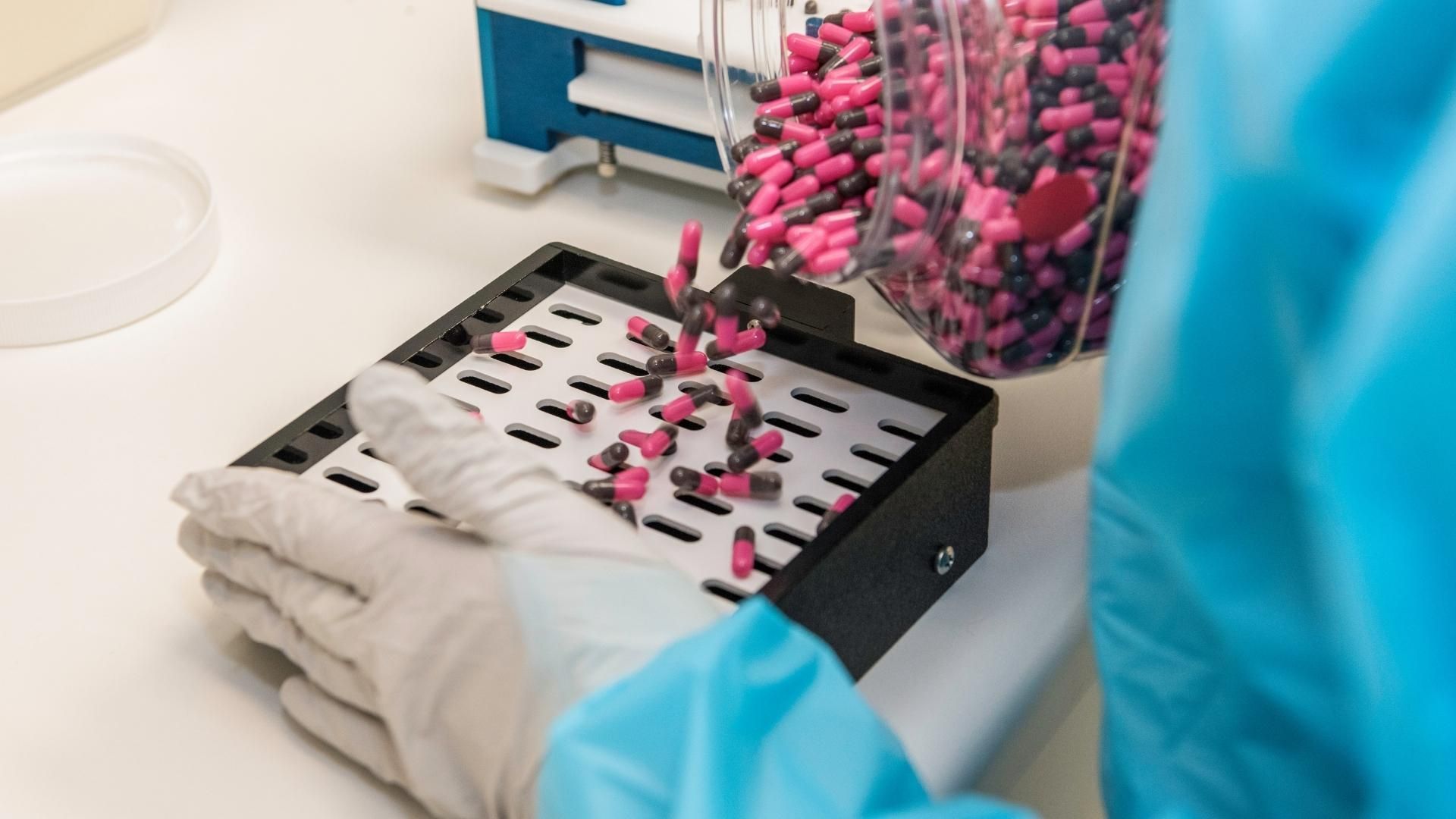
Sterile compounding involves creating injectable and infusible medications within a controlled environment that adheres to strict ISO Class 5 air quality standards. Using essential features like HEPA filters and unidirectional airflow helps maintain this environment.

Strict adherence to compounding protocols is critical, especially in light of past incidents such as the 2012 fungal meningitis outbreak linked to improper compounding practices. This outbreak resulted in severe consequences, including over 100 patient deaths, emphasizing the need for vigilance in sterile practices.

What precautionary steps are taken in sterile compounding?

Pharmacies implement various precautionary steps, including:

  • Regular training : Ongoing education and competency assessments for pharmacy personnel ensure compliance with current standards.
  • Environmental monitoring : Regular checks of the compounding environment help identify potential contamination risks early in the process.
  • Adherence to USP standards : Following updated USP 797 guidelines is essential for performing sterile compounding safely.

What is the impact on patient safety?

Maintaining rigorous quality assurance in sterile compounding significantly enhances patient safety. By preparing compounded sterile preparations (CSPs) in a strict, sterile environment, pharmacies can effectively mitigate risks associated with inaccuracies in medication preparation, thereby safeguarding patients from infections and adverse health outcomes.

How Sterile Compounding Enhances Healthcare

How does sterile compounding benefit healthcare?

Sterile compounding significantly enhances healthcare by enabling the preparation of high-quality, customized medications. This capability is especially crucial when mass-produced drugs fail to meet specific patient needs, such as unique dosage requirements or allergies. By preparing medications in a controlled, contaminant-free environment, sterile compounding minimizes the risk of microbial contamination, which is essential for treatments involving injections and infusions.

Pharmacists engaged in sterile compounding adhere to strict protocols designed to safeguard medication safety and efficacy. This meticulous attention to detail is particularly beneficial for vulnerable populations, including patients with compromised immune systems who require additional protection against infections.

With the capacity for precise dosing, sterile compounding plays a vital role in areas like hormone replacement therapies and customized formulations for dermatological treatments, ensuring a tailored approach to patient care. Here are some of its benefits:

Benefits Details
Personalized Medications Custom formulations based on individual patient needs, such as allergy considerations or dosage adjustments.
Infection Protection Minimizes microbial contamination during preparation, particularly relevant for injectables and infusions.
Improved Treatment Outcomes Allows for targeted therapies that address specific health issues effectively, enhancing overall patient care.

In summary, sterile compounding is integral to delivering safe, reliable, and effective medications that cater to individual patient circumstances.

Types and Techniques in Sterile Compounding

Types of Sterile Injectables

Sterile compounding includes various types of injectable medications tailored for specific applications. These include:

Type Description Uses
Intramuscular (IM) Administered into a muscle Vaccines, hormonal therapies
Subcutaneous Injection into the fatty tissue just beneath the skin Insulin, biologics
Intravenous (IV) Directly into a vein Medications for immediate effect, fluids
Intrathecal Medication delivered into the spinal canal Chemotherapy, pain management
Intraperitoneal Injected into the peritoneal cavity Certain cancer treatments

Techniques Like Aseptic Fill-Finish

Aseptic fill-finish is crucial in sterile compounding, ensuring that the entire process—from raw materials to final packaging—maintains sterility. This technique involves:

  • Using sterile raw materials and equipment.
  • Conducting compounding within a cleanroom environment.
  • Employing strict sanitation protocols.

Importance of Sterility in Diverse Medical Treatments

Maintaining sterility is vital when preparing medications, especially those administered via injection or to sensitive areas like eyes. Improperly compounded sterile preparations (CSPs) risk introducing contaminants, potentially leading to severe health complications. By adhering to guidelines like USP <797>, pharmacies ensure that all compounded sterile products are safe and effective for patient use.

Distinguishing Between Sterile and Non-Sterile Compounding

What are the differences between sterile and non-sterile compounding products?

Sterile and non-sterile compounding products significantly differ in both their preparation environments and their intended applications.

  1. Preparation Environments :

    • Sterile Compounding : Conducted in cleanroom environments that meet strict regulatory standards for air quality and cleanliness, usually adhering to ISO Class 5 or better. Specialized equipment like compounding hoods and autoclaves are essential to maintain sterility during the mixing and preparation processes.
    • Non-Sterile Compounding : Performed in traditional lab environments without needing the same level of cleanliness, focusing on creating products like ointments and tablets, which are less prone to contamination.
  2. Applications :

    • Sterile Products : Designed for high-risk applications such as injectables and intravenous solutions, where the absence of bacteria and other pathogens is crucial for patient safety. These products must be sterile to prevent infections, especially in immunocompromised patients.
    • Non-Sterile Products : Include a broader range of medications that are typically for external use or oral administration, where the risks associated with contamination are lower.

Both compounding types must comply with guidelines from the U.S. Pharmacopeia (USP). However, sterile compounding requires adherences to more rigorous protocols to ensure patient safety across all applications.

Aspect Sterile Compounding Non-Sterile Compounding
Preparation Environment Aseptic conditions in cleanrooms Regular lab conditions without strict sterility
Applications IV infusions, injections, eye drops Ointments, oral tablets, creams

Safety and Guidelines in Sterile Compounding

Best practices in maintaining sterility

Maintaining high levels of sterility in compounding areas is essential for patient safety. Best practices include:

  • Proper Personal Protective Equipment (PPE) : Gloves, goggles, and masks must be worn to minimize contamination risk.
  • Cleanroom Environment : Sterile medications should be compounded in a cleanroom that meets ISO Class 5 standards for air quality.
  • Sterilization Procedures : Utilizing sterilization equipment like autoclaves and compounding hoods keeps the environment free from harmful microorganisms.

Role of guidelines such as USP 797

The United States Pharmacopeia (USP) provides key guidelines for sterile compounding under USP <797>. This standard includes protocols for:

  • Environmental Controls : Ensuring air quality and pressure in sterile rooms are regulated.
  • Competency Training : Continuous education programs for pharmacy technicians to minimize the risk of error during compounding.

Preventive measures against contamination

To prevent contamination, specific measures are crucial:

  • Aseptic Techniques : Must be followed throughout preparation and administration to limit exposure to pathogens.
  • Rigorous Cleaning Protocols : Ensuring all equipment and surfaces are properly cleaned with suitable disinfecting agents helps mitigate contamination risks.

By adhering to these safety standards and practices, pharmacies can ensure the integrity and safety of compounded sterile preparations.

The Role of Compounding Pharmacists

Responsibilities in sterile medication preparation

Compounding pharmacists are pivotal in preparing sterile medications tailored to meet specific patient needs. They utilize aseptic techniques to ensure that compounded sterile preparations (CSPs) are free from harmful microorganisms. Their work often involves customizing dosages and forms of medication, especially for patients undergoing chemotherapy or with allergies.

Educational requirements

To excel in sterile compounding, pharmacists must have advanced training that goes beyond standard pharmacy education. They are typically required to be certified pharmacy technicians and must undergo specialized training in aseptic techniques and sterile compounding practices to ensure compliance with regulatory standards like USP <797>.

Impact on healthcare outcomes

The expertise of compounding pharmacists significantly enhances patient safety by minimizing the risks associated with contamination. Their meticulous work in sterile environments plays a crucial role in effective treatment, particularly for patients whose immune systems may be compromised. By customizing medications, they contribute to better healthcare outcomes and patient satisfaction.

Catering to Unique Healthcare Needs Through Sterile Medications

Importance for patients with specific medical needs

Sterile medications play a vital role in healthcare by catering to patients who have unique medical requirements. These custom medications are especially essential for individuals with allergies, compromised immune systems, or those undergoing treatments such as chemotherapy. Traditional medications may not be suitable for everyone, necessitating tailored sterile options to ensure safety and efficacy.

Role in managing chronic and life-threatening conditions

For patients with chronic conditions like diabetes or severe diseases such as HIV/AIDS and cancer, sterile injectables provide critical treatment options. These medications, prepared in sterile environments, must be free from harmful microorganisms to prevent infections, especially since they bypass the body’s natural defenses. The precision involved in creating these sterile preparations ensures that patients receive the necessary dosages while minimizing any risk associated with contamination.

Conclusion

Sterile medications are a cornerstone of modern medical treatment, providing the foundation for safe, effective therapies that address complex individual healthcare needs. From the meticulous procedures involved in sterile compounding to the essential roles played by skilled pharmacists, the preparation and use of these medications underscore our commitment to patient safety and quality care. As the medical field advances, the importance of sterile medications will continue to grow, ensuring that patients receive tailored, effective treatments while minimizing risk.

References

Home Infusion Therapy in New York
June 17, 2026
Pharmko is based in New York and provides home infusion therapy statewide — IV antibiotics, IVIG, TPN, IDPN, and specialty medications. Licensed, ACHC accredited, and available 24/7.
Home Infusion for Osteomyelitis
June 15, 2026
Osteomyelitis requires weeks of IV antibiotics that can often be completed at home. Learn who qualifies for OPAT, what the treatment timeline looks like, and how Pharmko supports bone infection recovery.
What Is a PICC Line
June 15, 2026
Learn what a PICC line is, how it's inserted, how to care for it at home, and why it's the most common IV access device for home infusion therapy. Pharmko nurses provide full PICC line training.
IV Iron Infusion at Home: Feraheme, Injectafer, and Iron Deficiency Anemia Treatment
June 12, 2026
Learn how IV iron infusion works at home — which products are used, who qualifies, what to expect during treatment, and how Pharmko delivers iron infusion therapy across 22+ states.
Home Infusion for Multiple Sclerosis
June 11, 2026
Learn how home infusion therapy works for multiple sclerosis, including Ocrevus and Tysabri, who qualifies for home-based MS infusions, what to expect, and how Pharmko coordinates care.
TPN at Home: Who Qualifies, How It Works, and What to Expect
June 11, 2026
Learn how total parenteral nutrition (TPN) at home works — who qualifies, how it's delivered, what daily life looks like, and how Pharmko supports patients from first dose through long-term therapy.
Low Albumin in Dialysis Patients
June 3, 2026
Low albumin is a key marker of malnutrition in dialysis patients. Learn what causes albumin decline, when IDPN is indicated, and how Pharmko supports renal nutrition across 22+ states.
Home Infusion Pump Types
June 2, 2026
Learn about the different types of infusion pumps used in home therapy, ambulatory, electronic, elastomeric, and CADD pumps, and how your pump is matched to your specific treatment.
Home Infusion for Rheumatoid Arthritis
May 30, 2026
Learn how home infusion therapy works for rheumatoid arthritis — including Remicade (infliximab) and other IV biologics, who qualifies for home treatment, and how Pharmko supports ongoing RA care.
Sterile Compounding Safety
May 26, 2026
When a patient or provider chooses a compounding pharmacy to prepare IV medications, they are trusting that the pharmacy operates under rigorous, independently enforced standards. In the United States, those standards are defined by two chapters of the United States Pharmacopeia: USP <797> for sterile compounding and USP <800> for hazardous drug handling. Pharmko operates in full compliance with both chapters. Understanding what these standards require, and what happens when they are not met, helps patients and providers make informed decisions about which pharmacy they trust with their care. What Is USP <797>? USP <797> (Pharmaceutical Compounding, Sterile Preparations) is the national standard that defines the minimum requirements for compounding sterile preparations safely. It covers: Cleanroom environment classification, ISO Class 5 at the point of compounding, ISO Class 7 for the surrounding buffer area, ISO Class 8 for the ante-room Personnel training, gowning, and aseptic technique requirements Sterilization and filtration methods by product type Beyond-use dating (BUD), how long a compounded sterile preparation remains safe to use Environmental and personnel monitoring schedules Quality assurance, documentation, and deviation management USP <797> applies to every pharmacy that prepares IV solutions, injections, eye drops, or other sterile preparations, whether they are a hospital pharmacy, ambulatory infusion center, or specialty pharmacy like Pharmko. The 2023 Revision: What Changed USP <797> was significantly revised in 2023 (effective November 2023). Key changes include: Stricter beyond-use date requirements, compounded sterile preparations must now meet more conservative dating limits unless sterility testing supports extended dating Enhanced environmental monitoring, more frequent air and surface sampling with defined action levels Clearer personnel qualification requirements, competency assessments are now required at defined intervals New category system, preparations are now categorized (Category 1 and Category 2) based on sterility assurance level and BUD Pharmacies that were compliant under the previous version of USP <797> must have updated their procedures and infrastructure to meet the 2023 revision. Pharmko updated our facilities, policies, and documentation systems in alignment with the revised chapter. What Is USP <800>? USP <800> (Pharmaceutical Compounding, Hazardous Drugs) establishes standards for the safe handling of hazardous drugs throughout the pharmacy, from receipt and storage to preparation, dispensing, and waste disposal. Hazardous drugs include certain chemotherapy agents, antiviral medications, hormones, and other drugs that pose risks of carcinogenicity, reproductive toxicity, or organ damage at low exposure levels. USP <800> requires: Negative-pressure ventilated containment primary engineering controls (C-PECs) for hazardous drug compounding Separate, dedicated hazardous drug storage areas Personal protective equipment (PPE) requirements for all staff handling hazardous drugs Closed-system drug transfer devices (CSTDs) for certain preparations Spill kits and exposure management protocols Why These Standards Matter for Patients The consequences of non-compliance are serious. High-profile compounding pharmacy failures, including a 2012 fungal meningitis outbreak linked to contaminated steroid injections that killed 64 patients and injured hundreds, demonstrated what happens when sterile compounding standards are not followed. For patients receiving home IV therapy, USP <797> compliance is not a credential to check once and forget, it reflects the ongoing daily practices of the pharmacy preparing their medications. Patients and providers should verify that any pharmacy preparing their IV solutions is accredited, state-licensed, and actively compliant with current USP standards. How Pharmko Meets These Standards Pharmko's sterile compounding facility is designed, staffed, and operated to meet USP <797> and USP <800> requirements. We are ACHC accredited, state-licensed in 22+ states, and subject to regulatory inspection. Every batch we compound is reviewed by a licensed pharmacist, and our environmental and personnel monitoring data is reviewed on a defined schedule. For a broader overview of what sterile compounding is and how it differs from retail pharmacy, see our guide on what is sterile compounding for IV therapy . For providers interested in our compounding capabilities, see our physician services page or contact our pharmacy team directly. → Contact Pharmko about sterile compounding: 1-877-540-2003
Show More