
What is IV therapy with custom sterile compounds?

September 9, 2025

The Essential Guide to Customized IV Therapy

In recent years, custom sterile compounding in IV therapy has emerged as a revolutionary approach to health and wellness. This personalized form of treatment is tailored to meet individual patient needs, ensuring that specific medications and nutrients are delivered directly into the bloodstream for optimal absorption and efficacy. This article delves into the intricacies and benefits of IV therapy, the significance of customization, and answers some of the most pressing questions about this innovative medical practice.

Understanding IV Therapy and Its Role in Healthcare

What is IV therapy and why might a patient need it?

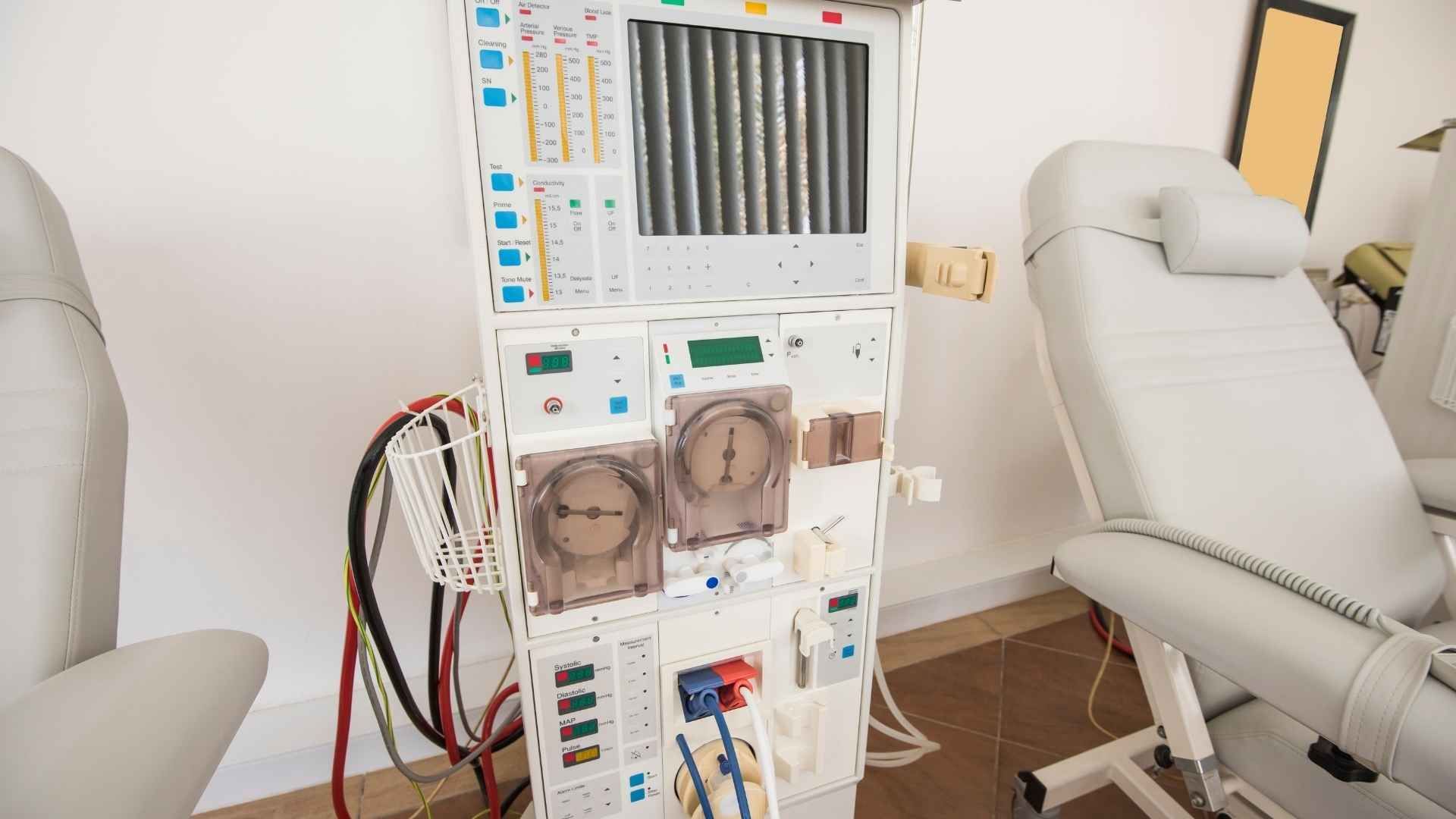
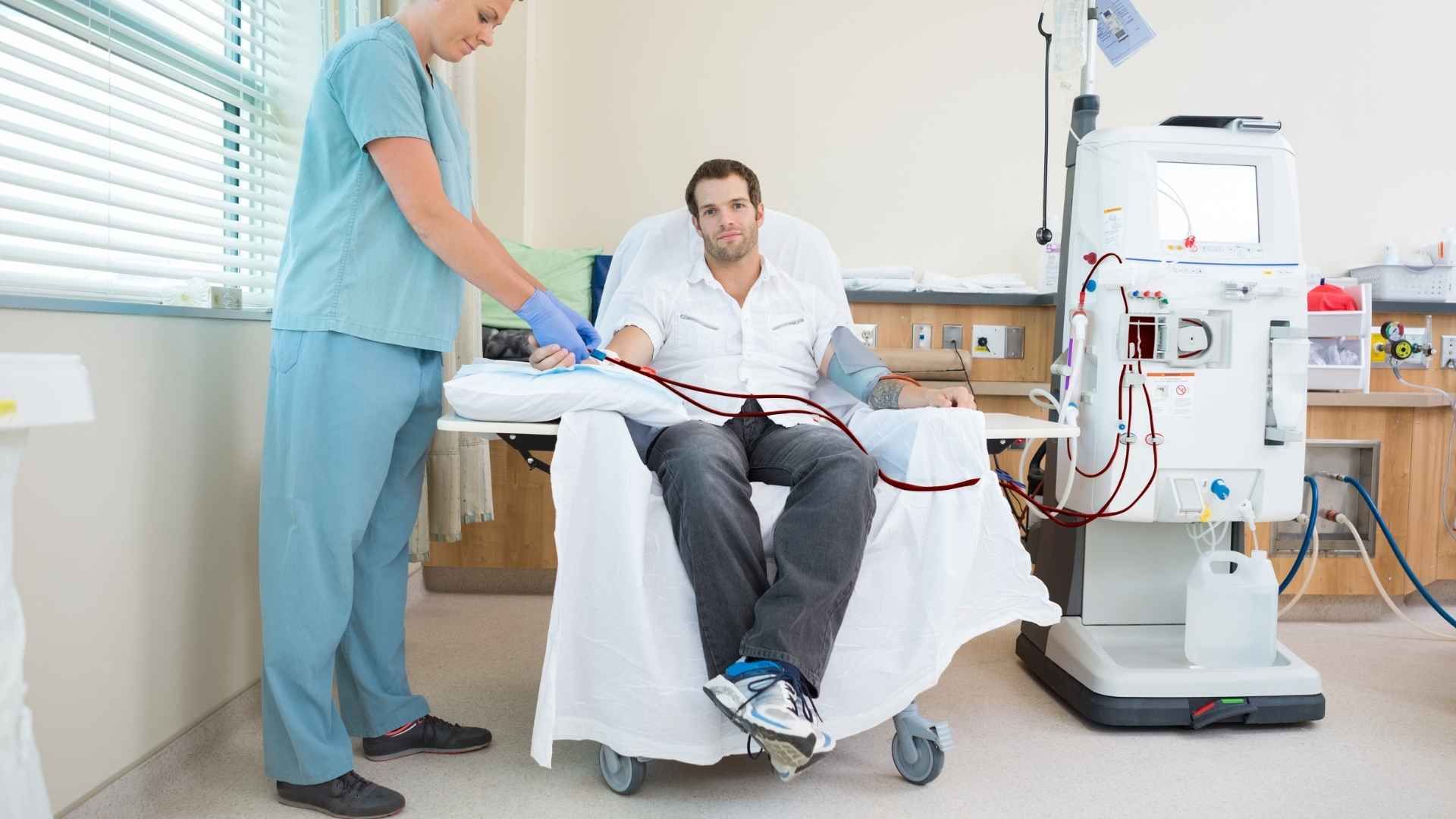
Intravenous (IV) therapy is a medical procedure that entails delivering fluids, medications, and nutrients directly into a patient’s bloodstream. This approach allows for immediate absorption and effect, making it essential in various healthcare scenarios. Patients may require IV therapy for several reasons:

  • Restoring fluids and electrolytes : Essential for hydration, especially in cases of dehydration.
  • Administering blood products : Necessary in treatments involving blood transfusions.
  • Bypassing gastrointestinal issues : When the digestive tract isn’t functioning correctly, IV therapy becomes a viable solution.

Different types of IV fluids—such as isotonic, hypotonic, and hypertonic—serve specific roles in maintaining fluid balance in the body. Nurses and healthcare professionals monitor the IV site to prevent complications. Their expertise ensures that administration techniques are safe and effective, reducing risks of infections and other adverse effects.

Common uses and scenarios for IV therapy

IV therapy plays a crucial role in multiple health situations. It is frequently used for:

  • Managing chronic dehydration : Especially beneficial for patients unable to maintain hydration orally.
  • Nutritional support : Such as when utilizing Myers' Cocktail for wellness and recovery, delivering vital nutrients directly to the body.
  • Treating malabsorption : Ensuring that patients suffering from conditions like Crohn's disease receive essential nutrients.

Combining IV therapy with custom formulations allows for personalized treatment plans, addressing individual health needs effectively. The versatility of IV therapy and its various applications underscore its significance in medical treatments.

Unveiling the Concept of IV Vitamin Therapy

What is IV vitamin therapy and what are its disadvantages?

IV vitamin therapy, also known as intravenous nutrient therapy, is a method of delivering vitamins and minerals directly into the bloodstream. This technique is gaining popularity due to its rapid absorption rates, which can be particularly advantageous for individuals experiencing absorption issues or specific health conditions such as migraines and chronic fatigue. One well-known formulation in this realm is the Myers' cocktail, which combines a blend of key nutrients including vitamins C and B, magnesium, and calcium.

However, while anecdotal evidence may suggest several benefits, the scientific research supporting many of these claims is still limited. Reports of benefits often include improved energy levels, mood enhancement, and faster recovery from illnesses. Yet, it is essential to consider potential drawbacks associated with IV therapy.

Some of the risks include:

  • Vitamin Toxicity : High doses of certain vitamins can lead to toxicity.
  • Fluid Overload : Patients with heart or kidney issues may face risks related to excess fluid.
  • Infections : There is a risk of infection at the injection site, particularly if proper sterile procedures are not followed.
  • Allergic Reactions : Some individuals may experience adverse reactions to specific components in the IV solution.

Due to these factors, it is crucial for anyone considering this therapy, especially those with underlying health conditions, to consult a healthcare provider before proceeding. Additionally, the costs associated with regular IV therapy sessions can be significant, as many insurance plans do not cover these treatments, creating a financial burden for some patients.

Custom Sterile Compounding: The Heart of Personalized IV Therapy

What is considered IV compounding?

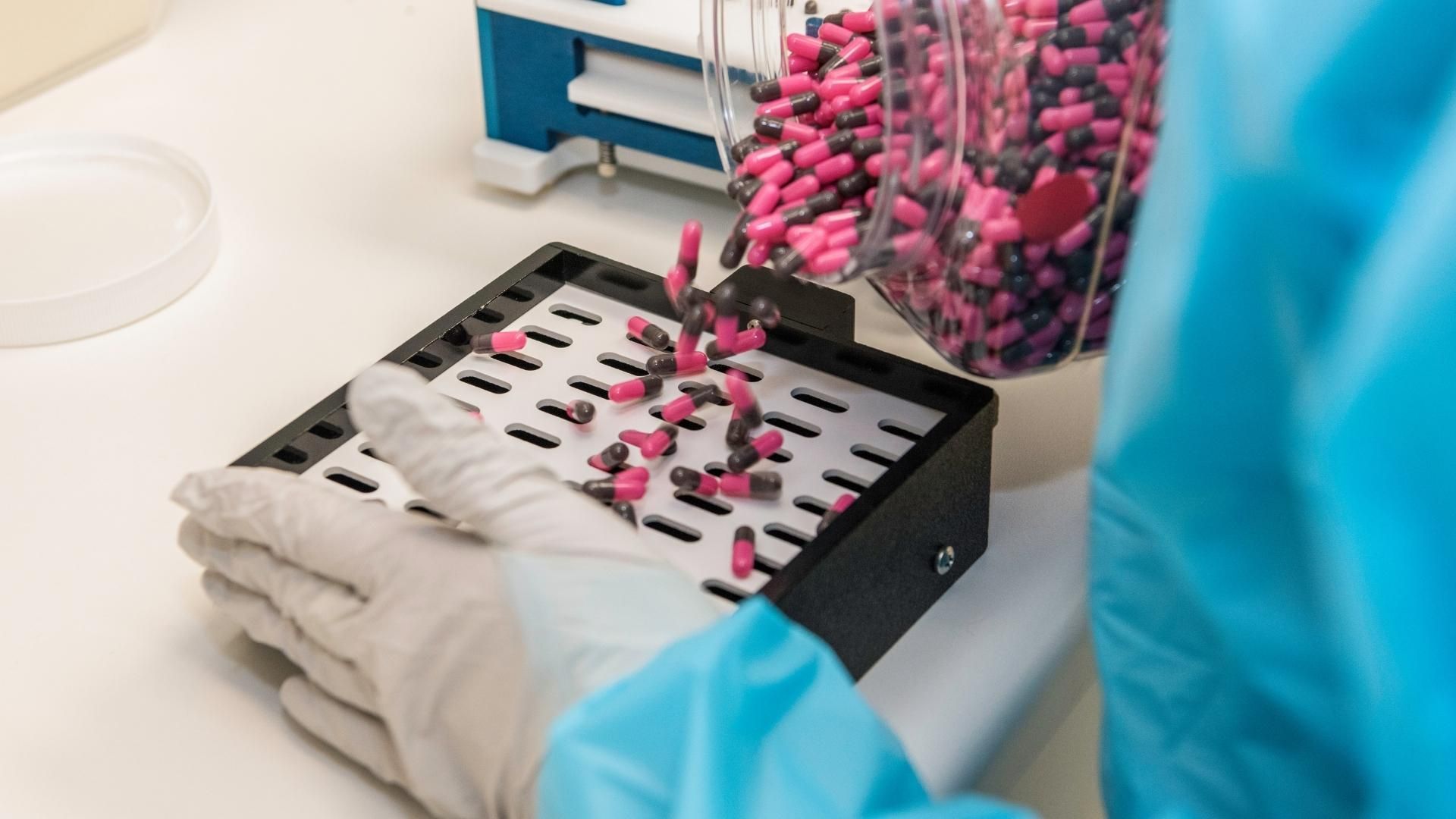
IV compounding refers to the preparation of specialized medication solutions by combining two or more ingredients in a controlled sterile environment. This process is essential for tailoring treatments to the individual needs of patients, particularly in hospital settings and specialized pharmacies. The ability to create personalized IV therapies enables healthcare providers to offer higher concentrations of vital nutrients, such as vitamins and minerals, which can be especially beneficial for those with specific deficiencies or medical conditions.

According to N. C. G. S. § 90-85.3(q), facilities that perform IV compounding must be classified as 'pharmacies' and are mandated to acquire a pharmacy permit. This regulatory structure ensures that practitioners engaged in IV therapy comply with established safety and quality standards, protecting patient health through sterile compounding practices.

Regulatory frameworks ensuring safe practices

The regulatory landscape surrounding IV compounding is structured around guidelines such as those set by the United States Pharmacopeia (USP). The USP Chapter 797 outlines stringent requirements for sterile compounding, focusing on creating a safe environment to minimize contamination risks during the mixing process. Facilities must operate within specialized cleanrooms equipped with engineering controls to prevent aseptic failures.

In addition to adhering to USP standards, IV compounding facilities are required to maintain meticulous testing and quality assurance protocols. This rigorous oversight is crucial to ensuring the stability and purity of compounded medications, further enhancing the safety of IV therapies. Overall, these frameworks play a vital role in safeguarding patient outcomes, making IV nutrient therapy a trusted method for enhancing health and wellness outcomes.

Types of IV Therapies and Their Distinctive Benefits

What are the two main types of IV therapy?

The two primary types of IV therapy are IV Push and IV Drip .

  • IV Push involves administering a concentrated dose of nutrients or medications directly into the bloodstream. This method allows for rapid delivery and is ideal for situations needing immediate effect.
  • IV Drip entails delivering fluids and nutrients slowly and steadily over a longer period. This method permits continuous absorption, making it suitable for hydration and sustained nutrient supply.

Both methods enable high absorption rates of vitamins and nutrients, promoting optimal health and quicker recovery.

Commonly infused substances

In IV therapy, a variety of substances can be infused to meet patients' unique health needs. Commonly infused elements include:

Type Examples Purpose
Saline Normal saline, Lactated Ringer's solution Hydration, electrolyte balance
Glucose Dextrose solutions Energy boost, metabolic support
Vitamins Vitamins B, C, and minerals Immune support, energy enhancement
Medications Antibiotics, anti-inflammatories Treatment for infections, management of pain

Benefits of IV therapy

The advantages of IV therapy are significant. Patients often report:

  • Better immunity
  • Elevated mood
  • Enhanced energy levels
  • Faster recovery from illnesses or strenuous activities

Results may vary based on the treatment type, with effects lasting anywhere from 8 days to 3 weeks depending on factors like individual health and the specific substances used.

The Vital Role of Sterile Compounding in IV Therapy

Significance of Maintaining Sterility

In the realm of intravenous (IV) therapy, maintaining sterility is paramount. Contaminated IV fluids can lead to severe complications like infections or sepsis, highlighting the critical nature of this procedure. To ensure patient safety, sterile compounding practices must be rigorously followed.

USP 797 Guidelines and Safety

The United States Pharmacopeia (USP) standard 797 lays out specific requirements for sterile compounding. This includes the use of specialized cleanrooms and engineering controls to prevent contamination. These guidelines ensure that compounded sterile preparations (CSPs) are safe for patient administration. Compliance with USP 797 is vital for IV hydration clinics, providing a framework for safe and effective IV therapies.

Applications and Future Prospects of Personalized IV Solutions

What are the potential health benefits and applications of Myers' Cocktail?

Myers' Cocktail IV is a versatile infusion that combines vitamins C, B, magnesium, and calcium. It's designed to enhance wellness and immune function while improving mood, energy levels, and athletic recovery.

The infusion can benefit a variety of patients, especially those recovering from illness, experiencing fatigue, or suffering from nutrient deficiencies. Many reported positive outcomes include reduced inflammation, increased energy, and quicker recovery from ailments due to direct nutrient absorption into the bloodstream, which significantly surpasses the efficacy of oral supplements.

How is the landscape of custom IV therapies evolving?

The evolution of IV therapies is marked by increased personalization. Facilities like WeCare Pharmacy and Cure Stat Rx focus on tailored nutrient infusions based on individual deficiencies or specific health concerns, ensuring a customized approach that meets unique patient needs.

As the healthcare industry continues to grow, advancements in safe compounding practices, guided by stringent USP 797 standards, enhance the production of sterile IV therapies. The future of IV therapy lies in the ability to deliver high concentrations of essential nutrients effectively, optimizing health and energizing patient recovery.

The Future of Customized IV Therapies

As advancements in personalized medicine continue to evolve, IV therapy with custom sterile compounds stands at the forefront, offering tailored solutions to meet diverse patient needs. By focusing on individual health profiles and adhering to stringent safety regulations, this therapy not only maximizes therapeutic outcomes but also aligns with the future of personalized healthcare solutions. As research progresses, the potential of IV therapy to revolutionize medical treatments becomes increasingly apparent, signaling a new era of patient-centric care.

References

Home Infusion for Osteomyelitis
June 15, 2026
Osteomyelitis requires weeks of IV antibiotics that can often be completed at home. Learn who qualifies for OPAT, what the treatment timeline looks like, and how Pharmko supports bone infection recovery.
What Is a PICC Line
June 15, 2026
Learn what a PICC line is, how it's inserted, how to care for it at home, and why it's the most common IV access device for home infusion therapy. Pharmko nurses provide full PICC line training.
IV Iron Infusion at Home: Feraheme, Injectafer, and Iron Deficiency Anemia Treatment
June 12, 2026
Learn how IV iron infusion works at home — which products are used, who qualifies, what to expect during treatment, and how Pharmko delivers iron infusion therapy across 22+ states.
Home Infusion for Multiple Sclerosis
June 11, 2026
Learn how home infusion therapy works for multiple sclerosis, including Ocrevus and Tysabri, who qualifies for home-based MS infusions, what to expect, and how Pharmko coordinates care.
TPN at Home: Who Qualifies, How It Works, and What to Expect
June 11, 2026
Learn how total parenteral nutrition (TPN) at home works — who qualifies, how it's delivered, what daily life looks like, and how Pharmko supports patients from first dose through long-term therapy.
Low Albumin in Dialysis Patients
June 3, 2026
Low albumin is a key marker of malnutrition in dialysis patients. Learn what causes albumin decline, when IDPN is indicated, and how Pharmko supports renal nutrition across 22+ states.
Home Infusion Pump Types
June 2, 2026
Learn about the different types of infusion pumps used in home therapy, ambulatory, electronic, elastomeric, and CADD pumps, and how your pump is matched to your specific treatment.
Home Infusion for Rheumatoid Arthritis
May 30, 2026
Learn how home infusion therapy works for rheumatoid arthritis — including Remicade (infliximab) and other IV biologics, who qualifies for home treatment, and how Pharmko supports ongoing RA care.
Sterile Compounding Safety
May 26, 2026
When a patient or provider chooses a compounding pharmacy to prepare IV medications, they are trusting that the pharmacy operates under rigorous, independently enforced standards. In the United States, those standards are defined by two chapters of the United States Pharmacopeia: USP <797> for sterile compounding and USP <800> for hazardous drug handling. Pharmko operates in full compliance with both chapters. Understanding what these standards require, and what happens when they are not met, helps patients and providers make informed decisions about which pharmacy they trust with their care. What Is USP <797>? USP <797> (Pharmaceutical Compounding, Sterile Preparations) is the national standard that defines the minimum requirements for compounding sterile preparations safely. It covers: Cleanroom environment classification, ISO Class 5 at the point of compounding, ISO Class 7 for the surrounding buffer area, ISO Class 8 for the ante-room Personnel training, gowning, and aseptic technique requirements Sterilization and filtration methods by product type Beyond-use dating (BUD), how long a compounded sterile preparation remains safe to use Environmental and personnel monitoring schedules Quality assurance, documentation, and deviation management USP <797> applies to every pharmacy that prepares IV solutions, injections, eye drops, or other sterile preparations, whether they are a hospital pharmacy, ambulatory infusion center, or specialty pharmacy like Pharmko. The 2023 Revision: What Changed USP <797> was significantly revised in 2023 (effective November 2023). Key changes include: Stricter beyond-use date requirements, compounded sterile preparations must now meet more conservative dating limits unless sterility testing supports extended dating Enhanced environmental monitoring, more frequent air and surface sampling with defined action levels Clearer personnel qualification requirements, competency assessments are now required at defined intervals New category system, preparations are now categorized (Category 1 and Category 2) based on sterility assurance level and BUD Pharmacies that were compliant under the previous version of USP <797> must have updated their procedures and infrastructure to meet the 2023 revision. Pharmko updated our facilities, policies, and documentation systems in alignment with the revised chapter. What Is USP <800>? USP <800> (Pharmaceutical Compounding, Hazardous Drugs) establishes standards for the safe handling of hazardous drugs throughout the pharmacy, from receipt and storage to preparation, dispensing, and waste disposal. Hazardous drugs include certain chemotherapy agents, antiviral medications, hormones, and other drugs that pose risks of carcinogenicity, reproductive toxicity, or organ damage at low exposure levels. USP <800> requires: Negative-pressure ventilated containment primary engineering controls (C-PECs) for hazardous drug compounding Separate, dedicated hazardous drug storage areas Personal protective equipment (PPE) requirements for all staff handling hazardous drugs Closed-system drug transfer devices (CSTDs) for certain preparations Spill kits and exposure management protocols Why These Standards Matter for Patients The consequences of non-compliance are serious. High-profile compounding pharmacy failures, including a 2012 fungal meningitis outbreak linked to contaminated steroid injections that killed 64 patients and injured hundreds, demonstrated what happens when sterile compounding standards are not followed. For patients receiving home IV therapy, USP <797> compliance is not a credential to check once and forget, it reflects the ongoing daily practices of the pharmacy preparing their medications. Patients and providers should verify that any pharmacy preparing their IV solutions is accredited, state-licensed, and actively compliant with current USP standards. How Pharmko Meets These Standards Pharmko's sterile compounding facility is designed, staffed, and operated to meet USP <797> and USP <800> requirements. We are ACHC accredited, state-licensed in 22+ states, and subject to regulatory inspection. Every batch we compound is reviewed by a licensed pharmacist, and our environmental and personnel monitoring data is reviewed on a defined schedule. For a broader overview of what sterile compounding is and how it differs from retail pharmacy, see our guide on what is sterile compounding for IV therapy . For providers interested in our compounding capabilities, see our physician services page or contact our pharmacy team directly. → Contact Pharmko about sterile compounding: 1-877-540-2003
What Is Sterile Compounding and Why Does It Matter for IV Therapy?
May 19, 2026
When a patient needs a medication that is not commercially available in the right dose, formulation, or combination, a sterile compounding pharmacy creates it. Sterile compounding is the process of preparing customized, injectable or infusible medications, IV solutions, eye drops, inhalation solutions, in a controlled, contamination-free environment. Pharmko's sterile compounding services are at the core of what makes specialty pharmacy different from a retail pharmacy. Every IV medication we prepare is custom-compounded, validated, and released by a licensed pharmacist before it reaches a patient. What Makes Compounding 'Sterile'? The word 'sterile' refers to the absence of viable microorganisms, bacteria, fungi, endotoxins, in the final product. This is non-negotiable for any medication injected into or infused through the body. A contaminated IV solution can cause severe bloodstream infections, sepsis, or death. Achieving sterility requires: A controlled cleanroom environment (ISO Class 5 or better at the point of compounding) Positive or negative air pressure depending on the type of medication being prepared Gowning, gloving, and aseptic technique by trained pharmacy staff Validated sterilization methods (filtration, terminal sterilization) appropriate for each formulation Environmental and personnel monitoring to detect contamination risks before they reach patients How Sterile Compounding Differs from Retail Pharmacy A retail pharmacy dispenses commercially manufactured medications in their existing forms — tablets, capsules, pre-made liquids. A sterile compounding pharmacy like Pharmko creates medications that either do not exist commercially, are no longer commercially available, or must be customized for a specific patient. Examples of why sterile compounding is necessary: A patient needs a specific antibiotic concentration not available in commercial vials TPN must be formulated individually based on the patient's weight, labs, and nutritional requirements — no pre-made product covers every case A pediatric patient needs a lower concentration of an IV medication than any commercial product offers IV antibiotics must be prepared in specific volumes and concentrations for OPAT patients based on the prescribed regimen What Is USP <797>? USP <797> is the United States Pharmacopeia chapter that sets the standards for sterile compounding. It defines the environmental requirements, beyond-use dating, testing, personnel training, and quality systems that a pharmacy must maintain to legally compound sterile preparations. Compliance with USP <797> is required by state pharmacy boards and enforced through inspections. Not all compounding pharmacies meet these standards — patients and providers should verify that any pharmacy preparing IV medications is operating in full USP <797> compliance. For a detailed breakdown of what USP <797> and the newer USP <800> standard mean for patient safety, see our guide on sterile compounding safety standards . How Pharmko's Compounding Process Works Pharmko operates a state-of-the-art USP <797> compliant sterile compounding facility. Every product we prepare goes through: Pharmacist review of the prescription for appropriateness, compatibility, and dosing Preparation by trained pharmacy technicians in an ISO Class 5 laminar airflow workbench or biological safety cabinet In-process and final product checks by a licensed pharmacist Sterility testing or filtration validation where required Cold-chain delivery to the patient or dialysis clinic within validated stability windows Why It Matters for Home Infusion Patients Every IV therapy delivered through Pharmko's home infusion services is compounded in our sterile facility. This means patients at home receive the same quality-controlled, pharmacist-verified products they would receive in a hospital — not medications assembled at the bedside or sourced from uncredentialed suppliers. → Contact Pharmko to learn more about our compounding services: 1-877-540-2003
Show More