What specialized infusions are available?

September 11, 2025

Understanding Specialized Infusions

Specialized infusion therapies have become a cornerstone in modern medical treatments, addressing a myriad of health conditions through intravenous delivery of medication or nutrition. This approach offers a unique avenue for treating diseases, particularly when traditional oral medications fall short. In this article, we will delve into the types of specialized infusions available, the conditions they treat, and how they cater to individual patient needs.

Types of Specialized Infusion Therapies

What are specialized infusion therapies?

Specialized infusion therapies predominantly refer to the intravenous administration of medications intended to treat a wide range of both acute and chronic health conditions. These therapies include treatments for infections, autoimmune diseases (like Crohn's disease and multiple sclerosis), cancer, pain management, and nutritional deficiencies.

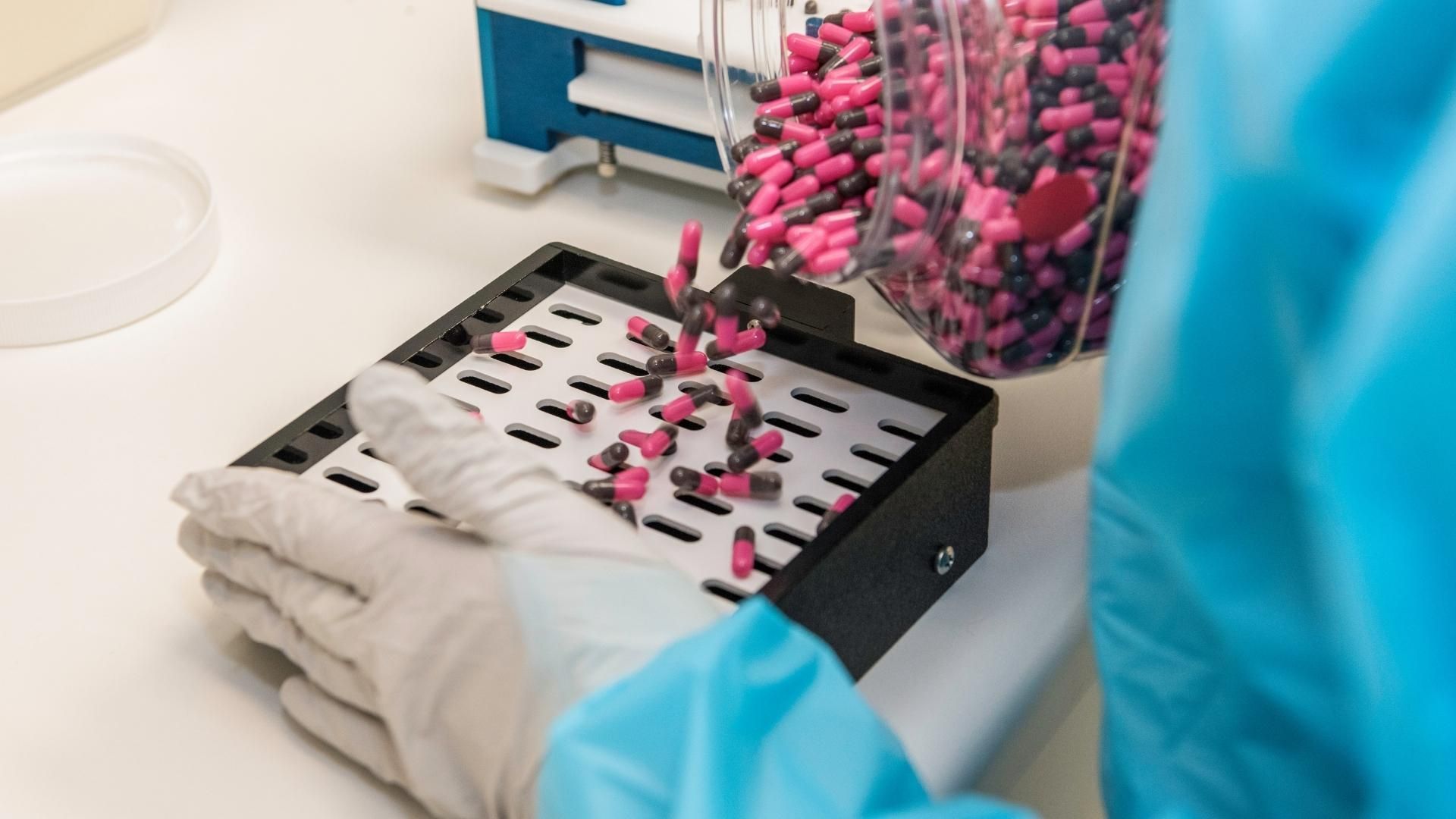
These therapies are meticulously prepared in sterile clean room environments under the supervision of registered pharmacists. This ensures the highest standards of safety and compliance throughout the injectable medications' preparation process. Patients often receive treatments in their homes, where coordinating nurse visits are tailored to their specific therapy needs and their or their caregiver's capabilities. Referrals for specialized infusion therapies typically come from healthcare professionals, including physicians and hospital discharge planners, demonstrating the collaborative nature of healthcare providers.

How many types of infusion therapies are there?

There are three main types of infusion therapies:

Type Delivery Method Uses
Intravenous (IV) Directly into the bloodstream Emergency situations, dehydration, chemotherapy
Intramuscular (IM) Injected into muscle tissue Faster absorption for antibiotics and vaccines
Subcutaneous (SQ) Beneath the skin Slower absorption, commonly used for insulin and treatments for certain arthritis

Each type of infusion therapy serves distinct purposes and has its own potential side effects, so the choice of method is highly tailored to meet the specific medical needs of the patient.

Medical Conditions Managed by Infusion Therapies

What diseases can be treated with infusion therapy?

Infusion therapy serves as a vital treatment option for numerous medical conditions, particularly those that are chronic or complex in nature. It is widely recognized for its efficacy in administering medications that cannot be effectively delivered orally. This method enhances absorption and ensures immediate therapeutic effects, making it ideal for severe medical issues.

Common conditions treated with infusion therapy include:

  • Autoimmune Disorders: Conditions like Crohn's disease, ulcerative colitis, lupus, and rheumatoid arthritis benefit from specialized infusions that modulate the immune system.
  • Cancers: Infusion therapy is crucial for administering chemotherapy and immunotherapy, providing patients with targeted cancer treatments.
  • Infections: Severe infections that resist oral antibiotics, such as cellulitis and osteomyelitis, are effectively managed through IV antibiotic therapy.
  • Neurological Conditions: Infusion therapy is used for treating multiple sclerosis and migraines, addressing debilitating symptoms with potent medications.
  • Nutritional Support: For patients unable to consume food normally, total parenteral nutrition (TPN) provides essential nutrients intravenously.
  • Pain Management: Infusion methods can alleviate chronic pain in patients suffering from conditions like severe back pain and post-operative recovery.

This diverse range of treatable conditions underscores the importance of infusion therapy as a powerful tool in modern medicine, tailored to meet the complex healthcare needs of patients.

Safety and Administration of Infusion Therapies

Safety Measures in Infusion Therapies

Infusion therapies can be incredibly beneficial for patients requiring medication that can’t be effectively delivered through oral means, especially for chronic or acute illnesses. However, certain safety measures need to be prioritized to minimize risks such as infection, fluid overload, or adverse reactions. The following are vital safety protocols in infusion therapy:

  • Monitoring: Continuous observation by healthcare professionals helps promptly identify any adverse reactions.
  • Sterility: Maintaining a sterile environment when administering infusions to prevent infections.
  • Patient Education: Informing patients about potential side effects and signs of complications ensures they can alert healthcare providers if issues arise.
  • Customized Plans: Developing individualized infusion protocols tailored to each patient's unique needs and health conditions, overseen by certified clinicians.

Different Settings for Administration

Infusion therapy can be conducted in various settings, facilitating more personalized care. Here are the primary locations:

  • Skilled Nursing Facilities: For patients needing regular therapy but who cannot manage at home due to complex medical conditions.
  • Home Infusions: Ideal for patients who are stable enough to receive therapy at home. This setting allows for a more comfortable environment during treatments while ensuring necessary monitoring and support from nursing staff.
  • Outpatient Infusion Centers: These centers offer a range of infusion treatments under the supervision of certified healthcare professionals, providing convenience and immediate access to specialized care.

Why Would Someone Need an Infusion?

Someone may need an infusion when oral medications are not effective or feasible due to various reasons, such as severe illness or the need for rapid medication delivery. Infusion therapy allows for direct administration of drugs into the bloodstream, enhancing absorption rates and reducing gastrointestinal side effects. This method is often used for chronic conditions like Crohn's disease, rheumatoid arthritis, and infections unresponsive to oral antibiotics. Additionally, infusion therapy is crucial for administering chemotherapy, hydration, or pain management in acute situations. Ultimately, this method provides a controlled dosing option that can significantly improve patient outcomes for complex and chronic medical conditions.

Overview of Infusion Therapy Administration

Setting Benefits Common Types of Infusions
Skilled Nursing Facilities Continuous care and monitoring Nutritional support, antibiotics
Home Infusions Convenient, comfortable environment TPN, pain management, chemotherapy
Outpatient Infusion Centers Specialized access to a range of treatments Biologics, immunotherapy, hydration therapy

Medications Delivered Through Infusion Therapy

What kinds of medications are used in infusion therapies?

Infusion therapy utilizes a diverse array of medications designed to meet specific health requirements. Common categories of medications administered include:

  • Antibiotics : Effective against bacterial infections, these can treat severe cases that don't respond to oral therapies.
  • Biologics : Immunotherapies tailored for chronic autoimmune diseases like rheumatoid arthritis or lupus.
  • Chemotherapy Drugs : Crucial for cancer treatment, these agents target and destroy cancer cells.
  • Pain Management Medications : Infusion therapies can effectively deliver analgesics for patients suffering from chronic or severe pain.
  • Hydration Solutions : Intravenous fluids to combat dehydration and maintain electrolyte balance.
  • Hemophilia Factor Therapy : Essential in managing blood clotting disorders.
  • Intravenous Gamma Globulin (IVIG) : Boosts the immune system for patients with immune deficiencies.
  • Nutritional Supports : TPN and enteral nutrition methods ensure patients receive essential nutrients and hydration, particularly when traditional food intake is compromised.

Advanced therapies such as stem cell transplants and CAR T-cell therapy are also part of this therapeutic landscape, showcasing the innovative applications of infusion therapy in managing complex medical conditions.

Tailoring Infusions for Patient Needs

Personalization and benefits of infusion therapies

Infusion therapies are specifically designed to meet the unique needs of individuals with various health conditions. By delivering medication or nutrition directly into the bloodstream, these therapies prove especially useful for patients who cannot tolerate oral medications. Infusions can be customized based on a patient’s specific medical needs, allowing healthcare providers to choose the right therapies, dosages, and administration methods.

Common conditions treated with personalized infusion therapy include autoimmune diseases like Multiple Sclerosis and Crohn’s disease, cancer, and severe infections. For instance, medications such as Actemra and Entyvio can be carefully tailored to manage chronic conditions effectively, addressing both immediate symptoms and long-term health maintenance.

Patient-focused care in infusion treatments

The administration of infusion therapy often emphasizes patient-centered care. For example, patients may receive treatments in specialized outpatient infusion centers or at home, depending on their convenience and medical need. Under the supervision of board-certified physicians and oncology-certified nurses, each treatment plan is thoroughly planned and monitored, ensuring safety and effectiveness.

Methods like total parenteral nutrition (TPN) and enteral feeding address nutritional needs while considering individual patient tolerances. Home infusion services enable patients to receive necessary therapies in their comfort, combining clinical oversight with the familiarity of home, fostering better adherence and satisfaction with treatment.

The Future of Infusion Therapies

Specialized infusion therapies continue to evolve, offering critical solutions for patients with complex medical needs. As medical science progresses, these treatments are becoming more personalized, ensuring that each patient receives the most effective care possible. With ongoing advancements in infusion technology and medication, the horizon looks promising for expanding the roles and capabilities of infusion therapies in healthcare.

References

Home Infusion Therapy in Florida
May 19, 2026
Pharmko provides home infusion therapy across Florida, IV antibiotics, IVIG, TPN, IDPN, and specialty medications. Licensed, accredited, and available 24/7 statewide.
Home Infusion Therapy in Texas
May 19, 2026
Pharmko provides home infusion therapy across Texas — IV antibiotics, IVIG, TPN, IDPN, and specialty medications. Licensed, accredited, and available 24/7 statewide.
 Phosphate Binders for Dialysis Patients
May 12, 2026
Learn how phosphate binders work for dialysis and CKD patients, the different types available, how they fit into a renal care plan, and how Pharmko supports dialysis centers with consistent supply.
 Home Infusion for Autoimmune Diseases
May 7, 2026
Learn how home infusion therapy supports autoimmune disease management,from IVIG for immune deficiencies to biologic infusions for inflammatory conditions. Pharmko serves 22+ states.
Subcutaneous vs IV Infusion: Which Delivery Route Is Right for Your Therapy
May 4, 2026
Learn the differences between subcutaneous and IV infusion delivery routes,how each works, which therapies use them, and how to choose the right option for your treatment.
Milrinone Infusion at Home for Heart Failure: Patient Guide and Safety Overview
April 23, 2026
Learn how home milrinone infusion works for advanced heart failure patients, who qualifies for palliative milrinone therapy, what to expect, and how Pharmko supports safe at-home cardiac care.
Home Infusion for Crohn's Disease: Remicade, Biologics, and What Patients Should Know
April 23, 2026
Learn how home infusion therapy for Crohn's disease works, including Remicade (infliximab) and other biologics. Who qualifies, what each infusion involves, and how Pharmko supports ongoing care.
Malnutrition in Hemodialysis Patients: Signs, Risks, and When IDPN Is Needed
April 23, 2026
Malnutrition affects up to 75% of hemodialysis patients. Learn to recognize protein-energy wasting, understand when IDPN is clinically indicated, and how Pharmko supports renal nutrition management.
IDPN Therapy: Who Qualifies, How It Works, and What to Expect
April 23, 2026
Learn how intradialytic parenteral nutrition (IDPN) works, who qualifies based on albumin levels and nutritional status, and how Pharmko delivers IDPN for dialysis patients.
How to Refer a Patient to Home Infusion Therapy: A Guide for Providers
April 17, 2026
Step-by-step guide for physicians, discharge planners, and case managers on how to refer a patient to home infusion therapy. Learn the process, documentation needed, and what to expect from Pharmko.
Show More