Starting Home Infusion First Dose Checklist Patient Friendly

February 5, 2026

Starting home infusion can feel like a lot at first. This checklist is designed to make the first dose and the first week feel clearer, more organized, and less stressful, so you know what to do and who to contact if questions come up.


Quick Summary


This guide helps you prepare for your first home infusion by covering delivery, supplies, setup, storage, and the most important questions to ask your care team before you begin.


Key Takeaways


  • Organization reduces stress before the first dose.
  • Knowing where supplies go and what “normal” looks like helps you feel confident.
  • If you are unsure about anything, call and ask. Do not guess.
  • A simple routine can make home infusion feel manageable very quickly.


Why This Matters


If this feels overwhelming, you are not alone. Most patients and caregivers feel much better once they understand the routine and know exactly who to contact. The goal is not perfection. The goal is safety, clarity, and confidence.


Before Your Delivery


Confirm your delivery window


Make sure you know the day and approximate time your supplies will arrive.


Ask about storage requirements


Some medications need refrigeration or special handling. Ask what temperature is required and how long it can be at room temperature, if applicable.


Choose a clean storage space


Pick a clean and dry space away from heat, direct sunlight, pets, and small children.


Save your support contacts


Before the delivery arrives, save the main phone number or contact method you will use for questions.


When Supplies Arrive


Verify labels and therapy details


Check that labels match your name and the therapy you are expecting.


Confirm you received instructions


Look for printed instructions, training notes, or packaging guidance.


Check packaging condition


If anything looks damaged, leaking, or incomplete, call before using it.


Make your setup area easy


Place the items you will use most often in a way that feels organized. This reduces stress when you start.


Before the First Dose


Wash hands thoroughly


Hand hygiene is one of the simplest and most important safety steps.


Use a clean well lit surface


Choose a surface you can disinfect and where you can clearly see what you are doing.


Review training steps


Do a quick walk through of the steps before starting. If something feels unclear, pause and ask.


Confirm your support pathway


Know the answer to this question before starting:
Who do I contact if I have a question today
And what about after hours


Two Links You Should Bookmark


Infusion pumps and supplies explained


https://www.pharmko.com/blog/infusion-pumps-and-supplies-101


When to call during home infusion red flags


https://www.pharmko.com/blog/when-to-call-during-home-infusion


What to Ask Your Care Team Before You Begin


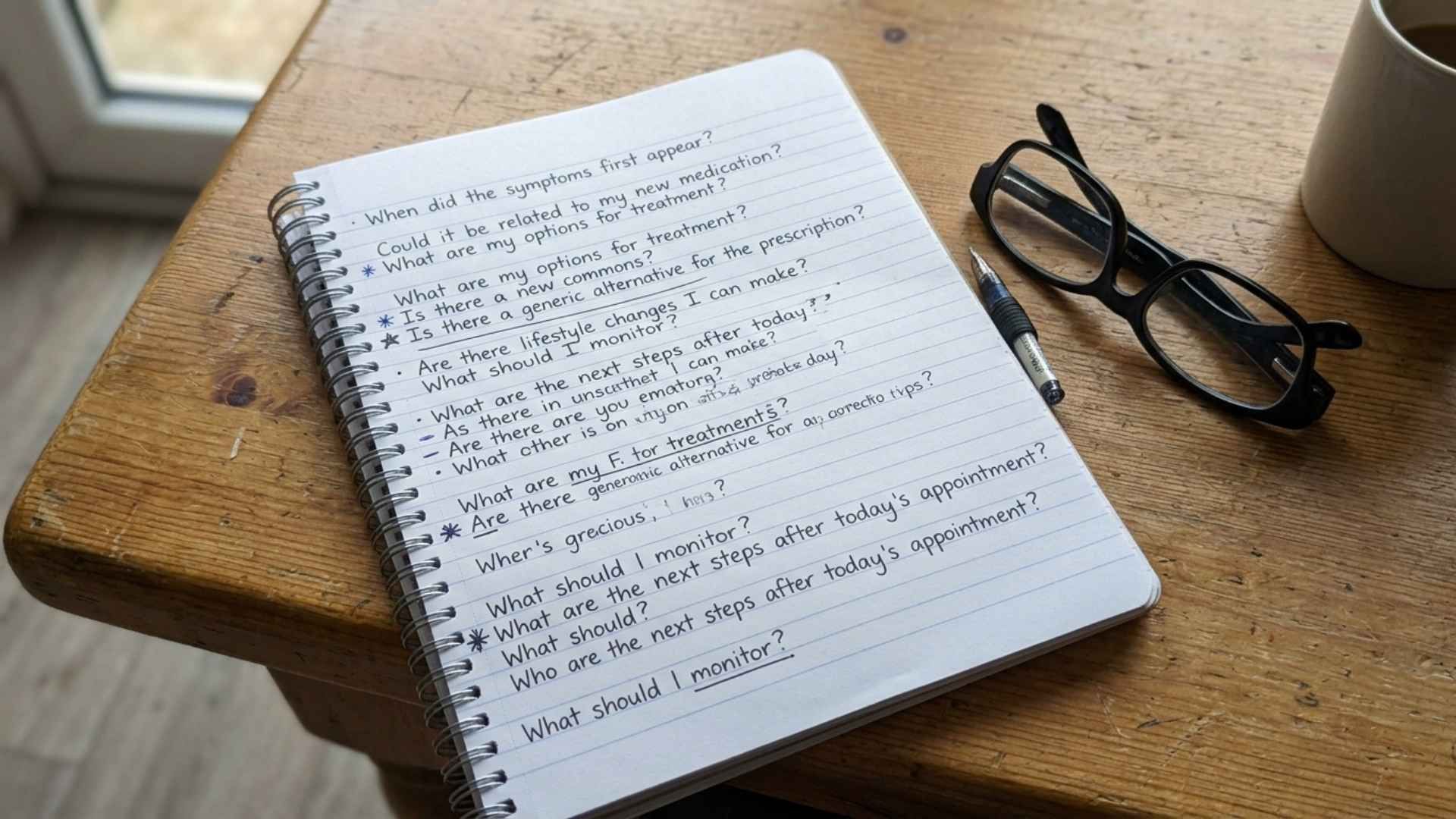
If you want to feel calmer, ask these questions before your first dose.


Therapy basics


  • How long does each infusion take
  • What is the schedule for doses
  • What symptoms are expected and what symptoms are not


Supplies and storage


  • Does anything need refrigeration
  • What should I do if a supply is missing
  • What should I do if packaging looks damaged


Safety and support


  • What are the top red flags for my specific therapy
  • Who do I call during business hours
  • Who do I call after hours


Safety Note Disclaimer


This content is for education only and does not replace medical advice. Always follow your provider’s instructions for your specific therapy. If something feels unclear, call your care team before proceeding.


FAQs


What if I do not feel confident yet


Ask for clarification before starting. It is normal to need a second walk through. You are not bothering anyone by asking.


What if something looks wrong with the shipment


Call before using it. Do not try to “make it work” if packaging is damaged, labels look incorrect, or you are missing essential supplies.


What if I feel symptoms during the infusion


Stop and contact your care team based on your instructions. If you are unsure, use the red flags guide and call:


https://www.pharmko.com/blog/when-to-call-during-home-infusion


Related Reading


Caregiver checklist


https://www.pharmko.com/blog/caregiver-training-checklist-home-infusion


Home infusion overview guide


https://www.pharmko.com/blog/home-infusion-therapy-guide


CTA Need Help Getting Oriented Or Understanding Next Steps


https://www.pharmko.com/contact


References


NHIA
https://nhia.org/about-infusion-therapy/


Home Infusion Therapy in New York
June 17, 2026
Pharmko is based in New York and provides home infusion therapy statewide — IV antibiotics, IVIG, TPN, IDPN, and specialty medications. Licensed, ACHC accredited, and available 24/7.
Home Infusion for Osteomyelitis
June 15, 2026
Osteomyelitis requires weeks of IV antibiotics that can often be completed at home. Learn who qualifies for OPAT, what the treatment timeline looks like, and how Pharmko supports bone infection recovery.
What Is a PICC Line
June 15, 2026
Learn what a PICC line is, how it's inserted, how to care for it at home, and why it's the most common IV access device for home infusion therapy. Pharmko nurses provide full PICC line training.
IV Iron Infusion at Home: Feraheme, Injectafer, and Iron Deficiency Anemia Treatment
June 12, 2026
Learn how IV iron infusion works at home — which products are used, who qualifies, what to expect during treatment, and how Pharmko delivers iron infusion therapy across 22+ states.
Home Infusion for Multiple Sclerosis
June 11, 2026
Learn how home infusion therapy works for multiple sclerosis, including Ocrevus and Tysabri, who qualifies for home-based MS infusions, what to expect, and how Pharmko coordinates care.
TPN at Home: Who Qualifies, How It Works, and What to Expect
June 11, 2026
Learn how total parenteral nutrition (TPN) at home works — who qualifies, how it's delivered, what daily life looks like, and how Pharmko supports patients from first dose through long-term therapy.
Low Albumin in Dialysis Patients
June 3, 2026
Low albumin is a key marker of malnutrition in dialysis patients. Learn what causes albumin decline, when IDPN is indicated, and how Pharmko supports renal nutrition across 22+ states.
Home Infusion Pump Types
June 2, 2026
Learn about the different types of infusion pumps used in home therapy, ambulatory, electronic, elastomeric, and CADD pumps, and how your pump is matched to your specific treatment.
Home Infusion for Rheumatoid Arthritis
May 30, 2026
Learn how home infusion therapy works for rheumatoid arthritis — including Remicade (infliximab) and other IV biologics, who qualifies for home treatment, and how Pharmko supports ongoing RA care.
Sterile Compounding Safety
May 26, 2026
When a patient or provider chooses a compounding pharmacy to prepare IV medications, they are trusting that the pharmacy operates under rigorous, independently enforced standards. In the United States, those standards are defined by two chapters of the United States Pharmacopeia: USP <797> for sterile compounding and USP <800> for hazardous drug handling. Pharmko operates in full compliance with both chapters. Understanding what these standards require, and what happens when they are not met, helps patients and providers make informed decisions about which pharmacy they trust with their care. What Is USP <797>? USP <797> (Pharmaceutical Compounding, Sterile Preparations) is the national standard that defines the minimum requirements for compounding sterile preparations safely. It covers: Cleanroom environment classification, ISO Class 5 at the point of compounding, ISO Class 7 for the surrounding buffer area, ISO Class 8 for the ante-room Personnel training, gowning, and aseptic technique requirements Sterilization and filtration methods by product type Beyond-use dating (BUD), how long a compounded sterile preparation remains safe to use Environmental and personnel monitoring schedules Quality assurance, documentation, and deviation management USP <797> applies to every pharmacy that prepares IV solutions, injections, eye drops, or other sterile preparations, whether they are a hospital pharmacy, ambulatory infusion center, or specialty pharmacy like Pharmko. The 2023 Revision: What Changed USP <797> was significantly revised in 2023 (effective November 2023). Key changes include: Stricter beyond-use date requirements, compounded sterile preparations must now meet more conservative dating limits unless sterility testing supports extended dating Enhanced environmental monitoring, more frequent air and surface sampling with defined action levels Clearer personnel qualification requirements, competency assessments are now required at defined intervals New category system, preparations are now categorized (Category 1 and Category 2) based on sterility assurance level and BUD Pharmacies that were compliant under the previous version of USP <797> must have updated their procedures and infrastructure to meet the 2023 revision. Pharmko updated our facilities, policies, and documentation systems in alignment with the revised chapter. What Is USP <800>? USP <800> (Pharmaceutical Compounding, Hazardous Drugs) establishes standards for the safe handling of hazardous drugs throughout the pharmacy, from receipt and storage to preparation, dispensing, and waste disposal. Hazardous drugs include certain chemotherapy agents, antiviral medications, hormones, and other drugs that pose risks of carcinogenicity, reproductive toxicity, or organ damage at low exposure levels. USP <800> requires: Negative-pressure ventilated containment primary engineering controls (C-PECs) for hazardous drug compounding Separate, dedicated hazardous drug storage areas Personal protective equipment (PPE) requirements for all staff handling hazardous drugs Closed-system drug transfer devices (CSTDs) for certain preparations Spill kits and exposure management protocols Why These Standards Matter for Patients The consequences of non-compliance are serious. High-profile compounding pharmacy failures, including a 2012 fungal meningitis outbreak linked to contaminated steroid injections that killed 64 patients and injured hundreds, demonstrated what happens when sterile compounding standards are not followed. For patients receiving home IV therapy, USP <797> compliance is not a credential to check once and forget, it reflects the ongoing daily practices of the pharmacy preparing their medications. Patients and providers should verify that any pharmacy preparing their IV solutions is accredited, state-licensed, and actively compliant with current USP standards. How Pharmko Meets These Standards Pharmko's sterile compounding facility is designed, staffed, and operated to meet USP <797> and USP <800> requirements. We are ACHC accredited, state-licensed in 22+ states, and subject to regulatory inspection. Every batch we compound is reviewed by a licensed pharmacist, and our environmental and personnel monitoring data is reviewed on a defined schedule. For a broader overview of what sterile compounding is and how it differs from retail pharmacy, see our guide on what is sterile compounding for IV therapy . For providers interested in our compounding capabilities, see our physician services page or contact our pharmacy team directly. → Contact Pharmko about sterile compounding: 1-877-540-2003
Show More