
Are tele-health visits effective for weight care?

August 21, 2025

In recent years, the healthcare landscape has undergone significant transformation, primarily influenced by the rise of telehealth services. With the onset of the COVID-19 pandemic, the application of telehealth in weight management programs has expanded dramatically, offering new avenues for care and support. As we move towards a more digitally integrated approach in healthcare, it's crucial to examine the effectiveness of telehealth visits in the context of weight care and management.

Telehealth as a Viable Option for Weight Management

Can telehealth be used for weight loss visits?

Yes, telehealth can be effectively utilized for weight loss visits. For instance, Inova offers virtual appointments through their Medical Weight Loss and Bariatric Surgery Programs. This flexibility allows individuals to initiate their weight management journeys from the comfort of their home.

The Medical Weight Loss Program provides a comprehensive range of services. Participants can benefit from one-on-one nutrition consultations, ongoing weight management support, and behavioral health appointments—all through telemedicine channels. This approach not only facilitates direct communication with healthcare providers but also enhances patient engagement and adherence to treatment plans.

Additionally, patients have the option to enroll in meal replacement programs, with convenient choices for delivery or pickup. This blends accessibility with tangible support along the weight loss journey. Inova's multidisciplinary team, including board-certified bariatricians, dietitians, and exercise specialists, ensures that patients receive thorough and personalized assistance tailored to their needs.

What are the components of telehealth programs for weight management?

Telehealth programs for weight management incorporate several vital elements:

  • Remote Patient Monitoring (RPM) : Continuous monitoring of weight and related health measures is crucial for timely interventions. This helps in preventing significant weight management challenges.
  • Chronic Care Management (CCM) : Integrates weight management into broader health strategies, leading to comprehensive outcomes.
  • Principal Care Management (PCM) : Focuses solely on weight management, offering a tailored approach that enhances the efficacy of interventions.

Engagement and accountability are further strengthened through regular feedback from care teams. Studies indicate that patients who maintain frequent interactions via telehealth have better weight loss outcomes, fostering a sense of responsibility and motivation in their treatment plans.

The Accessibility and Benefits of Telehealth Services

Accessibility of Telehealth Compared to Traditional Care

Telehealth has significantly transformed healthcare delivery, particularly in obesity management, by increasing accessibility for patients. This is especially valuable for individuals in rural areas or those with mobility challenges who might struggle to travel for in-person visits. The COVID-19 pandemic accelerated the adoption of telehealth, leading to a remarkable 154% increase in telehealth visits.
In addition, telehealth reduces barriers such as travel costs and time off work, making it a more affordable option for many patients. As telehealth often garners insurance coverage, it further enhances access to medical care.

Benefits of Telehealth

Telehealth services offer numerous advantages in weight management. Regular interactions with healthcare teams through video visits can lead to increased patient engagement and better outcomes. For example, patients in virtual weight management programs exhibited a 96% retention rate , significantly higher than the 70% seen in traditional in-person programs.
Moreover, telehealth promotes a judgment-free environment, addressing the stigma often associated with obesity, which may encourage more individuals to seek help. Participants in telehealth programs have shown substantial weight loss achievements, often enhanced by personalized care, remote patient monitoring, and regular feedback. This blend of support aids in sustaining motivation, reinforcing the efficacy of virtual care in managing obesity.

Aspect Traditional Care Telehealth Services
Accessibility Limited for rural patients High, reaches diverse populations
Cost Travel and time costs involved Lower, often covered by insurance
Patient Engagement Moderate retention rates Higher retention and motivation
Environment In-person, may induce stigma Virtual, judgment-free atmosphere
Monitoring Periodic visits Continuous remote monitoring

By fostering a supportive and convenient framework, telehealth is reshaping the landscape of obesity care.

Technology and Personalized Care in Telehealth

Use of technology in telehealth

Telehealth has revolutionized weight management by harnessing technology for real-time support, making healthcare more accessible and effective. Virtual Care Management (VCM) incorporates several methods such as Remote Patient Monitoring (RPM) and Chronic Care Management (CCM) to enhance patient outcomes. These approaches facilitate continuous tracking of weight and health metrics, allowing healthcare providers to intervene promptly.

Telehealth’s rise during the COVID-19 pandemic saw a remarkable increase in service utilization — with telehealth visits spiking by 154% as patients sought remote options to manage their health safely. A key advantage is that telemedicine enables healthcare providers to monitor progress closely, adjust treatment plans, and provide immediate feedback, all crucial for successful weight loss outcomes.

Personalization and ongoing support

Personalized care is at the heart of telehealth interventions. Patients receive customized treatment plans that align with their specific health goals and challenges. For instance, semaglutide is available through telehealth consultations, where patients can receive tailored prescriptions after an initial virtual assessment. Support continues with progress tracking and dose adjustments, ensuring that each individual's journey is managed effectively.

This ongoing support significantly enhances patient engagement and adherence, resulting in better weight management outcomes. Research points out that participants in telemedicine programs enjoy higher retention rates, and frequent interactions with care teams correlate with greater weight loss success.

Combining innovative technology with personalized care renders telehealth a practical and efficient strategy for ongoing weight management, especially during times when in-person visits are challenging.

Challenges and Limitations of Telehealth in Weight Management

What are the primary disadvantages of telehealth for weight management?

Telehealth offers remarkable advantages in the field of weight management, but it also poses several challenges.

  1. Limitations in Comprehensive Physical Exams : One of the significant drawbacks is the inability to conduct thorough physical assessments. Certain conditions may be missed without direct contact, impacting the treatment plan.

  2. Technical Difficulties : Access to telehealth can be hindered due to technical issues such as poor internet connectivity. These challenges disproportionately affect older adults and patients in rural areas, limiting their engagement.

  3. Privacy Concerns : Data security is paramount in healthcare. Patients may hesitate to use telehealth services due to worries about how their personal health information may be protected during virtual visits.

  4. Regulatory Hurdles : Restrictions around the online prescription of controlled substances create barriers. This can limit medication options for weight management, thus hindering effective treatment strategies.

  5. Disparities in Access : Not all demographic groups equally engage with telehealth services. Studies indicate that men and individuals aged 40-59 show lower rates of enrollment, suggesting a need for targeted outreach in these populations.

These challenges must be addressed to improve the effectiveness and reach of telehealth in weight management.

Comparative Effectiveness of Telehealth and In-Person Care

Comparing Telehealth with In-Person Visits

Telehealth has revolutionized patient care, especially during the COVID-19 pandemic, when traditional in-person visits were restricted. It has emerged as a viable alternative for managing obesity, allowing patients to access care from the comfort of their homes. This accessibility is particularly beneficial for individuals in rural areas or those with mobility issues. The significant increase in telehealth usage, noted to be 154% in just a few months in 2020, is a testament to its growing acceptance.

Research Findings on Effectiveness

Several studies highlight the effectiveness of telehealth in weight management. A comparative analysis of 245 patients revealed that median weight changes after 6 months were similar across visit types: -4.3% for in-person, -5.6% for hybrid, and -5.8% for video only.
This indicates that video visits can be equally effective as face-to-face appointments. Moreover, 59.3% of patients in the video group achieved a weight loss of at least 5%, outperforming their in-person counterparts at 46.4%. Virtual care management incorporates strategies like Remote Patient Monitoring (RPM), leading to substantial and sustained weight loss reported in various investigations.

In essence, telehealth not only delivers equivalent health outcomes compared to in-person visits but also enhances patient engagement and satisfaction, ultimately supporting better adherence to weight management plans.

The Future of Telehealth in Weight Management

Future prospects of telehealth

Telehealth has witnessed explosive growth, especially during the COVID-19 pandemic, and it is set to play a crucial role in the future of weight management. The shift from traditional in-person visits to hybrid and virtual care models is not just a temporary change; rather, it heralds a new era of healthcare accessibility. Telehealth not only allows for more frequent interactions between patients and care teams but also caters to those in rural areas or facing mobility issues.

As telehealth continues to evolve, the integration of technologies like Remote Patient Monitoring (RPM) and chronic care management is expected to enhance patient engagement and treatment adherence. By leveraging real-time data, healthcare providers can offer timely interventions, making weight management strategies more effective.

Ongoing and potential innovations

Innovations in telehealth will likely include the use of mobile applications that support weight loss interventions, complete with health coach interactions and regular feedback mechanisms. These advancements will allow for more comprehensive tracking of not just weight but various health metrics, further enriching the patient experience.

Additionally, as FDA-approved weight loss medications gain popularity, telemedicine opens avenues for remote prescriptions and follow-ups. This continues to reduce access barriers and empowers providers to deliver multifaceted care that combines physical health management with mental and nutritional support.

Ultimately, the ongoing merging of telehealth technology with weight management practices shows promise for improving patient outcomes and reducing obesity rates nationally.

Conclusion

Telehealth is poised to continue its trajectory of growth and innovation in the field of weight management. By offering increased accessibility, personalized care, and effective outcomes, it provides a compelling complement—or even alternative—to traditional care modalities. As technological advancements continue to refine telehealth services, its role in managing obesity may become even more integral, bridging gaps in care and enabling more widespread and effective management of weight-related health issues.

References

Person living with end stage renal disease going about an ordinary morning at home
September 1, 2026
Straight answers to what people on dialysis ask most: nutrition, phosphate, energy, travel, and the emotional weight of ongoing treatment.

Handwritten list of questions prepared for a dialysis appointment about IDPN therapy
September 1, 2026
The questions worth bringing to your nephrologist or dietitian before starting intradialytic parenteral nutrition, grouped and ready to print.
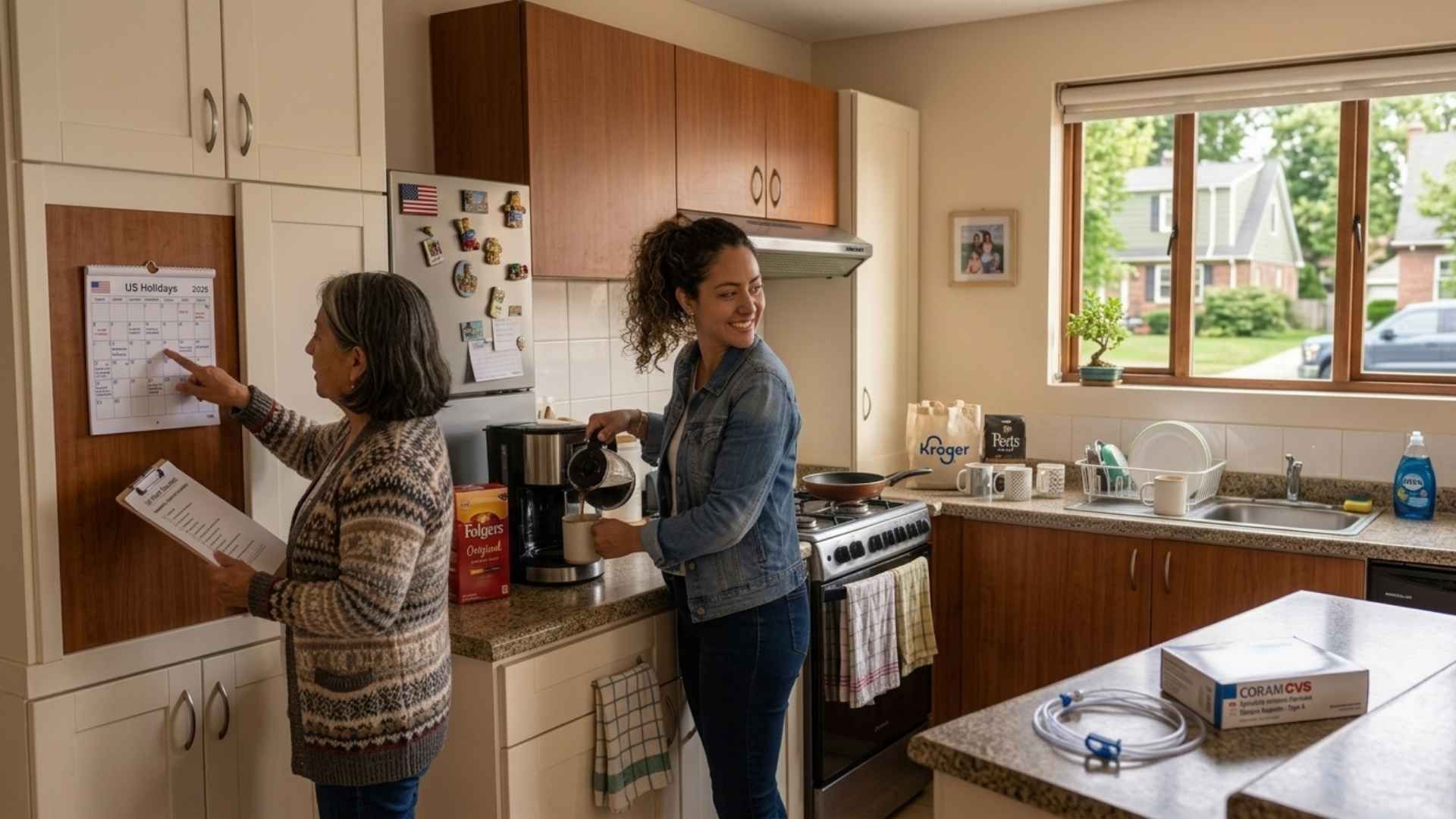
Adult daughter and her mother reviewing a delivery schedule together in the kitchen at home
September 1, 2026
A practical guide for caregivers: what your role is, what the pharmacy can share with you, what to keep track of, and how to protect your own energy.

Family sharing a meal at home while one member on parenteral nutrition joins the table
September 1, 2026
Whether you can eat on parenteral nutrition, why appetite and taste change, and how to handle meals with family while receiving IV nutrition.
Suitcase packed with a small cooler and paperwork for traveling while on parenteral nutrition
August 31, 2026
How to plan a trip on TPN or home parenteral nutrition: supplies, refrigeration, air travel documentation, and how far ahead to call your pharmacy.
Home delivery of TPN supplies unpacked on a kitchen table during the first week of therapy
August 31, 2026
A day-by-day look at starting total parenteral nutrition at home: the first delivery, the first infusion, night one, and when to call for help.
Dialysis center staff coordinating phosphate binder supply with a pharmacy partner
August 11, 2026
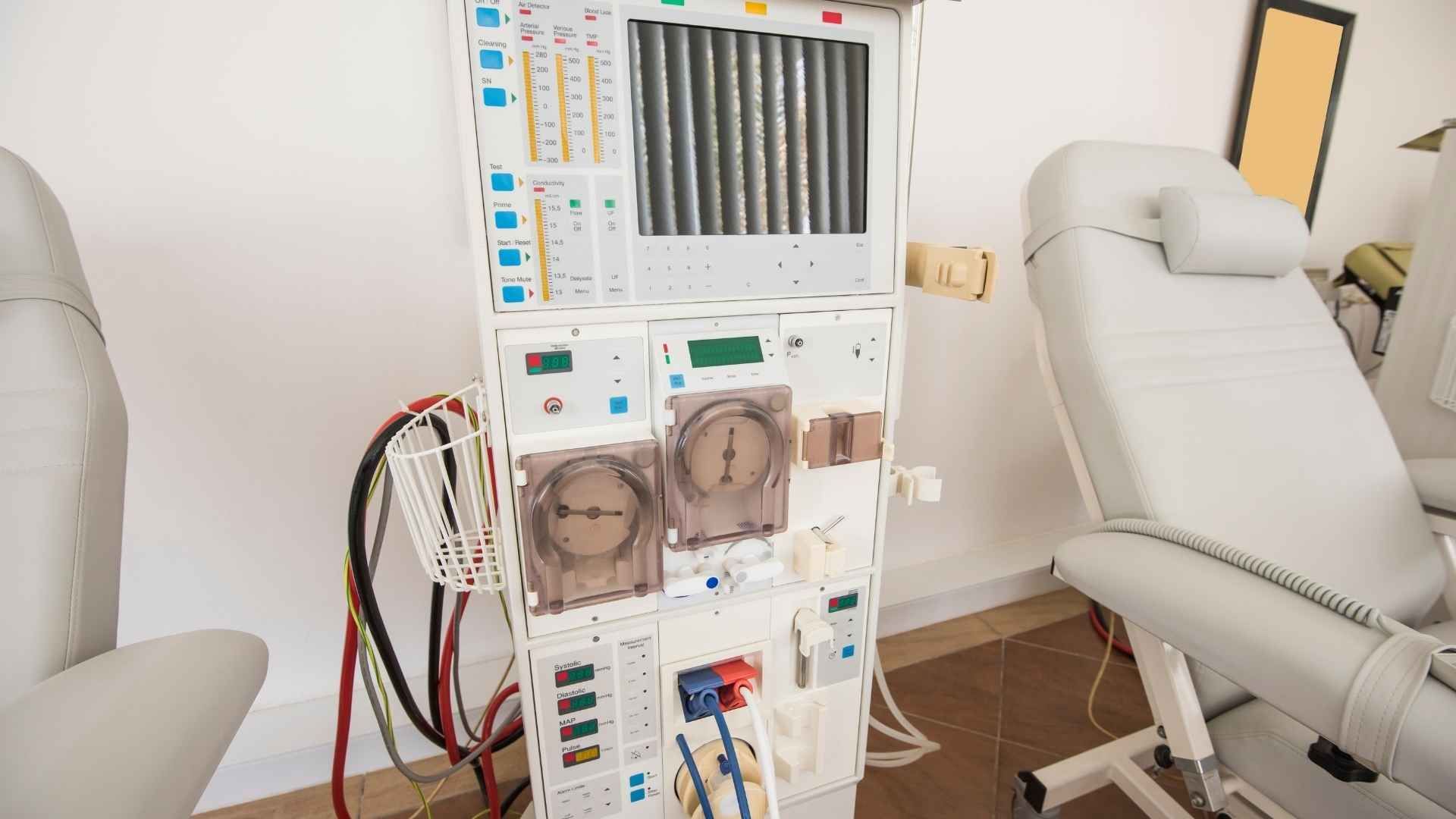
What dialysis centers should look for in a phosphate binder supply partner: reliable delivery, formulary breadth, insurance support, and coordination.
Renal dietitian reviewing phosphate levels with a dialysis patient
August 11, 2026
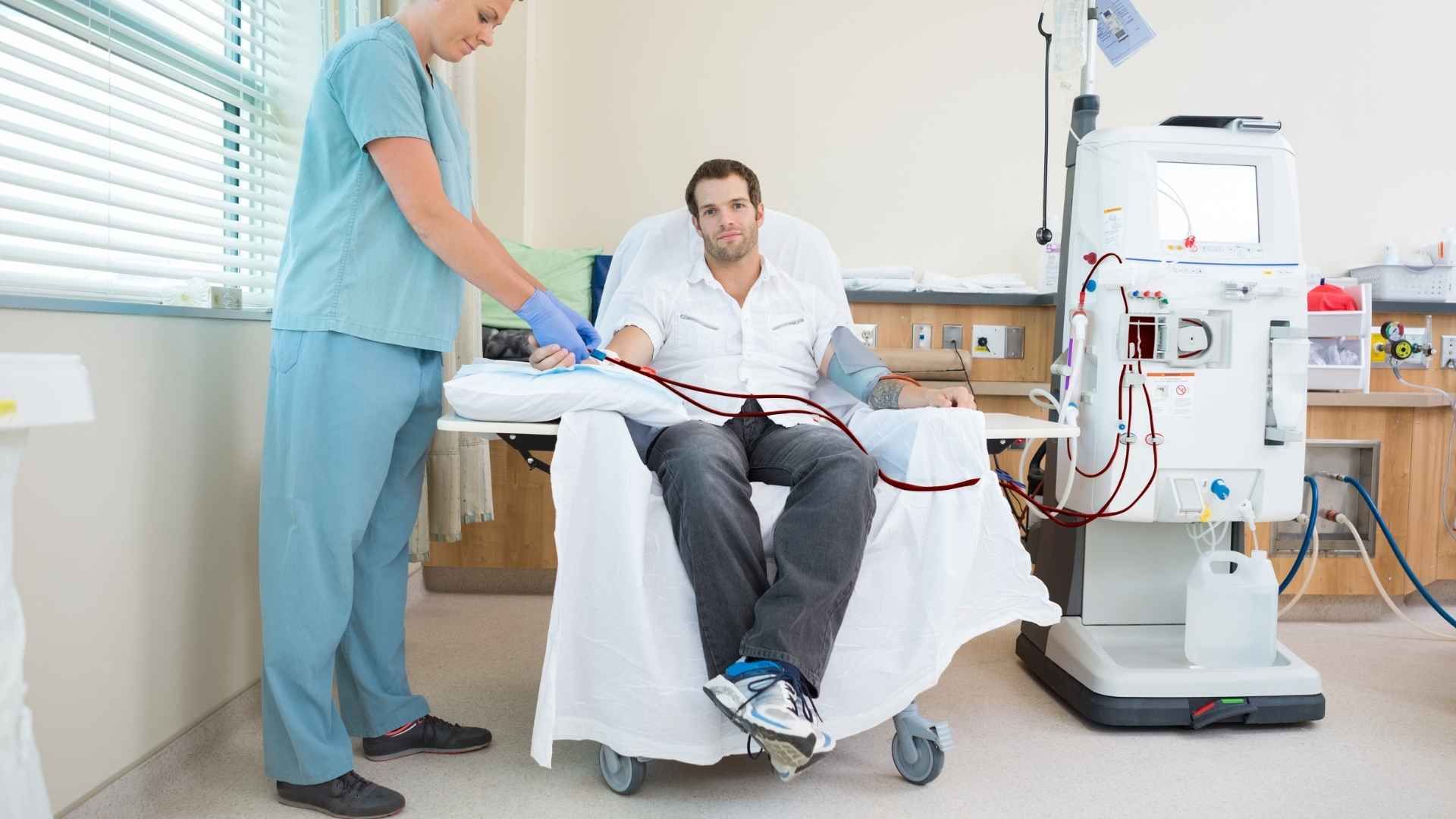
How hyperphosphatemia is managed in ESRD dialysis patients, diet, dialysis, and phosphate binders, and why reliable binder supply keeps therapy on track.

July 29, 2026
Compounded medications are a routine part of modern care, but unlike mass-manufactured drugs, each one is prepared individually, which means the standards behind its preparation carry real weight. For providers who order or refer for compounded therapies, a working understanding of those standards is the clearest way to judge whether a pharmacy is safe to trust. This overview covers the standards that govern sterile compounding and what they mean for the medications your patients receive. Why Standards Matter More in Compounding A commercially manufactured drug is produced under FDA oversight in large, validated batches. A compounded medication is prepared for an individual patient, often in small quantities, sometimes because no commercial equivalent exists. That flexibility is exactly why it's clinically valuable — and why the standards around preparation exist. Without rigorous controls, the same customization that helps patients could introduce contamination or error. Our guide to our sterile compounding pharmacy describes how those controls come together in practice. The Regulatory Landscape Sterile compounding sits within a layered framework: The United States Pharmacopeia (USP) publishes the general chapters, most importantly <797> and <800>, that define how compounded preparations should be made and handled. State boards of pharmacy license and inspect pharmacies, including where they're permitted to ship. Multi-state operations must maintain licensure in each state they serve. Accreditation bodies (ACHC, NABP, PCAB) provide independent verification that a pharmacy meets recognized standards. Together, these create the accountability structure behind every compounded dose. USP <797>: Sterile Preparations USP <797> is the cornerstone standard for compounded sterile preparations. It governs the conditions and practices required to keep a preparation free of contamination, including personnel training and garbing, ISO-classified air quality and engineering controls, environmental monitoring, and beyond-use dating. For any medication infused directly into the body, <797> compliance is the baseline expectation, not a premium feature. USP <800>: Hazardous Drugs USP <800> adds a containment layer for hazardous drugs, protecting personnel, patients, and the environment from unintended exposure. It specifies containment engineering controls, PPE, and validated handling procedures for drugs identified as hazardous. When a preparation is both sterile and hazardous, it must satisfy <797> and <800> together. For the details, see our breakdown of USP <800> requirements . Accreditation: Independent Verification Standards are only meaningful if someone checks that they're being met. Accreditation from ACHC, NABP, and PCAB means a pharmacy has been inspected against national benchmarks by an outside authority. For a provider, accreditation is a shortcut to confidence: it signals that the pharmacy's claims about its processes have been independently validated. The Quality-Control Process Behind the standards is a repeatable process that governs each preparation: Pharmacist review of the prescription for appropriateness, compatibility, and dosing Preparation by trained technicians under aseptic conditions In-process and final verification by a licensed pharmacist Sterility testing or filtration validation where required This chain is what turns a standard on paper into a safe medication in a patient's hands. What This Means When You Order When you refer a patient for a compounded therapy, you're effectively extending your own standard of care into another facility. Knowing that a pharmacy is USP-compliant, accredited, and pharmacist-led lets you refer with confidence that the medication will meet the same expectations you'd hold for anything you administer yourself. If you're weighing options, our guide on how to choose a compounding partner walks through the criteria. The Pharmko Standard Pharmko compounds every TPN, IDPN, and IPN preparation in a USP <797>-compliant, ISO Class 5 cleanroom, under ACHC, NABP, and PCAB accreditation, with a licensed pharmacist reviewing and releasing each formula. For the patients who receive our preparations, many of them managing End Stage Renal Disease (ESRD), that standard is the point. Refer a Patient → · [1 (877) 540-2003]
Physician evaluating a sterile compounding pharmacy partner
July 29, 2026
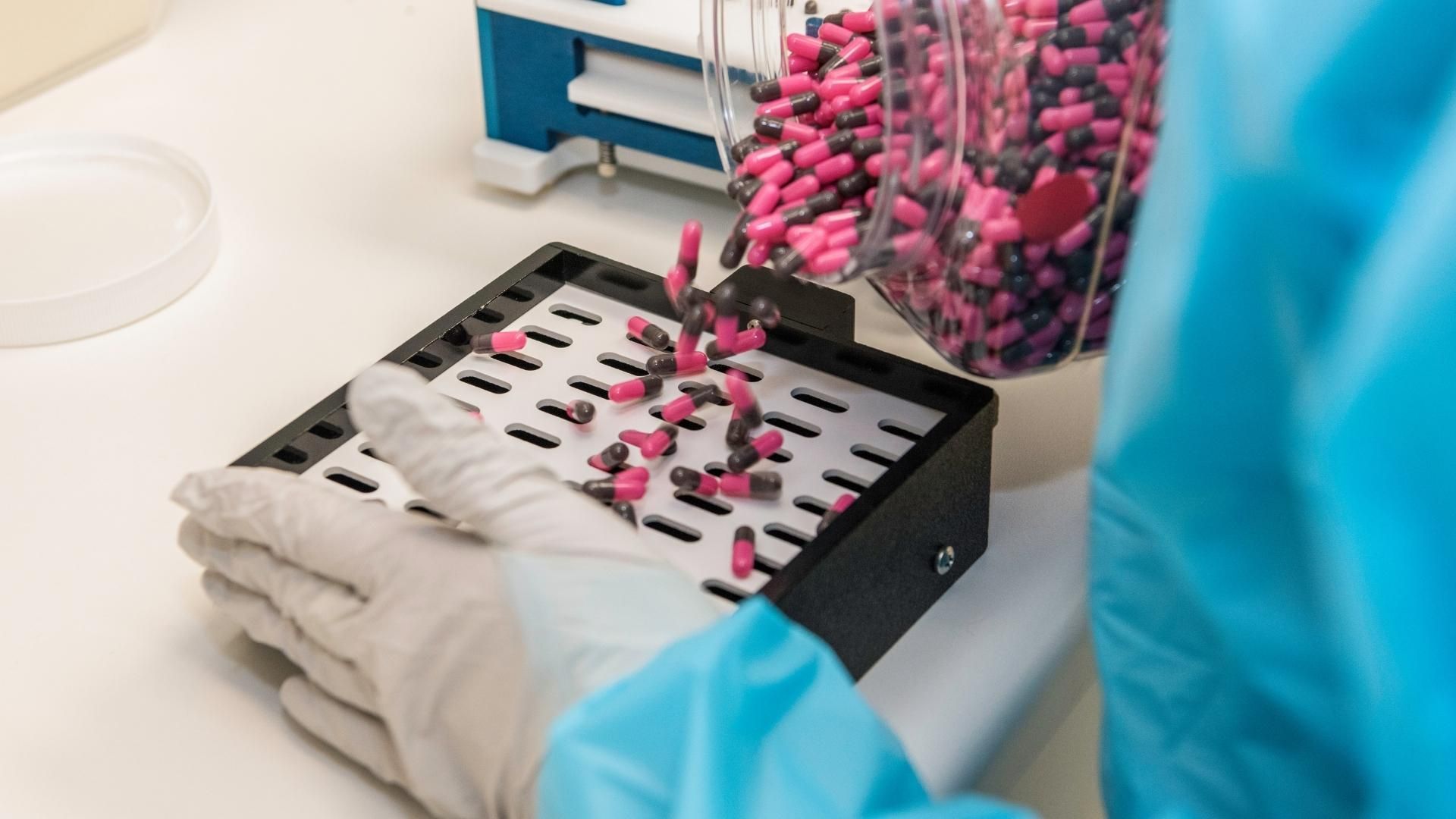
How to evaluate a sterile compounding pharmacy: accreditation, USP compliance, clinical support, turnaround, and the questions every practice should ask.
Show More