

Are there benefits to at-home sterile therapy?

August 21, 2025

With an increasing focus on patient-centered care, at-home sterile therapies are gaining popularity as viable alternatives to hospital-based treatments. These therapies offer numerous benefits, such as cost-effectiveness, convenience, and personalized attention. However, the unique constraints of at-home therapies also require careful consideration. This article delves into various at-home sterile therapy options, examining their benefits and limitations while providing insights into specific applications like home infusion therapy, fertility tests, and physical therapy.

The Rise of At-Home Infusion Therapy

What are the benefits of home infusion therapy?

Home infusion therapy provides several valuable advantages for patients requiring intravenous or subcutaneous treatments.

Convenience and Safety

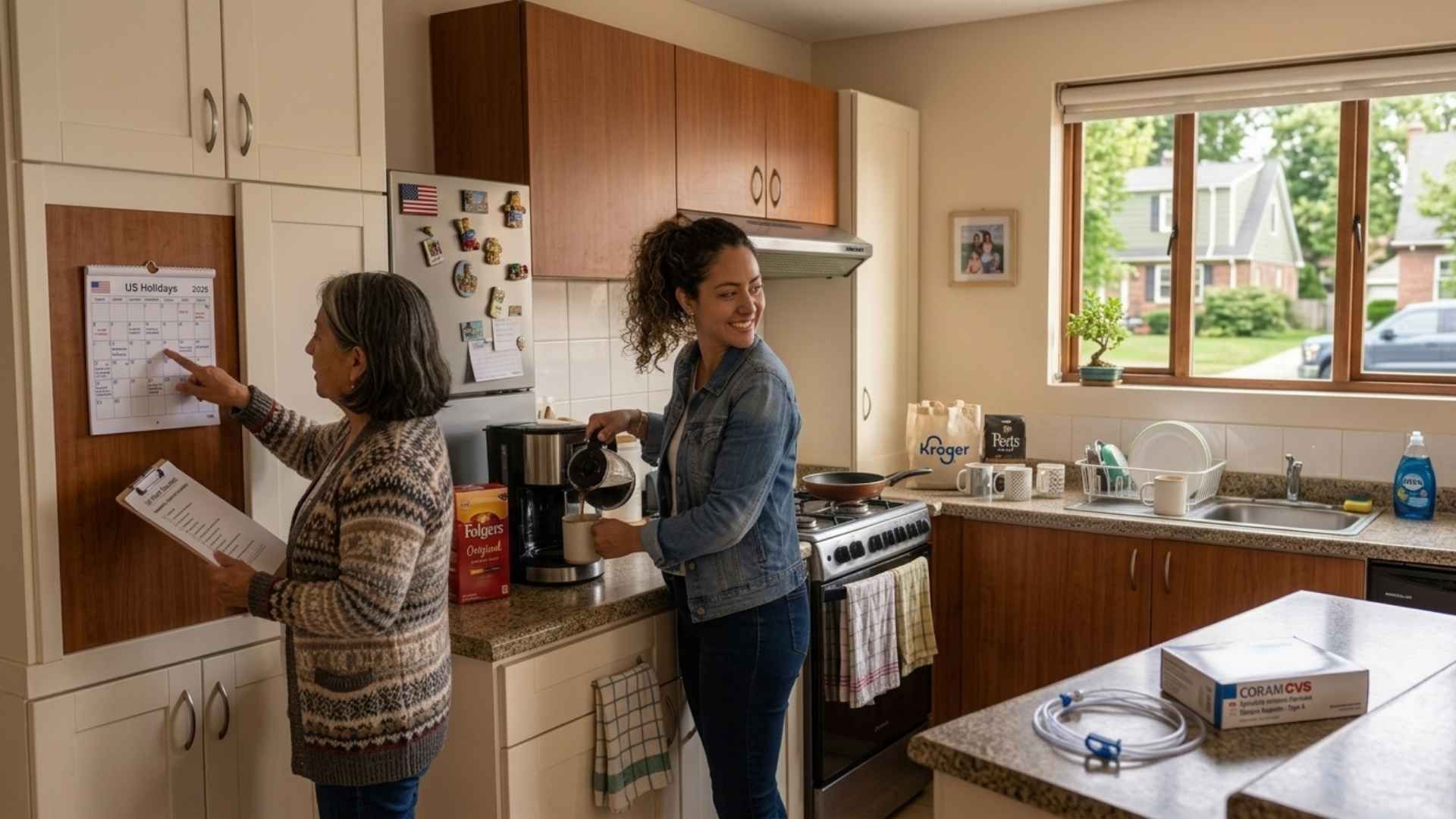
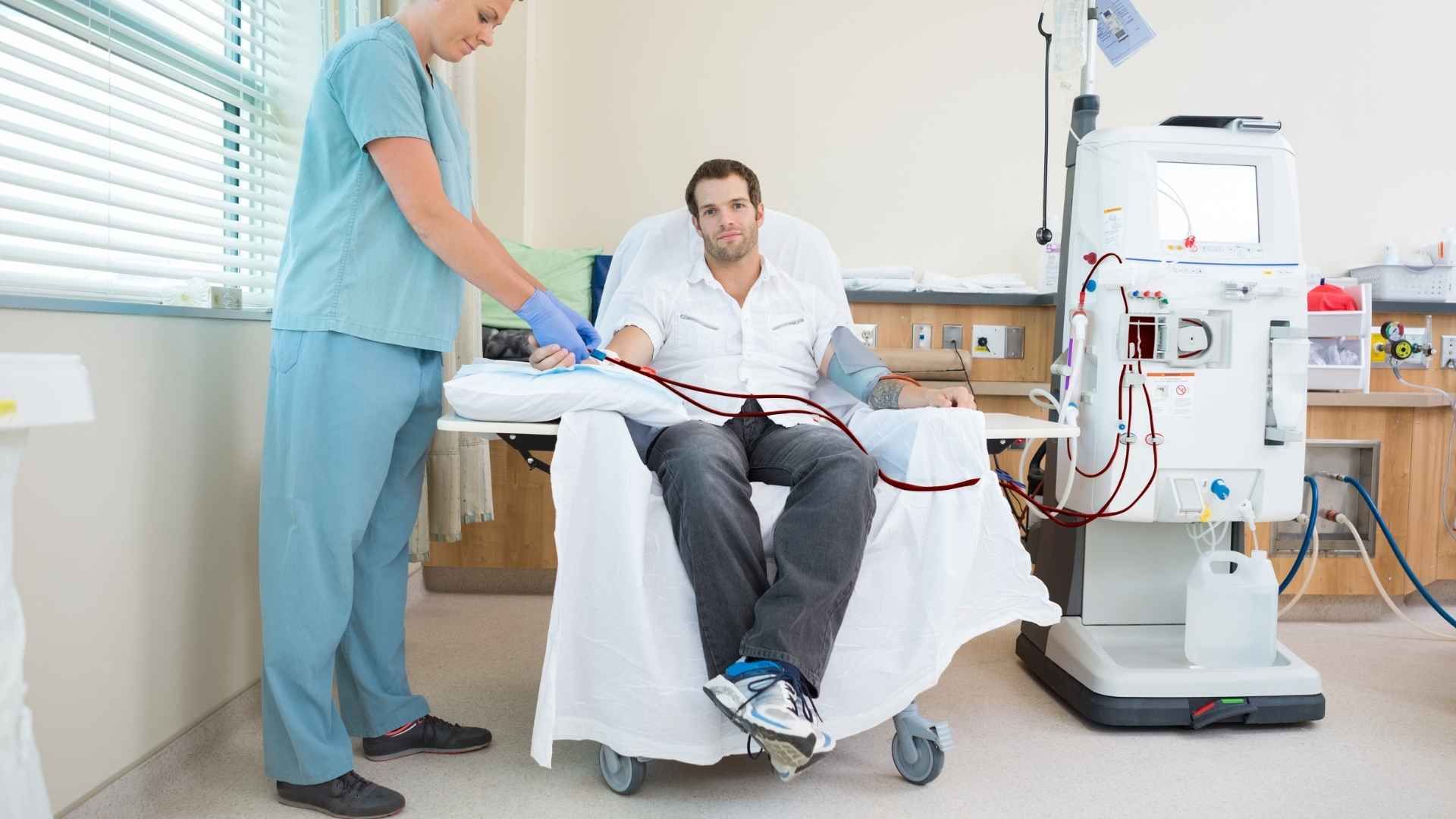
Receiving therapies in the comfort of one’s home significantly enhances convenience. Patients can avoid the stress associated with hospital visits, including transportation and potential exposure to infections. The safe administration of medication can be facilitated by skilled nursing services at home, ensuring that patients have access to the necessary support for proper treatment.

Cost-effectiveness

Financial considerations play a crucial role in healthcare decisions. Home infusion therapy is generally 40% to 60% less expensive than treatments provided in outpatient settings. This cost savings accumulates over the course of treatment, providing significant financial relief to patients and healthcare systems alike.

Aspect Home Infusion Therapy Outpatient Settings
Cost 40%-60% cheaper than outpatient Higher costs associated with hospital care
Convenience Treatment at home, reducing travel Requires travel to healthcare facilities
Safety Lower risk of exposure to infections Potential exposure to other illnesses
Access to Support 24/7 clinical support at home Limited hours and support at clinics

Impact on Patient Independence and Quality of Life

Home infusion therapy significantly enhances patient independence. By continuing at-home treatments, individuals can maintain their daily routines, minimizing disruptions to work or schooling. This continuity fosters a better quality of life, as they can manage care within a familiar environment, promoting both emotional and physical well-being. Studies also indicate a notable decrease in hospitalization and adverse reactions, contributing to overall patient satisfaction and safety.

Assessing Home Fertility Tests: Their Role and Effectiveness

Role of At-Home Fertility Testing in Early Detection

At-home sperm tests can play a crucial role in early detection of potential infertility issues. They are particularly beneficial for spotting severely low sperm counts. This information can prompt individuals to seek further evaluation with a fertility specialist. Furthermore, these tests often provide quick results in a convenient and private setting, making them appealing for couples trying to conceive.

While at-home tests are gaining popularity, they are limited in their ability to provide a full picture of male fertility. Basic tests can indicate if sperm is present and measure certain metrics like sperm concentration and motility. However, these measurements are not comprehensive and should only be considered a preliminary check.

Limitations of Home Fertility Tests Compared to Professional Evaluations

The limitations of at-home fertility tests become evident when contrasted with comprehensive lab analyses. Professional evaluations, such as semen analyses, take into account a host of critical factors including sperm motility, morphology, and overall vitality—elements that at-home tests simply cannot assess.

Moreover, while many at-home tests claim high accuracy rates, they often miss common infertility factors. For a thorough understanding of male fertility, detailed analyses from a laboratory are essential. They provide metrics like semen volume, total sperm count, and normal sperm morphology, which are crucial for accurate fertility assessments.

Are At-Home Fertility Tests Worth It?

At-home fertility tests can have their place, especially for couples wishing to monitor various reproductive health indicators. They can help identify potential fertility issues sooner, but their limitations highlight the need for professional evaluations. At-home tests should be viewed as a stepping stone—useful for initial screening but insufficient for making informed decisions about fertility treatments.

Exploring At-Home Sperm Testing: A Preliminary Step

Are at-home sperm tests accurate?

At-home sperm tests can provide some preliminary information about male fertility, such as whether sperm are present and, in some cases, their motility. However, these tests are limited in scope and cannot offer a comprehensive assessment of fertility factors, as they do not measure crucial aspects like sperm concentration and morphology.

Urologist Neel Parekh emphasizes that these home tests should complement, not replace, professional evaluations conducted in laboratory settings. While they can be useful for individuals with known risk factors or those seeking quick reassurance, a formal analysis by a fertility specialist is recommended for a complete understanding of fertility health. Relying solely on at-home tests may lead to missed fertility issues and delays in needed interventions.

Can you check sperm quality at home?

Yes, you can check sperm quality at home using several reliable kits. These at-home sperm testing kits have gained popularity for men wanting to assess their fertility health. For instance:

Test Kit Measures Additional Notes
YO Sperm Kit Sperm concentration, motility Uses a smartphone app for detailed analysis
SpermCheck Sperm count Focuses solely on measuring count
Legacy Volume, count, motility, morphology Offers a mail-in comprehensive evaluation
Fellow Volume and motility Provides a broader assessment of parameters

It's advisable to consider these tests as a preliminary step before consulting a reproductive urologist if fertility concerns arise. Though convenient, at-home sperm tests do not replace the need for comprehensive clinical evaluations that explore various fertility aspects.

Unpacking the Benefits of Home Physical Therapy

Advantages of Receiving Physical Therapy at Home

Home physical therapy brings a multitude of conveniences that traditional outpatient therapy may not provide. Patients enjoy receiving care in a familiar environment, which significantly reduces anxiety and stress during recovery. With therapists coming directly to them, individuals avoid the challenges of traveling to clinics, such as traffic and parking difficulties.

Impact on Recovery and Functional Mobility

Studies indicate that home therapy can be as effective as outpatient services, showing promising results in functional mobility and recovery post-surgery. In-home settings allow therapists to tailor exercises that suit the patient’s everyday living tasks, enhancing overall adherence to treatment plans.

Personalized Care and Reduced Stress Factors

Patients in home therapy experience one-on-one attention from their therapists, which leads to a higher quality of care. Additionally, family involvement encourages motivation and provides emotional support, ensuring that important information is understood and retained. This collaborative approach can play a crucial role in improving the patient's recovery journey and overall well-being.

Navigating At-Home IUI: Convenience with Caution

Process and Implications of At-Home IUI

At-home intrauterine insemination (IUI) is an increasingly popular option for couples looking to conceive. This procedure allows individuals to sidestep the discomfort of clinical environments by allowing them to perform insemination in their familiar home settings. The key to success lies in precise timing, as it's essential to carry out IUI during ovulation. Couples can purchase at-home insemination kits which come with step-by-step instructions to ensure proper procedure, preparation of sperm, and usage of the tools provided.

Comparison with Clinic-Based IUI

While at-home IUI offers the comforts of privacy and convenience, its success rates are slightly lower compared to clinic-based procedures. Clinics often provide a more controlled environment and professional oversight, which may improve outcomes. Proper tracking of ovulation can boost success at home, but without professional assistance, couples must rely on their understanding and timing.

Risks and Success Factors

There are important risks associated with at-home IUI, particularly if unwashed sperm is used, which could potentially lead to rejection by the womb. Couples should adhere to safe practices and possibly consult medical professionals before proceeding. Understanding these risks is critical in ensuring a successful and safe process. Overall, while at-home IUI can be a viable option for many, it requires careful planning and consideration to maximize chances of conception.

Considerations for Choosing At-Home Therapy Methods

What should be considered when comparing at-home therapy options for quality of life and recovery?

When exploring at-home therapy options, several critical factors must be evaluated to ensure quality of life and effective recovery.

  1. Personalization of Care
    Tailoring therapy to meet individual needs and preferences is paramount. A personalized approach promotes engagement and enhances outcomes.

  2. Accessibility
    Resources such as health, housing stability, and community support play a significant role. Individuals should assess whether they have access to necessary tools and assistance, as these will affect adherence and overall success.

  3. Adherence to Therapy
    Committing to a rehabilitation program relies on self-efficacy, perceived barriers, and social support. An environment that fosters motivation—where patients feel supported and capable—can significantly enhance their commitment.

  4. Connected Health Solutions
    Utilizing telehealth services and mobile applications can enhance adherence by providing real-time coaching and monitoring. Keeping patients connected with their healthcare providers can create a more robust support system.

  5. Sense of Purpose
    Engaging in meaningful activities and building social networks are crucial for motivation. These factors promote emotional well-being and empower individuals to actively participate in their recovery.

By keeping these aspects in mind, patients can better navigate at-home therapy options, making choices that positively influence their quality of life and recovery outcomes.

Conclusion

At-home sterile therapies represent a transformative approach in the healthcare landscape, providing not only convenience and comfort but also financial and health-related benefits. While offering a promising path forward for many patients, these therapies also highlight the need for careful selection and consultation with healthcare professionals to ensure optimal outcomes and safety. As more patients consider these options, understanding their unique advantages and limitations remains essential.

References

Home Infusion Therapy in New York
June 17, 2026
Pharmko is based in New York and provides home infusion therapy statewide — IV antibiotics, IVIG, TPN, IDPN, and specialty medications. Licensed, ACHC accredited, and available 24/7.
Home Infusion for Osteomyelitis
June 15, 2026
Osteomyelitis requires weeks of IV antibiotics that can often be completed at home. Learn who qualifies for OPAT, what the treatment timeline looks like, and how Pharmko supports bone infection recovery.
What Is a PICC Line
June 15, 2026
Learn what a PICC line is, how it's inserted, how to care for it at home, and why it's the most common IV access device for home infusion therapy. Pharmko nurses provide full PICC line training.
IV Iron Infusion at Home: Feraheme, Injectafer, and Iron Deficiency Anemia Treatment
June 12, 2026
Learn how IV iron infusion works at home — which products are used, who qualifies, what to expect during treatment, and how Pharmko delivers iron infusion therapy across 22+ states.
Home Infusion for Multiple Sclerosis
June 11, 2026
Learn how home infusion therapy works for multiple sclerosis, including Ocrevus and Tysabri, who qualifies for home-based MS infusions, what to expect, and how Pharmko coordinates care.
TPN at Home: Who Qualifies, How It Works, and What to Expect
June 11, 2026
Learn how total parenteral nutrition (TPN) at home works — who qualifies, how it's delivered, what daily life looks like, and how Pharmko supports patients from first dose through long-term therapy.
Low Albumin in Dialysis Patients
June 3, 2026
Low albumin is a key marker of malnutrition in dialysis patients. Learn what causes albumin decline, when IDPN is indicated, and how Pharmko supports renal nutrition across 22+ states.
Home Infusion Pump Types
June 2, 2026
Learn about the different types of infusion pumps used in home therapy, ambulatory, electronic, elastomeric, and CADD pumps, and how your pump is matched to your specific treatment.
Home Infusion for Rheumatoid Arthritis
May 30, 2026
Learn how home infusion therapy works for rheumatoid arthritis — including Remicade (infliximab) and other IV biologics, who qualifies for home treatment, and how Pharmko supports ongoing RA care.
Sterile Compounding Safety
May 26, 2026
When a patient or provider chooses a compounding pharmacy to prepare IV medications, they are trusting that the pharmacy operates under rigorous, independently enforced standards. In the United States, those standards are defined by two chapters of the United States Pharmacopeia: USP <797> for sterile compounding and USP <800> for hazardous drug handling. Pharmko operates in full compliance with both chapters. Understanding what these standards require, and what happens when they are not met, helps patients and providers make informed decisions about which pharmacy they trust with their care. What Is USP <797>? USP <797> (Pharmaceutical Compounding, Sterile Preparations) is the national standard that defines the minimum requirements for compounding sterile preparations safely. It covers: Cleanroom environment classification, ISO Class 5 at the point of compounding, ISO Class 7 for the surrounding buffer area, ISO Class 8 for the ante-room Personnel training, gowning, and aseptic technique requirements Sterilization and filtration methods by product type Beyond-use dating (BUD), how long a compounded sterile preparation remains safe to use Environmental and personnel monitoring schedules Quality assurance, documentation, and deviation management USP <797> applies to every pharmacy that prepares IV solutions, injections, eye drops, or other sterile preparations, whether they are a hospital pharmacy, ambulatory infusion center, or specialty pharmacy like Pharmko. The 2023 Revision: What Changed USP <797> was significantly revised in 2023 (effective November 2023). Key changes include: Stricter beyond-use date requirements, compounded sterile preparations must now meet more conservative dating limits unless sterility testing supports extended dating Enhanced environmental monitoring, more frequent air and surface sampling with defined action levels Clearer personnel qualification requirements, competency assessments are now required at defined intervals New category system, preparations are now categorized (Category 1 and Category 2) based on sterility assurance level and BUD Pharmacies that were compliant under the previous version of USP <797> must have updated their procedures and infrastructure to meet the 2023 revision. Pharmko updated our facilities, policies, and documentation systems in alignment with the revised chapter. What Is USP <800>? USP <800> (Pharmaceutical Compounding, Hazardous Drugs) establishes standards for the safe handling of hazardous drugs throughout the pharmacy, from receipt and storage to preparation, dispensing, and waste disposal. Hazardous drugs include certain chemotherapy agents, antiviral medications, hormones, and other drugs that pose risks of carcinogenicity, reproductive toxicity, or organ damage at low exposure levels. USP <800> requires: Negative-pressure ventilated containment primary engineering controls (C-PECs) for hazardous drug compounding Separate, dedicated hazardous drug storage areas Personal protective equipment (PPE) requirements for all staff handling hazardous drugs Closed-system drug transfer devices (CSTDs) for certain preparations Spill kits and exposure management protocols Why These Standards Matter for Patients The consequences of non-compliance are serious. High-profile compounding pharmacy failures, including a 2012 fungal meningitis outbreak linked to contaminated steroid injections that killed 64 patients and injured hundreds, demonstrated what happens when sterile compounding standards are not followed. For patients receiving home IV therapy, USP <797> compliance is not a credential to check once and forget, it reflects the ongoing daily practices of the pharmacy preparing their medications. Patients and providers should verify that any pharmacy preparing their IV solutions is accredited, state-licensed, and actively compliant with current USP standards. How Pharmko Meets These Standards Pharmko's sterile compounding facility is designed, staffed, and operated to meet USP <797> and USP <800> requirements. We are ACHC accredited, state-licensed in 22+ states, and subject to regulatory inspection. Every batch we compound is reviewed by a licensed pharmacist, and our environmental and personnel monitoring data is reviewed on a defined schedule. For a broader overview of what sterile compounding is and how it differs from retail pharmacy, see our guide on what is sterile compounding for IV therapy . For providers interested in our compounding capabilities, see our physician services page or contact our pharmacy team directly. → Contact Pharmko about sterile compounding: 1-877-540-2003
Show More