

Compounded medications for infusion care

August 22, 2025

Understanding Compounded Medications in Infusion Care

Compounded medications are a cornerstone of personalized medical treatments, allowing healthcare providers to address unique patient needs with precision. Particularly important in infusion care, these customized drugs support patients requiring specialized pharmaceutical interventions. Through a collaborative effort involving pharmacists, healthcare providers, and patients, compounded medications aim to deliver optimal therapeutic outcomes. This article explores various facets of compounded medications in infusion care, from safety practices and regulatory standards to their role in home and inpatient settings.

How Does Home Infusion Therapy Work and What Are Its Benefits?

How does home infusion therapy work?

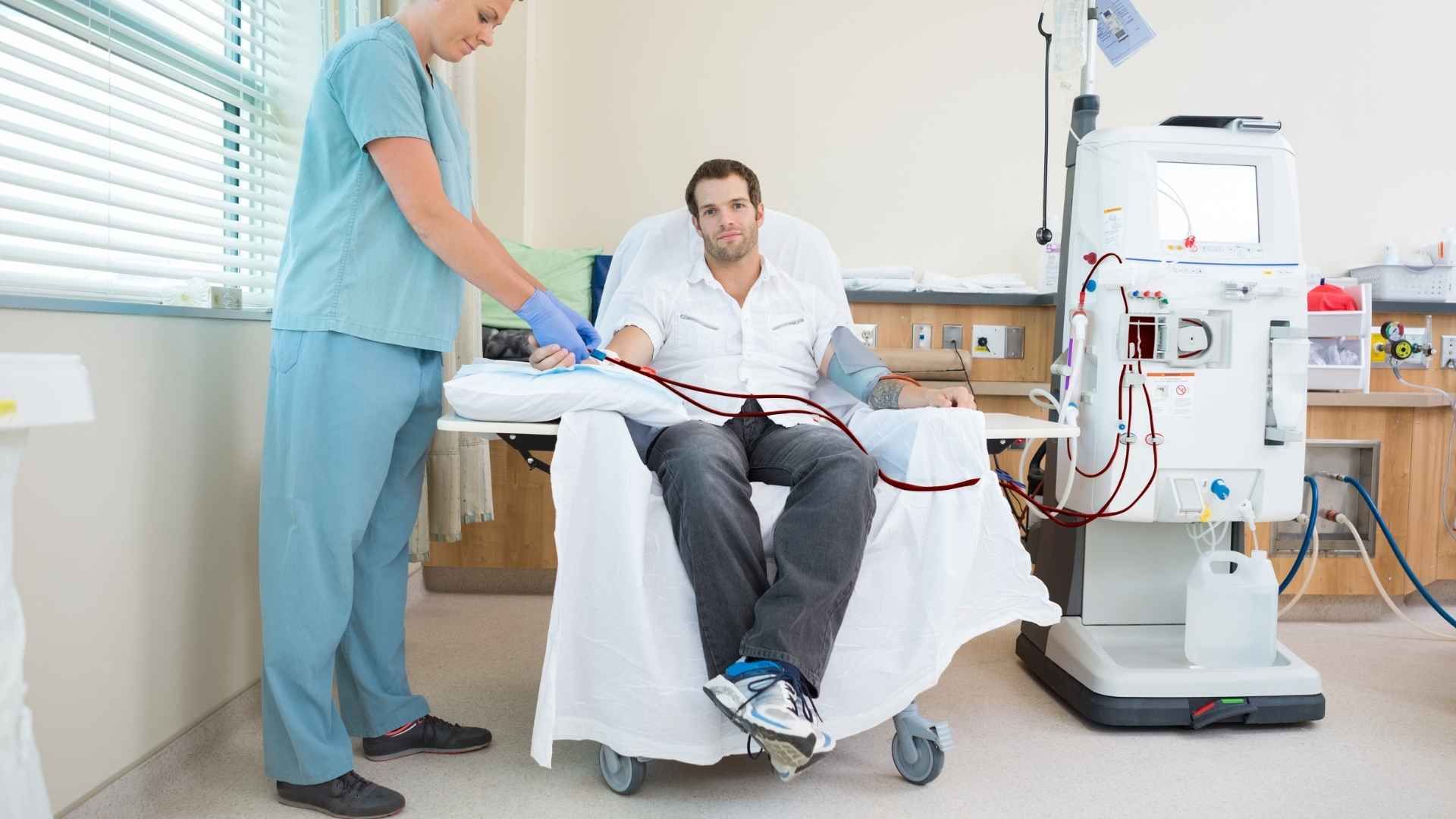
Home infusion therapy is administered through a needle or catheter directly in a patient's home, replacing the need for prolonged hospital stays. This treatment is guided by a dedicated team of healthcare professionals, including nurses and pharmacists, who tailor the infusion process to meet the unique needs of each patient. They ensure that medications—like intravenous (IV) antibiotics, chemotherapy, or hydration—are safely and effectively administered.

Patients may receive care from various organizations, including specialized infusion companies and community pharmacies, that adhere to strict protocols to maintain drug sterility and proper administration techniques. Home infusion practices also include thorough patient assessments and ongoing education to ensure that both patients and caregivers understand medication administration and equipment handling.

What are the benefits of home-based infusion care?

The advantages of home infusion therapy extend beyond convenience:

  • Quality of Life Improvement : Patients can continue their daily routines while receiving necessary medications, significantly enhancing their quality of life.
  • Cost-Effective : Home-based care often reduces overall healthcare costs by decreasing hospital visits and stays.
  • Lower Infection Risks : Receiving treatment in the home environment decreases exposure to hospital-associated infections, particularly important for patients with compromised immune systems.
  • Accessibility : With services covered by Medicare and various insurance plans, patients have better access to essential treatments.

With approximately 3.2 million patients receiving home infusion annually, this model of care not only addresses serious health conditions effectively but also alleviates the stress often associated with hospital environments. Understanding these elements helps highlight the importance and efficacy of home infusion therapy in modern healthcare.

The Necessity of Compounded Drugs in Patient Care

Why do some patients need compounded drugs?

Some patients often rely on compounded drugs to meet their unique health requirements. This is particularly true for individuals with specific allergies, such as reactions to preservatives or fillers in commercially available medications. Compounding allows pharmacists to customize formulations, adjusting dosages or altering the medication's form, creating options like liquids or lollipops—making it easier for patients who struggle with swallowing pills.

Additionally, compounded medications are crucial when patients require specific drug combinations or dosages that are unavailable on the market. Conditions like complex chronic illnesses may necessitate personalized therapy that standard pharmaceuticals cannot offer. However, it is essential to understand that these compounded drugs lack the rigorous FDA scrutiny that traditional medications undergo, leading to concerns about their safety and efficacy. Thus, patients must procure these medications from accredited and reputable facilities to reduce associated risks.

Challenges associated with compounded medications

The challenges surrounding compounded drugs are significant. One primary concern is the risk of contamination, as compounded products can be prepared under unsafe conditions. Reports of adverse events, including serious infections due to contaminated preparations, underscore this danger.

Moreover, certain compounding practices linked to business models like IV hydration clinics may not always comply with regulatory standards, raising doubts about quality. Ensuring that these drugs are prepared in accordance with established guidelines, such as USP <797>, is critical to maintaining patient safety.

Overall, while compounded medications play a vital role in personalized patient care, they require careful oversight and adherence to quality standards to mitigate potential risks.

Popular IV Infusion Drugs and Their Applications

What drugs are most commonly given by IV infusion?

Drugs administered via intravenous (IV) infusion play a pivotal role in modern medicine, particularly for patients with conditions that require immediate therapeutic action. Common medications include:

  • Chemotherapy Agents:

    • Doxorubicin
    • Vincristine
    • Cisplatin
    • Paclitaxel
      These drugs are critical in cancer treatment, targeting rapidly dividing cells to inhibit tumor growth.
  • Antibiotics:

    • Vancomycin
    • Meropenem
    • Gentamicin
      Intravenous antibiotics are often necessary for serious infections where oral alternatives fail, ensuring quick and effective pathogen eradication.
  • Antifungals:

    • Micafungin
    • Amphotericin
      Used for invasive fungal infections, these agents are vital for immunocompromised patients.
  • Pain Management Medications:

    • Hydromorphone
    • Morphine
      These opioids provide rapid relief for acute pain, especially in postoperative or cancer patients, enhancing comfort and quality of life.

Application and importance of IV medications

IV administration is paramount for multiple reasons. It facilitates rapid drug delivery, making it indispensable in emergencies where oral medications are ineffective or unsafe. Short-term treatments frequently utilize peripheral IV lines, while central venous catheters are ideal for prolonged therapies, such as those required in chronic illnesses.

Moreover, IV fluids are crucial for treating hydration issues in cases of moderate to severe dehydration, ensuring patients maintain optimal body function. Close patient monitoring during IV administration helps mitigate potential complications such as infections, air embolisms, or electrolyte imbalances, underscoring the importance of skilled healthcare professionals in this process.

The ongoing demand for IV infusion therapies reflects their critical role in managing severe health conditions, highlighting their importance in improving patient outcomes.

Variety of Diseases Managed by Infusion Therapy

What diseases are treated with infusion therapy?

Infusion therapy addresses a wide range of diseases, particularly those that are chronic or complex, as well as those not effectively managed with oral medications. Here are some notable conditions treated with this approach:

  • Crohn's Disease and Ulcerative Colitis: These inflammatory bowel diseases often require aggressive treatment that may not respond to standard oral therapies.
  • Rheumatoid Arthritis and Lupus: Patients with autoimmune disorders benefit from infused biologic therapies designed to modulate immune response.
  • Multiple Sclerosis: Infusion therapy can provide essential disease-modifying agents that are critical in managing this progressive neurological condition.
  • Severe Infections: Some infections do not adequately respond to oral antibiotics, requiring intravenous administration to ensure effective treatment.
  • Cancer Treatments: Chemotherapy is frequently administered via infusion, ensuring that medications are delivered directly into the bloodstream for maximum effectiveness.
  • Iron Deficiency Anemia: Iron infusions are a quick way to restore levels in patients who cannot take or absorb iron pills effectively.
  • Dehydration from Gastrointestinal Issues: Infusion therapy can also be crucial for patients dealing with severe nausea, vomiting, or diarrhea, providing necessary hydration.

Infusion therapy serves as a vital treatment option for these and many other serious health conditions, emphasizing its role in enhancing patient care and outcomes.

Rationale for using infusion over oral medication

The choice of infusion therapy often stems from several rationales:

  • Bioavailability: Infused medications bypass the digestive system, allowing for better absorption and immediate effects.
  • Control: Healthcare providers can closely monitor the administration process, enhancing patient safety and response evaluation.
  • Complex Cases: For patients with multiple health issues or those on various medications, infusion therapy can help manage their complex health needs more effectively.
  • Severe Conditions: In cases of life-threatening conditions or where oral medications may not suffice, infusion therapy is often the preferred choice.

This targeted treatment modality plays a significant role in managing not just acute, but chronic health issues, ultimately enhancing the quality of life for patients.

Regulatory Landscape and Safety Protocols for Compounded Medications

What are the regulatory standards and protocols associated with compounded medications in infusion therapy?

Compounded medications in infusion therapy are governed by a complex set of regulatory standards to ensure their safety and efficacy. While these drugs are not FDA-approved, they must adhere to the guidelines established by the FDA and the United States Pharmacopeia (USP).

Particularly relevant are the standards outlined in USP chapter 797, which provides extensive regulations on sterile compounding practices. Compounding typically occurs in state-licensed pharmacies or outsourcing facilities, with the latter often facing more stringent oversight from the FDA.

Federal laws under sections 503A and 503B of the Drug Quality and Security Act delineate specific compounding requirements, including limits on bulk substances and the prohibition against compounding drugs that have been withdrawn from the market for safety reasons.

Essential quality assurance measures, such as environmental monitoring and ensuring staff competency in aseptic techniques, are critical to mitigating contamination risks and safeguarding patient safety.

How do compounded medications in infusion therapy compare with traditional pharmaceuticals offered in inpatient care?

Compounded medications provide tailored treatment options for patients with specific needs that traditional pharmaceuticals cannot meet. For instance, patients may have allergies, require unique dosage forms, or face challenges with standard medications.

Unlike FDA-approved drugs, compounded medications do not undergo the same level of rigorous evaluation for safety and efficacy, which raises potential quality concerns. However, compounding pharmacies can address medication shortages and create customized solutions, leading to improved patient adherence through personalized dosage forms and administration routes.

That said, the use of poorly compounded medications has been associated with serious adverse outcomes. While compounded medications play a crucial role in managing patient-specific needs, it is essential to consider their risks in comparison to the more established and regulated traditional pharmaceuticals.

Conclusion

Compounded medications are a vital component of infusion therapy, providing personalized care that addresses specific patient needs. With the growing trend towards home infusion therapy, patients enjoy improved quality of life and reduced healthcare costs. However, meticulous adherence to regulatory standards ensures the safety and efficacy of these preparations, underlining the necessity and complexity of compounded medications in modern healthcare.

References

Home Infusion for Multiple Sclerosis
June 11, 2026
Learn how home infusion therapy works for multiple sclerosis, including Ocrevus and Tysabri, who qualifies for home-based MS infusions, what to expect, and how Pharmko coordinates care.
TPN at Home: Who Qualifies, How It Works, and What to Expect
June 11, 2026
Learn how total parenteral nutrition (TPN) at home works — who qualifies, how it's delivered, what daily life looks like, and how Pharmko supports patients from first dose through long-term therapy.
Low Albumin in Dialysis Patients
June 3, 2026
Low albumin is a key marker of malnutrition in dialysis patients. Learn what causes albumin decline, when IDPN is indicated, and how Pharmko supports renal nutrition across 22+ states.
Home Infusion Pump Types
June 2, 2026
Learn about the different types of infusion pumps used in home therapy, ambulatory, electronic, elastomeric, and CADD pumps, and how your pump is matched to your specific treatment.
Home Infusion for Rheumatoid Arthritis
May 30, 2026
Learn how home infusion therapy works for rheumatoid arthritis — including Remicade (infliximab) and other IV biologics, who qualifies for home treatment, and how Pharmko supports ongoing RA care.
Sterile Compounding Safety
May 26, 2026
When a patient or provider chooses a compounding pharmacy to prepare IV medications, they are trusting that the pharmacy operates under rigorous, independently enforced standards. In the United States, those standards are defined by two chapters of the United States Pharmacopeia: USP <797> for sterile compounding and USP <800> for hazardous drug handling. Pharmko operates in full compliance with both chapters. Understanding what these standards require, and what happens when they are not met, helps patients and providers make informed decisions about which pharmacy they trust with their care. What Is USP <797>? USP <797> (Pharmaceutical Compounding, Sterile Preparations) is the national standard that defines the minimum requirements for compounding sterile preparations safely. It covers: Cleanroom environment classification, ISO Class 5 at the point of compounding, ISO Class 7 for the surrounding buffer area, ISO Class 8 for the ante-room Personnel training, gowning, and aseptic technique requirements Sterilization and filtration methods by product type Beyond-use dating (BUD), how long a compounded sterile preparation remains safe to use Environmental and personnel monitoring schedules Quality assurance, documentation, and deviation management USP <797> applies to every pharmacy that prepares IV solutions, injections, eye drops, or other sterile preparations, whether they are a hospital pharmacy, ambulatory infusion center, or specialty pharmacy like Pharmko. The 2023 Revision: What Changed USP <797> was significantly revised in 2023 (effective November 2023). Key changes include: Stricter beyond-use date requirements, compounded sterile preparations must now meet more conservative dating limits unless sterility testing supports extended dating Enhanced environmental monitoring, more frequent air and surface sampling with defined action levels Clearer personnel qualification requirements, competency assessments are now required at defined intervals New category system, preparations are now categorized (Category 1 and Category 2) based on sterility assurance level and BUD Pharmacies that were compliant under the previous version of USP <797> must have updated their procedures and infrastructure to meet the 2023 revision. Pharmko updated our facilities, policies, and documentation systems in alignment with the revised chapter. What Is USP <800>? USP <800> (Pharmaceutical Compounding, Hazardous Drugs) establishes standards for the safe handling of hazardous drugs throughout the pharmacy, from receipt and storage to preparation, dispensing, and waste disposal. Hazardous drugs include certain chemotherapy agents, antiviral medications, hormones, and other drugs that pose risks of carcinogenicity, reproductive toxicity, or organ damage at low exposure levels. USP <800> requires: Negative-pressure ventilated containment primary engineering controls (C-PECs) for hazardous drug compounding Separate, dedicated hazardous drug storage areas Personal protective equipment (PPE) requirements for all staff handling hazardous drugs Closed-system drug transfer devices (CSTDs) for certain preparations Spill kits and exposure management protocols Why These Standards Matter for Patients The consequences of non-compliance are serious. High-profile compounding pharmacy failures, including a 2012 fungal meningitis outbreak linked to contaminated steroid injections that killed 64 patients and injured hundreds, demonstrated what happens when sterile compounding standards are not followed. For patients receiving home IV therapy, USP <797> compliance is not a credential to check once and forget, it reflects the ongoing daily practices of the pharmacy preparing their medications. Patients and providers should verify that any pharmacy preparing their IV solutions is accredited, state-licensed, and actively compliant with current USP standards. How Pharmko Meets These Standards Pharmko's sterile compounding facility is designed, staffed, and operated to meet USP <797> and USP <800> requirements. We are ACHC accredited, state-licensed in 22+ states, and subject to regulatory inspection. Every batch we compound is reviewed by a licensed pharmacist, and our environmental and personnel monitoring data is reviewed on a defined schedule. For a broader overview of what sterile compounding is and how it differs from retail pharmacy, see our guide on what is sterile compounding for IV therapy . For providers interested in our compounding capabilities, see our physician services page or contact our pharmacy team directly. → Contact Pharmko about sterile compounding: 1-877-540-2003
What Is Sterile Compounding and Why Does It Matter for IV Therapy?
May 19, 2026
When a patient needs a medication that is not commercially available in the right dose, formulation, or combination, a sterile compounding pharmacy creates it. Sterile compounding is the process of preparing customized, injectable or infusible medications, IV solutions, eye drops, inhalation solutions, in a controlled, contamination-free environment. Pharmko's sterile compounding services are at the core of what makes specialty pharmacy different from a retail pharmacy. Every IV medication we prepare is custom-compounded, validated, and released by a licensed pharmacist before it reaches a patient. What Makes Compounding 'Sterile'? The word 'sterile' refers to the absence of viable microorganisms, bacteria, fungi, endotoxins, in the final product. This is non-negotiable for any medication injected into or infused through the body. A contaminated IV solution can cause severe bloodstream infections, sepsis, or death. Achieving sterility requires: A controlled cleanroom environment (ISO Class 5 or better at the point of compounding) Positive or negative air pressure depending on the type of medication being prepared Gowning, gloving, and aseptic technique by trained pharmacy staff Validated sterilization methods (filtration, terminal sterilization) appropriate for each formulation Environmental and personnel monitoring to detect contamination risks before they reach patients How Sterile Compounding Differs from Retail Pharmacy A retail pharmacy dispenses commercially manufactured medications in their existing forms — tablets, capsules, pre-made liquids. A sterile compounding pharmacy like Pharmko creates medications that either do not exist commercially, are no longer commercially available, or must be customized for a specific patient. Examples of why sterile compounding is necessary: A patient needs a specific antibiotic concentration not available in commercial vials TPN must be formulated individually based on the patient's weight, labs, and nutritional requirements — no pre-made product covers every case A pediatric patient needs a lower concentration of an IV medication than any commercial product offers IV antibiotics must be prepared in specific volumes and concentrations for OPAT patients based on the prescribed regimen What Is USP <797>? USP <797> is the United States Pharmacopeia chapter that sets the standards for sterile compounding. It defines the environmental requirements, beyond-use dating, testing, personnel training, and quality systems that a pharmacy must maintain to legally compound sterile preparations. Compliance with USP <797> is required by state pharmacy boards and enforced through inspections. Not all compounding pharmacies meet these standards — patients and providers should verify that any pharmacy preparing IV medications is operating in full USP <797> compliance. For a detailed breakdown of what USP <797> and the newer USP <800> standard mean for patient safety, see our guide on sterile compounding safety standards . How Pharmko's Compounding Process Works Pharmko operates a state-of-the-art USP <797> compliant sterile compounding facility. Every product we prepare goes through: Pharmacist review of the prescription for appropriateness, compatibility, and dosing Preparation by trained pharmacy technicians in an ISO Class 5 laminar airflow workbench or biological safety cabinet In-process and final product checks by a licensed pharmacist Sterility testing or filtration validation where required Cold-chain delivery to the patient or dialysis clinic within validated stability windows Why It Matters for Home Infusion Patients Every IV therapy delivered through Pharmko's home infusion services is compounded in our sterile facility. This means patients at home receive the same quality-controlled, pharmacist-verified products they would receive in a hospital — not medications assembled at the bedside or sourced from uncredentialed suppliers. → Contact Pharmko to learn more about our compounding services: 1-877-540-2003
Home Infusion Therapy in Florida
May 19, 2026
Pharmko provides home infusion therapy across Florida, IV antibiotics, IVIG, TPN, IDPN, and specialty medications. Licensed, accredited, and available 24/7 statewide.
Home Infusion Therapy in Texas
May 19, 2026
Pharmko provides home infusion therapy across Texas — IV antibiotics, IVIG, TPN, IDPN, and specialty medications. Licensed, accredited, and available 24/7 statewide.
 Phosphate Binders for Dialysis Patients
May 12, 2026
Learn how phosphate binders work for dialysis and CKD patients, the different types available, how they fit into a renal care plan, and how Pharmko supports dialysis centers with consistent supply.
Show More