
How does home delivery for weight loss meds work?

August 22, 2025

Understanding Home Delivery for Weight Loss Medications

With the rise of telehealth services and the convenience of home delivery, obtaining weight loss medications has become more accessible than ever. This transformation leverages technology to bypass traditional healthcare hurdles, enabling patients to receive their prescriptions with just a few clicks. In this article, we'll break down how home delivery of weight loss medications works, from telehealth consultations and eligibility checks to the logistics behind medication delivery and the role of online pharmacies.

Initiating the Weight Loss Journey with Telehealth Services

How do telehealth services assist in obtaining weight loss medications?

Telehealth services are transforming how individuals access weight loss medications, making the process more convenient and efficient. Patients begin their journey with online assessments that gather vital information regarding their health history and weight loss goals. These assessments guide telehealth platforms in determining eligibility for weight loss medications. For instance, a BMI of 30 or higher, or 27 with related health conditions, is often a requirement for prescription.

Following the assessment, patients can participate in video consultations with licensed medical providers, offering personalized guidance tailored to their unique situations. Through platforms like LillyDirect and partners like Form Health, individuals can receive prescriptions for medications such as semaglutide and Zepbound without the need for in-person visits. In addition, the telehealth service ensures ongoing support, typically involving follow-up appointments to monitor progress.

Notably, these platforms often facilitate the delivery of prescribed medications straight to the patient’s door, enhancing access and eliminating the hassle of pharmacy visits. Furthermore, they assist with insurance pre-authorization and provide insights on potential costs, making weight loss medications more accessible. This comprehensive approach not only focuses on medication management but also incorporates a broader view of the patient’s health and lifestyle habits.

Telehealth Service Key Features Medications Available
LillyDirect Online assessments, monthly check-ins, home delivery Zepbound, Semaglutide
Form Health Personalized consultations, medication prescriptions GLP-1 medications
TMates Telemedicine consultations, FDA-approved medications Tirzepatide, Semaglutide
Emerge At-home delivery service, hassle-free experience Tirzepatide, GLP-1s

How Online Pharmacies Facilitate Medication Access

How do online pharmacies and partnerships like Eli Lilly with Amazon facilitate the delivery of weight loss medications?

Eli Lilly's collaboration with Amazon Pharmacy significantly enhances the delivery of weight loss medications, particularly the GLP-1 drug Zepbound. Through the LillyDirect Pharmacy Solutions platform, patients can easily order their medications online, benefiting from a streamlined process that connects them with telehealth providers and licensed pharmacies.

Key aspects of this partnership include:

  • Convenience: Patients can receive medications delivered directly to their homes without needing an in-person doctor's visit.
  • Fast Delivery: With Amazon Prime, patients can enjoy two-day delivery, ensuring timely receipt of their medications.
  • 24/7 Pharmacist Support: Access to clinical pharmacists round-the-clock allows patients to ask questions regarding medication management, side effects, and interactions.

This strategic integration of telehealth services and online pharmacy solutions marks a significant step toward making weight loss medications more accessible, offering a seamless experience for patients seeking treatment in a more controlled and comfortable environment.

The Comprehensive Home Delivery Process for Weight Loss Medication

Steps in the home delivery process

The journey to receiving weight loss medication begins with an online assessment. This initial step collects vital information about the patient’s health history and weight loss objectives.

Once the assessment is complete, a licensed medical provider in the U.S. reviews the information. This crucial evaluation determines eligibility for treatment and discusses potential medication options tailored to individual needs.

After securing a prescription, medications are shipped directly to the patient's home by services like LillyDirect and other telehealth providers. Many companies ensure that all medications are sourced from licensed pharmacies, emphasizing quality and safety.

Regular follow-up through telehealth consultations is integral. Patients typically check in with their provider monthly to discuss treatment effectiveness and make necessary adjustments.

Assessment and prescription management

Telehealth doctors can prescribe weight loss medication, assuming they are licensed in the relevant state. This is pivotal in expanding access to medication without requiring in-person visits.

During virtual consultations, the physician evaluates not only the medical history and health status but also aligns on weight loss goals. Following these assessments, personalized medication recommendations can be made, and ongoing support is offered to ensure patients manage their treatment effectively.

It's crucial that patients engage with their healthcare providers regularly to monitor progress and make adjustments to their treatment plans as needed. This structured approach fosters a robust patient-physician relationship, enhancing safety and outcomes during the weight loss journey.

Eligibility Criteria for Prescriptions and Home Delivery

BMI and Health Conditions for Eligibility

To be considered for weight loss medications like GLP-1 receptor agonists, patients typically need to meet specific criteria. These guidelines often stipulate a Body Mass Index (BMI) of 30 or higher , or a BMI of at least 27 if accompanied by weight-related health conditions, such as diabetes or hypertension. This structured approach ensures that the medications are targeted towards individuals who genuinely require them, promoting safety and optimal effectiveness.

Telehealth Provider and Patient Relationship

Engagement with a telehealth provider is crucial. Patients are usually required to complete an online assessment followed by a video consultation to discuss health history and weight loss goals. This interaction helps establish a solid patient-provider relationship, which is important for ongoing supervision and medication management. Continued check-ins via telehealth assist in tailoring treatment as needed while ensuring accountability in weight loss efforts.

Understanding the Costs and Logistics of Home Delivered Medications

What factors should be considered for home delivery of weight loss medications, such as cost and logistics?

When considering home delivery of weight loss medications, several factors must be taken into account.

Cost is a critical aspect, particularly for medications like Wegovy and Zepbound, which can be expensive. Many patients are navigating out-of-pocket expenses due to limited insurance coverage. Membership plans, like the $49 per month service that includes medication delivery, can help streamline costs for ongoing treatment.

Logistics play a significant role as well. Advanced drug delivery systems, such as those utilized in telehealth platforms, ensure medications are delivered efficiently. The integration of eHealth solutions can improve compliance and engagement, especially for patients unable to attend in-person visits. Telemedicine appointments allow patients to obtain medications without traditional barriers while still providing the necessary medical oversight.

Additionally, patient assistance programs and initiatives from companies like Eli Lilly and partnerships with Amazon Pharmacy offer significant support. Programs that allow for discounts or financial assistance ensure that cost does not deter patients from accessing necessary treatments, making weight loss solutions more achievable.

The expanding obesity market emphasizes the importance of affordable and effective delivery mechanisms that meet patient needs and promote positive health outcomes.

Navigating Home Delivery Without Insurance

How does home delivery for weight loss medications work without insurance?

Home delivery for weight loss medications without insurance usually adopts a cash-pay model. Services like Lemonaid Health charge a monthly membership fee of approximately $49, which includes ongoing care and medication delivery after an online health assessment. Patients then consult with a U.S.-licensed medical provider to establish a personalized treatment plan.

Typically, medications like compounded semaglutide start at about $199 per month, which adds to the membership cost. Another option is Contrave, available for home delivery at around $99. Patients are encouraged to begin with lower dosages to lessen side effects, with regular check-ins to assess progress and adjust treatments as needed.

Telehealth platforms, such as Form Health and LillyDirect, have emerged to streamline access to FDA-approved medications. While they offer ongoing consultations to track treatment effectiveness, it’s essential for patients without insurance to budget for out-of-pocket expenses when their plans do not cover these medications. This shift toward cash-pay models reflects a growing trend in healthcare accessibility.

Spotlight on Specific Weight Loss Medications Available for Delivery

What are Popular GLP-1 Medications Available for Delivery?

Several GLP-1 medications are making waves in the weight loss arena, particularly Semaglutide and the newly FDA-approved Zepbound. These medications mimic the GLP-1 hormone, which plays a crucial role in regulating appetite and enhancing insulin secretion, thus promoting weight loss.

Medication Active Ingredient Delivery Type Cost
Semaglutide Compounded Semaglutide Home Delivery From $199/month
Zepbound Tirzepatide Home Delivery $1,059/month

Pharmacies like TMates and LifeRx.md provide direct home delivery services for these medications. Patients must begin with an online assessment to ensure they qualify based on BMI and weight-related conditions.

Are There Compounded Medication Options?

Yes, compounded versions of GLP-1 medications are also available, particularly for individuals who may not have access to standard FDA-approved medications. Compounded semaglutide, for instance, offers an alternative that is often more accessible through telehealth services; however, it’s important to note that these compounded versions are not FDA-approved, so they carry associated risks.

In summary, patients interested in GLP-1 medications for weight loss can now benefit from the convenience of online prescriptions and home delivery, making treatments more accessible than ever.

Making Informed Choices for Weight Loss Medication Delivery

Home delivery of weight loss medications offers a powerful solution to those seeking help in managing their weight without frequent trips to a healthcare provider. By understanding the process, costs, and available options, patients can make informed decisions that best suit their health needs and financial situations. The convenience of telehealth consultations and efficient delivery models has significantly enhanced accessibility, highlighting a transformative shift in healthcare toward more patient-centered services.

References

Dialysis center staff coordinating phosphate binder supply with a pharmacy partner
August 11, 2026
What dialysis centers should look for in a phosphate binder supply partner: reliable delivery, formulary breadth, insurance support, and coordination.
Renal dietitian reviewing phosphate levels with a dialysis patient
August 11, 2026
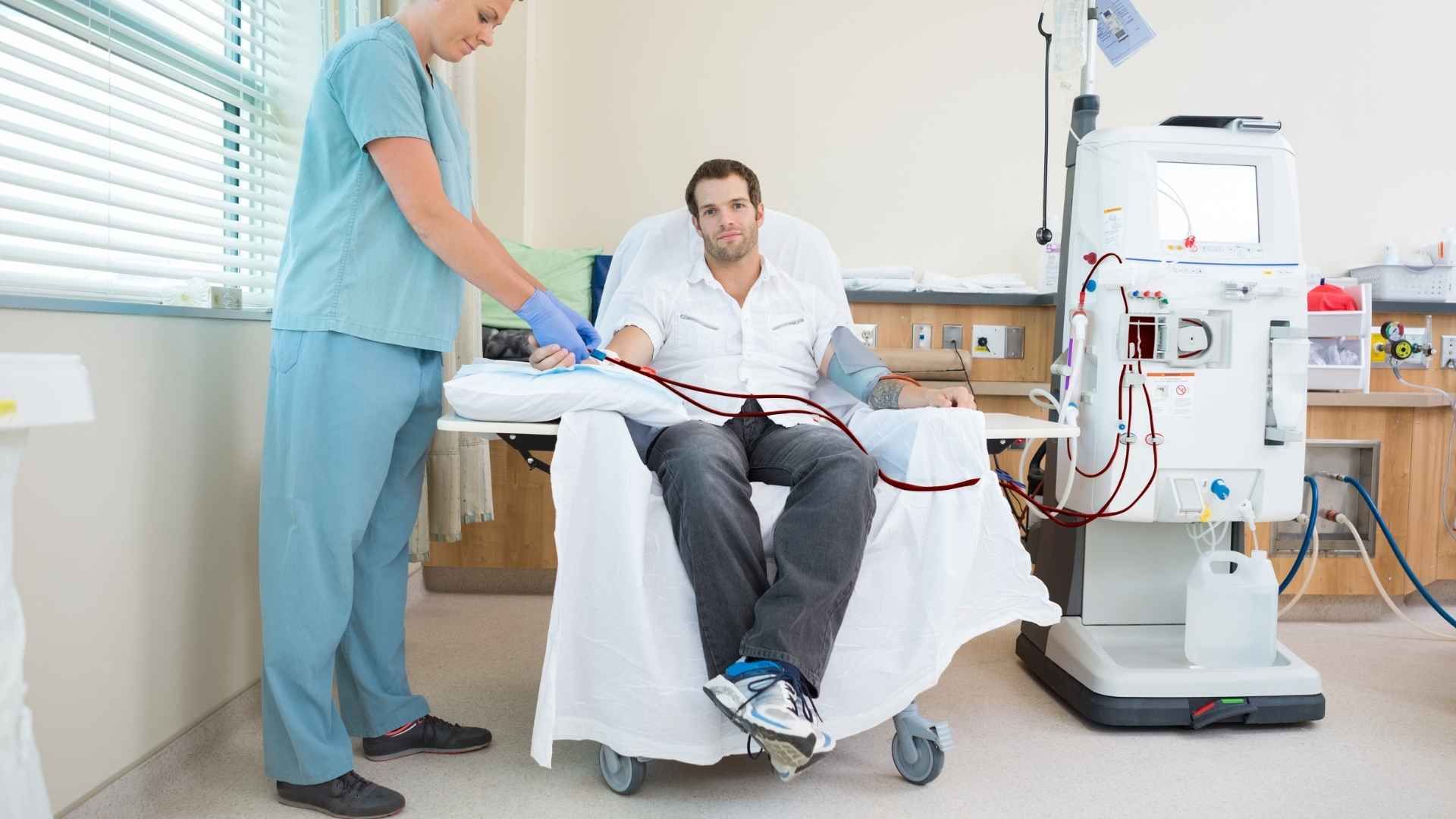
How hyperphosphatemia is managed in ESRD dialysis patients, diet, dialysis, and phosphate binders, and why reliable binder supply keeps therapy on track.
July 29, 2026
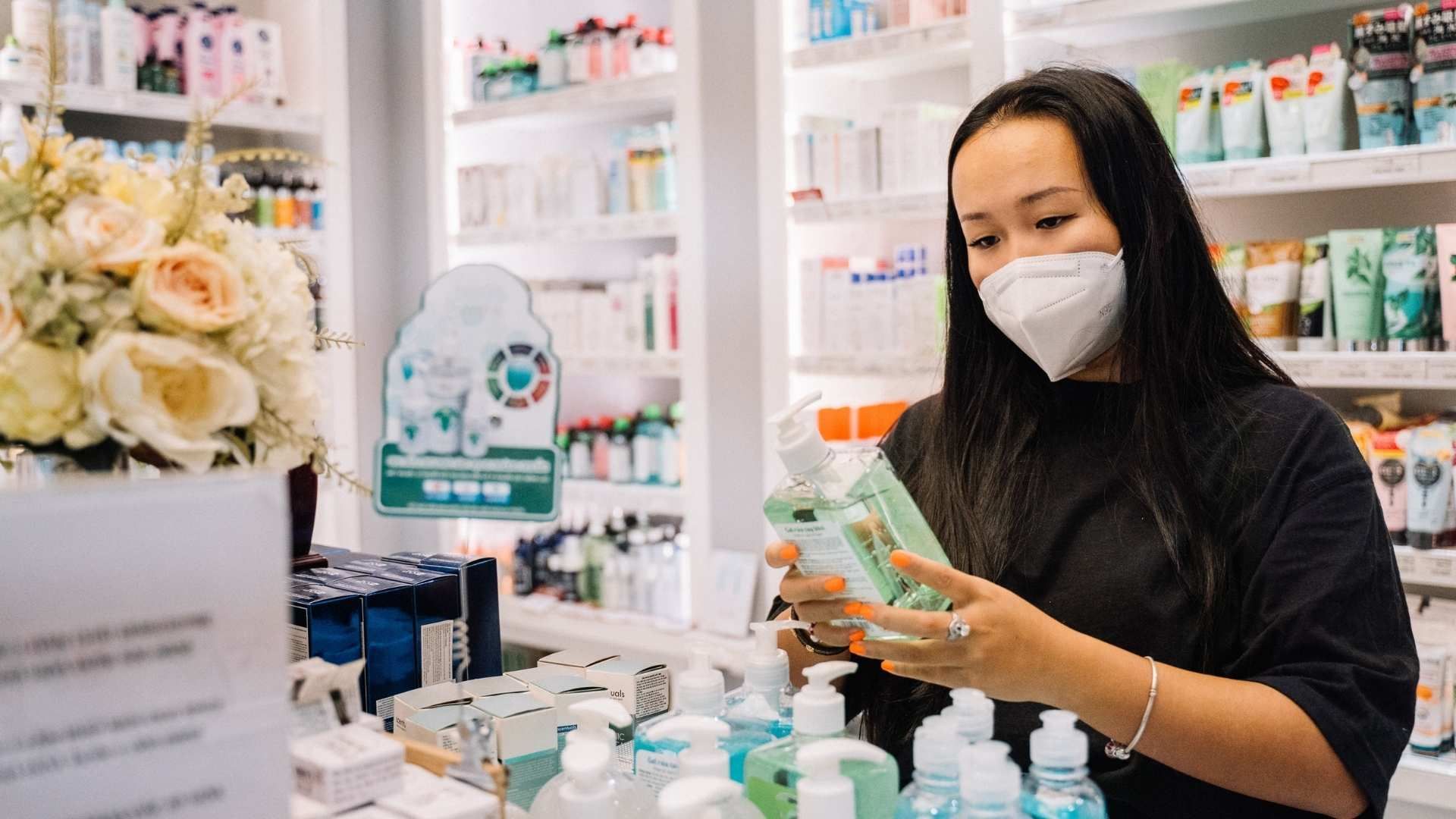
Compounded medications are a routine part of modern care, but unlike mass-manufactured drugs, each one is prepared individually, which means the standards behind its preparation carry real weight. For providers who order or refer for compounded therapies, a working understanding of those standards is the clearest way to judge whether a pharmacy is safe to trust. This overview covers the standards that govern sterile compounding and what they mean for the medications your patients receive. Why Standards Matter More in Compounding A commercially manufactured drug is produced under FDA oversight in large, validated batches. A compounded medication is prepared for an individual patient, often in small quantities, sometimes because no commercial equivalent exists. That flexibility is exactly why it's clinically valuable — and why the standards around preparation exist. Without rigorous controls, the same customization that helps patients could introduce contamination or error. Our guide to our sterile compounding pharmacy describes how those controls come together in practice. The Regulatory Landscape Sterile compounding sits within a layered framework: The United States Pharmacopeia (USP) publishes the general chapters, most importantly <797> and <800>, that define how compounded preparations should be made and handled. State boards of pharmacy license and inspect pharmacies, including where they're permitted to ship. Multi-state operations must maintain licensure in each state they serve. Accreditation bodies (ACHC, NABP, PCAB) provide independent verification that a pharmacy meets recognized standards. Together, these create the accountability structure behind every compounded dose. USP <797>: Sterile Preparations USP <797> is the cornerstone standard for compounded sterile preparations. It governs the conditions and practices required to keep a preparation free of contamination, including personnel training and garbing, ISO-classified air quality and engineering controls, environmental monitoring, and beyond-use dating. For any medication infused directly into the body, <797> compliance is the baseline expectation, not a premium feature. USP <800>: Hazardous Drugs USP <800> adds a containment layer for hazardous drugs, protecting personnel, patients, and the environment from unintended exposure. It specifies containment engineering controls, PPE, and validated handling procedures for drugs identified as hazardous. When a preparation is both sterile and hazardous, it must satisfy <797> and <800> together. For the details, see our breakdown of USP <800> requirements . Accreditation: Independent Verification Standards are only meaningful if someone checks that they're being met. Accreditation from ACHC, NABP, and PCAB means a pharmacy has been inspected against national benchmarks by an outside authority. For a provider, accreditation is a shortcut to confidence: it signals that the pharmacy's claims about its processes have been independently validated. The Quality-Control Process Behind the standards is a repeatable process that governs each preparation: Pharmacist review of the prescription for appropriateness, compatibility, and dosing Preparation by trained technicians under aseptic conditions In-process and final verification by a licensed pharmacist Sterility testing or filtration validation where required This chain is what turns a standard on paper into a safe medication in a patient's hands. What This Means When You Order When you refer a patient for a compounded therapy, you're effectively extending your own standard of care into another facility. Knowing that a pharmacy is USP-compliant, accredited, and pharmacist-led lets you refer with confidence that the medication will meet the same expectations you'd hold for anything you administer yourself. If you're weighing options, our guide on how to choose a compounding partner walks through the criteria. The Pharmko Standard Pharmko compounds every TPN, IDPN, and IPN preparation in a USP <797>-compliant, ISO Class 5 cleanroom, under ACHC, NABP, and PCAB accreditation, with a licensed pharmacist reviewing and releasing each formula. For the patients who receive our preparations, many of them managing End Stage Renal Disease (ESRD), that standard is the point. Refer a Patient → · [1 (877) 540-2003]
Physician evaluating a sterile compounding pharmacy partner
July 29, 2026
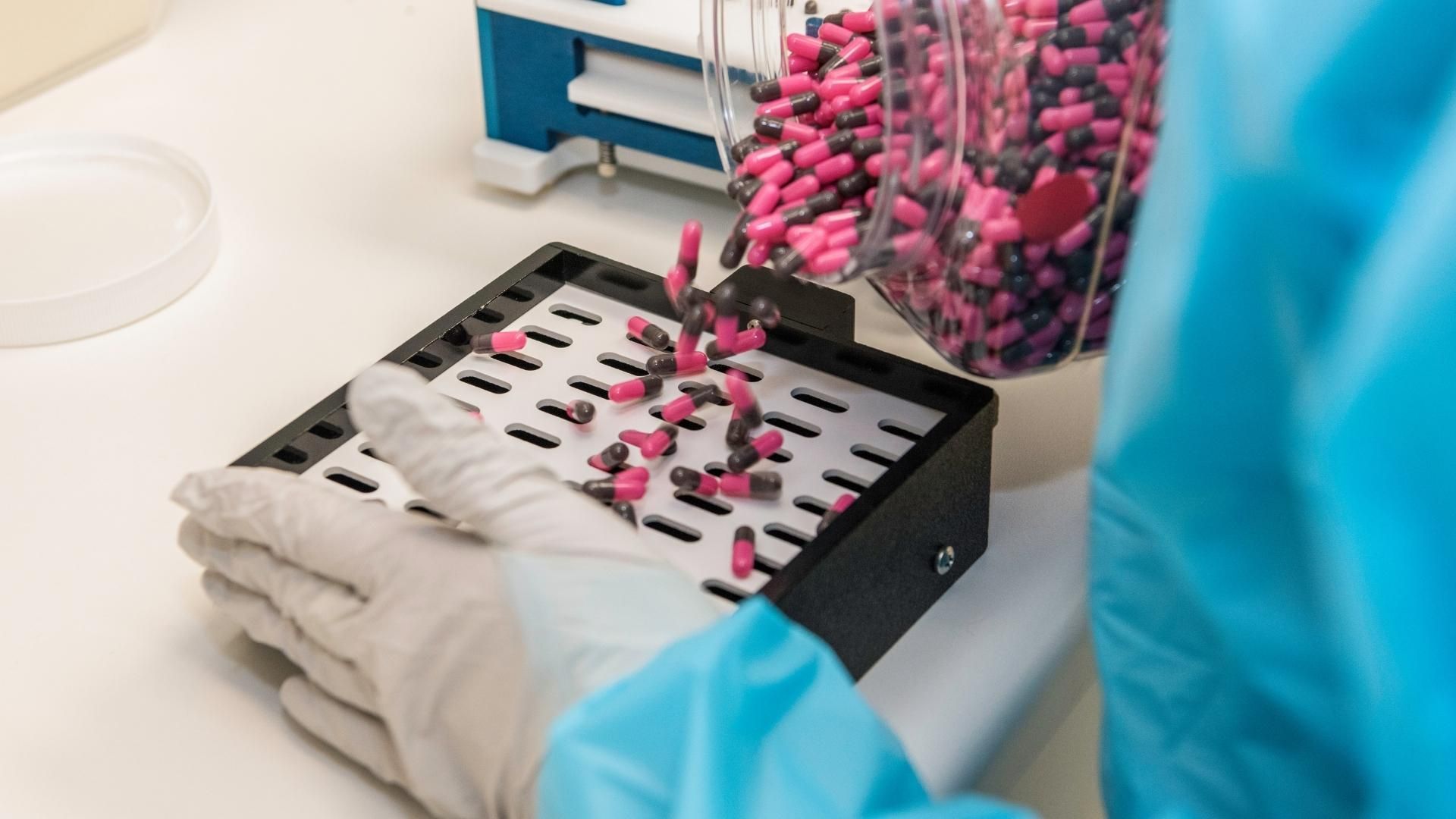
How to evaluate a sterile compounding pharmacy: accreditation, USP compliance, clinical support, turnaround, and the questions every practice should ask.
Sterile compounding pharmacy technician in PPE under a containment hood
July 29, 2026
A clear guide to USP 800 requirements: hazardous drug handling, containment, PPE, and the facility standards every sterile compounding pharmacy must meet.
Myasthenia Gravis and IVIG: What Patients Need to Know About IV Therapy
July 20, 2026
Learn how IVIG therapy works for myasthenia gravis, when it's used, what to expect during infusions, how home IVIG is coordinated, and how Pharmko supports MG patients and their neurologists.
Dobutamine and Inotrope Therapy at Home
July 17, 2026
Learn how home dobutamine infusion works for advanced heart failure, who qualifies, how continuous inotrope therapy is managed at home, and how Pharmko supports cardiac patients and heart failure teams.
CIDP and Home Infusion: IVIG Treatment, Dosing Schedule, and Long-Term Management
July 16, 2026
Learn how IVIG therapy works for CIDP, what the dosing schedule looks like, how to transition to home infusion, and how Pharmko supports long-term CIDP management across 22+ states.
Compounded IV Medications
July 15, 2026
Most medications that patients receive at a hospital or pharmacy come in standardized, commercially manufactured forms, a 500mg antibiotic vial, a pre-filled syringe, a fixed-concentration IV bag. These products work well for many patients. But a significant portion of patients receiving IV therapy have clinical needs that commercial products cannot meet: a dose the manufacturer doesn't make, a formulation incompatible with the patient's allergy profile, or a combination of nutrients that must be tailored to individual lab values. For these patients, compounded IV medications are not optional, they are clinically necessary. Pharmko's sterile compounding services prepare customized IV medications for patients across 22+ states, with every formulation reviewed by a licensed pharmacist and prepared in a USP <797> compliant cleanroom. What Makes an IV Medication 'Compounded'? A compounded medication is one that is prepared specifically for an individual patient by a licensed pharmacist, rather than manufactured in bulk by a pharmaceutical company. Compounding involves combining, mixing, or altering ingredients, active pharmaceutical ingredients, diluents, preservatives, to create a final preparation that meets the patient's unique prescription requirements. For IV therapy specifically, compounding means preparing a sterile preparation, one that is completely free of viable microorganisms and safe to inject or infuse directly into the bloodstream. This requires specialized facilities, equipment, training, and quality systems that go far beyond what a standard retail pharmacy can provide. Pharmko is exclusively a sterile compounding pharmacy. We do not compound oral medications, topical creams, or non-sterile preparations. Every product we make is intended for intravenous, intraperitoneal, or subcutaneous administration. When Are Compounded IV Medications Necessary? The required dose doesn't exist commercially Pharmaceutical manufacturers produce medications in standardized strengths and volumes based on average patient needs. Pediatric patients, patients with renal or hepatic impairment requiring dose adjustments, or patients whose weight or clinical status falls outside standard ranges may need concentrations or volumes that no commercial product provides. Compounding fills this gap precisely. The patient has an allergy to a commercial formulation's inactive ingredients Commercial IV products often contain preservatives, stabilizers, or diluents, sulfites, benzyl alcohol, certain dyes, that some patients cannot tolerate. A compounding pharmacy can prepare an equivalent formulation without the offending ingredient, allowing the patient to receive the therapy safely. The medication requires individualized nutrient formulation Total parenteral nutrition (TPN) is the clearest example: every TPN formula must be individually compounded because no commercial product can provide the precise combination of amino acids, dextrose, lipids, electrolytes, vitamins, and trace minerals a specific patient needs. The formula changes as the patient's labs, weight, and clinical status change, making standardization impossible. The commercial product is unavailable or in shortage Drug shortages are a persistent reality in the US pharmaceutical supply chain. When a commercially manufactured IV medication becomes unavailable, compounding pharmacies can often prepare an equivalent formulation from available active pharmaceutical ingredients, bridging the gap and maintaining continuity of therapy for patients who cannot wait. The therapy requires a custom delivery format Some IV medications require specific pH, osmolarity, or concentration adjustments for compatibility with a patient's IV access device or concurrent medications. A compounding pharmacist reviews compatibility and prepares formulations that are safe and stable for the specific administration route and equipment the patient is using. How Compounded IV Medications Are Made Step 1: Prescription review Every compounded IV medication begins with a valid prescription from a licensed prescriber. Pharmko's pharmacists review the prescription for clinical appropriateness, dosing accuracy, ingredient compatibility, and stability before compounding begins. Step 2: Ingredient sourcing and verification Active pharmaceutical ingredients for compounding must come from FDA-registered suppliers and meet USP monograph specifications. Each lot is verified for identity, potency, and purity before use. Step 3: Sterile preparation in a controlled environment Preparation occurs in an ISO Class 5 laminar airflow workbench or biological safety cabinet, located within a buffer room that meets ISO Class 7 air quality standards. Pharmacy technicians follow validated, written procedures for each preparation type, using aseptic technique to prevent contamination at every step. Step 4: Pharmacist verification and release A licensed pharmacist performs a final check of every preparation, verifying appearance, volume, labeling, and documentation, before the product is released. High-risk or complex preparations may undergo sterility testing with defined beyond-use dates based on test results. Step 5: Cold-chain delivery Most compounded IV medications require refrigeration. Pharmko uses validated cold-chain packaging and delivery logistics to ensure products arrive within their stability windows and remain temperature-controlled until the patient uses them. Quality Standards That Matter Not all compounding pharmacies operate at the same standard. The relevant quality benchmarks for sterile compounding are: USP <797> compliance, the national standard for sterile compounding environments, personnel, and processes. Our guide on USP <797> and USP <800> explains what compliance means in practice ACHC accreditation, independent third-party verification that Pharmko meets clinical quality standards for home infusion and sterile compounding State pharmacy board licensure, Pharmko is licensed in every state where we serve patients Environmental and personnel monitoring, documented air and surface sampling, personnel gowning competency assessments, and media fill testing at defined intervals For a foundational overview of what sterile compounding is and how it differs from retail pharmacy, see our guide on what is sterile compounding for IV therapy . → Contact Pharmko about compounded IV medications: 1-877-540-2003
home infusion therapy Pennsylvania
July 14, 2026
Pharmko provides home infusion therapy across Pennsylvania, IV antibiotics, IVIG, TPN, biologics, and specialty medications. Licensed, ACHC accredited, and available 24/7 statewide.
Show More