
How Home TPN Programs Improve Patient Quality of Life

August 22, 2025

Introduction to Home TPN and Quality of Life

Home Total Parenteral Nutrition (TPN) is a lifeline for many patients with severe gastrointestinal dysfunction, providing necessary nutrients when oral or enteral feeding is impossible. This medical advancement has significantly shifted the quality of life for those dependent on nutritional support, particularly as it allows patients to undertake treatment in the comfort of their homes. While the therapy offers numerous benefits, it also introduces challenges that patients and healthcare providers must navigate together. This article delves into how home TPN impacts patient quality of life, examining both its advantages and the hurdles it presents.

How Home TPN Functions and Its Beneficiaries

How does TPN work at home?

Total Parenteral Nutrition (TPN) provides a customized blend of nutrients directly into the bloodstream through a central venous catheter (CVC) for patients unable to consume enough food orally. This method is essential for individuals with severe gastrointestinal dysfunction, such as those suffering from short bowel syndrome or inflammatory bowel disease. TPN is typically infused overnight, lasting about 10 to 12 hours, allowing patients to maintain normal daily routines during the day.

During administration, maintaining sterility is paramount. Healthcare teams emphasize preparing TPN solutions in clean environments and verifying medication labels meticulously. Regular consultations with dietitians ensure that the nutritional components are tailored to individual patient needs, optimizing overall care and support.

What patients benefit from TPN?

Patients who benefit from TPN include:

  • Cancer Patients: Especially those unable to eat due to treatment effects.
  • Individuals with Short Bowel Syndrome: Where substantial parts of the intestine are absent or dysfunctional.
  • Patients with Gastrointestinal Conditions: Such as chronic intestinal obstruction or high-flow gastrointestinal fistulas.

Those on TPN require careful monitoring of their nutrition and health status, as it is not suitable for everyone. For instance, it's contraindicated in individuals who can tolerate oral feeding, maintain adequate nutritional status, or exhibit significant cardiac instability.

Role of supportive healthcare in TPN administration

Supportive healthcare is critical in the successful management of TPN. This includes:

  • Nutritional Support: Registered dietitians assess patient needs and adjust TPN compositions accordingly.
  • Regular Monitoring: Healthcare providers track patients closely for potential complications, ensuring prompt interventions when necessary.
  • Patient Education: Training patients on managing their therapy at home fosters independence while also ensuring adherence to procedures and hygiene, significantly contributing to improved quality of life.

The Life-Supporting Nature of Home TPN

Is TPN a form of life support?

Yes, total parenteral nutrition (TPN) can be considered a form of life support. It provides essential nutrients intravenously to patients whose gastrointestinal tracts are not functioning properly, which is critical for sustaining life.

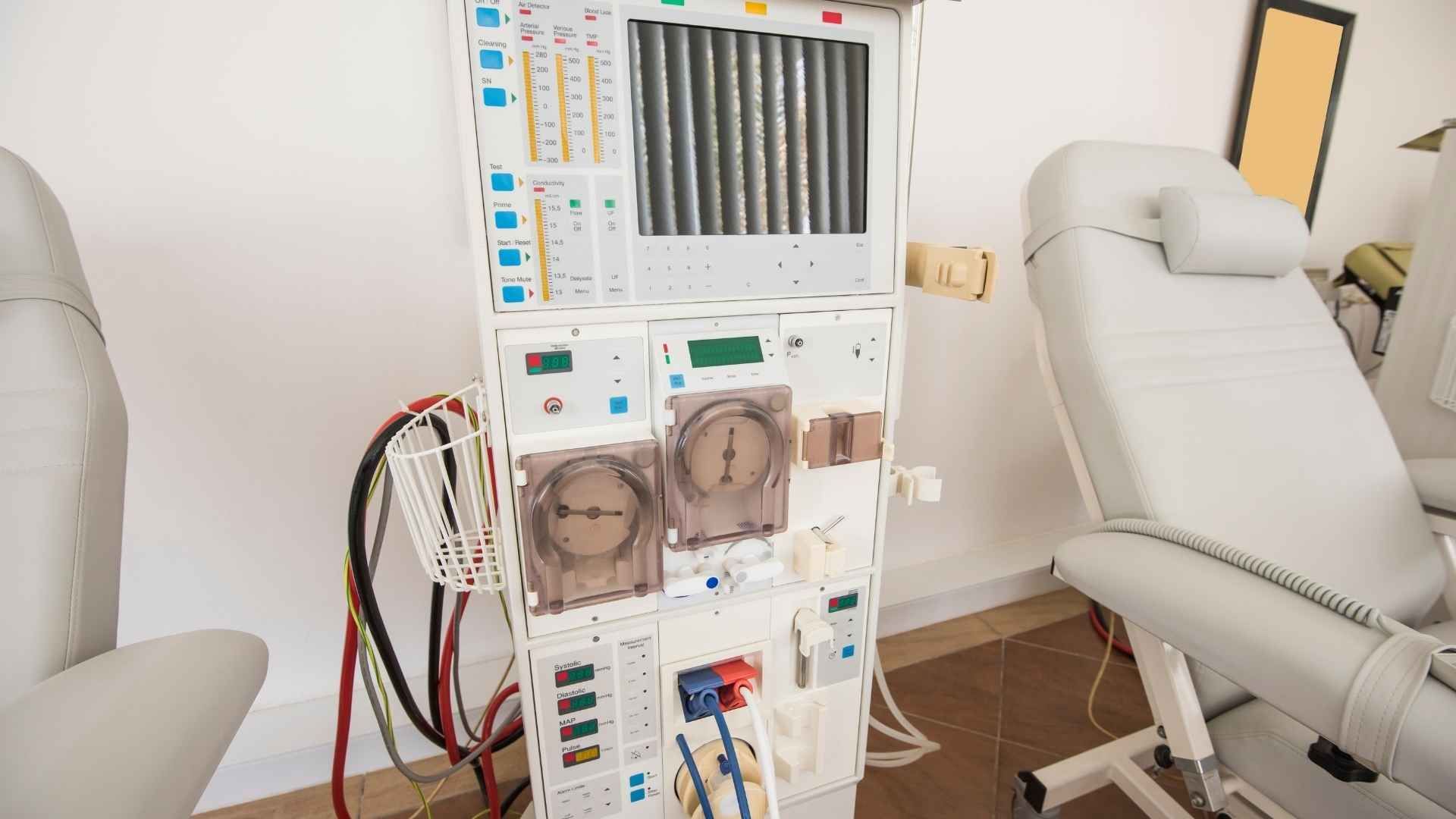
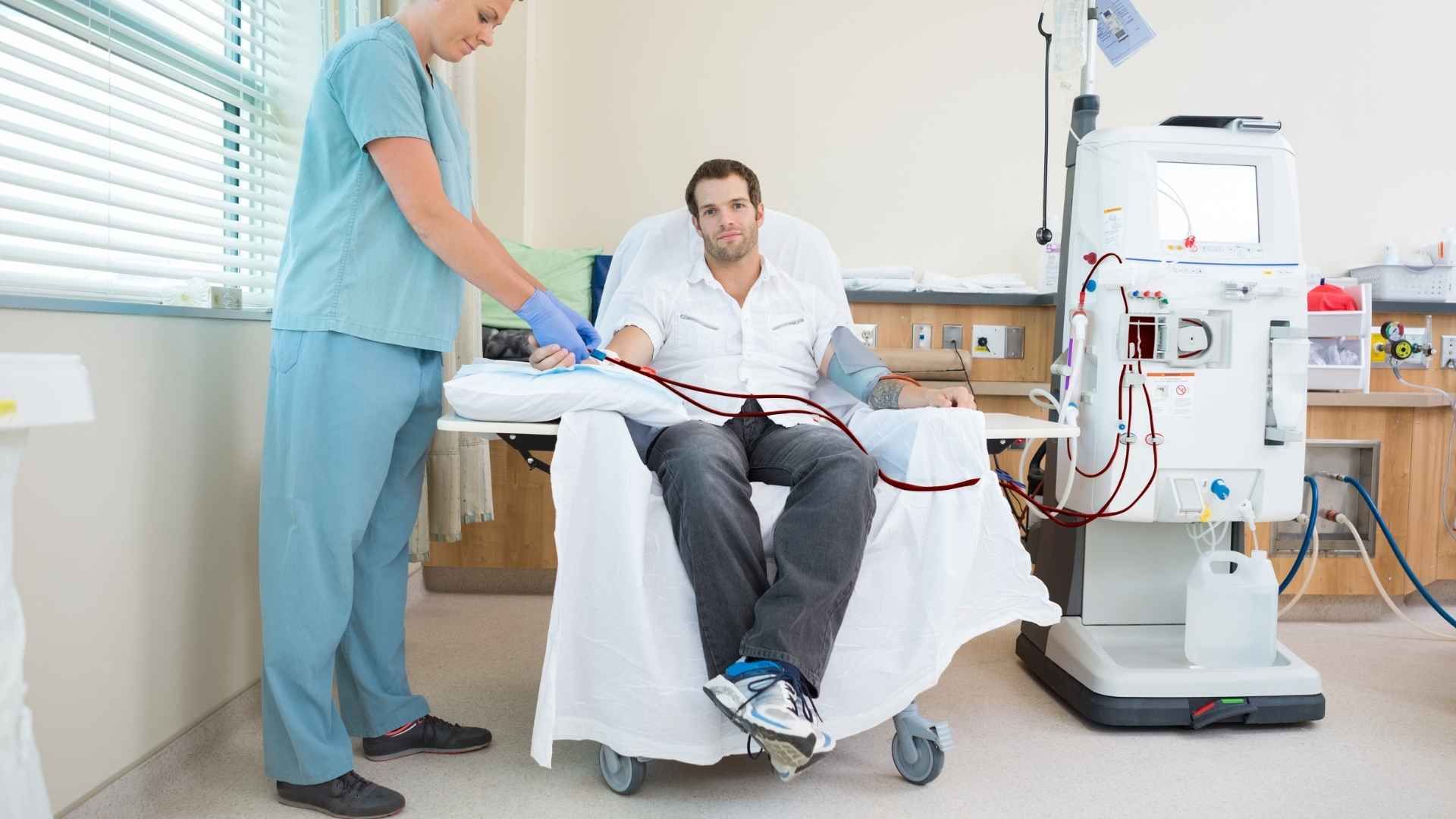
While TPN is not a machine or a device like mechanical ventilation or dialysis, it fulfills a vital role in maintaining health and supporting recovery, especially in patients unable to eat or absorb nutrients normally. Life support includes various interventions, and TPN is a significant artificial nutrition method to ensure patients remain stable until they can regain their health.

Thus, TPN aligns with the broader definition of life support, emphasizing its crucial role in sustaining life during medical recovery, particularly in patients with conditions like short bowel syndrome and inflammatory bowel disease.

Importance of TPN in healthcare

The integration of TPN into healthcare allows for effective management of patients with severe nutritional deficiencies. This therapy is essential for ensuring proper nutrition and electrolyte balance when traditional feeding is not possible.

For many individuals, especially those dealing with chronic illness or requiring long-term nutritional support, TPN can enhance overall well-being, helping patients maintain a more active lifestyle in familiar environments, which ultimately contributes to improved quality of life.

Patient Experiences and Quality of Life Improvements

Patient-reported outcomes on quality of life

Home parenteral nutrition (HPN) can significantly alter patients' experiences, as evidenced by a study of 70 patients receiving this therapy. Many reported negative impacts, such as a sense of dependency (70%), difficulty in traveling (53%), and impaired social life (36%). The transition to HPN brought about challenges that can overshadow the life-saving benefits of nutritional support.

Mental and physical health changes

Using the Optum® SF-36v2® Health Survey, researchers noted both mental and physical health components in these patients. The baseline mean scores were 45 for physical health and 57 for mental health. Over time, physical health scores demonstrated a trend toward improvement, while mental health remained stable, suggesting that although HPN can be burdensome, it provides some stability in mental well-being, particularly for those with malignancies where anxiety and depression scores showed marked improvement after one month of therapy.

Clinical outcomes and day-to-day life impact

Despite feeling burdensome, HPN optimally managed can foster an enhanced quality of life, especially through effective home-based approaches. These approaches allow patients to maintain a near-normal lifestyle, balancing essential nutritional needs with daily activities. The ability to manage treatment at home generally leads to better clinical outcomes, reducing hospital stays and ensuring patients receive continuous care for their unique nutritional needs.

Challenges Faced by Patients on Home TPN

What are the negative impacts of dependency on TPN?

Patients on home total parenteral nutrition (HPN) often experience significant feelings of dependency. A study involving 70 individuals receiving HPN revealed that 70% reported feeling dependent on this life-sustaining therapy. This dependency can weigh heavily on their psychological well-being and limit their perceived sense of autonomy.

How does TPN affect social and psychological well-being?

HPN creates barriers to social interaction and day-to-day activities. Over half of the surveyed patients (53%) found it difficult to travel or leave home, while 36% felt that their social lives were severely impaired. These social limitations can exacerbate feelings of isolation, leading to increased anxiety and depression, particularly in patients with underlying health issues.

What are the symptoms and complicating factors associated with home TPN?

Common symptoms reported by patients on HPN include diarrhea (43%), polyuria (40%), and nausea/emesis (39%). These symptoms not only affect patients’ physical health but also complicate the management of their therapy. The technical complexities of HPN administration can disrupt daily life and routines, further impacting social interactions and emotional well-being.

Impact Area Percentage Affected Key Issues
Feelings of Dependency 70% Emotional burden, loss of autonomy
Travel Difficulties 53% Limited mobility, increased anxiety
Impaired Social Life 36% Isolation, potential for depression
Common Symptoms - Diarrhea, polyuria, nausea/emesis

Overall, while home TPN can improve nutritional deficits for patients, it also presents challenges that must be carefully managed to enhance their quality of life.

The Role of Home Parenteral Nutrition Programs

What is the home parenteral nutrition program?

Home Parenteral Nutrition (HPN) programs provide essential nutritional support for patients who cannot consume or absorb adequate nutrients through a standard diet. These programs typically start in a hospital setting, allowing patients to transition to home care with personalized nutrient solutions delivered directly into the bloodstream via a catheter.

For example, the BC Home Parenteral and Enteral Nutrition (BC HPEN) Program supports both parenteral and enteral nutrition. Enteral therapy involves tube feeding directly into the stomach or intestines for patients unable to maintain weight through oral intake. Patients receive extensive education about managing their therapy and equipment. A prescription from a qualified physician is required to initiate this therapy.

Organizations like Providence provide a range of enteral formulas and 24/7 access to care teams, following guidelines from the American Society for Parenteral and Enteral Nutrition (ASPEN) to ensure quality and safety.

What long-term management strategies are utilized in HPN?

Long-term management of HPN includes regular follow-ups and interactions with healthcare providers to assess nutritional status. Adjustments to the TPN formulation are made as necessary to meet the evolving needs of patients. This consistent healthcare engagement helps to monitor complications, manage medications, and ensure patient education remains up-to-date. Such dynamic interactions are crucial for improving clinical outcomes and patient safety.

How do HPN programs potentially improve lifestyle?

HPN programs can significantly enhance the quality of life for patients. By allowing treatment at home, patients experience less disruption to their daily routines. They can engage in social activities and maintain work schedules, reducing feelings of dependency. Home-based therapy often alleviates stress and anxiety related to hospital stays, fostering emotional well-being and independence.

In summary, structured programs for home parenteral nutrition not only facilitate the effective management of complex nutritional needs but also enable patients to lead more fulfilling lives, promoting better mental and social health.

Conclusion: Navigating Quality of Life with Home TPN

While home Total Parenteral Nutrition dramatically enhances the quality of life for patients who cannot sustain adequate nutrition orally, it requires a significant adjustment period. Patients must learn to manage both the physical and psychological challenges that come with dependency on an intravenous nutrition regimen. Despite the hurdles, the increased quality of life, sustained health, and sense of normalcy gained from home-based TPN are invaluable. As research continues to expand, new strategies and technologies will hopefully streamline this life-supporting therapy, further ameliorating patient experiences and outcomes.

References

How to Choose a Home Infusion Pharmacy
June 26, 2026
Not all home infusion pharmacies are equal. Learn the 7 key questions to ask before choosing a specialty pharmacy, accreditation, clinical support, state licensing, and more.
Home Infusion for Lupus: Benlysta and Biologic Therapy Options for SLE
June 25, 2026
Learn how home infusion therapy works for lupus (SLE), including Benlysta (belimumab) and other IV biologics, who qualifies for home treatment, and how Pharmko supports ongoing lupus care across 22+ states.
IPN Therapy for Peritoneal Dialysis Patients
June 25, 2026
Learn how intraperitoneal nutrition (IPN) works for malnourished peritoneal dialysis patients, who qualifies, how amino acids are delivered during PD exchanges, and how Pharmko coordinates IPN therapy.
Home Infusion Therapy in New York
June 17, 2026
Pharmko is based in New York and provides home infusion therapy statewide — IV antibiotics, IVIG, TPN, IDPN, and specialty medications. Licensed, ACHC accredited, and available 24/7.
Home Infusion for Osteomyelitis
June 15, 2026
Osteomyelitis requires weeks of IV antibiotics that can often be completed at home. Learn who qualifies for OPAT, what the treatment timeline looks like, and how Pharmko supports bone infection recovery.
What Is a PICC Line
June 15, 2026
Learn what a PICC line is, how it's inserted, how to care for it at home, and why it's the most common IV access device for home infusion therapy. Pharmko nurses provide full PICC line training.
IV Iron Infusion at Home: Feraheme, Injectafer, and Iron Deficiency Anemia Treatment
June 12, 2026
Learn how IV iron infusion works at home — which products are used, who qualifies, what to expect during treatment, and how Pharmko delivers iron infusion therapy across 22+ states.
Home Infusion for Multiple Sclerosis
June 11, 2026
Learn how home infusion therapy works for multiple sclerosis, including Ocrevus and Tysabri, who qualifies for home-based MS infusions, what to expect, and how Pharmko coordinates care.
TPN at Home: Who Qualifies, How It Works, and What to Expect
June 11, 2026
Learn how total parenteral nutrition (TPN) at home works — who qualifies, how it's delivered, what daily life looks like, and how Pharmko supports patients from first dose through long-term therapy.
Low Albumin in Dialysis Patients
June 3, 2026
Low albumin is a key marker of malnutrition in dialysis patients. Learn what causes albumin decline, when IDPN is indicated, and how Pharmko supports renal nutrition across 22+ states.
Show More