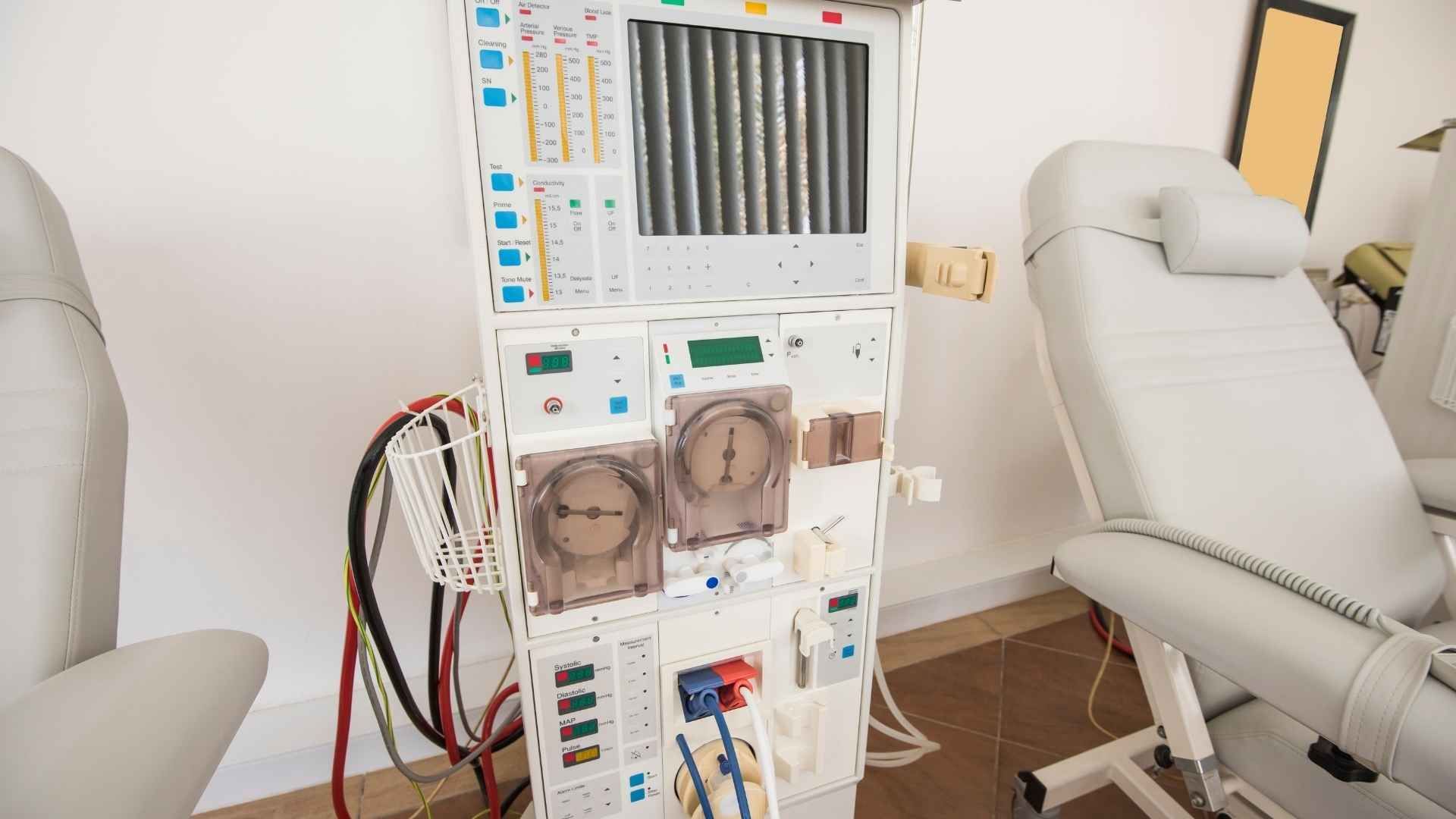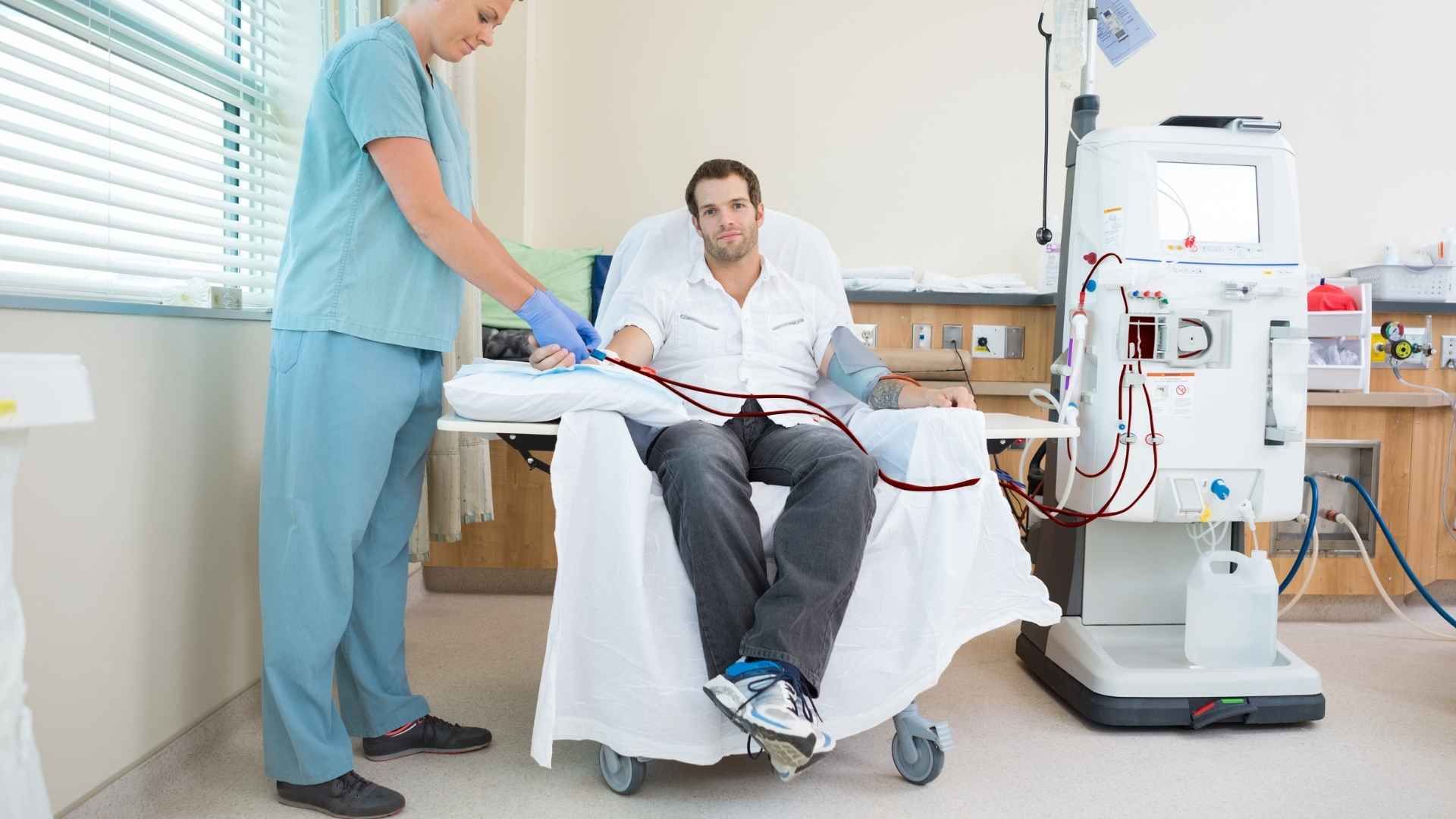

Pharmko's unique infusion pumps

September 3, 2025

Innovative Safety and Precision in Modern Medical Infusion Devices

In recent years, the landscape of infusion therapy has seen significant technological advances aimed at improving safety, accuracy, and usability. Among the leaders in this field are Pharmko's infusion pumps, renowned for their unique features, robust safety mechanisms, and technological innovations that set them apart in healthcare settings. This article explores the key features, technical capabilities, safety compliance, and the technological edge that make Pharmko’s infusion pumps a vital component of modern patient care.

Core Features and Technological Innovations of Pharmko Infusion Pumps

What are the key features of Pharmko's infusion pumps?

Pharmko's infusion pumps are designed to provide high-precision,, safe and flexible fluid delivery across diverse medical settings. They incorporate advanced technological features that ensure accurate dosing and patient safety. These pumps include user-friendly interfaces with customizable options, making it easier for healthcare professionals to tailor therapy according to individual needs.

Safety is prioritized through alarms that detect occlusions and pressure issues, preventing error and potential harm. Many models come equipped with smart capabilities such as drug libraries, auto-programming, barcode scanning, and wireless integration with electronic health records (EHR). These features help streamline workflow, minimize manual input errors, and improve safety.

Some models support multi-channel delivery, enabling the simultaneous infusion of multiple medications at different rates. They are available in both stationary and portable formats, providing flexibility for use in hospitals, outpatient clinics, and home care.

Overall, Pharmko’s infusion systems blend innovation with usability and safety, supporting complex clinical protocols and improving patient outcomes.

What are the technical specifications and capabilities of Pharmko's infusion pumps?

Pharmko's infusion pumps are highly engineered devices capable of precise drug delivery in adult and pediatric care. Typical flow rate ranges from 0.1 mL/hr up to 3600 mL/hr, allowing for both small-volume infusions and large-volume therapies with accuracy.

Many models feature programmable drug dose calculators, enabling clinicians to set precise doses based on patient-specific parameters and physician orders. Safety mechanisms, such as the KeyGuard™ keypad, prevent accidental misprogramming.

Drug library management is extensive, with capacity for up to 1,200 medications and customizable limits that help reduce dosing errors.

Connectivity-wise, these pumps support wireless features for seamless EHR integration, enabling real-time data exchange and device tracking. Mobility is another crucial aspect, as they are designed to be lightweight and portable, suitable for use in MRI environments or ambulance transports.

Enhanced systems like Spectrum IQ build upon basic technology, adding barcode scanning, dose alerts, and comprehensive device tracking to improve operational accuracy and support billing procedures.

What benefits do Pharmko's infusion pumps offer in medical settings?

The primary advantage of Pharmko's infusion pumps is their ability to deliver medications and nutrients with high precision, directly improving treatment safety and efficiency. Their intelligent safety features, including error reduction systems and drug libraries, mitigate risks associated with manual programming errors and adverse drug interactions.

By integrating alerts and safety checks, these pumps support safer infusion practices, particularly critical in complex therapies or critical care settings.

Their compatibility with EHR systems allows for efficient documentation, reducing manual errors and ensuring correct medication administration.

Additionally, their portability and versatility enable use in various environments—from hospitals to outpatient clinics and at home—enhancing patient mobility and independence.

While these advanced features considerably improve safety, proper staff training and vigilant operation are essential to realize their full benefits and prevent potential errors.

Are Pharmko's infusion pumps compliant with safety, regulatory, and FDA guidelines?

Pharmko’s infusion pumps are engineered to meet rigorous safety, quality, and regulatory standards, including those outlined by the FDA. They incorporate features like dose error reduction systems (DERS), extensive drug libraries, and real-time alerts, which align with national safety benchmarks.

Over the past decade and a half, the majority of U.S. hospitals have adopted smart infusion pumps with DERS functionality, reflecting broad compliance with FDA and other regulatory authorities.

Ongoing monitoring, staff training, and maintenance are integral to their safe use, mitigating risks associated with technical failures or human errors. These practices are essential to ensure continuous regulatory compliance and patient safety.

While adherence to standards is high, the complexity of infusion therapy requires continuous oversight and quality improvement efforts to address emerging safety challenges.

Aspect Details Additional Insights
Technology Advanced precision, smart features, multi-channel Supports complex therapies, reduces errors
Safety Features Drug libraries, alarms, error detection Prevents medication errors and adverse events
Connectivity Wireless EHR integration, device management Enhances workflow and documentation
Models Stationary, portable, multi-therapy Adaptability for diverse clinical environments
Compliance Meets FDA and safety regulations Ongoing staff training and maintenance necessary

This overview demonstrates how Pharmko’s infusion technology leverages innovation to improve safety and efficiency in infusion therapy, emphasizing continuous improvement and compliance.

Safety and Reliability: Regulatory Standards and Testing in Infusion Pump Technology

Are there safety concerns, recalls, or tests related to Pharmko's infusion pumps?

The landscape of infusion pump safety has faced several challenges over the years. Industry-wide issues include recalls and safety concerns due to device malfunctions or design flaws. For instance, B.Braun's Infusomat systems experienced problems with their occlusion alarms, which are critical for detecting blockages during infusion. Similarly, Fresenius Kabi had to recall certain Ivenix infusion sets because of defect risks that could potentially cause harm.

These incidents underscore the importance of rigorous testing and continuous monitoring of infusion devices. Notably, Becton Dickinson (BD) and Smiths Medical issued Class I recalls — the most serious category — due to problems such as software defects and incompatible syringe use, which have been associated with injuries or fatalities. More recently, InfuTronix recalled its Nimbus Ambulatory Infusion Pump System after nearly 3,700 complaints about malfunctions and safety issues.

These safety events highlight the ongoing risks in infusion therapy technology. They emphasize the necessity for strict regulatory oversight, prompt recall actions when issues arise, and robust testing procedures before devices reach clinical settings. Ensuring device reliability is crucial to protecting patient health and maintaining trust in infusion therapy systems.

How do Pharmko's infusion pumps adhere to safety standards?

Pharmko's infusion pumps are designed with safety at their core, aligning closely with regulatory frameworks such as those set by the FDA. They incorporate numerous features aimed at reducing errors and enhancing reliability. These include dose error reduction systems that alert users to potential mistakes, and alarms for conditions like incompatible drug administration or occlusions, which are important to prevent adverse events.

The construction of Pharmko devices emphasizes durability and resilience, designed to function reliably in busy clinical environments. Ongoing compliance is maintained through regular updates, safety safeguards, and continuous quality improvement programs.

Moreover, Pharmko advocates for staff training and thorough testing as integral parts of safe infusion therapy. They participate in continuous monitoring and evaluation processes, responding swiftly to any safety issues that might be identified post-market.

While no device is entirely free of risks, Pharmko’s unwavering commitment to high manufacturing standards and adherence to FDA guidelines helps ensure their pumps support safe, accurate, and effective infusion therapies.

Safety features like occlusion detection and alarms

Modern infusion systems are equipped with smart safety features such as occlusion detection, which monitors pressure changes within the infusion line to detect blockages early. Alarms alert clinical staff immediately if an abnormal situation occurs, allowing prompt intervention.

This technology not only enhances patient safety but also improves workflow efficiency by reducing the need for manual checks and decreasing interruption time during infusions.

Recalls and testing procedures for infusion pumps

Recalls are a critical aspect of maintaining safe infusion pump use. When a defect is identified — whether in software, hardware, or accessories — manufacturers quickly initiate recall procedures to prevent harm.

Before they are deployed, infusion pumps undergo rigorous testing, including performance validation, safety checks, and certifications to ensure compliance with national and international safety standards. Continual post-market surveillance helps identify hidden issues that might only surface during widespread clinical use.

Ongoing monitoring and staff training essentials

Health facilities must prioritize ongoing staff training on infusion pump operation and safety protocols. Proper education on device features, alarms, and error management reduces misuse and enhances patient outcomes.

Furthermore, regular maintenance, updates, and adherence to recommended testing schedules safeguard device functionality and safety. An integrated approach combining technology, staff preparedness, and regulatory compliance is vital for optimizing infusion therapy and minimizing risks.

Comparison with Other Infusion Pump Brands: Positioning Pharmko in the Market

How do Pharmko's infusion pumps compare with other brands or products?

Pharmko’s infusion pumps are recognized for their strong balance of reliability and cost-efficiency. They incorporate advanced safety features, such as alarms and error detection systems, which help prevent medication administration mistakes and improve patient safety. These pumps are designed with user-friendliness in mind, offering intuitive interfaces that facilitate smooth operation by healthcare professionals.

When compared to other leading brands, Pharmko pumps often stand out for their customization options and consistent performance. While some competitors excel in specific areas—like longer battery life or seamless integration with electronic health records (EHRs)—Pharmko emphasizes adaptability and comprehensive safety features.

The selection of an infusion pump depends heavily on the clinical setting, specific medical needs, and organizational budgets. Overall, Pharmko provides a competitive solution that meets diverse healthcare requirements, making them a preferred choice for facilities seeking reliable yet affordable infusion technology.

What are the technological strengths that differentiate Pharmko from competitors?

Pharmko has invested in innovative technology to differentiate its infusion pumps from rivals. Notable features include wireless connectivity, which allows real-time data transmission and remote monitoring. Their extensive drug libraries enable auto-programming, reducing setup errors and streamlining workflow.

Safety remains a primary focus, with alert systems designed to notify users of incompatible drugs or potential errors before they reach the patient. Many Pharmko pumps also support EHR integration, facilitating seamless documentation and medication management.

Durability and flexibility are also addressed through rugged designs and portable models suitable for various clinical environments. These technological strengths position Pharmko as a forward-thinking leader capable of meeting the evolving needs of healthcare providers.

How do safety features compare with other brands?

While brands like ICU Medical and Moog Medical also emphasize safety—for example, ICU Medical’s sterile cassette technology and advanced documentation—Pharmko integrates comprehensive safety alarms, error alerts, and compatibility checks into their systems.

Pharmko’s approach focuses on prevention and ease of use, minimizing the risk of dose errors and infusion mishaps. Additionally, their pumps often include features like automatic error detection and alerts for incompatible medications, aligning with industry standards and sometimes exceeding expectations for safety.

What does market positioning say about customer preferences?

Pharmko’s market position is strengthened by its reputation for affordability coupled with reliable performance and safety. Healthcare providers value the balance between cost and technology, especially for high-volume settings where efficiency and safety are paramount.

Customer preferences tend to favor devices that combine ease of operation, robust safety measures, and integration capabilities. Pharmko’s focus on these aspects helps it to compete effectively against industry giants, appealing particularly to value-conscious facilities seeking dependable infusion solutions.

Below is a comparative overview highlighting these aspects across leading brands:

Feature Pharmko ICU Medical Moog Medical
Reliability & Cost High reliability, cost-effective High accuracy, premium pricing Durable and dependable, mid-range
Safety Features Alarms, error detection, alerts Sterile cassette tech, accurate infusion Safety alarms, error monitoring
Customization & Performance Extensive, adaptive options Precise documentation, predictable performance Multi-therapy support, user-friendly
Technological Edge Wireless, drug libraries, auto-programming EHR interoperability, advanced analytics Advanced safety, long battery life
Market Positioning Value-focused, versatile Premium, specialized applications Industry veteran, comprehensive solutions

This comparison underscores how each brand leverages different strengths to meet the demands of diverse clinical scenarios. Pharmko’s focus on affordability without compromising safety and performance makes it a strong contender in the competitive infusion pump market.

Ensuring Safer and Smarter Infusion Therapy

Pharmko’s infusion pumps exemplify the integration of advanced technology, safety, and user-centric design, fostering confidence in infusion therapy across healthcare settings. Their commitment to regulatory compliance, innovative features, and continuous improvement underscores their role in improving patient outcomes. As healthcare demands evolve, Pharmko’s infusion pumps are poised to remain at the forefront, offering reliable, precise, and safe solutions that support clinicians worldwide.

References

Dobutamine and Inotrope Therapy at Home
July 17, 2026
Learn how home dobutamine infusion works for advanced heart failure, who qualifies, how continuous inotrope therapy is managed at home, and how Pharmko supports cardiac patients and heart failure teams.
CIDP and Home Infusion: IVIG Treatment, Dosing Schedule, and Long-Term Management
July 16, 2026
Learn how IVIG therapy works for CIDP, what the dosing schedule looks like, how to transition to home infusion, and how Pharmko supports long-term CIDP management across 22+ states.
Compounded IV Medications
July 15, 2026
Most medications that patients receive at a hospital or pharmacy come in standardized, commercially manufactured forms, a 500mg antibiotic vial, a pre-filled syringe, a fixed-concentration IV bag. These products work well for many patients. But a significant portion of patients receiving IV therapy have clinical needs that commercial products cannot meet: a dose the manufacturer doesn't make, a formulation incompatible with the patient's allergy profile, or a combination of nutrients that must be tailored to individual lab values. For these patients, compounded IV medications are not optional, they are clinically necessary. Pharmko's sterile compounding services prepare customized IV medications for patients across 22+ states, with every formulation reviewed by a licensed pharmacist and prepared in a USP <797> compliant cleanroom. What Makes an IV Medication 'Compounded'? A compounded medication is one that is prepared specifically for an individual patient by a licensed pharmacist, rather than manufactured in bulk by a pharmaceutical company. Compounding involves combining, mixing, or altering ingredients, active pharmaceutical ingredients, diluents, preservatives, to create a final preparation that meets the patient's unique prescription requirements. For IV therapy specifically, compounding means preparing a sterile preparation, one that is completely free of viable microorganisms and safe to inject or infuse directly into the bloodstream. This requires specialized facilities, equipment, training, and quality systems that go far beyond what a standard retail pharmacy can provide. Pharmko is exclusively a sterile compounding pharmacy. We do not compound oral medications, topical creams, or non-sterile preparations. Every product we make is intended for intravenous, intraperitoneal, or subcutaneous administration. When Are Compounded IV Medications Necessary? The required dose doesn't exist commercially Pharmaceutical manufacturers produce medications in standardized strengths and volumes based on average patient needs. Pediatric patients, patients with renal or hepatic impairment requiring dose adjustments, or patients whose weight or clinical status falls outside standard ranges may need concentrations or volumes that no commercial product provides. Compounding fills this gap precisely. The patient has an allergy to a commercial formulation's inactive ingredients Commercial IV products often contain preservatives, stabilizers, or diluents, sulfites, benzyl alcohol, certain dyes, that some patients cannot tolerate. A compounding pharmacy can prepare an equivalent formulation without the offending ingredient, allowing the patient to receive the therapy safely. The medication requires individualized nutrient formulation Total parenteral nutrition (TPN) is the clearest example: every TPN formula must be individually compounded because no commercial product can provide the precise combination of amino acids, dextrose, lipids, electrolytes, vitamins, and trace minerals a specific patient needs. The formula changes as the patient's labs, weight, and clinical status change, making standardization impossible. The commercial product is unavailable or in shortage Drug shortages are a persistent reality in the US pharmaceutical supply chain. When a commercially manufactured IV medication becomes unavailable, compounding pharmacies can often prepare an equivalent formulation from available active pharmaceutical ingredients, bridging the gap and maintaining continuity of therapy for patients who cannot wait. The therapy requires a custom delivery format Some IV medications require specific pH, osmolarity, or concentration adjustments for compatibility with a patient's IV access device or concurrent medications. A compounding pharmacist reviews compatibility and prepares formulations that are safe and stable for the specific administration route and equipment the patient is using. How Compounded IV Medications Are Made Step 1: Prescription review Every compounded IV medication begins with a valid prescription from a licensed prescriber. Pharmko's pharmacists review the prescription for clinical appropriateness, dosing accuracy, ingredient compatibility, and stability before compounding begins. Step 2: Ingredient sourcing and verification Active pharmaceutical ingredients for compounding must come from FDA-registered suppliers and meet USP monograph specifications. Each lot is verified for identity, potency, and purity before use. Step 3: Sterile preparation in a controlled environment Preparation occurs in an ISO Class 5 laminar airflow workbench or biological safety cabinet, located within a buffer room that meets ISO Class 7 air quality standards. Pharmacy technicians follow validated, written procedures for each preparation type, using aseptic technique to prevent contamination at every step. Step 4: Pharmacist verification and release A licensed pharmacist performs a final check of every preparation, verifying appearance, volume, labeling, and documentation, before the product is released. High-risk or complex preparations may undergo sterility testing with defined beyond-use dates based on test results. Step 5: Cold-chain delivery Most compounded IV medications require refrigeration. Pharmko uses validated cold-chain packaging and delivery logistics to ensure products arrive within their stability windows and remain temperature-controlled until the patient uses them. Quality Standards That Matter Not all compounding pharmacies operate at the same standard. The relevant quality benchmarks for sterile compounding are: USP <797> compliance, the national standard for sterile compounding environments, personnel, and processes. Our guide on USP <797> and USP <800> explains what compliance means in practice ACHC accreditation, independent third-party verification that Pharmko meets clinical quality standards for home infusion and sterile compounding State pharmacy board licensure, Pharmko is licensed in every state where we serve patients Environmental and personnel monitoring, documented air and surface sampling, personnel gowning competency assessments, and media fill testing at defined intervals For a foundational overview of what sterile compounding is and how it differs from retail pharmacy, see our guide on what is sterile compounding for IV therapy . → Contact Pharmko about compounded IV medications: 1-877-540-2003
home infusion therapy Pennsylvania
July 14, 2026
Pharmko provides home infusion therapy across Pennsylvania, IV antibiotics, IVIG, TPN, biologics, and specialty medications. Licensed, ACHC accredited, and available 24/7 statewide.
Home Infusion Therapy in New Jersey
July 14, 2026
Pharmko provides home infusion therapy across New Jersey, IV antibiotics, IVIG, TPN, IDPN, biologics, and more. Licensed, ACHC accredited, and available 24/7 statewide.
Renal dietitian reviewing albumin labs for a peritoneal dialysis patient
July 10, 2026
When to consider IPN for peritoneal dialysis patients with low albumin: clinical criteria, the stepwise nutrition approach, and the referral process.
Nephrologist reviewing dialysis nutrition options for an ESRD patient
July 10, 2026
IPN vs. IDPN explained: how each parenteral nutrition therapy works, who qualifies, and how to choose the right option for ESRD dialysis patients.
How Home Infusion Reduces Hospital Readmissions
July 10, 2026
Home infusion therapy is associated with lower hospital readmission rates, fewer complications, and significant cost savings. Review the clinical evidence and learn how Pharmko supports discharge planning teams.
Primary Immune Deficiency and IVIG: A Guide for Newly Diagnosed Patients
July 8, 2026
Newly diagnosed with primary immune deficiency? Learn how IVIG therapy works, what to expect from your first infusions, how home IVIG is coordinated, and how Pharmko supports PID patients long-term.
Why They Matter and How Pharmko Customizes Your Formula
July 8, 2026
Trace minerals are essential components of every TPN formula. Learn what trace elements are included in parenteral nutrition, why each matters clinically, and how Pharmko pharmacists individualize your formula.
Show More