
Role of nursing in home IV therapy

September 3, 2025

Understanding Home IV Therapy

Home intravenous (IV) therapy offers patients the advantage of receiving important medical treatments in the comfort of their own home. This approach is especially beneficial for those requiring ongoing medications or wellness therapies. A crucial contributor to the success of home IV therapy is the nursing professionals who bring their skills and expertise directly to patients, ensuring top-tier health care outside traditional hospital settings. This article delves into the multifaceted role nurses play in home IV therapy, examining their responsibilities, the challenges they face, and the pathways open to them in this dynamic field.

Core Responsibilities of Home IV Therapy Nurses

What are the primary responsibilities of nurses in home intravenous (IV) therapy?

Nurses in home intravenous (IV) therapy carry out vital responsibilities that ensure patient safety and effective treatment. Their primary duties include:

  • Patient Assessment: Home IV nurses begin by assessing the patient’s condition to determine the appropriate course of treatment. This evaluation helps in identifying any immediate medical needs or complications.
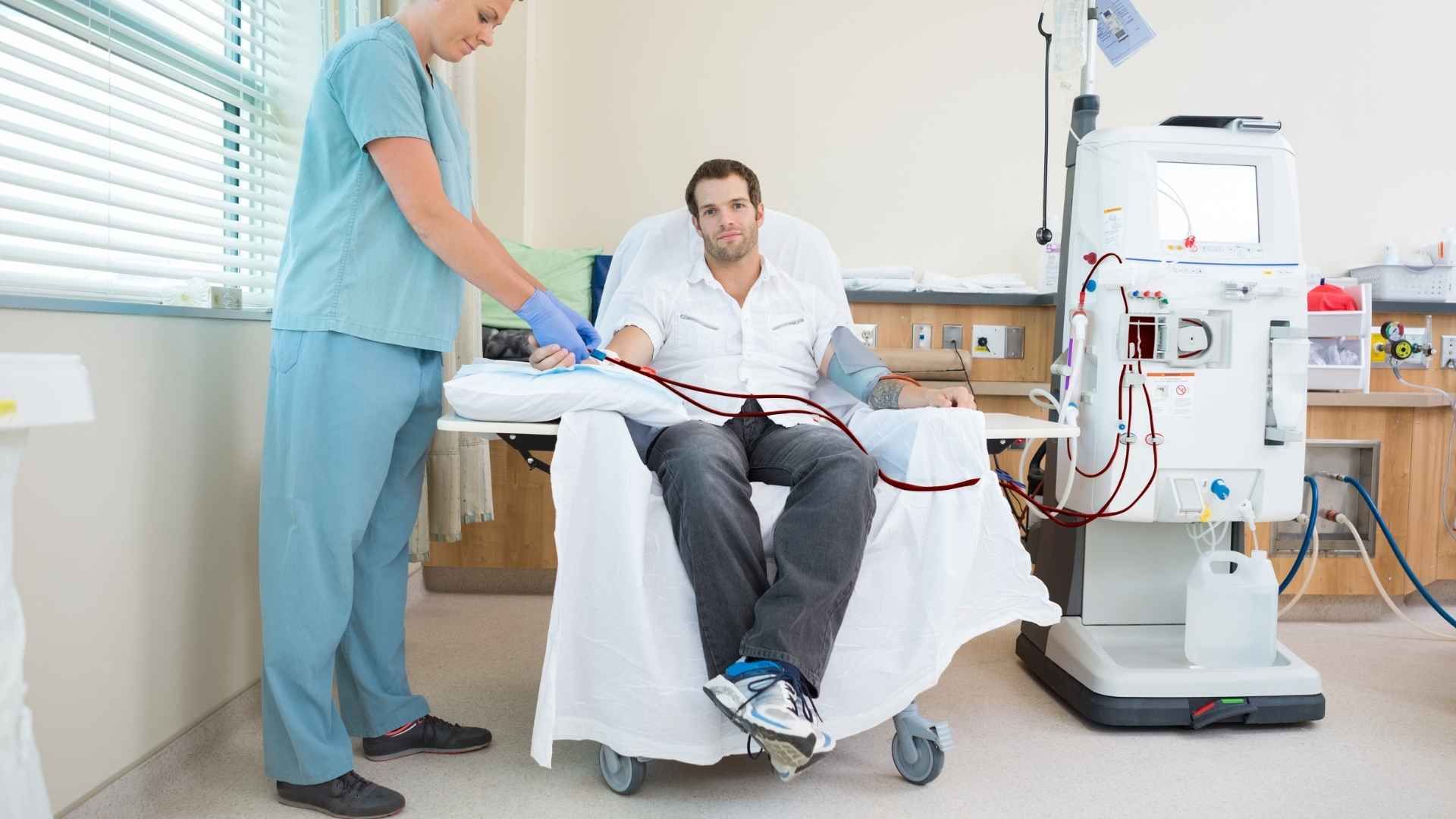
  • Initiating Venipuncture: Once the assessment is complete, they perform venipuncture to establish IV access. This step is critical as the success of the therapy relies heavily on the nurse's skill in inserting an IV line correctly.
  • Medication Preparation and Administration: Nurses prepare and administer medications as prescribed. This requires precision and adherence to established protocols to avoid errors.
  • Monitoring During and After Infusions: Continuous monitoring of the patient's vital signs and response to the infusion is essential. Nurses watch for adverse reactions and are prepared to act quickly should complications arise.
  • Patient and Family Education: A crucial aspect of their role is educating the patient and caregivers about the treatment process. This education fosters understanding and promotes the patient’s ability to manage their recovery effectively at home.

Through these responsibilities, home IV nurses build strong relationships with patients, enhancing both satisfaction and quality of life while receiving care in their own environment.

Importance of Monitoring and Education

In addition to these core duties, home IV nurses play a pivotal role in monitoring patient responses to treatment. By tracking progress and educating patients about potential side effects, they significantly reduce the risks associated with home infusion therapies. This dual focus on monitoring and patient education creates a safer healthcare experience, allowing patients to feel supported throughout their treatment journey.

Preparation and Administration of IV Therapy at Home

How do nurses prepare, administer, and monitor IV therapy at home?

Nurses begin the preparation and administration of IV therapy at home with thorough patient and home assessments. This initial evaluation helps determine the patient's eligibility for home infusion therapies. Key steps in the process include:

  • Medication Verification: Nurses closely follow protocols for aseptic technique while verifying medication orders. This includes double-checking infusion rates and duration as prescribed by the physician.
  • Setup and Administration: Nurses set up the IV equipment, ensuring it is sterile and functioning correctly to prevent infection. During the infusion, they perform regular checks on the IV site to identify complications such as infection or phlebitis.
  • Ongoing Monitoring: Continuous monitoring is vital during therapy. Nurses maintain communication with the healthcare team to swiftly address any emerging issues.

Importance of Patient Education

Patient and caregiver education is a critical part of the home infusion process. Nurses provide detailed instructions on:

  • Infusion Process: Educating patients and caregivers about how the infusion works and when to seek help if issues arise.
  • Ongoing Care: Instructing on how to monitor the IV site for signs of complications and the importance of adhering to the treatment regimen.

By focusing on these elements, nurses ensure that patients receive safe and effective IV therapy at home, promoting a smooth recovery process.

Skills and Qualifications for Home IV Therapy Nurses

What skills and qualifications are required for nurses specializing in home IV therapy?

Nurses who specialize in home IV therapy must hold a current Registered Nurse (RN) license. This typically involves completing an Associate's Degree in Nursing (ADN) or a Bachelor of Science in Nursing (BSN). Many employers prefer candidates with a BSN due to its association with improved job prospects and higher salary potential.

Key competencies involve proficiency in venipuncture and intravenous administration, essential for managing infusion therapy effectively. Additionally, at least one year of clinical experience is often required to ensure familiarity with various patient needs and IV practices.

Obtaining certification as a Certified Registered Nurse Infusion (CRNI) through the Infusion Nurses Certification Corporation (INCC) is recommended. This credential underscores a nurse's formal training and expertise in the field of infusion therapy, strengthening their professional profile.

Certifications in Home IV Therapy

Certifications enhance the credibility and knowledge base of nurses in home IV therapy. While the CRNI is the most recognized certification, there are other relevant certifications that may provide additional qualifications, such as:

Certification Issuing Organization Focus Area
CRNI Infusion Nurses Certification Corporation Infusion nursing practices and standards
CARN The National Certification Corporation Advanced infusion and vascular access
ACLS American Heart Association Advanced life support for emergencies

Important Professional Attributes

Beyond technical skills, certain professional traits are essential for success in home IV therapy. Strong communication skills are vital, as nurses regularly collaborate with patients and healthcare providers. They must also be adept at educating patients and their families about infusion processes and care plans.

Furthermore, the ability to work independently is critical, as home IV nurses often operate without direct supervision. They must monitor patient responses and manage any potential complications diligently, ensuring a safe and effective infusion experience.

By combining necessary qualifications with strong interpersonal skills, nurses can provide excellent care in home IV therapy settings.

Benefits and Challenges in Home IV Therapy for Nurses

What are the benefits and challenges of home IV therapy for nurses?

Home IV therapy offers several advantages for nurses. One of the primary benefits is the flexible work schedule . Nurses can tailor their hours to fit their lifestyle, which can improve job satisfaction. Additionally, home settings foster closer relationships between nurses and patients, allowing for a more personalized approach to care.

Another significant advantage is the rapid delivery of hydration and nutrients directly into the bloodstream. This is especially helpful for patients who struggle to consume fluids orally or have gastrointestinal disorders that impede nutrient absorption. In essence, this treatment method can enhance the effectiveness of caregiving, especially for those in need of rehabilitation.

However, nursing in a home IV therapy context does present challenges. One of the main issues is access to emergency resources ; unlike clinical environments, immediate help may not be on hand in emergencies. Nurses also face the challenges of manual documentation and managing the logistics of travel between patient homes, which can be time-consuming.

Financial concerns can also complicate home IV therapy. High treatment costs often aren't covered by insurance, causing stress for both nurses and patients. Moreover, skepticism from healthcare professionals due to a lack of robust scientific evidence supporting high-dose vitamin IV therapy can hinder acceptance of these practices.

Nurses must also be aware of potential health risks , such as nutrient toxicity and complications arising from IV insertions. These factors can contribute to stress, impacting patient safety and the quality of care delivered. Overall, while home IV therapy presents unique benefits, it equally introduces challenges that require careful consideration.

Safety Protocols in Home IV Therapy

What safety protocols and patient monitoring practices are essential in home IV therapy?

Home IV therapy is a convenient option for patients, but it necessitates rigorous safety protocols to ensure effective care. Essential safety measures include:

  • Proper Hand Hygiene : Frequent handwashing is crucial for preventing infections in patients receiving IV therapy.
  • Personal Protective Equipment (PPE) : Nurses must wear gloves and sterile gowns during procedures to minimize contamination risk.
  • Aseptic Techniques : Maintaining cleanliness during IV insertion and handling medications is vital.
  • Regular Equipment Checks : Routine inspections of IV supplies and infusion pumps help prevent equipment malfunction.

Monitoring practices are equally important. Patient monitoring encompasses:

  • Routine Vital Signs Assessment : Regularly checking patients' vital signs ensures any changes in health conditions are promptly identified.
  • Observation for Infection or Adverse Reactions : Vigilant monitoring can help detect early signs of complications, allowing for immediate intervention.
  • Patient and Caregiver Education : Educating those involved about signs of potential complications empowers them to seek help when needed.

In addition, effective home IV therapy relies on a comprehensive care plan that considers the patient's clinical stability, motivation, and the support available from caregivers. Proper assessment of the home environment for safety and the presence of all necessary supplies contributes significantly to the success of home infusion therapy.

Professional Growth Opportunities in Mobile IV Therapy

What professional development opportunities exist for nurses in mobile IV therapy settings?

Nurses pursuing a career in mobile IV therapy have access to numerous professional development opportunities that can enhance their skills and improve their career trajectory. One significant avenue is obtaining certifications, such as the Certified Registered Nurse Infusion (CRNI) offered by the Infusion Nurses Certification Corporation (INCC). This certification reflects a nurse's advanced proficiency in infusion therapy, which is crucial in this specialized field.

Furthermore, there exists a 30-hour certification course designed specifically for mobile IV nurses. This course includes 24 hours of home study along with a 6-hour hands-on skills validation session. This training focuses on essential IV techniques and management, equipping nurses with the necessary skills to provide effective patient care.

How can networking contribute to career advancement in mobile IV therapy?

Networking serves as a powerful tool for professional growth in mobile IV therapy. Attending workshops and conferences allows nurses to meet peers and leaders in the field, providing opportunities to learn about the latest advancements in infusion therapy. Joining professional organizations can further enhance connections, offering avenues for mentorship and collaboration, which are invaluable for career advancement.

What impact does certification and ongoing education have on job prospects?

Engaging in continuous education and acquiring certifications not only bolster clinical skills but significantly enhance job prospects. The demand for registered nurses, particularly those with specialized skills like mobile IV therapy, is projected to grow by 6% from 2022 to 2032. Therefore, nurses who invest in their professional development are likely to enjoy greater opportunities and a more successful career in this essential area of patient care.

Entrepreneurial Ventures and Career Outlook in Home IV Care

How can nurses start a mobile IV hydration clinic?

Starting a mobile IV hydration clinic requires careful planning and preparation. Here are some essential steps for nurses:

  1. Market Research : Conduct thorough research to gauge client needs and assess local competition.
  2. Licensing and Permits : Secure the necessary nursing licenses and any local permits for operating a business that administers IV therapy.
  3. Partnerships : Collaborate with a licensed physician to act as a medical director, ensuring compliance with relevant regulations.
  4. Startup Costs : Prepare for initial costs, which can range between $20,000 and $150,000 to cover medical supplies, equipment, and marketing efforts.
  5. Business Plan : Develop a robust business plan detailing goals, pricing strategies, and marketing tactics to guide your clinic's operations.
  6. Risk Management : Implement effective risk management strategies to sustain and grow the business over time.

What is the job outlook and career pathway for infusion nurses in home care settings?

The future looks bright for infusion nurses in home healthcare, with a projected growth rate of around 6% from 2022 to 2032. This is largely driven by the rising demand for outpatient care and home infusion services.

  • Specialized Training : Nurses are increasingly expected to have specialized training in infusion therapy, fostering competencies in essential treatments like antibiotics and chemotherapy.
  • Market Potential : According to the National Home Infusion Association, approximately 3.2 million patients used home infusion therapy in 2020, indicating a thriving market.
  • Career Opportunities : Skilled nurses in this field enjoy competitive salaries, averaging around $94,480, and have potential for advanced practice roles.
  • Certification Advantage : While certification is not always mandatory, obtaining a Certified Registered Nurse Infusion (CRNI) credential can significantly enhance career prospects and showcase specialized knowledge in IV therapy.

Overview of Topics Covered

Topic Details
Starting a mobile IV clinic Involves market research, licensing, partnerships, startup costs, business planning, and risk management strategies.
Job outlook Projected 6% growth for infusion nurses, driven by demand for home care and outpatient services, with significant patient engagement in home infusions.
Career pathways Competitive salaries, specialization through training, certification opportunities, and advancement potential in home healthcare.

The Future of Home IV Therapy in Nursing

The role of nursing in home IV therapy encompasses a wide range of responsibilities, skills, and opportunities for growth within and beyond traditional healthcare settings. As healthcare continues to evolve towards more personalized and accessible services, the demand for specialized nursing roles in home-based therapies is expected to rise. By embracing new technologies and entrepreneurial ventures, nurses can not only enhance patient care but also expand their professional horizons. The future of home IV therapy holds promise for both patients seeking comfort and convenience and for nurses aiming to make significant impacts in their careers.

References

Home Infusion Therapy in New York
June 17, 2026
Pharmko is based in New York and provides home infusion therapy statewide — IV antibiotics, IVIG, TPN, IDPN, and specialty medications. Licensed, ACHC accredited, and available 24/7.
Home Infusion for Osteomyelitis
June 15, 2026
Osteomyelitis requires weeks of IV antibiotics that can often be completed at home. Learn who qualifies for OPAT, what the treatment timeline looks like, and how Pharmko supports bone infection recovery.
What Is a PICC Line
June 15, 2026
Learn what a PICC line is, how it's inserted, how to care for it at home, and why it's the most common IV access device for home infusion therapy. Pharmko nurses provide full PICC line training.
IV Iron Infusion at Home: Feraheme, Injectafer, and Iron Deficiency Anemia Treatment
June 12, 2026
Learn how IV iron infusion works at home — which products are used, who qualifies, what to expect during treatment, and how Pharmko delivers iron infusion therapy across 22+ states.
Home Infusion for Multiple Sclerosis
June 11, 2026
Learn how home infusion therapy works for multiple sclerosis, including Ocrevus and Tysabri, who qualifies for home-based MS infusions, what to expect, and how Pharmko coordinates care.
TPN at Home: Who Qualifies, How It Works, and What to Expect
June 11, 2026
Learn how total parenteral nutrition (TPN) at home works — who qualifies, how it's delivered, what daily life looks like, and how Pharmko supports patients from first dose through long-term therapy.
Low Albumin in Dialysis Patients
June 3, 2026
Low albumin is a key marker of malnutrition in dialysis patients. Learn what causes albumin decline, when IDPN is indicated, and how Pharmko supports renal nutrition across 22+ states.
Home Infusion Pump Types
June 2, 2026
Learn about the different types of infusion pumps used in home therapy, ambulatory, electronic, elastomeric, and CADD pumps, and how your pump is matched to your specific treatment.
Home Infusion for Rheumatoid Arthritis
May 30, 2026
Learn how home infusion therapy works for rheumatoid arthritis — including Remicade (infliximab) and other IV biologics, who qualifies for home treatment, and how Pharmko supports ongoing RA care.
Sterile Compounding Safety
May 26, 2026
When a patient or provider chooses a compounding pharmacy to prepare IV medications, they are trusting that the pharmacy operates under rigorous, independently enforced standards. In the United States, those standards are defined by two chapters of the United States Pharmacopeia: USP <797> for sterile compounding and USP <800> for hazardous drug handling. Pharmko operates in full compliance with both chapters. Understanding what these standards require, and what happens when they are not met, helps patients and providers make informed decisions about which pharmacy they trust with their care. What Is USP <797>? USP <797> (Pharmaceutical Compounding, Sterile Preparations) is the national standard that defines the minimum requirements for compounding sterile preparations safely. It covers: Cleanroom environment classification, ISO Class 5 at the point of compounding, ISO Class 7 for the surrounding buffer area, ISO Class 8 for the ante-room Personnel training, gowning, and aseptic technique requirements Sterilization and filtration methods by product type Beyond-use dating (BUD), how long a compounded sterile preparation remains safe to use Environmental and personnel monitoring schedules Quality assurance, documentation, and deviation management USP <797> applies to every pharmacy that prepares IV solutions, injections, eye drops, or other sterile preparations, whether they are a hospital pharmacy, ambulatory infusion center, or specialty pharmacy like Pharmko. The 2023 Revision: What Changed USP <797> was significantly revised in 2023 (effective November 2023). Key changes include: Stricter beyond-use date requirements, compounded sterile preparations must now meet more conservative dating limits unless sterility testing supports extended dating Enhanced environmental monitoring, more frequent air and surface sampling with defined action levels Clearer personnel qualification requirements, competency assessments are now required at defined intervals New category system, preparations are now categorized (Category 1 and Category 2) based on sterility assurance level and BUD Pharmacies that were compliant under the previous version of USP <797> must have updated their procedures and infrastructure to meet the 2023 revision. Pharmko updated our facilities, policies, and documentation systems in alignment with the revised chapter. What Is USP <800>? USP <800> (Pharmaceutical Compounding, Hazardous Drugs) establishes standards for the safe handling of hazardous drugs throughout the pharmacy, from receipt and storage to preparation, dispensing, and waste disposal. Hazardous drugs include certain chemotherapy agents, antiviral medications, hormones, and other drugs that pose risks of carcinogenicity, reproductive toxicity, or organ damage at low exposure levels. USP <800> requires: Negative-pressure ventilated containment primary engineering controls (C-PECs) for hazardous drug compounding Separate, dedicated hazardous drug storage areas Personal protective equipment (PPE) requirements for all staff handling hazardous drugs Closed-system drug transfer devices (CSTDs) for certain preparations Spill kits and exposure management protocols Why These Standards Matter for Patients The consequences of non-compliance are serious. High-profile compounding pharmacy failures, including a 2012 fungal meningitis outbreak linked to contaminated steroid injections that killed 64 patients and injured hundreds, demonstrated what happens when sterile compounding standards are not followed. For patients receiving home IV therapy, USP <797> compliance is not a credential to check once and forget, it reflects the ongoing daily practices of the pharmacy preparing their medications. Patients and providers should verify that any pharmacy preparing their IV solutions is accredited, state-licensed, and actively compliant with current USP standards. How Pharmko Meets These Standards Pharmko's sterile compounding facility is designed, staffed, and operated to meet USP <797> and USP <800> requirements. We are ACHC accredited, state-licensed in 22+ states, and subject to regulatory inspection. Every batch we compound is reviewed by a licensed pharmacist, and our environmental and personnel monitoring data is reviewed on a defined schedule. For a broader overview of what sterile compounding is and how it differs from retail pharmacy, see our guide on what is sterile compounding for IV therapy . For providers interested in our compounding capabilities, see our physician services page or contact our pharmacy team directly. → Contact Pharmko about sterile compounding: 1-877-540-2003
Show More