


Role of specialty meds in home care

September 3, 2025

Introduction

The landscape of home healthcare has been significantly transformed with the integration of specialty medications. Designed to address complex and chronic conditions, these medications necessitate a comprehensive approach involving specialty pharmacies, skilled healthcare providers, and robust management frameworks. This article explores the critical role of specialty medications in enhancing patient outcomes, the unique services offered by specialty pharmacies, and the collaborative efforts required to administer these therapies in home settings.

Understanding Specialty Drugs and Their Uses

What are specialty drugs used for?

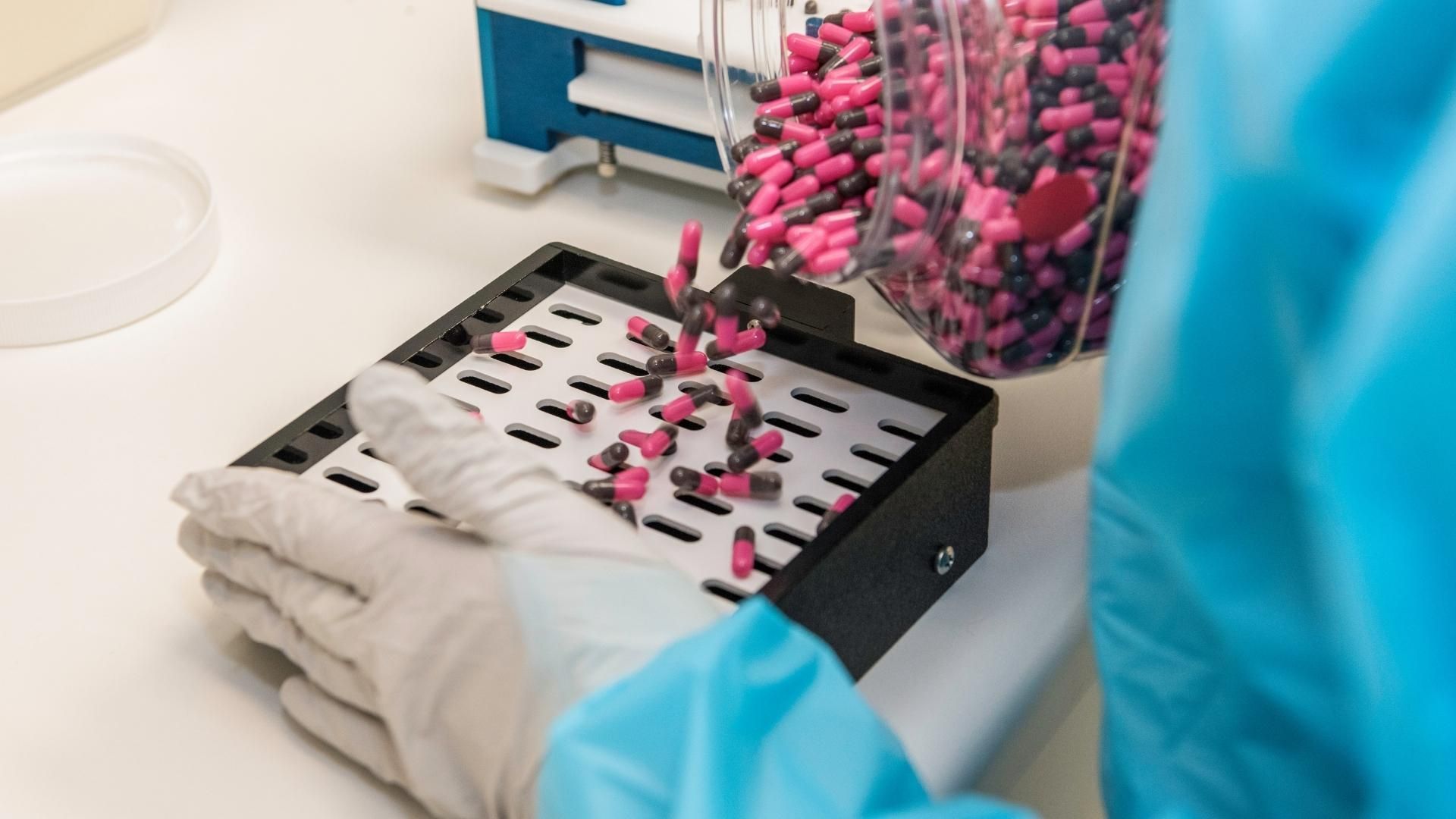
Specialty drugs are specifically formulated to treat complex or rare chronic conditions. Conditions like cancer, rheumatoid arthritis, hemophilia, HIV, psoriasis, inflammatory bowel disease, and hepatitis C require these advanced therapies.

These medications often come with high costs typically exceeding $1,000 for a 30-day supply and necessitate special handling, monitoring, and administration. Patients receiving these drugs usually require a high level of care and support to manage side effects and ensure adherence to prescribed regimens.

The growing significance of specialty medications in the healthcare landscape is underscored by their financial impact; by 2015, specialty drugs accounted for one-third of all drug spending in the United States. The rise of specialty pharmacies has been pivotal in managing the distribution and care of these complex medications, which further emphasizes the need for specialized treatment plans tailored to individual patient needs.

Complex conditions treated with specialty medications

The role of specialty drugs extends to managing various complex conditions, which include but are not limited to:

  • Cancer : Specialty medications like targeted therapies and immunotherapies are vital for many cancer treatments.
  • Rheumatoid arthritis : Biologics often serve as frontline treatments for managing chronic inflammatory processes.
  • HIV/AIDS : Antiretroviral therapies help manage and maintain life health.
  • Hemophilia : Specialty medications ensure patients maintain the necessary clotting factors for safe blood coagulation.

These conditions often involve considerable challenges, highlighting the importance of effective management through specialty drugs.

Economic impact of specialty medications

The economic implications of specialty medications cannot be overlooked. As specialized treatments represent a significant financial investment for healthcare systems, addressing insurance coverage, affordability, and patient navigation becomes essential.

While these drugs promise improved health outcomes, they also contribute substantially to overall drug expenditure. The integration of specialty pharmacies into health systems not only streamlines patient access to necessary medications but also plays a vital role in managing care effectively, reducing the need for costly hospital visits, and improving quality of life for patients with complex health requirements. The coordination between specialty pharmacists and healthcare providers ensures that patients receive continuous support while optimizing treatment efficacy, which ultimately correlates with better clinical outcomes.

Specialty Pharmacies: Bridging Gaps in Patient Care

What is the role of a specialty pharmacy?

The role of a specialty pharmacy is pivotal in managing the dispensing and support of high-cost, complex medications used to treat serious chronic conditions such as cancer, multiple sclerosis, and HIV/AIDS. These pharmacies not only provide medications but also offer extensive patient management services.

What services do specialty pharmacies provide?

  • Clinical Education : Specialty pharmacies provide in-depth training for patients about their medications, covering important topics such as dosage, side effects, and storage practices.
  • Coordination with Healthcare Teams : They work closely with doctors, nurses, and other healthcare providers to ensure seamless communication and care continuity.
  • Insurance Assistance : Specialty pharmacies assist patients in navigating insurance complexities, managing processes like prior authorization, and ensuring coverage for their prescribed treatments.
  • Financial Assistance Programs : Many specialty pharmacies offer programs to help alleviate the financial burden on patients, such as copay cards and support for navigating financial aid resources.

Why are these services important?

Specialty pharmacies are critical in facilitating patient access to necessary treatments, enhancing adherence, and optimizing clinical outcomes. This comprehensive support helps patients manage their conditions effectively, improving their health outcomes and overall experience with the healthcare system.

Service Type Details for Patient Care Impact
Clinical Education In-depth training on medication use, administration, and safety Supports informed patient decisions
Insurance Coordination Navigating prior authorizations and coverage Enhances access to medications
Financial Assistance Programs to mitigate drug costs Reduces financial burden on patients
Coordination with Providers Ensures effective communication among healthcare teams Improves care continuity and outcomes

The Intersection of Specialty Pharmacy and Home Infusion Services

What is the difference between specialty pharmacy and home infusion?

The main difference between specialty pharmacy and home infusion lies in their focus and delivery methods. Specialty pharmacies coordinate care and provide medications for patients with complex and chronic conditions, such as cancer or immunological disorders. Their goal is to ensure that patients have access to necessary medications while receiving additional support for medication management.

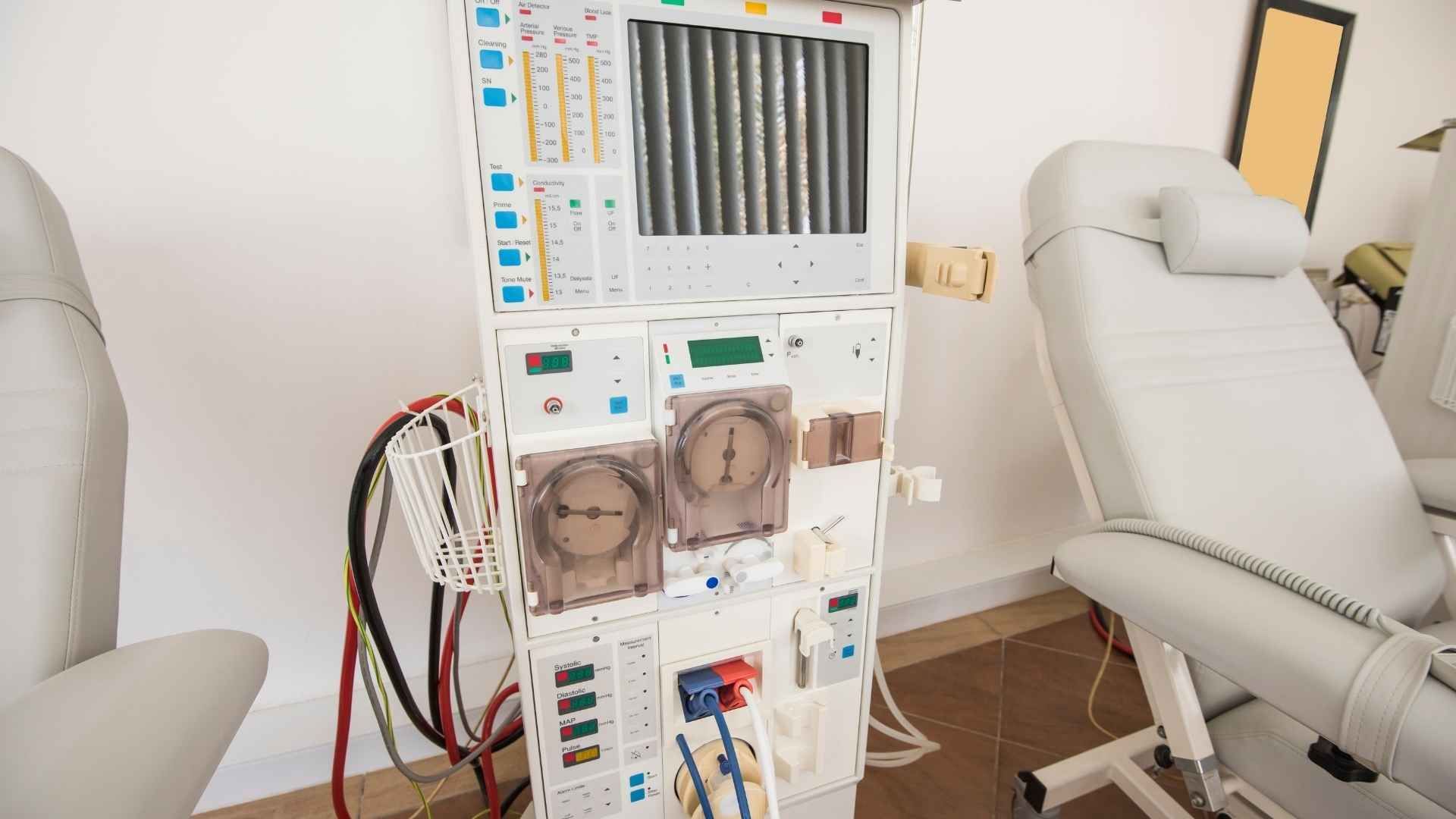
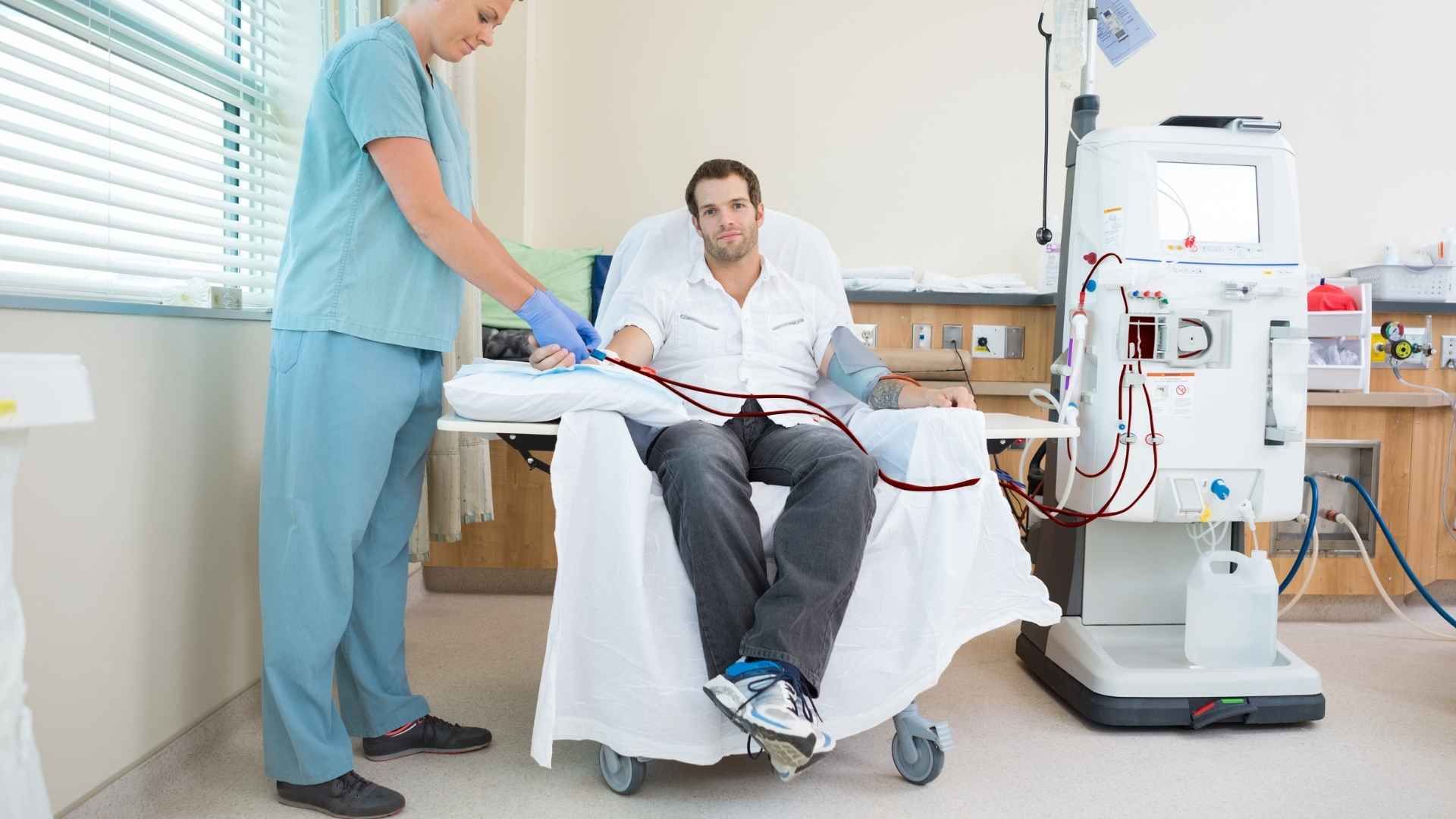
In contrast, home infusion is a method of administering treatments through a needle or catheter directly in a patient's home. This delivery method is especially beneficial for patients who cannot tolerate oral medications, offering a more convenient solution for ongoing treatment.

Many specialty pharmacies, including Amber Specialty Pharmacy , also provide home infusion services. This integration ensures that patients receive both necessary medications and infusion treatments in the comfort of their own home. Although both specialty pharmacies and home infusion services share the common goal of enhancing patient outcomes, they operate in slightly different areas of patient care.

Integration of infusion services in specialty care

The collaboration between specialty pharmacies and home infusion services enhances the quality of patient care. Specialty pharmacies not only distribute high-cost specialty medications but also coordinate with healthcare providers for home infusion, ensuring comprehensive patient support.

Through continuous communication among the care team, these pharmacies handle insurance coordination, side effect management, and patient education. This cohesive approach leads to improved adherence to treatment plans, ultimately translating to better clinical outcomes for patients with complex health needs.

In summary, integrating infusion services within specialty pharmacy frameworks exemplifies a commitment to providing holistic patient care that addresses both medication access and the administration method, which is crucial for patients requiring specialized treatments.

Comprehensive Medication Management in Home Settings

What is medication management in home health?

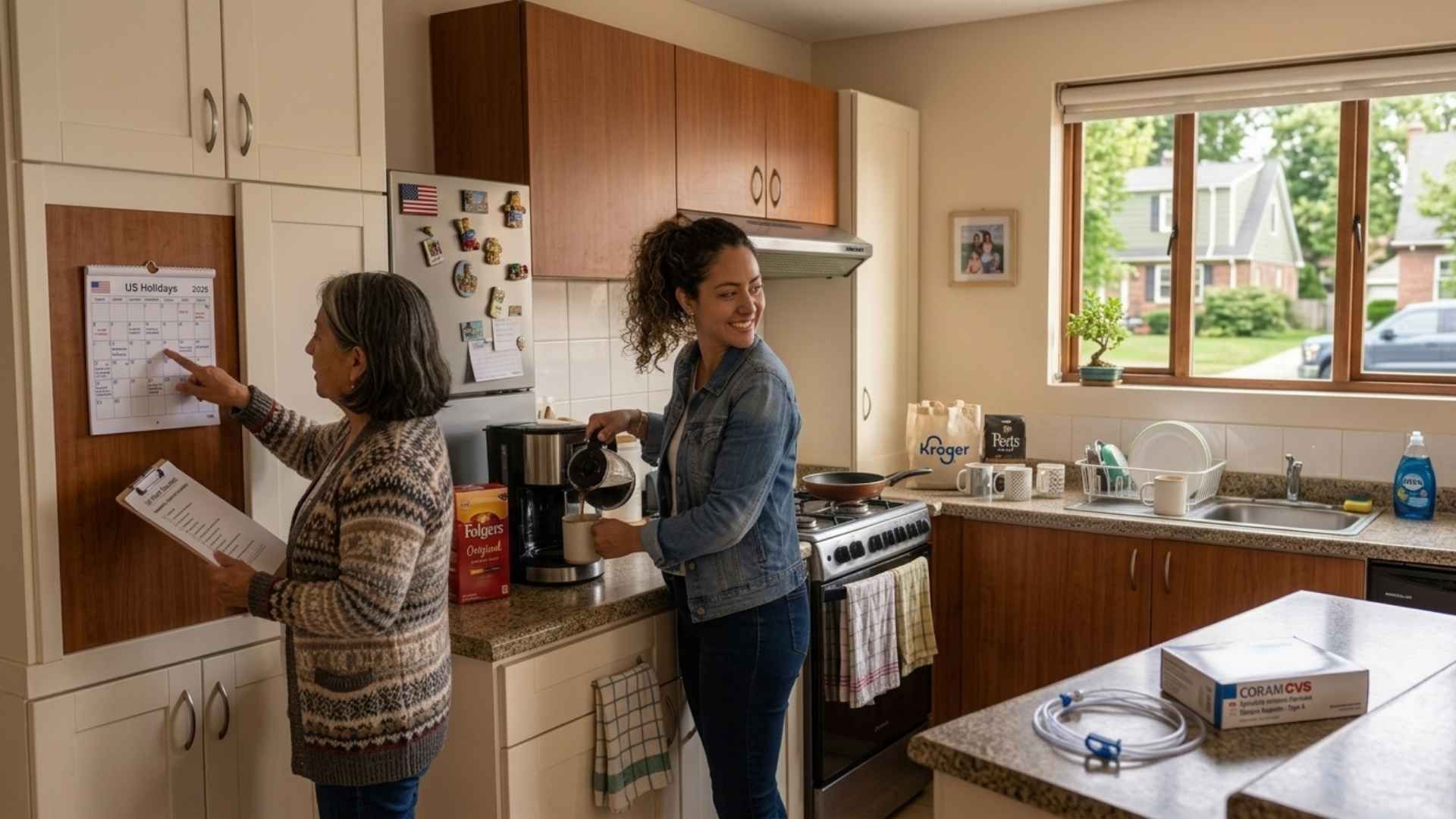
Medication management in home health encompasses a thorough array of services designed to ensure that patients adhere to their prescribed medication regimens. Registered nurses play a pivotal role in this process by assisting patients in developing medication schedules tailored to their specific needs. They review medication regimens regularly, considering factors such as effectiveness and potential side effects.

An essential part of this management involves educating patients about their medications. Nurses emphasize the correct dosage, administration frequency, and potential side effects, fostering a deep understanding that empowers patients during their recovery. This educational aspect is particularly vital in cases of complex chronic conditions, where patients might be on multiple specialty medications.

Additionally, effective collaboration with healthcare providers is crucial. Nurses not only monitor changes in the patient's health status but can also adjust medications as needed, facilitating a dynamic approach to treatment that prioritizes safety and effectiveness. For example, they check medication labels and maintain an updated list of medications to prevent errors.

What protocols must be followed for medication preparation and administration?

In a home care environment, strict protocols are paramount to ensure the safe and effective administration of medications. Nurses conduct thorough assessments during the initial patient evaluation, which includes verifying that patients have the necessary medications and equipment. This foundational step helps identify potential barriers that may impede treatment, such as unsafe home environments or inadequate support systems.

Moreover, nurses must adhere to established processes and standards of practice, particularly concerning specialty medications that require special handling. Continuous monitoring throughout therapy helps nurses detect side effects or adverse reactions early, enabling them to take prompt action in emergencies. Post-visit documentation is also critical, as it ensures continuity of care and consistent communication with specialty pharmacies and physicians.

How do nurses handle emergency decision-making in home care?

Emergency decision-making is a vital component of home care nursing. Nurses must be prepared to make immediate medical decisions if a patient experiences a complication or an emergency arises. Their training equips them to stay calm and act decisively based on established protocols and their clinical knowledge.

For instance, in situations where a patient exhibits concerning symptoms, nurses assess the situation quickly, using their judgment to determine whether it necessitates immediate intervention or contacting medical professionals. Their ability to navigate these high-stakes moments highlights the critical importance of skilled nursing in maintaining patient safety and comfort in home environments. Overall, the integration of specialty pharmacists and nurses within the healthcare team enhances the comprehensive medication management process, ensuring patients receive the highest standard of care.

Legal and Ethical Considerations in Specialty Medications Home Care

Liability and First-Dose Administration

In home care settings, nurses face legal implications when administering specialty medications, particularly concerning first doses. The reluctance to provide these initial doses stems from concerns about liability, making it crucial for nurses to be aware of their legal responsibilities. Proper training and adherence to established protocols can mitigate risks and enhance patient safety.

Ethical Challenges in Home Healthcare

Nurses often encounter ethical complexities in home care, especially when patients may struggle with substance use. This raises significant questions about the appropriateness of continuing treatment amidst safety concerns. The ethical obligation to provide care must be balanced against the potential risks to both the patient and nurse, necessitating critical decision-making.

Standardization and Documentation

Another challenge lies in the lack of standardization in home health services. Ensuring thorough documentation post-visit is essential for maintaining continuity of care and enhancing communication between specialty pharmacies and medical teams. This comprehensive approach helps address gaps in care and promotes patient welfare as they navigate complex treatment regimens.

Insurance Implications and Patient Access to Specialty Meds

Insurance coverage for home-administered medications

Access to specialty medications for home care often hinges on understanding insurance coverage. When patients self-administer these medications, insurance typically covers them under the pharmacy benefit. Conversely, if a healthcare professional administers the drugs, they may fall under the medical benefit, such as Medicare Part B for infused medications. This distinction is crucial as it affects how patients secure access to their necessary treatments.

Role of specialty pharmacies in navigating insurance complexities

Specialty pharmacies play a pivotal role in guiding patients through the often-complex insurance landscape. They assist in obtaining prior authorizations and offer financial counseling to address high co-pays. By liaising with insurance companies, specialty pharmacies ensure that patients can access their medications without significant financial burden, enhancing adherence to treatment protocols.

Impact of reimbursement options on access to care

Reimbursement models can significantly impact a patient's ability to receive specialty medications. The structure of these models—whether covering medications under pharmacy or medical benefits—affects how patients engage with their treatment plans. Proper coordination of patient care and efficient communication between specialty pharmacies and healthcare providers is essential to minimize barriers and ensure continuous access to necessary medications.

Conclusion

As home healthcare continues to evolve, the role of specialty medications and the pharmacies that dispense them becomes increasingly vital. From administering complex therapies to managing insurance challenges, specialty services are integral to providing comprehensive, value-based care. The collaborative efforts of specialized healthcare teams ensure that patients receive not only their medications but also the necessary support and education to manage their conditions effectively at home. As such, these efforts not only improve patient outcomes but also significantly contribute to the efficiency and sustainability of home healthcare services.

References

Home Infusion Therapy in New York
June 17, 2026
Pharmko is based in New York and provides home infusion therapy statewide — IV antibiotics, IVIG, TPN, IDPN, and specialty medications. Licensed, ACHC accredited, and available 24/7.
Home Infusion for Osteomyelitis
June 15, 2026
Osteomyelitis requires weeks of IV antibiotics that can often be completed at home. Learn who qualifies for OPAT, what the treatment timeline looks like, and how Pharmko supports bone infection recovery.
What Is a PICC Line
June 15, 2026
Learn what a PICC line is, how it's inserted, how to care for it at home, and why it's the most common IV access device for home infusion therapy. Pharmko nurses provide full PICC line training.
IV Iron Infusion at Home: Feraheme, Injectafer, and Iron Deficiency Anemia Treatment
June 12, 2026
Learn how IV iron infusion works at home — which products are used, who qualifies, what to expect during treatment, and how Pharmko delivers iron infusion therapy across 22+ states.
Home Infusion for Multiple Sclerosis
June 11, 2026
Learn how home infusion therapy works for multiple sclerosis, including Ocrevus and Tysabri, who qualifies for home-based MS infusions, what to expect, and how Pharmko coordinates care.
TPN at Home: Who Qualifies, How It Works, and What to Expect
June 11, 2026
Learn how total parenteral nutrition (TPN) at home works — who qualifies, how it's delivered, what daily life looks like, and how Pharmko supports patients from first dose through long-term therapy.
Low Albumin in Dialysis Patients
June 3, 2026
Low albumin is a key marker of malnutrition in dialysis patients. Learn what causes albumin decline, when IDPN is indicated, and how Pharmko supports renal nutrition across 22+ states.
Home Infusion Pump Types
June 2, 2026
Learn about the different types of infusion pumps used in home therapy, ambulatory, electronic, elastomeric, and CADD pumps, and how your pump is matched to your specific treatment.
Home Infusion for Rheumatoid Arthritis
May 30, 2026
Learn how home infusion therapy works for rheumatoid arthritis — including Remicade (infliximab) and other IV biologics, who qualifies for home treatment, and how Pharmko supports ongoing RA care.
Sterile Compounding Safety
May 26, 2026
When a patient or provider chooses a compounding pharmacy to prepare IV medications, they are trusting that the pharmacy operates under rigorous, independently enforced standards. In the United States, those standards are defined by two chapters of the United States Pharmacopeia: USP <797> for sterile compounding and USP <800> for hazardous drug handling. Pharmko operates in full compliance with both chapters. Understanding what these standards require, and what happens when they are not met, helps patients and providers make informed decisions about which pharmacy they trust with their care. What Is USP <797>? USP <797> (Pharmaceutical Compounding, Sterile Preparations) is the national standard that defines the minimum requirements for compounding sterile preparations safely. It covers: Cleanroom environment classification, ISO Class 5 at the point of compounding, ISO Class 7 for the surrounding buffer area, ISO Class 8 for the ante-room Personnel training, gowning, and aseptic technique requirements Sterilization and filtration methods by product type Beyond-use dating (BUD), how long a compounded sterile preparation remains safe to use Environmental and personnel monitoring schedules Quality assurance, documentation, and deviation management USP <797> applies to every pharmacy that prepares IV solutions, injections, eye drops, or other sterile preparations, whether they are a hospital pharmacy, ambulatory infusion center, or specialty pharmacy like Pharmko. The 2023 Revision: What Changed USP <797> was significantly revised in 2023 (effective November 2023). Key changes include: Stricter beyond-use date requirements, compounded sterile preparations must now meet more conservative dating limits unless sterility testing supports extended dating Enhanced environmental monitoring, more frequent air and surface sampling with defined action levels Clearer personnel qualification requirements, competency assessments are now required at defined intervals New category system, preparations are now categorized (Category 1 and Category 2) based on sterility assurance level and BUD Pharmacies that were compliant under the previous version of USP <797> must have updated their procedures and infrastructure to meet the 2023 revision. Pharmko updated our facilities, policies, and documentation systems in alignment with the revised chapter. What Is USP <800>? USP <800> (Pharmaceutical Compounding, Hazardous Drugs) establishes standards for the safe handling of hazardous drugs throughout the pharmacy, from receipt and storage to preparation, dispensing, and waste disposal. Hazardous drugs include certain chemotherapy agents, antiviral medications, hormones, and other drugs that pose risks of carcinogenicity, reproductive toxicity, or organ damage at low exposure levels. USP <800> requires: Negative-pressure ventilated containment primary engineering controls (C-PECs) for hazardous drug compounding Separate, dedicated hazardous drug storage areas Personal protective equipment (PPE) requirements for all staff handling hazardous drugs Closed-system drug transfer devices (CSTDs) for certain preparations Spill kits and exposure management protocols Why These Standards Matter for Patients The consequences of non-compliance are serious. High-profile compounding pharmacy failures, including a 2012 fungal meningitis outbreak linked to contaminated steroid injections that killed 64 patients and injured hundreds, demonstrated what happens when sterile compounding standards are not followed. For patients receiving home IV therapy, USP <797> compliance is not a credential to check once and forget, it reflects the ongoing daily practices of the pharmacy preparing their medications. Patients and providers should verify that any pharmacy preparing their IV solutions is accredited, state-licensed, and actively compliant with current USP standards. How Pharmko Meets These Standards Pharmko's sterile compounding facility is designed, staffed, and operated to meet USP <797> and USP <800> requirements. We are ACHC accredited, state-licensed in 22+ states, and subject to regulatory inspection. Every batch we compound is reviewed by a licensed pharmacist, and our environmental and personnel monitoring data is reviewed on a defined schedule. For a broader overview of what sterile compounding is and how it differs from retail pharmacy, see our guide on what is sterile compounding for IV therapy . For providers interested in our compounding capabilities, see our physician services page or contact our pharmacy team directly. → Contact Pharmko about sterile compounding: 1-877-540-2003
Show More