
The Impact of Parenteral Nutrition on Muscle Retention and Strength

September 4, 2025

Introduction to Parenteral Nutrition and Muscle Dynamics

Parenteral nutrition (PN) has become an essential aspect of clinical care for patients who are unable to receive adequate nutrition through regular dietary intake. This often includes those recovering from major surgeries, battling critical illnesses, or facing chronic conditions that impair oral or enteral feeding. One of the primary concerns in such scenarios is the maintenance of muscle mass and strength, crucial for patient recovery and overall quality of life. This article delves into the impact of parenteral nutrition on muscle retention and strength across diverse patient populations, aiming to shed light on its physiological effects, challenges, and clinical outcomes.

Parenteral Nutrition and Muscle Retention in Surgical and Critically Ill Patients

What are the effects of parenteral nutrition on muscle retention and strength in various patient populations?

Parenteral nutrition (PN) significantly impacts muscle retention and strength across various patient populations. In patients undergoing major surgery, total parenteral nutrition (TPN) bolstered nitrogen balance and supported body cell mass over prolonged periods. Notably, groups receiving TPN or peripheral parenteral nutrition (PPN) outperformed those on glucose or amino acids alone in maintaining these essential nutritional parameters.

For patients with alcoholic liver cirrhosis, PN therapy promoted a shift in muscle protein turnover from negative to positive, enhancing muscle retention by increasing net phenylalanine uptake. Similarly, in individuals recovering from anorexia nervosa, TPN led to substantial weight gain and normalized energy substrate deficiencies, thereby restoring muscle composition.

Despite these benefits, critically ill ICU patients demonstrated variation in results, with studies indicating that different protein intake levels did not significantly influence muscle mass retention. However, PN did contribute to normalizing muscle water and sodium concentrations, hinting at improvements in overall muscle composition.

In summary, while PN is beneficial in mitigating muscle loss for specific groups, the nature and extent of its effects can differ greatly depending on individual health status and the clinical context.

Recovery Dynamics: The Role of Parenteral Nutrition in Postoperative Care

How does parenteral nutrition impact muscle health during recovery from surgery or critical illness?

Parenteral nutrition, particularly total parenteral nutrition (TPN), significantly contributes to preserving muscle health during recovery from surgery or critical illness. TPN effectively reduces muscle catabolism, as indicated by lower urinary 3-methylhistidine levels, a marker of muscle breakdown, after its initiation.

Moreover, TPN administration results in a notable decrease in amino acid release from the legs, highlighting reduced muscle catabolism and enhancing muscle protein synthesis. This effect is particularly beneficial for patients recovering from sepsis or major surgeries, where muscle preservation is critical for recovery.

However, it’s important to note that while TPN supports adequate nutrient delivery, it can also precipitate adverse changes in muscle quality. Patients receiving TPN may experience increased intramuscular lipid and water content, compromising muscle integrity. This duality underscores the necessity for careful management of the timing and formulation of TPN to ensure optimal muscle health outcomes during recovery.

Implications for surgical recovery

The findings suggest that while TPN is integral in combating muscle loss, balancing nutrient intake to prevent unwanted changes to muscle composition is vital. Inadequate monitoring could lead to further complications, impacting overall recovery. As such, healthcare providers must tailor nutritional support to minimize muscle wasting while ensuring muscle quality is not adversely affected, ultimately enhancing postoperative recovery.

Parenteral Nutrition in Cancer and Liver Disease: A Balancing Act

What research is available on the role of parenteral nutrition in maintaining muscle mass in patients with conditions like cancer or liver disease?

Parenteral nutrition (PN) is essential for maintaining muscle mass in patients with complex conditions like cancer or liver disease, providing the necessary nutrients when oral intake fails. In cancer patients, studies have indicated that supplemental parenteral nutrition (SPN) can improve body mass index (BMI) and fat-free mass (FFM), aiding in muscle retention. For example, patients receiving SPN demonstrated a significant increase in FFM at 12 weeks compared to controls, showcasing potential advantages of SPN in muscle preservation despite ongoing systemic challenges.

Conversely, in individuals with liver disease, particularly alcoholic liver cirrhosis (ALC), the body shows a negative net muscle protein balance during fasting. However, PN can shift this balance to positive with increased muscle phenylalanine uptake, suggesting that the right nutritional interventions can offer gains in muscle mass, thus supporting muscle retention.

Challenges of TPN and liver disease

Total parenteral nutrition (TPN), while beneficial, is not without risks, particularly concerning liver health. The administration of TPN can lead to parenteral nutrition-associated liver disease (PNALD), especially in patients dependent on long-term TPN. This condition can manifest as liver dysfunction, characterized by increased bilirubin levels and impaired liver function tests, leading to serious complications. Therefore, monitoring liver functions in patients receiving TPN is crucial to mitigate these risks while maximizing nutritional benefits.

Net muscle protein balance in ALC

In patients with alcoholic liver cirrhosis, initial negative net muscle protein balance signifies muscle loss; however, this response shifts positively during PN treatment. Higher insulin levels during PN have been shown to enhance the anabolic response within muscle tissues, indicating that patience and individualized nutritional strategies are required to address sarcopenia effectively. This data indicates that while challenges exist in maintaining muscle mass, appropriate nutritional support can facilitate muscle gain and retention, an essential consideration for recovery strategies in ALC.

Understanding Muscle Protein Turnover with Parenteral Nutrition

What physiological effects does parenteral nutrition have on muscle protein turnover and health?

Parenteral nutrition (PN) significantly impacts muscle protein turnover, especially in patients with conditions like alcoholic liver cirrhosis (ALC). Research indicates that ALC patients typically experience negative net muscle protein balance during fasting periods, suggesting muscle loss. However, when these patients receive PN, their net muscle phenylalanine uptake shifts to positive, which indicates enhanced muscle protein synthesis. This shift suggests that PN effectively mitigates sarcopenia by promoting muscle retention and potentially increasing muscle mass.

How does protein synthesis and breakdown interact during parenteral nutrition?

The provision of essential nutrients, particularly amino acids, during PN stimulates protein synthesis. Elevated plasma insulin levels observed during PN further augment this anabolic response, favoring muscle growth. At the same time, PN appears to decrease protein breakdown, contributing to a net gain in muscle protein. This dual effect facilitates both the building of muscle tissue and the maintenance of existing muscle mass, showcasing how nutrition supports overall muscle health.

What role do amino acids play in parenteral nutrition?

Amino acids are crucial components of PN, as they serve as the building blocks for protein synthesis. They not only stimulate protein synthesis but also play a role in reducing muscle degradation. The adequate provision of these essential nutrients helps combat the negative effects of malnutrition and promotes muscle retention, which is vital for recovery in critically ill patients. The synergy of amino acids and insulin secretion during PN underlines the importance of tailored nutritional strategies in enhancing muscle health.

Addressing Sarcopenia and Neuromuscular Disorders with Parenteral Nutrition

What are the implications of parenteral nutrition for patients with age-related conditions such as sarcopenia or neuromuscular disorders?

Parenteral nutrition (PN) has considerable potential in supporting older adults facing age-related conditions such as sarcopenia and neuromuscular disorders. For these patients, ensuring essential nutrient intake is crucial for maintaining muscle health and functionality.

A tailored nutritional plan incorporating adequate dietary protein, vitamin D, and other nutrients like selenium and omega-3 fatty acids can significantly benefit older individuals. These elements are vital for preserving muscle mass and strength, which are often compromised in such conditions.

Evidence shows that when nutritional support is paired with exercise interventions, outcomes in muscle performance and recovery are notably improved. The emphasis on rehabilitation nutrition underscores its importance in therapy.

Furthermore, as many neuromuscular disorders present symptoms similar to sarcopenia, thorough diagnostic evaluations are necessary to provide appropriate treatment and avoid misdiagnosis that can delay care.

In summary, targeted interventions like parenteral nutrition can effectively address the specific nutritional needs of older adults, helping mitigate the adverse effects of sarcopenia while promoting overall health outcomes.

Evaluating Nutritional Strategies: Overcoming Muscle Loss Risks

Evidence-based nutritional interventions

In a study comparing four types of intravenous nutrition in surgical patients, total parenteral nutrition (TPN) and peripheral parenteral nutrition (PPN) showed better maintenance of nutritional parameters compared to glucose or amino acid regimens. These findings indicate that TPN and PPN help not just in nutritional support but also significantly aid in retaining muscle mass post-surgery.

The synergy of nutrition and exercise

Combining nutritional support with early physical activity can enhance recovery in critically ill patients. Notably, while parenteral nutrition supports muscle retention, studies suggest that integrating exercise may further improve muscle strength. This combination shows promise, although results across trials vary, and more research is needed to define optimal intervention strategies.

Challenges in clinical nutrition management

Despite advances, managing nutrition in clinical settings poses challenges. Conditions such as infections and interruptions in scheduled diets can diminish nutritional outcomes. Furthermore, malnutrition rates remain high among specific patient populations, underscoring the need for tailored nutritional strategies to mitigate muscle loss effectively.

Complications and Management of Parenteral Nutrition

Is parenteral nutrition difficult on the body?

Parenteral nutrition, especially Total Parenteral Nutrition (TPN), poses challenges to the body. It is associated with various complications that impact patient health significantly. Among the over 30,000 patients reliant on TPN for survival, complications such as Parenteral Nutrition Associated Liver Disease (PNALD) can develop. This includes liver steatosis, cholestasis, and even liver failure.

Moreover, TPN may impair gut mucosal integrity, increasing inflammation and permeability to bacteria. The absence of enteral feeding disrupts normal gut and liver function, spotlighting the importance of integrating enteral nutrition whenever feasible. Additionally, certain components of TPN can be toxic to the body, necessitating diligent monitoring and management during therapy.

Can patients gain weight with parenteral nutrition?

Yes, parenteral nutrition (PN) can promote weight gain in patients, particularly those who are hospitalized and unable to meet nutritional needs via oral intake. In home settings, individuals on total parenteral nutrition benefit from customized nutritional assessment by registered dietitians to tailor nutrient formulas to their caloric requirements.

Monitoring is critical, as while PN aids in weight gain, it also carries risks of complications like infections or metabolic imbalances. Collaborative care involving nutrition experts is vital for optimizing outcomes during parenteral nutrition.

Complication Type Description Prevention Strategies
Parenteral Nutrition Associated Liver Disease (PNALD) Liver complications from prolonged TPN use Regular monitoring of liver function tests
Gut Mucosal Integrity Impairment Increased inflammation and bacterial permeability Early integration of enteral nutrition
Toxicity from TPN Components Adverse effects on health due to specific TPN ingredients Custom formulation of TPN solutions

Concluding Thoughts on Parenteral Nutrition's Role in Muscle Health

Parenteral nutrition serves as a critical intervention for preserving muscle mass and strength in patients unable to consume adequate nutrients through traditional means. Despite its benefits, the nuanced effects of PN—ranging from beneficial shifts in muscle protein turnover to potential complications like liver disease—underscore the need for careful patient monitoring and individualized nutritional strategies. As research continues to explore the synergistic possibilities of integrating exercise and tailored nutritional interventions, there remains great potential to optimize outcomes for diverse patient populations relying on parenteral nutrition.

References

What Is Sterile Compounding and Why Does It Matter for IV Therapy?
May 19, 2026
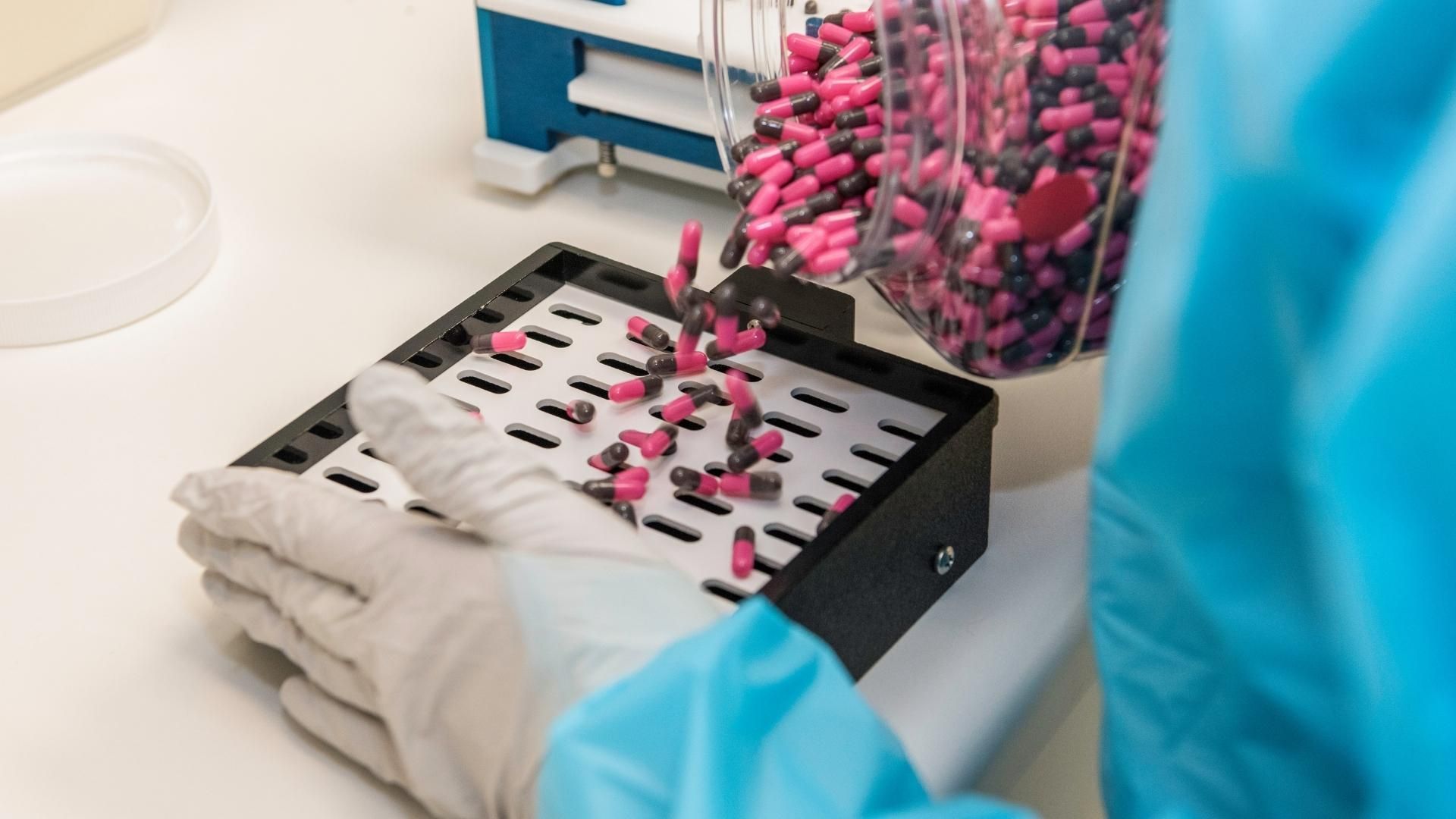
When a patient needs a medication that is not commercially available in the right dose, formulation, or combination, a sterile compounding pharmacy creates it. Sterile compounding is the process of preparing customized, injectable or infusible medications, IV solutions, eye drops, inhalation solutions, in a controlled, contamination-free environment. Pharmko's sterile compounding services are at the core of what makes specialty pharmacy different from a retail pharmacy. Every IV medication we prepare is custom-compounded, validated, and released by a licensed pharmacist before it reaches a patient. What Makes Compounding 'Sterile'? The word 'sterile' refers to the absence of viable microorganisms, bacteria, fungi, endotoxins, in the final product. This is non-negotiable for any medication injected into or infused through the body. A contaminated IV solution can cause severe bloodstream infections, sepsis, or death. Achieving sterility requires: A controlled cleanroom environment (ISO Class 5 or better at the point of compounding) Positive or negative air pressure depending on the type of medication being prepared Gowning, gloving, and aseptic technique by trained pharmacy staff Validated sterilization methods (filtration, terminal sterilization) appropriate for each formulation Environmental and personnel monitoring to detect contamination risks before they reach patients How Sterile Compounding Differs from Retail Pharmacy A retail pharmacy dispenses commercially manufactured medications in their existing forms — tablets, capsules, pre-made liquids. A sterile compounding pharmacy like Pharmko creates medications that either do not exist commercially, are no longer commercially available, or must be customized for a specific patient. Examples of why sterile compounding is necessary: A patient needs a specific antibiotic concentration not available in commercial vials TPN must be formulated individually based on the patient's weight, labs, and nutritional requirements — no pre-made product covers every case A pediatric patient needs a lower concentration of an IV medication than any commercial product offers IV antibiotics must be prepared in specific volumes and concentrations for OPAT patients based on the prescribed regimen What Is USP <797>? USP <797> is the United States Pharmacopeia chapter that sets the standards for sterile compounding. It defines the environmental requirements, beyond-use dating, testing, personnel training, and quality systems that a pharmacy must maintain to legally compound sterile preparations. Compliance with USP <797> is required by state pharmacy boards and enforced through inspections. Not all compounding pharmacies meet these standards — patients and providers should verify that any pharmacy preparing IV medications is operating in full USP <797> compliance. For a detailed breakdown of what USP <797> and the newer USP <800> standard mean for patient safety, see our guide on sterile compounding safety standards . How Pharmko's Compounding Process Works Pharmko operates a state-of-the-art USP <797> compliant sterile compounding facility. Every product we prepare goes through: Pharmacist review of the prescription for appropriateness, compatibility, and dosing Preparation by trained pharmacy technicians in an ISO Class 5 laminar airflow workbench or biological safety cabinet In-process and final product checks by a licensed pharmacist Sterility testing or filtration validation where required Cold-chain delivery to the patient or dialysis clinic within validated stability windows Why It Matters for Home Infusion Patients Every IV therapy delivered through Pharmko's home infusion services is compounded in our sterile facility. This means patients at home receive the same quality-controlled, pharmacist-verified products they would receive in a hospital — not medications assembled at the bedside or sourced from uncredentialed suppliers. → Contact Pharmko to learn more about our compounding services: 1-877-540-2003
Home Infusion Therapy in Florida
May 19, 2026
Pharmko provides home infusion therapy across Florida, IV antibiotics, IVIG, TPN, IDPN, and specialty medications. Licensed, accredited, and available 24/7 statewide.
Home Infusion Therapy in Texas
May 19, 2026
Pharmko provides home infusion therapy across Texas — IV antibiotics, IVIG, TPN, IDPN, and specialty medications. Licensed, accredited, and available 24/7 statewide.
 Phosphate Binders for Dialysis Patients
May 12, 2026
Learn how phosphate binders work for dialysis and CKD patients, the different types available, how they fit into a renal care plan, and how Pharmko supports dialysis centers with consistent supply.
 Home Infusion for Autoimmune Diseases
May 7, 2026
Learn how home infusion therapy supports autoimmune disease management,from IVIG for immune deficiencies to biologic infusions for inflammatory conditions. Pharmko serves 22+ states.
Subcutaneous vs IV Infusion: Which Delivery Route Is Right for Your Therapy
May 4, 2026
Learn the differences between subcutaneous and IV infusion delivery routes,how each works, which therapies use them, and how to choose the right option for your treatment.
Milrinone Infusion at Home for Heart Failure: Patient Guide and Safety Overview
April 23, 2026
Learn how home milrinone infusion works for advanced heart failure patients, who qualifies for palliative milrinone therapy, what to expect, and how Pharmko supports safe at-home cardiac care.
Home Infusion for Crohn's Disease: Remicade, Biologics, and What Patients Should Know
April 23, 2026
Learn how home infusion therapy for Crohn's disease works, including Remicade (infliximab) and other biologics. Who qualifies, what each infusion involves, and how Pharmko supports ongoing care.
Malnutrition in Hemodialysis Patients: Signs, Risks, and When IDPN Is Needed
April 23, 2026
Malnutrition affects up to 75% of hemodialysis patients. Learn to recognize protein-energy wasting, understand when IDPN is clinically indicated, and how Pharmko supports renal nutrition management.
IDPN Therapy: Who Qualifies, How It Works, and What to Expect
April 23, 2026
Learn how intradialytic parenteral nutrition (IDPN) works, who qualifies based on albumin levels and nutritional status, and how Pharmko delivers IDPN for dialysis patients.
Show More