
Understanding the Challenges of TPN Therapy for Geriatric Patients

September 4, 2025

Introduction to TPN in Geriatric Care

Total parenteral nutrition (TPN) is a critical therapeutic option for patients unable to obtain necessary nutrients through oral or enteral routes. This intravenous form of nutrition is especially relevant in geriatric healthcare due to common age-related complications affecting digestion and nutrient absorption. However, TPN therapy comes with unique challenges and risks that must be carefully managed to optimize patient outcomes, particularly among the elderly. Understanding these complexities can aid caregivers and healthcare providers in delivering effective and safe nutritional support to older adults.

The Indications for TPN in Elderly Patients

Reasons for Using TPN in Geriatric Patients

Total parenteral nutrition (TPN) is often a necessary intervention for elderly patients who are unable to meet their nutritional needs through traditional food intake or enteral nutrition. This can arise from severe gastrointestinal dysfunction, such as malignant bowel obstruction or post-surgical conditions where the digestive system requires rest. In such scenarios, TPN delivers complete nutrition intravenously, facilitating recovery and maintaining nutritional status.

Another common reason for using TPN in older patients is chronic malnutrition, frequently observed during long-term hospital stays or in patients with conditions that lead to inadequate nutrient absorption. Elderly individuals often experience changes in body composition and function that complicate their nutritional needs. Thus, providers may decide on TPN to effectively deliver essential nutrients when oral or enteral methods are inadequate.

Conditions Leading to TPN Necessity

Conditions that necessitate TPN in geriatric patients include:

  • Severe gastrointestinal dysfunction : Conditions like short bowel syndrome or esophageal cancer can impede nutrient absorption, warranting TPN.
  • Post-surgical recovery : After major surgeries, especially involving the gastrointestinal tract, TPN may be required to ensure adequate healing and nutrition.
  • Malignant bowel obstruction (MBO) : This affects a significant percentage of cancer patients, often requiring TPN to maintain nutritional intake.

Who Might Not Be a Suitable Candidate for TPN Therapy, and Why?

Certain patients may not be suitable candidates for TPN therapy due to various contraindications. Infants with less than 8 cm of small bowel should avoid TPN as enteral feeding is often more effective and safer for their delicate systems. Patients experiencing severe cardiovascular or metabolic instability should also refrain from TPN until these conditions are stabilized, as TPN could worsen their health issues. Additionally, individuals with terminal conditions for whom there is no therapeutic goal other than prolonging life may not benefit from TPN. Finally, patients suffering from severe infections like sepsis or those with severe liver diseases may experience exacerbated health problems from TPN and should be considered for alternative feeding methods.

Nutritional Needs and Assessments for Geriatric TPN Patients

Nutritional requirements for older adults on TPN

For elderly patients undergoing Total Parenteral Nutrition (TPN), nutritional needs must be carefully assessed and tailored to their individual clinical situations. As metabolism changes with age, a recommended protein intake of 1.5 g/kg/day is suggested for older adults, similar to younger adults, while caloric intake may need to be reduced by up to 30% to prevent complications related to overfeeding.

Monitoring is essential to address potential complications such as electrolyte imbalances and hyperglycemia, conditions that are common in older patients receiving TPN. The use of customized TPN solutions based on regular laboratory assessments enables healthcare teams to adjust the nutritional composition specific to each patient's needs, thus optimizing outcomes while reducing the risk of adverse effects.

Importance of personalized nutrition plans

Personalized nutrition plans are crucial for geriatric patients on TPN due to the unique challenges that come with aging. Factors such as comorbid diseases, changes in body composition, and organ function must all be considered. The involvement of a multidisciplinary Nutrition Support Team (NST) ensures that geriatric patients receive comprehensive evaluations and interventions tailored to mitigate risks associated with TPN.

Effective assessments and personalized care can significantly enhance the nutritional support's effectiveness, addressing common issues like malnutrition and its adverse health impacts. By focusing on individualized care plans, healthcare providers aim to improve health outcomes and the overall quality of life for elderly patients receiving TPN.

Understanding TPN Risks in the Elderly

What are the risks associated with Total Parenteral Nutrition (TPN) therapy?

Total parenteral nutrition (TPN) carries several risks, particularly in elderly patients who may already have diminished organ function. Common complications include:

  • Catheter-related complications : Infections and occlusions can lead to severe outcomes such as sepsis. Maintaining strict hygiene during TPN administration is crucial.
  • Blood sugar imbalances : Hyperglycemia is prevalent in TPN patients, affecting nearly 50% of those undergoing treatment. This condition can substantially raise mortality risk during hospitalization, necessitating regular monitoring of glucose levels.
  • Liver dysfunction : Long-term TPN can cause fatty liver or cholestasis, impacting 15% to 40% of patients. Regular checks of liver function parameters should be routine in patients on extended TPN.
  • Metabolic bone disease : Insufficient nutrient intake may lead to complications like osteoporosis, impacting about 40% of long-term TPN recipients.
  • Refeeding syndrome : This serious complication arises when feeding is restarted after a period of malnutrition, leading to dangerous shifts in electrolytes.

The effect of age-related factors on TPN risks

Age-related physiological changes significantly heighten the risks associated with TPN. Geriatric patients often have:

  • Diminished organ reserve : As organ systems—such as the liver and kidneys—function less efficiently, the susceptibility to TPN-related complications increases substantially.
  • Preexisting comorbid conditions : Conditions such as diabetes or heart disease compound the risks, making careful patient selection and management essential.
  • Lower capacity for recovery : Elderly patients typically have a more challenging recovery trajectory than younger individuals, necessitating a more cautious approach to TPN initiation and monitoring.

Healthcare professionals must tailor TPN regimens appropriately, taking these factors into account to minimize complications and optimize patient outcomes.

Impact of TPN on Quality of Life

How TPN affects daily living and independence

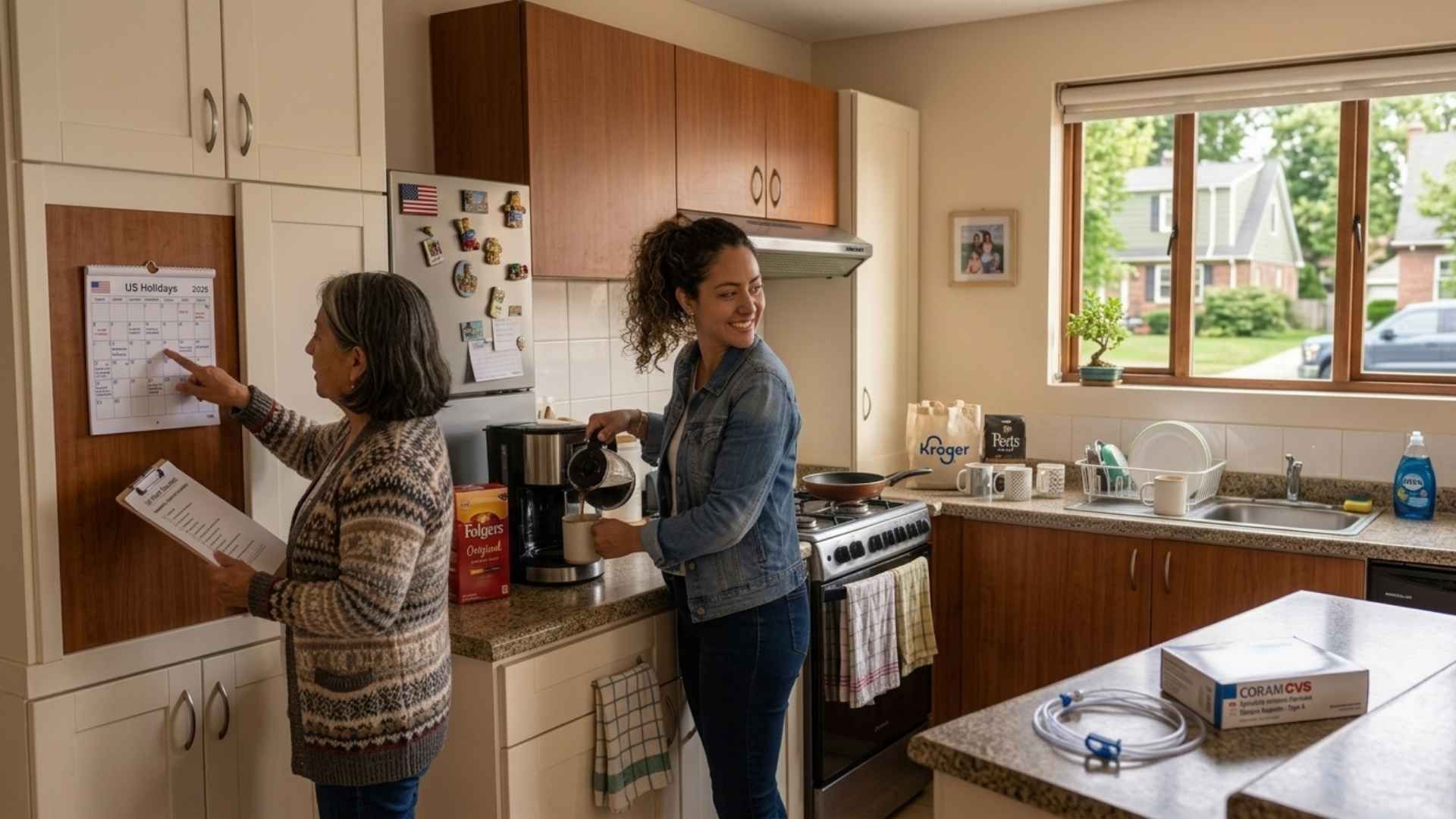
Total Parenteral Nutrition (TPN) is designed to provide complete nutritional support for patients unable to digest food normally. For many elderly patients, TPN is not just about survival; it plays a significant role in enhancing daily living and independence. Home-based TPN allows patients to manage their nutritional needs outside of a hospital setting, enabling them to engage more fully in personal and professional activities. However, this independence is contingent on proper training for patients and caregivers in handling and preparing TPN infusions safely.

Quality of life improvements and challenges

While patients can enjoy improved quality of life with TPN, several challenges must be navigated. The necessity of strict hygiene protocols during preparation can discourage some from maintaining their TPN regimen at home, potentially leading to risks like infections. Despite these concerns, successful implementation of TPN can considerably enhance life quality by allowing older adults to maintain a sense of normalcy and independence, provided they have robust support and monitoring in place. In sum, TPN can significantly positively influence the quality of life for geriatric patients, but it’s essential to be aware of the accompanying challenges.

Role of Nutritional Support Teams in Geriatric TPN Care

Benefits of Multidisciplinary Teams

Nutritional support teams (NST) play a vital role in the management of total parenteral nutrition (TPN) for geriatric patients. These teams typically consist of geriatricians, nutritionists, nurses, and pharmacists who collaborate effectively to address the unique needs of older adults. The diversity of expertise ensures a comprehensive approach to care, improving patient outcomes and minimizing complications.

Through personalized assessment, NSTs can adapt nutritional regimens, considering factors such as age-related body composition changes and pre-existing health conditions. This tailored care is essential, especially since many older patients may require adjustments in their protein and caloric intake.

NST's Role in Managing TPN Effectively

The implementation of standardized nutritional support protocols facilitated by NSTs has been shown to enhance the effectiveness of TPN treatment in elderly patients. By systematically evaluating nutritional risks and developing individualized care plans, NSTs help prevent common complications associated with TPN, such as infections and metabolic disorders.

Regular monitoring by the NST is also crucial in managing adverse events, ensuring that patients receive the right amount of nutrients while maintaining their quality of life. With 40,000 patients currently receiving home-based TPN in the U.S., the NST's involvement is increasingly important for promoting independence and reducing healthcare costs.

Complication Management and Monitoring

Strategies for managing TPN complications

Managing complications associated with Total Parenteral Nutrition (TPN) in elderly patients is critical due to their increased vulnerability. Here are some strategies to mitigate TPN-related risks:

  • Regular Monitoring: Blood glucose levels must be monitored to manage hyperglycemia effectively. Keeping levels below 180 mg/dl is crucial to prevent long-term complications.
  • Custom Formulation: TPN solutions should be tailored to individual patient needs, especially concerning calorie and protein content, based on their clinical condition and metabolic requirements.
  • Infection Control: Strict hygiene protocols should be observed during preparation and administration of TPN to minimize the risk of infections, which are heightened in home settings.
  • Electrolyte Management: Routine checks for electrolyte imbalances can help prevent severe metabolic complications, especially given that geriatric patients often have pre-existing conditions.

Importance of monitoring and adjustment

Close monitoring of patients receiving TPN is paramount. Regular assessments can lead to timely adjustments, ensuring adequate nutrition while mitigating risks. This practice entails:

  • Clinical Assessments: Ongoing evaluation of nutritional status should inform care strategies, minimizing complications such as refeeding syndrome, especially in malnourished elderly individuals.
  • Communication Among Teams: Effective collaboration among healthcare providers ensures that any changes in the patient's condition are promptly addressed, facilitating adjustments to their TPN regimen.
  • Patient Education: Preparing both patients and caregivers on potential complications and symptom management is key to reinforcing safe practices in home-based TPN administration.

By implementing these strategies, healthcare providers can help elderly patients navigate the complexities of TPN therapy while enhancing their overall quality of life.

Transitioning from Hospital to Home-Based TPN

Benefits of Home-Based TPN for Elderly Patients

Home-based Total Parenteral Nutrition (TPN) offers significant advantages for elderly patients. It promotes independence, allowing patients to manage their daily activities while receiving essential nutritional support.

By transitioning to home-based care, elderly individuals can enhance their quality of life, enjoying daily routines and family life with proper preparation and support. Additionally, it is generally more cost-effective than prolonged hospital stays, easing financial burdens on patients and their families.

Challenges and Training Involved

While home-based TPN provides clear benefits, it also presents challenges. Patients or their caregivers need comprehensive training on safe handling and preparation of TPN infusions. This includes education on sterile techniques to minimize infection risks, which are heightened in home settings compared to controlled hospital environments.

To mitigate these risks, strict hygiene protocols must be established during TPN preparation and administration. Regular follow-ups and monitoring for complications, such as infections or glucose imbalances, are also essential as elderly patients often have pre-existing health conditions that can complicate TPN therapy.

Survival Prospects and Outcomes of TPN Therapy

What are the survival prospects for patients on TPN?

The survival rates for patients on total parenteral nutrition (TPN) depend heavily on the reasons for intestinal failure. Generally, the three-year survival rate for TPN-dependent individuals ranges between 65% and 80%. This broad range is influenced by various factors including age, comorbidities, and the severity of their condition.

Approximately 50% of TPN patients may need long-term therapy, with many opting for home-based TPN, which enhances their quality of life. While TPN plays a crucial role in providing essential nutrients, it carries risks such as infections and liver complications that can significantly affect patients' overall health and longevity.

For pediatric patients, intestinal transplantation can be a game changer. This procedure results in nearly 73% of transplant recipients no longer requiring TPN three years post-transplant, indicating a promising alternative for those facing chronic nutritional issues due to gastrointestinal disorders.

Comparison to alternative therapies

Comparatively, using TPN at the end of life for patients with terminal gastrointestinal cancers shows limited efficacy. A study indicated that most patients receiving TPN did not experience meaningful benefits, leading to high readmission rates and symptom persistence. Only a small fraction of patients regained bowel function, highlighting TPN's restricted success in terminal cases vs. its benefits for patients needing nutritional support.

In summary, while TPN can provide crucial nutritional support, particularly for chronic conditions, its long-term survival prospects are not universally favorable and may depend on specific patient circumstances.

Post-Discharge Nutritional Care for TPN Patients

Strategies for Maintaining Nutrition Post-TPN

After a patient has been discharged from a hospital where they received total parenteral nutrition (TPN), it's vital to ensure they continue receiving adequate nutrition. Transitioning from TPN to normal dietary intake requires careful planning. One effective strategy involves gradually introducing enteral or oral nutrition while monitoring the patient’s tolerance and nutritional status.

Healthcare providers often recommend consistent follow-ups and possibly nutritional counseling to assess progress. Building a tailored nutrition care plan is crucial, accounting for individual health factors and dietary needs. Nutritional supplements may be necessary during this transition to fill gaps until the patient can properly assimilate regular food.

Role of Caregiver and Patient Education

Education plays an essential role in the successful management of post-discharge care. Patients and caregivers should be trained on how to manage nutritional needs at home, which includes understanding food choices and preparation methods that support health maintenance.

Regular monitoring of nutritional status and ongoing communication with healthcare providers can help prevent complications. Caregivers should be equipped to recognize any signs of distress or malnutrition, as this is vital for timely intervention. Effective post-discharge support ensures that the transition to home life is smooth and allows patients to maintain their independence while receiving the nutrition they need.

Overall, a collaborative approach involving the patient, caregivers, and healthcare providers can significantly enhance recovery outcomes after TPN.

Conclusion: Towards Optimal TPN Management in Geriatric Care

Navigating the complexities of TPN therapy for geriatric patients necessitates a deep understanding of both medical and nutritional science. By recognizing the specific needs and vulnerabilities of elderly patients, healthcare providers can deliver personalized care plans that maximize the benefits of TPN while minimizing risks. Effective management of this therapy depends on robust interdisciplinary teams, vigilant monitoring, and comprehensive post-discharge planning. These strategies not only improve the quality of life for elderly patients on TPN but also contribute to their overall health and well-being, ensuring that nutrition support serves as a catalyst for recovery and quality of life enhancement.

References

Myasthenia Gravis and IVIG: What Patients Need to Know About IV Therapy
July 20, 2026
Learn how IVIG therapy works for myasthenia gravis, when it's used, what to expect during infusions, how home IVIG is coordinated, and how Pharmko supports MG patients and their neurologists.
Dobutamine and Inotrope Therapy at Home
July 17, 2026
Learn how home dobutamine infusion works for advanced heart failure, who qualifies, how continuous inotrope therapy is managed at home, and how Pharmko supports cardiac patients and heart failure teams.
CIDP and Home Infusion: IVIG Treatment, Dosing Schedule, and Long-Term Management
July 16, 2026
Learn how IVIG therapy works for CIDP, what the dosing schedule looks like, how to transition to home infusion, and how Pharmko supports long-term CIDP management across 22+ states.
Compounded IV Medications
July 15, 2026
Most medications that patients receive at a hospital or pharmacy come in standardized, commercially manufactured forms, a 500mg antibiotic vial, a pre-filled syringe, a fixed-concentration IV bag. These products work well for many patients. But a significant portion of patients receiving IV therapy have clinical needs that commercial products cannot meet: a dose the manufacturer doesn't make, a formulation incompatible with the patient's allergy profile, or a combination of nutrients that must be tailored to individual lab values. For these patients, compounded IV medications are not optional, they are clinically necessary. Pharmko's sterile compounding services prepare customized IV medications for patients across 22+ states, with every formulation reviewed by a licensed pharmacist and prepared in a USP <797> compliant cleanroom. What Makes an IV Medication 'Compounded'? A compounded medication is one that is prepared specifically for an individual patient by a licensed pharmacist, rather than manufactured in bulk by a pharmaceutical company. Compounding involves combining, mixing, or altering ingredients, active pharmaceutical ingredients, diluents, preservatives, to create a final preparation that meets the patient's unique prescription requirements. For IV therapy specifically, compounding means preparing a sterile preparation, one that is completely free of viable microorganisms and safe to inject or infuse directly into the bloodstream. This requires specialized facilities, equipment, training, and quality systems that go far beyond what a standard retail pharmacy can provide. Pharmko is exclusively a sterile compounding pharmacy. We do not compound oral medications, topical creams, or non-sterile preparations. Every product we make is intended for intravenous, intraperitoneal, or subcutaneous administration. When Are Compounded IV Medications Necessary? The required dose doesn't exist commercially Pharmaceutical manufacturers produce medications in standardized strengths and volumes based on average patient needs. Pediatric patients, patients with renal or hepatic impairment requiring dose adjustments, or patients whose weight or clinical status falls outside standard ranges may need concentrations or volumes that no commercial product provides. Compounding fills this gap precisely. The patient has an allergy to a commercial formulation's inactive ingredients Commercial IV products often contain preservatives, stabilizers, or diluents, sulfites, benzyl alcohol, certain dyes, that some patients cannot tolerate. A compounding pharmacy can prepare an equivalent formulation without the offending ingredient, allowing the patient to receive the therapy safely. The medication requires individualized nutrient formulation Total parenteral nutrition (TPN) is the clearest example: every TPN formula must be individually compounded because no commercial product can provide the precise combination of amino acids, dextrose, lipids, electrolytes, vitamins, and trace minerals a specific patient needs. The formula changes as the patient's labs, weight, and clinical status change, making standardization impossible. The commercial product is unavailable or in shortage Drug shortages are a persistent reality in the US pharmaceutical supply chain. When a commercially manufactured IV medication becomes unavailable, compounding pharmacies can often prepare an equivalent formulation from available active pharmaceutical ingredients, bridging the gap and maintaining continuity of therapy for patients who cannot wait. The therapy requires a custom delivery format Some IV medications require specific pH, osmolarity, or concentration adjustments for compatibility with a patient's IV access device or concurrent medications. A compounding pharmacist reviews compatibility and prepares formulations that are safe and stable for the specific administration route and equipment the patient is using. How Compounded IV Medications Are Made Step 1: Prescription review Every compounded IV medication begins with a valid prescription from a licensed prescriber. Pharmko's pharmacists review the prescription for clinical appropriateness, dosing accuracy, ingredient compatibility, and stability before compounding begins. Step 2: Ingredient sourcing and verification Active pharmaceutical ingredients for compounding must come from FDA-registered suppliers and meet USP monograph specifications. Each lot is verified for identity, potency, and purity before use. Step 3: Sterile preparation in a controlled environment Preparation occurs in an ISO Class 5 laminar airflow workbench or biological safety cabinet, located within a buffer room that meets ISO Class 7 air quality standards. Pharmacy technicians follow validated, written procedures for each preparation type, using aseptic technique to prevent contamination at every step. Step 4: Pharmacist verification and release A licensed pharmacist performs a final check of every preparation, verifying appearance, volume, labeling, and documentation, before the product is released. High-risk or complex preparations may undergo sterility testing with defined beyond-use dates based on test results. Step 5: Cold-chain delivery Most compounded IV medications require refrigeration. Pharmko uses validated cold-chain packaging and delivery logistics to ensure products arrive within their stability windows and remain temperature-controlled until the patient uses them. Quality Standards That Matter Not all compounding pharmacies operate at the same standard. The relevant quality benchmarks for sterile compounding are: USP <797> compliance, the national standard for sterile compounding environments, personnel, and processes. Our guide on USP <797> and USP <800> explains what compliance means in practice ACHC accreditation, independent third-party verification that Pharmko meets clinical quality standards for home infusion and sterile compounding State pharmacy board licensure, Pharmko is licensed in every state where we serve patients Environmental and personnel monitoring, documented air and surface sampling, personnel gowning competency assessments, and media fill testing at defined intervals For a foundational overview of what sterile compounding is and how it differs from retail pharmacy, see our guide on what is sterile compounding for IV therapy . → Contact Pharmko about compounded IV medications: 1-877-540-2003
home infusion therapy Pennsylvania
July 14, 2026
Pharmko provides home infusion therapy across Pennsylvania, IV antibiotics, IVIG, TPN, biologics, and specialty medications. Licensed, ACHC accredited, and available 24/7 statewide.
Home Infusion Therapy in New Jersey
July 14, 2026
Pharmko provides home infusion therapy across New Jersey, IV antibiotics, IVIG, TPN, IDPN, biologics, and more. Licensed, ACHC accredited, and available 24/7 statewide.
Renal dietitian reviewing albumin labs for a peritoneal dialysis patient
July 10, 2026
When to consider IPN for peritoneal dialysis patients with low albumin: clinical criteria, the stepwise nutrition approach, and the referral process.
Nephrologist reviewing dialysis nutrition options for an ESRD patient
July 10, 2026
IPN vs. IDPN explained: how each parenteral nutrition therapy works, who qualifies, and how to choose the right option for ESRD dialysis patients.
How Home Infusion Reduces Hospital Readmissions
July 10, 2026
Home infusion therapy is associated with lower hospital readmission rates, fewer complications, and significant cost savings. Review the clinical evidence and learn how Pharmko supports discharge planning teams.
Primary Immune Deficiency and IVIG: A Guide for Newly Diagnosed Patients
July 8, 2026
Newly diagnosed with primary immune deficiency? Learn how IVIG therapy works, what to expect from your first infusions, how home IVIG is coordinated, and how Pharmko supports PID patients long-term.
Show More