

Understanding the Components of TPN Solutions

September 4, 2025

Exploring the Full Scope of Total Parenteral Nutrition

Total Parenteral Nutrition (TPN) stands as a critical lifesaver for individuals who cannot ingest food orally or absorb nutrients through their digestive system. By providing nourishment directly into the bloodstream, TPN caters to the nutritional needs of patients with compromised gastrointestinal function due to various conditions, including severe gastrointestinal diseases and postoperative recovery. This comprehensive guide delves into the essential components, formulation variability, and vital role of TPN in patient care, offering insights especially useful for healthcare professionals and caregivers.

Decoding Total Parenteral Nutrition (TPN)

What is the composition of TPN?

TPN, or Total Parenteral Nutrition, is a vital method of feeding that delivers essential nutrients directly into the bloodstream, effectively bypassing the gastrointestinal tract. This specialized nutrition solution is crafted to meet the unique needs of patients who cannot obtain necessary nutrients through traditional means.

The composition of TPN solutions includes macronutrients such as:

  • Dextrose : The main carbohydrate source, typically providing 60% to 70% of the total calories.
  • Amino Acids : These proteins include both essential and non-essential amino acids, tailored to individual health requirements and supplying 2% to 15% by concentration.
  • Lipid Emulsions : These fats provide crucial calories and prevent deficiencies in essential fatty acids, making up about 25% to 40% of the caloric intake.

Alongside the macronutrients, TPN solutions also incorporate micronutrients, which consist of:

  • Vitamins : Both water-soluble and fat-soluble varieties to support a range of physiological functions.
  • Minerals : Important trace elements such as zinc, copper, and other electrolytes, which play key roles in various body functions.
  • Water : Comprises about 70% to 85% of the total volume in TPN, generally obtained from sterile water for injection or bacteriostatic water.

The careful formulation of TPN ensures that each patient's unique energy requirements, age, fluid balance, and body weight are considered, facilitating optimal growth and metabolic function.

Components of TPN: Macronutrients Breakdown

Role of macronutrients

Total parenteral nutrition (TPN) relies heavily on a balanced array of macronutrients to meet patients' nutritional needs. These macronutrients—carbohydrates, proteins, and fats—serve essential functions in energy provision, tissue repair, and maintaining overall metabolic health.

Types of macronutrients

The macronutrients included in TPN solutions can be broken down as follows:

Macronutrient Primary Source Function Calories Contribution
Carbohydrates Dextrose Main energy source, supporting vital bodily functions 60% to 70% of total calories
Proteins Amino acids Tissue repair, protein synthesis, and metabolic processes Varies (2% to 15% concentration)
Fats Lipid emulsions Energy supply, essential fatty acids, hormone production, vitamin absorption 25% to 40% of total calories

Carbohydrates

  • The primary carbohydrate source in TPN is dextrose, which typically provides about 60% to 70% of the total caloric intake. This is adjustable based on individual energy requirements. Dextrose serves as a vital energy source for cellular metabolism.

Proteins

  • Proteins in TPN are delivered as essential and non-essential amino acids, with concentrations ranging from 2% to 15%. They are crucial for tissue repair and metabolic functions, with individual protein needs tailored to the patient's health status.

Fats

  • Fat sources come from lipid emulsions, contributing between 25% to 40% of total caloric intake. They prevent essential fatty acid deficiency, while also playing roles in hormone production and assisting with the absorption of fat-soluble vitamins.

TPN's meticulous formulation of macronutrients ensures that each patient's unique needs are met, providing essential nourishment in cases where oral intake cannot occur.

The Critical Role of Water and Micronutrients

Importance of Water in TPN

Water is a vital component of Total Parenteral Nutrition (TPN), making up approximately 70% to 85% of the total solution volume. It is primarily provided as sterile water for injection (SWFI) or bacteriostatic water for injection (BWFI). Proper hydration is crucial for maintaining normal metabolic processes and ensuring effective nutrient utilization. Water acts as a medium for the transport of nutrients throughout the body and supports various physiological functions such as digestion, absorption, and circulation.

Variety of Micronutrients Necessary for TPN

In addition to macronutrients, TPN solutions are enriched with a range of micronutrients essential for overall health.

  • Vitamins : TPN includes both water-soluble vitamins (such as vitamins C and B-complex) and fat-soluble vitamins (like vitamins A, D, E, and K). Each vitamin plays a specific role in bodily functions, from boosting immunity to supporting metabolic reactions.

  • Trace Elements : Important trace elements, including zinc, copper, and selenium, are incorporated into TPN formulations to support various physiological processes such as wound healing and immune function.

  • Electrolytes : Key electrolytes like sodium, potassium, magnesium, calcium, and phosphorus are also critical components of TPN. They help maintain fluid balance, nerve transmission, muscle function, and overall electrolyte homeostasis.

Overall, a careful balance of water and micronutrients is essential in TPN to provide the necessary nourishment and prevent complications associated with deficiencies.

Customization of TPN Solutions for Individual Needs

How is TPN tailored to meet individual patient needs?

Total Parenteral Nutrition (TPN) solutions are structured to be highly customizable, targeting the specific nutritional needs of each patient. Key factors shaping these requirements include:

  • Age : Different age groups have varying metabolic demands.
  • Body Weight : Total nutrient requirements often depend on the weight of the patient.
  • Metabolic Demand : Conditions such as illness or recovery from surgery can heighten energy needs.
  • Fluid Balance : Adequate hydration is crucial and can be adjusted as required.

For instance, the concentration of macronutrients such as carbohydrates, proteins, and fats can be modified based on these factors. Carbohydrates, primarily from dextrose, generally account for 60% to 70% of total caloric intake. Proteins, which come from amino acids, typically range from 0.8 to 1 gm/kg/day for healthy adults but may be increased for critically ill patients, requiring tailored adjustments based on ongoing assessments.

What factors influence the composition of TPN?

Assessing a patient's needs is part of routine TPN management. This includes:

Component Standard Range Importance
Water 70% - 85% of total volume Hydration and nutrient solubility
Carbohydrates 60% - 70% of total calories linked to energy needs (Dextrose) Primary energy source
Proteins 2% - 15% of solution For tissue repair and metabolic functions
Fats 25% - 40% of total caloric intake, lipid emulsions Essential fatty acids necessary for hormone production
Electrolytes Varies based on individual requirements (e.g., Sodium 100-150 mEq/liter) Maintain physiological functions

By continuously monitoring lab results and adapting the solutions accordingly, healthcare providers ensure the effective, safe delivery of nutrients directly into the patient’s system.

Vitamins and Trace Elements: The Unsung Heroes of TPN

What vitamins and trace elements are essential in TPN?

Vitamins and trace elements are crucial components of total parenteral nutrition, each serving specific physiological roles. TPN solutions include both water-soluble vitamins like B and C, and fat-soluble vitamins such as A, D, E, and K. This balanced intake ensures that the daily recommended allowances are met, which is vital for patients relying on TPN for their nutritional needs.

Trace elements play a significant role as well. Essential trace elements like zinc, copper, manganese, selenium, chromium, and iodine are incorporated into TPN formulations. Each of these elements supports various body functions, including:

  • Enzyme Systems : Vital for metabolic reactions.
  • Immune Function : Helps maintain a robust immune response.
  • Cell Growth and Repair : Critical for healing and recovery.

Providing these nutrients in the right amounts is imperative for patients on TPN, ensuring not just survival but also optimal health outcomes.

Balancing Water and Electrolytes in TPN Formulations

Role of water in TPN

Water is a critical component of Total Parenteral Nutrition (TPN) solutions, comprising 70% to 85% of their total volume. It acts as a solvent for nutrients and plays a vital role in maintaining plasma volume and hydration status in patients. Typically, TPN solutions use sterile water for injection (SWFI) or bacteriostatic water for injection (BWFI).
Proper hydration is essential as it supports metabolic processes, maintains body temperature, and ensures that nutrients are effectively delivered to cells.

Essential electrolytes and their importance

Electrolytes are fundamental in TPN solutions, as they help regulate various bodily functions, including nerve transmission and muscle contraction. The composition of electrolytes typically includes:

Electrolyte Recommended Amount (mEq/L) Importance
Sodium 100-150 Regulates fluid balance and blood pressure
Potassium 50-100 Critical for nerve and muscle function
Calcium 10-20 Essential for bone health and muscle function
Magnesium 8-24 Involved in enzyme activities and muscle contraction
Phosphorus 15-30 Vital for energy production and bone health

Electrolytes must be meticulously managed in TPN formulations to avoid imbalances, which can lead to serious complications such as arrhythmias or muscle weakness. Regular monitoring of electrolyte levels is essential to tailor the TPN solution to the individual patient’s needs, particularly in various disease states.

Optimal Macronutrient Composition in TPN Solutions

How are macronutrients incorporated into TPN solutions?

Macronutrients in TPN solutions are carefully tailored to meet individual patient requirements. The primary components include carbohydrates, proteins, and lipids, each fulfilling specific roles in the patient's nutritional needs.

Carbohydrates predominantly come from dextrose, which typically provides 60% to 70% of the total caloric intake. This ensures adequate energy supply for metabolic processes. The concentration of dextrose in TPN solutions can vary, adapting to the patient's energy requirements, and is crucial in preventing metabolic complications such as hyperglycemia when administered in excess.

Proteins are provided in the form of amino acids, vital for tissue repair, growth, and overall maintenance of bodily functions. The concentration of proteins in TPN can range from 2% to 15% , based on the patient's health status and requirements, with recommended daily allowances typically between 0.8 to 2 g/kg/day .

Fats , sourced from injectable lipid emulsions, serve as a crucial energy source that accounts for 25% to 40% of the calories. They support essential fatty acid needs, hormone production, and vitamin absorption, which is fundamental for maintaining overall health.

Adjusting the macronutrient balance according to the changed health condition or daily assessments ensures the efficacy of TPN solutions in supporting patient recovery.

Administration Methods and Best Practices for TPN

Different TPN Administration Methods

Total Parenteral Nutrition (TPN) can be delivered through two primary methods: central venous catheters (CVC) and peripheral parenteral nutrition (PPN) . Central venous catheters are preferred for long-term use, especially because TPN solutions are hypertonic and can reach osmolarity levels requiring more robust access. These catheters allow for the infusion of high-concentration solutions, minimizing the risk of complications associated with less durable peripheral access.

In contrast, PPN is used for shorter durations and consists of less concentrated solutions. However, it is not suitable for patients with fluid restrictions or those requiring extensive nutrient delivery.

Guidelines for Safe Administration

When administering TPN, adherence to aseptic protocols is critical for preventing infections. Here are some best practices:

  • Sterile Technique : Ensure all equipment is sterile during preparation and administration.
  • Patient Assessment : Evaluate the patient’s fluid status and nutritional needs regularly.
  • Solution Integrity : Check TPN solutions for discoloration, cloudiness, or separation. Any compromised solution should not be used.
  • Storage Conditions : Store TPN solutions in the refrigerator and validate labeling before administration.

Monitoring Requirements During TPN

Vigilant monitoring is essential throughout the TPN treatment to catch any potential complications early. Key monitoring practices include:

  • Routine Blood Tests : Assess electrolytes, glucose levels, and liver function to detect issues like refeeding syndrome or hyperglycemia.
  • Vital Signs : Regularly check vital signs for any signs of infection or adverse reactions.
  • Fluid Balance : Monitor fluid intake and output, adjusting as necessary based on the patient's condition and nutritional needs.

In summary, the administration of TPN requires careful planning and monitoring to ensure the safety and effectiveness of nutritional therapy while minimizing risks associated with this essential medical intervention.

Essential Role of Macronutrients in TPN

Explanations of macronutrients essential in TPN.

Macronutrients in TPN solutions play a pivotal role in providing essential energy and structural materials for cell growth and tissue repair. They consist of carbohydrates, proteins, and fats, all tailored to individual patient needs.

Carbohydrates : The primary source of energy in TPN is dextrose, which can account for 60% to 70% of the overall caloric intake . This high carbohydrate content is crucial for maintaining cellular metabolism and functions, supplying readily available energy for patients.

Proteins : Proteins are delivered through a blend of essential and non-essential amino acids. Their concentrations in TPN solutions typically range from 2% to 15% , tailored based on the patient's health and needs. They play a vital role in muscle maintenance, tissue repair, and metabolic processes.

Fats : Lipids in TPN are critical, supplying between 25% to 40% of total caloric needs . Lipid emulsions provide essential fatty acids required for cellular structure, hormone production, and the absorption of fat-soluble vitamins. These fats are indispensable in avoiding deficiencies and supporting overall health.

Importance of each macronutrient

Understanding the importance of macronutrients in TPN underscores their roles:

  • Carbohydrates power metabolic activities and are needed for energy during recovery.
  • Proteins are fundamental for bodily functions such as hormone production, immune responses, and cell repair.
  • Fats support not only energy but also vital biochemical processes.

In conclusion, the balanced inclusion of these macronutrients in TPN is essential for optimizing patient health, especially when traditional nutrition routes are unavailable.

Micronutrients: Small but Mighty

What micronutrients are included in TPN solutions, and why are they essential?

Total Parenteral Nutrition (TPN) solutions comprise a variety of micronutrients that play crucial roles in maintaining health. These include vitamins, minerals, and trace elements, all tailored to meet individual patient needs.

Key vitamins in TPN solutions include:

  • Vitamin A : Important for vision and immune function.
  • B Vitamins (such as B1, B2, B6, B12): Essential for energy metabolism and neurological function.
  • Vitamin C : Vital for tissue repair and immune support.
  • Vitamin D : Crucial for bone health and calcium regulation.
  • Vitamin E and K : Important for antioxidant properties and blood coagulation respectively.

In addition to vitamins, TPN contains vital minerals and trace elements such as zinc, copper, and selenium. These trace elements are integral for enzyme functions, immune system support, and maintaining cellular integrity. They help in various physiological processes, including detoxification and antioxidant defense systems.

Balancing micro-nutrients in TPN

Effective management of micronutrients in TPN is essential for the patient's recovery and overall health. Careful adjustments are made based on daily requirements and patient assessments to prevent deficiencies. The recommendations typically include:

  • Zinc : Supports immune function (generally 2-3 mg/day).
  • Copper : Important for iron metabolism (1-2 mg/day).
  • Selenium : Serves as an antioxidant (55-70 mcg/day).

Regular monitoring helps ensure that the patient receives the correct amounts, contributing to their immune response, metabolic processes, and overall well-being.

Personalizing TPN to Patient Needs

Factors affecting TPN formulation

Total Parenteral Nutrition (TPN) solutions are uniquely formulated for each patient, taking into account various individual factors. These include:

  • Age: Younger patients may have different macronutrient and micronutrient requirements compared to older adults.
  • Weight: Body weight helps calculate the appropriate caloric needs and macronutrient distribution.
  • Metabolic Status: Patients with higher metabolic demands, such as those recovering from surgery or severe illness, may require increased energy intake.
  • Fluid Balance: Adjustments are made based on the patient's fluid retention or loss and overall hydration status.

How is TPN customized for individual patients?

Customization of TPN solutions is based on various factors, including the patient's age, weight, metabolic status, and specific health conditions. This tailoring involves adjusting the energy content, macronutrient ratios, and specific micronutrients such as electrolytes and vitamins to match the individual's needs.

  • Energy Content: Typically, dextrose provides a significant portion (70%-85%) of calories, while lipid emulsions account for 15%-30%.
  • Macronutrient Ratios: The balance of carbs, proteins, and fats is modified according to the patient’s needs, which can vary widely depending on their health status.
  • Micronutrients: Electrolyte levels are monitored closely, adjusting sodium, potassium, magnesium, and other trace elements based on lab results.

Overall, this personalized approach helps in addressing particular nutritional gaps and achieving optimal metabolic balance, with regular monitoring to ensure efficacy and safety of TPN therapy.

Potential Complications and Safe Practices in TPN

What are the potential complications of TPN, and how can they be mitigated?

Total Parenteral Nutrition (TPN) is a vital solution for patients unable to consume food orally. However, it presents potential complications that require careful management. Key risks include:

  • Metabolic complications: These can manifest as hyperglycemia (high blood sugar) or hypoglycemia (low blood sugar).
  • Infectious risks: Catheter-related infections, especially central line-associated bloodstream infections (CLABSI), are common due to the intravascular access.
  • Liver issues: Cholestasis can develop from prolonged TPN, impacting liver function.
  • Refeeding syndrome: This serious condition can occur when nutrition is reintroduced after a period of starvation, leading to electrolyte imbalances.
  • Metabolic bone disease: Prolonged TPN may affect calcium and phosphate metabolism, leading to bone health issues.

To mitigate these risks, several preventative measures must be observed:

  • Strict aseptic techniques: Adherence to sterile practices during catheter placement and TPN preparation can help reduce infection risk.
  • Regular monitoring: Frequent checking of blood chemistry, electrolytes, and blood glucose levels ensures timely intervention for metabolic abnormalities.
  • Personalized formulations: Adjusting TPN solutions based on ongoing nutritional assessments guarantees optimal patient-specific needs.
  • Education on catheter care: Training staff and patients in proper catheter maintenance significantly lowers the chance of infections.

Implementing these strategies can enhance safety in TPN use, providing effective nutritional therapy while minimizing complications.

Types of TPN: Tailoring to Treatment Needs

What are the types of TPN solutions, and how are they used?

Total parenteral nutrition (TPN) is divided into two main types: Total Parenteral Nutrition (TPN) and Peripheral Parenteral Nutrition (PPN).

  • Total Parenteral Nutrition (TPN) provides comprehensive nutritional support directly into the bloodstream. This method is typically administered through a central venous catheter due to the high osmolarity and nutrient concentration. It is ideal for patients with nonfunctional gastrointestinal tracts or conditions that prevent oral feeding for extended periods.

  • Peripheral Parenteral Nutrition (PPN) , on the other hand, is designed for shorter-term use, catering to patients who are likely to resume normal feeding soon. It utilizes a lower concentration of nutrients suitable for peripheral veins, reducing potential risks associated with central line access.

The choice between these two types of parenteral nutrition is guided by the patient’s medical condition, the anticipated duration of therapy, and the specific nutrient requirements. PPN may serve as a temporary measure while TPN provides a more sustainable solution for long-term nutritional needs.

Micronutrient Management in TPN

What role do micronutrients play in TPN solutions?

Micronutrients in TPN, such as vitamins and trace elements, are crucial for completing the nutritional profile necessary for patient health and recovery. These components serve various physiological functions, supporting immune function, wound healing, and overall metabolic processes. An appropriate balance in the formulation is important to maintain optimal health status.

Importance of managing vitamins and trace elements

Managing vitamins and trace elements in TPN is critical, as deficiencies can lead to serious health complications. For instance, vitamin deficiencies can affect immune response and skin integrity, while trace elements like zinc and selenium are essential for enzymatic functions and antioxidant activity. Their inclusion in TPN must be tailored to individual patient needs based on blood work results and specific health conditions.

Daily requirements and monitoring

Daily requirements for micronutrients can vary significantly based on factors such as age, weight, gender, and medical condition. For example, commonly recommended levels for vitamins may reach daily allowances like:

Micronutrient Daily Requirement (mg) Importance
Vitamin A 900 Vision, immune function
Vitamin C 90 Antioxidant, collagen synthesis
Zinc 11 Immune support, wound healing
Selenium 55 Antioxidant defense against oxidative stress

Monitoring of these nutrients is essential, requiring regular blood tests to assess levels. Adjustments to the TPN formulation may be needed based on these assessments, ensuring that patients receive adequate nutrition while preventing deficiencies or toxicities. Engaging in thorough management of micronutrients enhances patient safety and treatment efficacy in TPN administration.

The Critical Nature of Electrolyte Balance

What are the main considerations in electrolyte management for TPN?

Managing electrolytes in Total Parenteral Nutrition (TPN) is crucial for maintaining physiological balance and avoiding potential complications. Electrolytes play essential roles in various bodily functions, including nerve conduction, muscle contraction, and fluid balance.

A standard TPN solution typically includes:

Electrolyte Recommended Range (mEq/L) Importance
Sodium 100-150 Essential for fluid balance and nerve function
Potassium 50-100 Vital for cardiac health and muscle contractions
Calcium 10-20 Important for bone health and blood coagulation
Magnesium 8-24 Necessary for enzymatic reactions and muscle function
Phosphorus 15-30 Key for energy transfer and bone health

Fluid management is equally important, as hydration status can change based on individual patient needs and responses to treatment.

The need for ongoing monitoring and adjustment is crucial. Regular assessments help ensure these electrolyte levels meet physiological demands, as imbalances can lead to serious complications, including fluid imbalances, cardiac dysrhythmias, or neuromuscular disturbances. This highlights the critical need for a tailored approach to electrolyte management in TPN.

Optimizing Macronutrient Delivery in TPN

How do macronutrients contribute to the effectiveness of TPN?

Macronutrients in Total Parenteral Nutrition (TPN) play a crucial role in delivering the required calories and nutrients essential for patient recovery and maintenance. Each macronutrient has a specific function:

  • Carbohydrates : Primarily provided as dextrose, carbohydrates account for about 60% to 70% of total caloric intake. They serve as the main energy source, critical for metabolic functions. Excessive dextrose can lead to complications like hyperglycemia, so careful monitoring is essential.

  • Proteins : Supplied as amino acids, proteins contribute 10% to 15% of caloric intake. They are vital for tissue repair and maintenance of muscle mass. The concentration can vary, usually between 2% to 15%, depending on the patient’s health status and needs. A healthy adult generally requires 0.8 to 1 gram of protein per kilogram of body weight.

  • Fats : Lipid emulsions provide 25% to 30% of caloric intake. Fats are necessary for hormone production, cell membrane integrity, and absorption of fat-soluble vitamins. Essential fatty acids from lipids must be included to prevent deficiencies, especially if TPN is administered for prolonged periods.

The careful ratio of these macronutrients ensures comprehensive nutrition tailored to each patient’s needs, minimizing the risk of metabolic complications.

Why TPN? Clinical Indications and Benefits

What are the clinical indications for TPN, and what benefits does it offer?

Total Parenteral Nutrition (TPN) is a crucial intervention for patients unable to obtain sufficient nutrition through their gastrointestinal tract. Common clinical indications include:

  • Nonfunctional gastrointestinal tracts : This includes conditions like short bowel syndrome, bowel obstructions, or complications following abdominal surgery.
  • NPO status : Patients who are nothing by mouth (NPO) for more than seven days due to severe illness or recovery from surgery.
  • Chronic nutritional deficiencies : Situations where patients face severe malnutrition due to conditions like cancer, inflammatory bowel disease, or severe burns.

TPN offers numerous benefits tailored to the specific needs of patients:

  • Complete nutritional support : Delivers a balanced mix of carbohydrates, proteins, lipids, vitamins, and minerals directly into the bloodstream, ensuring that all nutritional needs are met without digestive processes.
  • Gastrointestinal rest : By bypassing the digestive system, TPN allows the gastrointestinal tract to rest during recovery from surgery or illness, reducing stress and the risk of complications.
  • Enhanced recovery : For critically ill patients, TPN aids in preventing malnutrition and supports healing processes, which is vital for patient recovery and overall health.

Overall, TPN is an essential therapeutic approach for addressing nutritional deficits and improving outcomes in patients where conventional feeding methods are not viable.

Conclusion

Total Parenteral Nutrition is an indispensable therapeutic option that allows patients with specific medical conditions to receive vital nutrition intravenously. Understanding its intricate components, including macronutrients and micronutrients, alongside personalized formulation, helps ensure optimal patient outcomes. Although TPN is associated with potential complications, adherence to strict guidelines and regular monitoring can mitigate these risks. Empowering healthcare professionals and caregivers with knowledge about TPN's complexities and nuances is crucial for maximizing its benefits in clinical settings, enhancing patient care and recovery effectively.

References

Dialysis center staff coordinating phosphate binder supply with a pharmacy partner
August 11, 2026
What dialysis centers should look for in a phosphate binder supply partner: reliable delivery, formulary breadth, insurance support, and coordination.
Renal dietitian reviewing phosphate levels with a dialysis patient
August 11, 2026
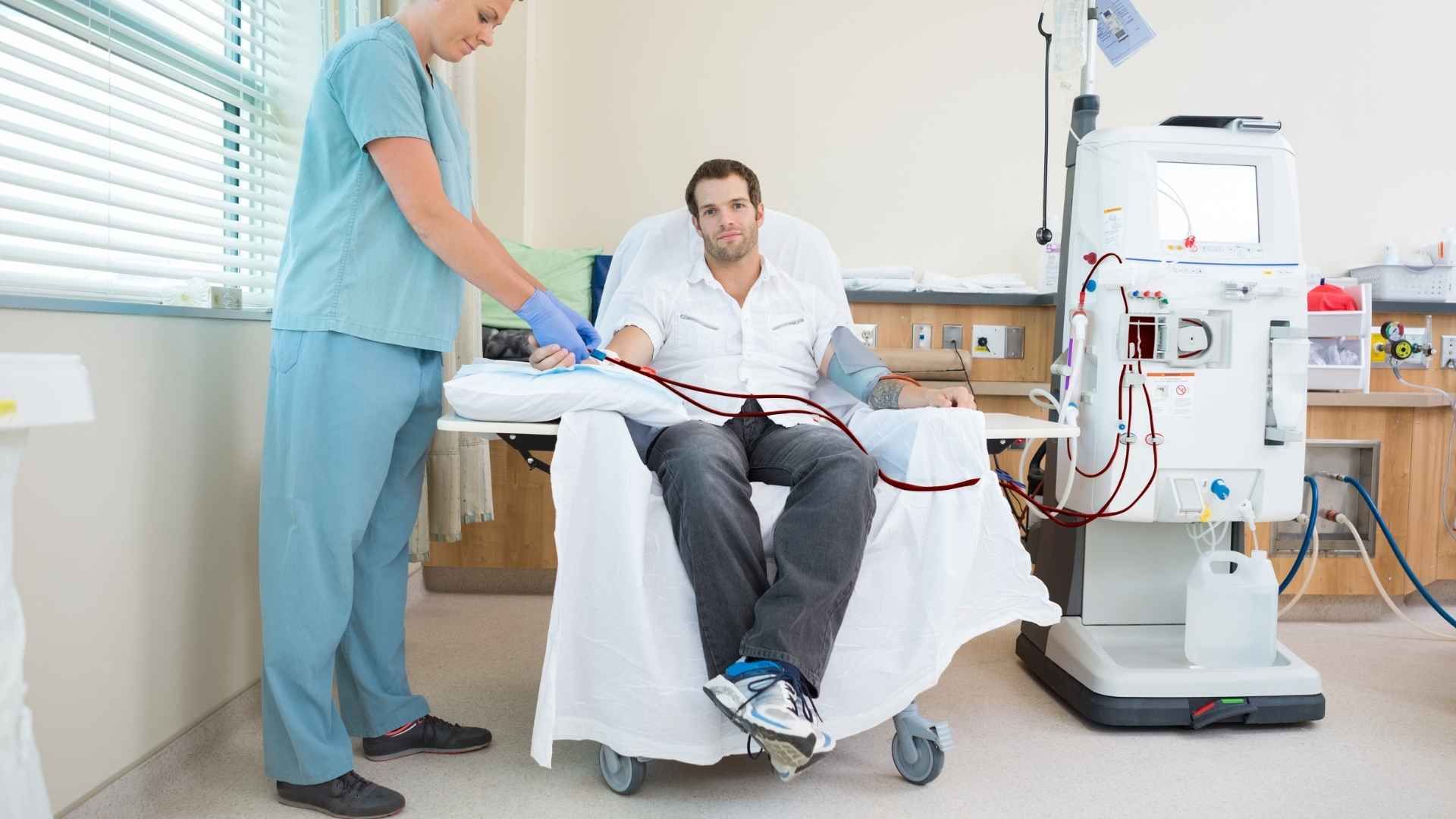
How hyperphosphatemia is managed in ESRD dialysis patients, diet, dialysis, and phosphate binders, and why reliable binder supply keeps therapy on track.

July 29, 2026
Compounded medications are a routine part of modern care, but unlike mass-manufactured drugs, each one is prepared individually, which means the standards behind its preparation carry real weight. For providers who order or refer for compounded therapies, a working understanding of those standards is the clearest way to judge whether a pharmacy is safe to trust. This overview covers the standards that govern sterile compounding and what they mean for the medications your patients receive. Why Standards Matter More in Compounding A commercially manufactured drug is produced under FDA oversight in large, validated batches. A compounded medication is prepared for an individual patient, often in small quantities, sometimes because no commercial equivalent exists. That flexibility is exactly why it's clinically valuable — and why the standards around preparation exist. Without rigorous controls, the same customization that helps patients could introduce contamination or error. Our guide to our sterile compounding pharmacy describes how those controls come together in practice. The Regulatory Landscape Sterile compounding sits within a layered framework: The United States Pharmacopeia (USP) publishes the general chapters, most importantly <797> and <800>, that define how compounded preparations should be made and handled. State boards of pharmacy license and inspect pharmacies, including where they're permitted to ship. Multi-state operations must maintain licensure in each state they serve. Accreditation bodies (ACHC, NABP, PCAB) provide independent verification that a pharmacy meets recognized standards. Together, these create the accountability structure behind every compounded dose. USP <797>: Sterile Preparations USP <797> is the cornerstone standard for compounded sterile preparations. It governs the conditions and practices required to keep a preparation free of contamination, including personnel training and garbing, ISO-classified air quality and engineering controls, environmental monitoring, and beyond-use dating. For any medication infused directly into the body, <797> compliance is the baseline expectation, not a premium feature. USP <800>: Hazardous Drugs USP <800> adds a containment layer for hazardous drugs, protecting personnel, patients, and the environment from unintended exposure. It specifies containment engineering controls, PPE, and validated handling procedures for drugs identified as hazardous. When a preparation is both sterile and hazardous, it must satisfy <797> and <800> together. For the details, see our breakdown of USP <800> requirements . Accreditation: Independent Verification Standards are only meaningful if someone checks that they're being met. Accreditation from ACHC, NABP, and PCAB means a pharmacy has been inspected against national benchmarks by an outside authority. For a provider, accreditation is a shortcut to confidence: it signals that the pharmacy's claims about its processes have been independently validated. The Quality-Control Process Behind the standards is a repeatable process that governs each preparation: Pharmacist review of the prescription for appropriateness, compatibility, and dosing Preparation by trained technicians under aseptic conditions In-process and final verification by a licensed pharmacist Sterility testing or filtration validation where required This chain is what turns a standard on paper into a safe medication in a patient's hands. What This Means When You Order When you refer a patient for a compounded therapy, you're effectively extending your own standard of care into another facility. Knowing that a pharmacy is USP-compliant, accredited, and pharmacist-led lets you refer with confidence that the medication will meet the same expectations you'd hold for anything you administer yourself. If you're weighing options, our guide on how to choose a compounding partner walks through the criteria. The Pharmko Standard Pharmko compounds every TPN, IDPN, and IPN preparation in a USP <797>-compliant, ISO Class 5 cleanroom, under ACHC, NABP, and PCAB accreditation, with a licensed pharmacist reviewing and releasing each formula. For the patients who receive our preparations, many of them managing End Stage Renal Disease (ESRD), that standard is the point. Refer a Patient → · [1 (877) 540-2003]
Physician evaluating a sterile compounding pharmacy partner
July 29, 2026
How to evaluate a sterile compounding pharmacy: accreditation, USP compliance, clinical support, turnaround, and the questions every practice should ask.

Sterile compounding pharmacy technician in PPE under a containment hood
July 29, 2026
A clear guide to USP 800 requirements: hazardous drug handling, containment, PPE, and the facility standards every sterile compounding pharmacy must meet.
Myasthenia Gravis and IVIG: What Patients Need to Know About IV Therapy
July 20, 2026
Learn how IVIG therapy works for myasthenia gravis, when it's used, what to expect during infusions, how home IVIG is coordinated, and how Pharmko supports MG patients and their neurologists.
Dobutamine and Inotrope Therapy at Home
July 17, 2026
Learn how home dobutamine infusion works for advanced heart failure, who qualifies, how continuous inotrope therapy is managed at home, and how Pharmko supports cardiac patients and heart failure teams.
CIDP and Home Infusion: IVIG Treatment, Dosing Schedule, and Long-Term Management
July 16, 2026
Learn how IVIG therapy works for CIDP, what the dosing schedule looks like, how to transition to home infusion, and how Pharmko supports long-term CIDP management across 22+ states.
Compounded IV Medications
July 15, 2026
Most medications that patients receive at a hospital or pharmacy come in standardized, commercially manufactured forms, a 500mg antibiotic vial, a pre-filled syringe, a fixed-concentration IV bag. These products work well for many patients. But a significant portion of patients receiving IV therapy have clinical needs that commercial products cannot meet: a dose the manufacturer doesn't make, a formulation incompatible with the patient's allergy profile, or a combination of nutrients that must be tailored to individual lab values. For these patients, compounded IV medications are not optional, they are clinically necessary. Pharmko's sterile compounding services prepare customized IV medications for patients across 22+ states, with every formulation reviewed by a licensed pharmacist and prepared in a USP <797> compliant cleanroom. What Makes an IV Medication 'Compounded'? A compounded medication is one that is prepared specifically for an individual patient by a licensed pharmacist, rather than manufactured in bulk by a pharmaceutical company. Compounding involves combining, mixing, or altering ingredients, active pharmaceutical ingredients, diluents, preservatives, to create a final preparation that meets the patient's unique prescription requirements. For IV therapy specifically, compounding means preparing a sterile preparation, one that is completely free of viable microorganisms and safe to inject or infuse directly into the bloodstream. This requires specialized facilities, equipment, training, and quality systems that go far beyond what a standard retail pharmacy can provide. Pharmko is exclusively a sterile compounding pharmacy. We do not compound oral medications, topical creams, or non-sterile preparations. Every product we make is intended for intravenous, intraperitoneal, or subcutaneous administration. When Are Compounded IV Medications Necessary? The required dose doesn't exist commercially Pharmaceutical manufacturers produce medications in standardized strengths and volumes based on average patient needs. Pediatric patients, patients with renal or hepatic impairment requiring dose adjustments, or patients whose weight or clinical status falls outside standard ranges may need concentrations or volumes that no commercial product provides. Compounding fills this gap precisely. The patient has an allergy to a commercial formulation's inactive ingredients Commercial IV products often contain preservatives, stabilizers, or diluents, sulfites, benzyl alcohol, certain dyes, that some patients cannot tolerate. A compounding pharmacy can prepare an equivalent formulation without the offending ingredient, allowing the patient to receive the therapy safely. The medication requires individualized nutrient formulation Total parenteral nutrition (TPN) is the clearest example: every TPN formula must be individually compounded because no commercial product can provide the precise combination of amino acids, dextrose, lipids, electrolytes, vitamins, and trace minerals a specific patient needs. The formula changes as the patient's labs, weight, and clinical status change, making standardization impossible. The commercial product is unavailable or in shortage Drug shortages are a persistent reality in the US pharmaceutical supply chain. When a commercially manufactured IV medication becomes unavailable, compounding pharmacies can often prepare an equivalent formulation from available active pharmaceutical ingredients, bridging the gap and maintaining continuity of therapy for patients who cannot wait. The therapy requires a custom delivery format Some IV medications require specific pH, osmolarity, or concentration adjustments for compatibility with a patient's IV access device or concurrent medications. A compounding pharmacist reviews compatibility and prepares formulations that are safe and stable for the specific administration route and equipment the patient is using. How Compounded IV Medications Are Made Step 1: Prescription review Every compounded IV medication begins with a valid prescription from a licensed prescriber. Pharmko's pharmacists review the prescription for clinical appropriateness, dosing accuracy, ingredient compatibility, and stability before compounding begins. Step 2: Ingredient sourcing and verification Active pharmaceutical ingredients for compounding must come from FDA-registered suppliers and meet USP monograph specifications. Each lot is verified for identity, potency, and purity before use. Step 3: Sterile preparation in a controlled environment Preparation occurs in an ISO Class 5 laminar airflow workbench or biological safety cabinet, located within a buffer room that meets ISO Class 7 air quality standards. Pharmacy technicians follow validated, written procedures for each preparation type, using aseptic technique to prevent contamination at every step. Step 4: Pharmacist verification and release A licensed pharmacist performs a final check of every preparation, verifying appearance, volume, labeling, and documentation, before the product is released. High-risk or complex preparations may undergo sterility testing with defined beyond-use dates based on test results. Step 5: Cold-chain delivery Most compounded IV medications require refrigeration. Pharmko uses validated cold-chain packaging and delivery logistics to ensure products arrive within their stability windows and remain temperature-controlled until the patient uses them. Quality Standards That Matter Not all compounding pharmacies operate at the same standard. The relevant quality benchmarks for sterile compounding are: USP <797> compliance, the national standard for sterile compounding environments, personnel, and processes. Our guide on USP <797> and USP <800> explains what compliance means in practice ACHC accreditation, independent third-party verification that Pharmko meets clinical quality standards for home infusion and sterile compounding State pharmacy board licensure, Pharmko is licensed in every state where we serve patients Environmental and personnel monitoring, documented air and surface sampling, personnel gowning competency assessments, and media fill testing at defined intervals For a foundational overview of what sterile compounding is and how it differs from retail pharmacy, see our guide on what is sterile compounding for IV therapy . → Contact Pharmko about compounded IV medications: 1-877-540-2003
home infusion therapy Pennsylvania
July 14, 2026
Pharmko provides home infusion therapy across Pennsylvania, IV antibiotics, IVIG, TPN, biologics, and specialty medications. Licensed, ACHC accredited, and available 24/7 statewide.
Show More