

Home-based IV hydration therapy

August 22, 2025

The Rise of Home-Based IV Hydration Therapy

In recent years, the demand for home-based IV hydration therapy has seen a significant uptick. This innovative healthcare solution allows individuals to receive intravenous treatments in the comfort of their own homes, bypassing the need for hospital visits. With increasing interest from people looking to integrate these therapies into their wellness routines, it's crucial to understand how these services work, the benefits they offer, and how they can be accessed safely and effectively.

How Mobile IV Therapy Works

What is mobile IV therapy?

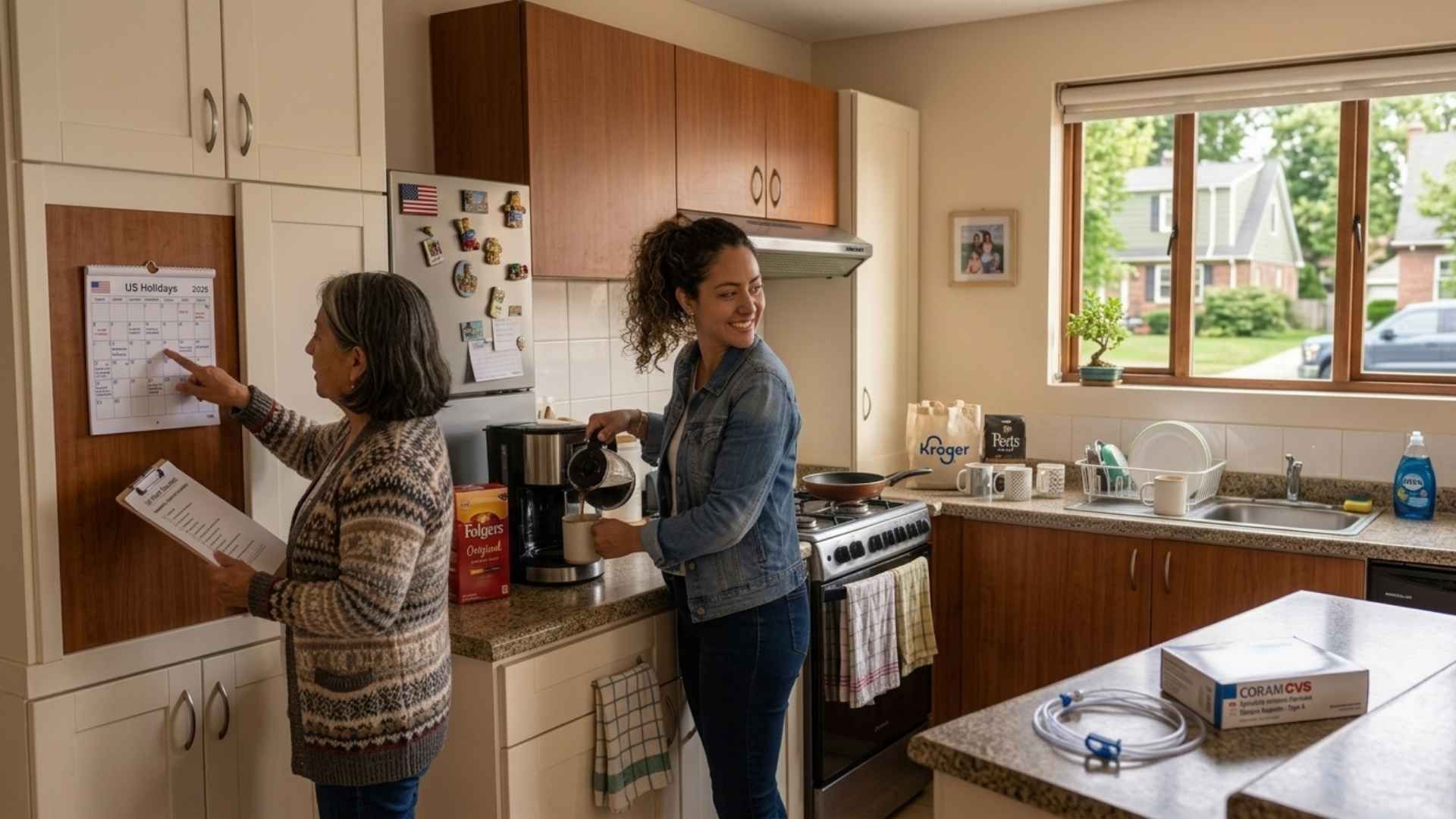
Mobile IV therapy is a service that allows licensed healthcare professionals to administer intravenous treatments in the comfort of patients' homes or other preferred locations. This approach is particularly advantageous for individuals who may find it difficult to visit hospitals or clinics due to busy schedules or mobility issues.

The process typically involves the use of catheters to provide various treatments safely. The therapy can be customized to address specific health needs, making it a valuable option for hydration, vitamin infusions, and recovery from illnesses or hangovers.

Roles of healthcare professionals

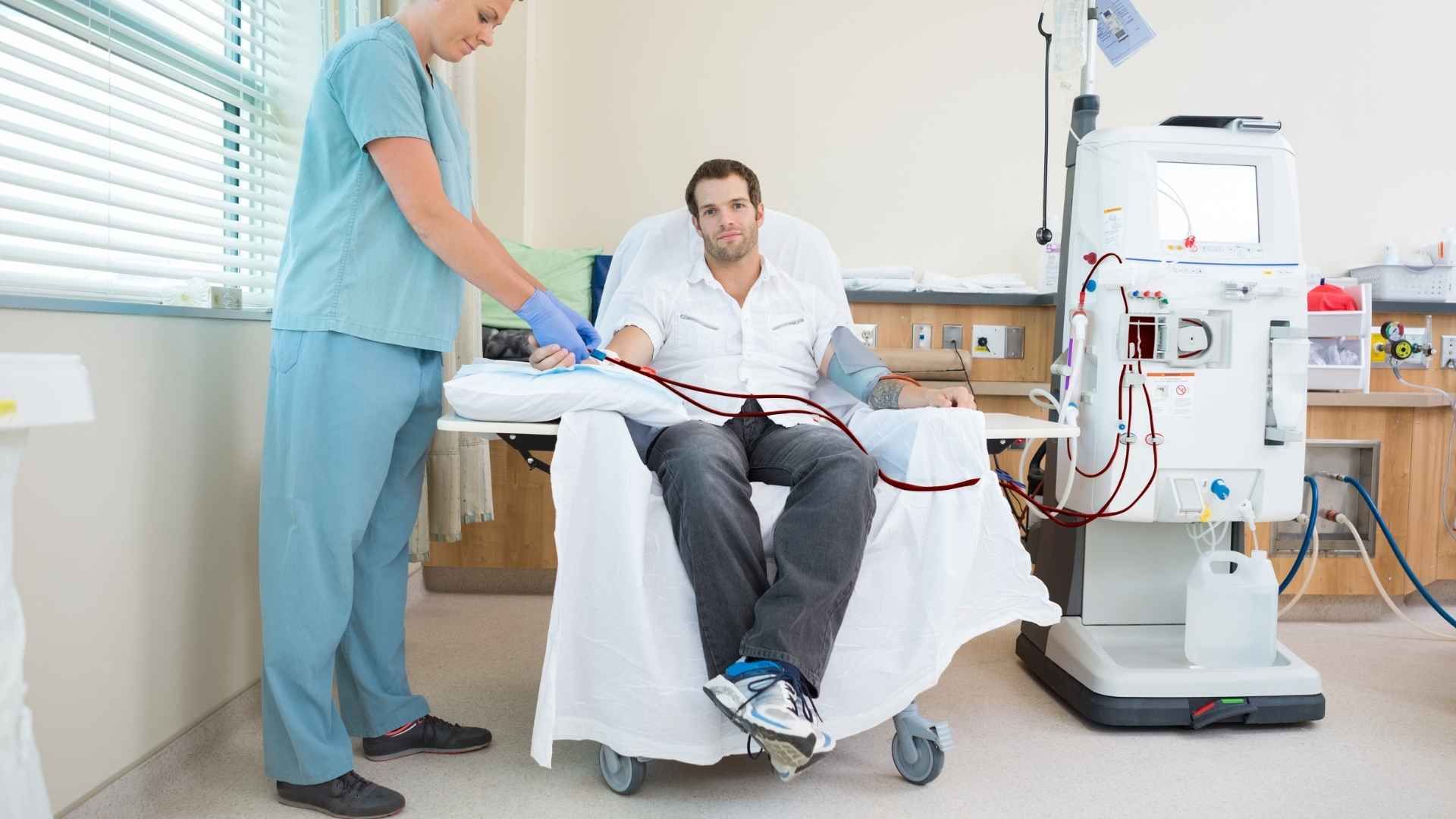
In the realm of home IV treatment, professional healthcare nurses often play pivotal roles. These trained nurses administer the intravenous therapies, ensuring that the correct dosage and medications are given properly. Sometimes, if the patient prefers or requires assistance, family or friends may help with the administration of medications under the guidance of a healthcare professional.

Types of treatments offered

Mobile IV therapy encompasses an extensive range of treatments, including:

  • High doses of antibiotics : Essential for infections requiring stronger medications not suited for oral delivery.
  • Hormone deficiency treatments : Administered to address specific metabolic issues.
  • Anti-nausea medications : Designed to provide immediate relief for patients undergoing various treatments.
  • Patient-controlled analgesia (PCA) : Allowing patients to manage their pain effectively.
  • Chemotherapy : For cancer patients who need ongoing treatment in a less stressful environment.
  • Total parenteral nutrition (TPN) : Supporting patients who cannot consume food orally.

Monitoring for complications such as infections or swelling is crucial to ensure patient safety and effective treatment outcomes.

Advantages of Home-Based IV Therapy

Convenience and Comfort

Home IV treatment allows patients to receive vital intravenous medications without the need to travel to a hospital or clinic. This type of therapy is especially beneficial for those who might have mobility issues, chronic conditions, or simply prefer the familiarity of their own surroundings. With the use of various catheters, healthcare professionals can administer necessary treatments directly at home.

Range of Treatments Available

The array of treatments that can be provided through home IV therapy is extensive. Patients can receive high doses of antibiotics that cannot be administered orally, treatments for hormone deficiencies, anti-nausea medications, and even chemotherapy. Additionally, total parenteral nutrition (TPN) can be delivered, providing essential nutrients directly into the bloodstream, ensuring patients receive adequate nutrition when they cannot eat solid food.

Safety Considerations

While home IV therapy offers several benefits, it’s crucial to monitor for potential complications such as infection, swelling, or air embolism. Home health care nurses are often responsible for administering these treatments, ensuring safety and proper technique. In some cases, family or friends can assist with medication administration, following guidelines provided by healthcare professionals.

Is it possible to get IV fluids without going to the hospital?

Yes, it is possible to get IV fluids without going to the hospital through mobile IV therapy services. These services dispatch healthcare professionals to administer IV fluids at home. A popular option is an IV Hydration Therapy package, typically costing around $199, delivering hydration solutions to revitalize the body and lift mood in a comfortable setting.

Costs and Considerations of Home IV Drips

How much does an IV drip at home cost?

The cost of an IV drip at home can vary widely depending on the specific package and treatment selected. Generally, the most basic option, the Hydration package, starts at $199 , which includes in-home service and travel fees.

Other IV therapy packages range significantly, from $199 to $749 , depending on the treatment's ingredients and complexity. For instance, the Cold and Flu package is priced at $319 , while a specialized NAD+ package can go up to $749 . The variation in prices often reflects the contents provided within each package and the level of care required.

Factors affecting pricing

Several factors influence the pricing of home IV treatments, including:

  • Service Level: More complex treatments involve higher expertise and thus higher costs.
  • Ingredients Used: Specialty nutrients or medications can significantly impact the overall price.
  • Travel Fees: Distance from the provider can add to the cost for in-home visits.

Customization options

Clients often have the option to customize their IV drips. Extra vitamins or nutrients can be added for an additional $20 each . This allows for personalized treatment tailored to individual health needs and preferences.

Package Type Cost Range Key Features
Basic Hydration $199 In-home service, travel fees included
Cold and Flu $319 Specialized ingredients for faster recovery
Specialized NAD+ $749 High-dosage package with more components
Custom Add-ons +$20 Personalize with extra vitamins or nutrients

Understanding these aspects can help patients make informed decisions when considering home IV therapy options.

Components of a Home IV Kit

What is included in a home IV kit?

A home IV kit is designed to ensure that patients can receive intravenous treatment safely and effectively at home. It typically includes several essential components that facilitate this:

  • Sterile IV Catheter : Used to access a vein securely.
  • IV Tubing : This connects the catheter to the IV solution bag, allowing for the passage of fluids.
  • Pre-filled IV Solution Bags : These may contain saline, glucose, or other solutions that meet the patient's specific medical needs.
  • Alcohol Swabs : Essential for disinfecting areas before catheter insertion to prevent infection.
  • Adhesive Tape : Used to secure the catheter in place to prevent movement and dislodgement.
  • Additional Supplies : Gloves, gauze pads, and other materials may also be included for proper administration.

Importance of professional guidance

Using these components requires careful handling and oversight. Professional guidance is crucial to ensure that patients and their families understand the correct use and management of the IV kit. This training helps minimize risks and enhances safety during home treatment.

Variability based on treatment type

The composition of a home IV kit can vary based on the specific treatment. For example, a chemotherapy kit may contain different drugs and additional monitoring equipment compared to a kit used for total parenteral nutrition (TPN). Understanding these differences is vital for effective treatment at home.

Safe Administration of IV Therapy at Home

Role of healthcare professionals

Home IV therapy allows patients to receive essential medicines, such as high-dose antibiotics and chemotherapy, within the comfort of their homes. Typically, home health care nurses are responsible for administering these therapies and ensuring patients are monitored for efficacy and safety.
While some family members may be trained to assist with medication administration, the primary focus remains on safe practices set by healthcare professionals.

Training for self-administration

With proper training, some patients can learn to administer their own IV therapy, which can enhance independence. Training involves understanding how to connect catheters, manage dosages, and safely dispose of supplies.
Following strict guidelines is crucial to minimize risks and ensure effective treatment. Patients should always consult with their healthcare provider before attempting self-administration.

Monitoring and managing complications

Receiving IV treatment at home requires vigilance. Patients must monitor for possible complications such as infections, swelling, or air embolism.
In case of issues, recognizing the signs early on can be critical for safety. Methods for managing complications include contacting a healthcare professional immediately if any symptoms occur and knowing how to address minor concerns, like adjusting the IV line position.

Aspect Importance Recommendations
Healthcare Role Ensures safe administration & monitoring Engage home health care nurses for support
Patient Training Empowers self-management under supervision Obtain thorough training before self-administering
Complication Monitoring Early detection prevents serious outcomes Know signs of infection and when to seek help

The Future of Home-Based IV Therapy

As more individuals seek personalized and convenient healthcare solutions, home-based IV hydration therapy is poised to become an integral part of modern health and wellness routines. By offering a combination of medical necessity and lifestyle convenience, these services meet diverse needs, from acute medical treatments to general wellness boosts. However, as with any medical treatment, understanding the process, costs, and safety implications is crucial. Engaging with knowledgeable providers and ensuring proper healthcare guidance can help maximize the benefits and safety of home-based IV therapy.

References

Subcutaneous vs IV Infusion: Which Delivery Route Is Right for Your Therapy
May 4, 2026
Learn the differences between subcutaneous and IV infusion delivery routes,how each works, which therapies use them, and how to choose the right option for your treatment.
Milrinone Infusion at Home for Heart Failure: Patient Guide and Safety Overview
April 23, 2026
Learn how home milrinone infusion works for advanced heart failure patients, who qualifies for palliative milrinone therapy, what to expect, and how Pharmko supports safe at-home cardiac care.
Home Infusion for Crohn's Disease: Remicade, Biologics, and What Patients Should Know
April 23, 2026
Learn how home infusion therapy for Crohn's disease works, including Remicade (infliximab) and other biologics. Who qualifies, what each infusion involves, and how Pharmko supports ongoing care.
Malnutrition in Hemodialysis Patients: Signs, Risks, and When IDPN Is Needed
April 23, 2026
Malnutrition affects up to 75% of hemodialysis patients. Learn to recognize protein-energy wasting, understand when IDPN is clinically indicated, and how Pharmko supports renal nutrition management.
IDPN Therapy: Who Qualifies, How It Works, and What to Expect
April 23, 2026
Learn how intradialytic parenteral nutrition (IDPN) works, who qualifies based on albumin levels and nutritional status, and how Pharmko delivers IDPN for dialysis patients.
How to Refer a Patient to Home Infusion Therapy: A Guide for Providers
April 17, 2026
Step-by-step guide for physicians, discharge planners, and case managers on how to refer a patient to home infusion therapy. Learn the process, documentation needed, and what to expect from Pharmko.
Home Infusion vs. Hospital Infusion: Is Receiving IV Therapy at Home Safe?
April 17, 2026
Wondering if home infusion therapy is as safe as hospital infusion? Compare both options, understand the clinical safeguards, and learn when home IV therapy is the right choice.
IVIG Therapy at Home: What Patients Need to Know Before Starting
April 17, 2026
Considering IVIG therapy at home? Learn who qualifies, how home IVIG infusions work, what to expect during treatment, and how Pharmko supports you every step of the way.
Home IV Antibiotics: How to Receive IV Antibiotic Therapy at Home
April 17, 2026
Learn how home IV antibiotic therapy works, who qualifies, what to expect, and how Pharmko supports your treatment from day one. 24/7 clinical support across 23 states.
Home Infusion Binder: Organize Orders, Contacts, and Questions in One Place
April 1, 2026
Learn how to organize home infusion therapy details in one place orders, contacts, supply notes, symptoms, and questions so support is faster and clearer.
Show More