Home infusion therapy for hemophilia

September 11, 2025

Exploring Modern Solutions for Hemophilia Management

Hemophilia, a lifelong bleeding disorder affecting thousands globally, often demands intensive and continuous care. Recent advancements in treatment have made managing hemophilia more attainable, notably through home infusion therapy. This article delves into this innovative approach, offering insights into its applications, benefits, and implications for both patients and healthcare systems.

Understanding Home Infusion Therapy for Hemophilia

Overview of hemophilia and its treatment

Hemophilia is a genetic disorder characterized by a deficiency in specific clotting factors, mainly Factor VIII and IX. Patients experience prolonged bleeding episodes, which can result in serious complications like joint damage. Treatment options primarily involve factor replacement therapy. This method aims to restore the deficient clotting factor, enabling the blood to clot properly and manage bleeding effectively.

Various treatment regimes are available depending on the hemophilia type and severity. For Hemophilia A, treatment usually involves infusing Factor VIII, while Hemophilia B requires Factor IX supplements. Mild cases may utilize Desmopressin, which stimulates the release of clotting factors from the body. Recent advancements include options like Emicizumab (Hemlibra), which assists in preventing bleeding without relying solely on traditional factors.

How home infusion works

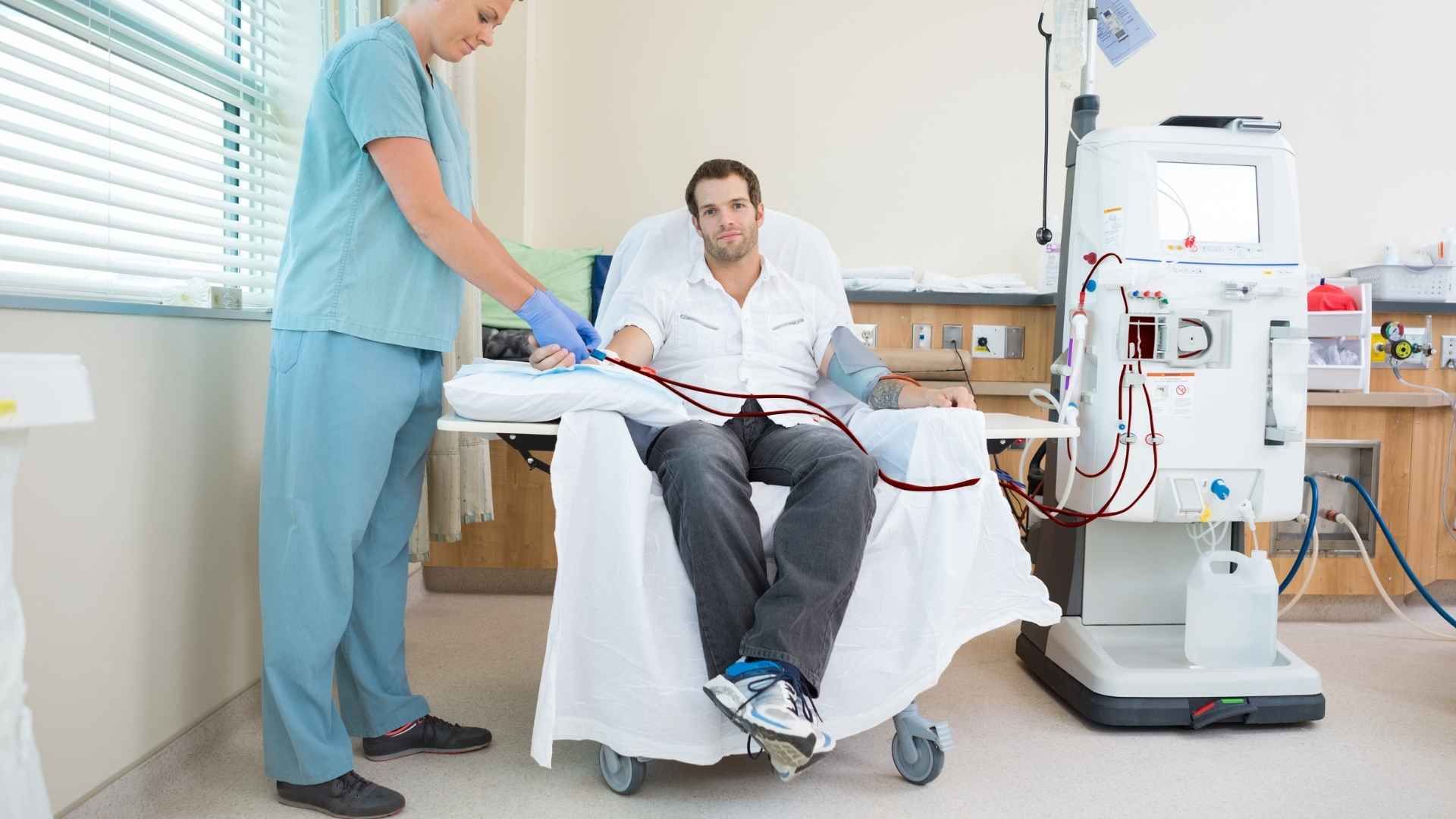
Yes, hemophilia can be treated at home. Home infusion therapy allows patients to self-administer the necessary clotting factors conveniently and safely, reducing the need for hospital visits. The process typically requires the patient or caregiver to undergo thorough training and education from healthcare professionals. This training ensures a clear understanding of proper techniques for infusion, recognizing bleeding episodes, and maintaining communication with the healthcare team.

Different delivery methods for clotting factors

Various delivery methods exist for administering clotting factors:

  • Intravenous infusion : The most common method for delivering factor concentrates. It can be performed at home by the patient or a trained caregiver.
  • On-Demand therapy : Infusions given during acute bleeding episodes to manage situations promptly.
  • Prophylactic therapy : Scheduled infusions intended to prevent bleeding before it occurs, offering a proactive approach to management.
  • Extended Half-Life factors : These factored products require less frequent administration, improving adherence and convenience for patients.

Advantages for hemophilia patients

Home infusion therapy boasts numerous advantages for patients managing hemophilia:

  • Improved adherence : Patients can receive treatment on their schedule, allowing immediate responses to bleeding episodes.
  • Decreased hospital visits : Enhanced independence significantly reduces health care costs and hospital stay frequency due to complications.
  • Enhanced quality of life : Home therapy allows patients to maintain daily responsibilities while managing their condition effectively.

Overall, home infusion has become a crucial part of hemophilia management, emphasizing personalized care and the empowerment of patients and families.

Benefits and Impact on Hospitalization Rates

How does home infusion therapy impact hospitalization rates and treatment outcomes for hemophilia?

Home infusion therapy has a remarkably positive effect on hospitalization rates for hemophilia patients. Research indicates that this method reduces the risk of hospitalization for bleeding-related complications by about 40% when compared to traditional settings. This is coupled with a reported average annual bleed rate of 1.7 , which is significantly lower than the national average of 2 to 5 for similar patient populations. This underscores the efficacy of home therapy in managing bleeding episodes effectively.

Furthermore, patients utilizing home infusion therapy have reported enhanced quality of life. By allowing for prompt treatment during bleeding episodes, home therapy minimizes the treatment burden often associated with recurring hospital visits. This approach not only alleviates physical stress but also supports mental well-being, as patients feel more in control of their healthcare journey.

In terms of economic impacts, home infusion is associated with notable cost savings. Patients typically incur lower annual costs, with savings amounting to approximately $21,165 per person, while also reducing the frequency of necessary clinic visits by around 400% . This comprehensive model provided by home infusion enhances patient outcomes, satisfaction, and independence in managing hemophilia, making it a preferred option in contemporary care strategies.

Navigating Educational Resources and Safety Protocols

What educational resources exist for administering home infusion therapy safely?

To ensure the safe administration of home infusion therapy, numerous educational resources are available, specifically designed for patients and caregivers. These include comprehensive training programs conducted by healthcare providers that cover crucial aspects of the infusion process. Key topics in these programs include:

  • Equipment operation : Understanding how to use the necessary machinery safely.
  • Medication administration : Learning correct dosing and timing protocols for factor replacement therapy.
  • Infection control : Techniques to minimize the risk of infections during infusion.
  • Emergency procedures : What steps to take in case of an infusion reaction or complication.

Professional organizations such as the Infusion Nurses Society and the Association for Vascular Access provide guidelines that enhance learning on safe home infusion practices. Furthermore, initiatives such as the 21st Century Cures Act ensure Medicare coverage for home infusion services, including necessary training and support.

Home infusion pharmacies also play a significant role by offering tailored education. They empower caregivers with knowledge, ensuring they have access to essential resources for managing home infusion therapy effectively. Routine updates and retraining are also encouraged to maintain safety standards and practices in home settings, promoting better health outcomes for patients with hemophilia.

Cost Efficiency and Advantages of Home Infusion Care

What are the cost implications of home infusion therapy for hemophilia patients?

Home infusion therapy for hemophilia patients generally offers significant cost savings compared to traditional hospital-based treatments. While the overall costs of hemophilia management are high, averaging nearly $200,000 per patient annually, home therapy can reduce treatment costs by approximately $1,928 to $2,974 per course.

Additionally, patients utilizing home infusion have shown a 40% lower likelihood of hospitalization for bleeding complications, enhancing both clinical outcomes and quality of life.

How does home infusion therapy compare with clinic-based treatments?

Home therapy allows for more effective use of expensive factor replacement products, leading to significantly lower annual costs. Specifically, annual expenses for home infusion average about $10,104, in contrast to $18,819 for clinic-based treatment.

Overall Advantages of Home Infusion

  1. Direct Medical Expense Reduction
    • Significant savings on infusion costs.
  2. Improved Patient Independence
    • Enhanced ability for patients to manage their condition at home without frequent clinic visits.
  3. Better Quality of Life
    • Reduced stress associated with travel and waiting times in healthcare settings.

In conclusion, home infusion therapy not only reduces direct medical expenses but also enhances patient well-being, making it a cost-effective strategy for managing hemophilia.

Patient Empowerment through Home Infusion

How can patients manage and support their home infusion therapy?

Patients can effectively manage and support their home infusion therapy by engaging in comprehensive education programs designed to provide relevant information about their treatment plans. This includes understanding medications, recognizing potential side effects, and knowing safety measures.

Maintaining regular communication with healthcare providers is crucial. Utilizing digital tools for secure messaging allows for quick updates or inquiries to address any concerns that may arise. Engaging with home infusion services adds another layer of support, where visiting nurses offer personalized care and ongoing training focused on the infusion process and handling equipment.

Coordination among all members of the clinical team—physicians, nurses, pharmacists, and home infusion pharmacies—ensures that patient care is tailored to their individual needs and home environments. Moreover, fostering a culture of open communication greatly enhances patient satisfaction and can lead to better health outcomes.

Support and communication channels

The pathway to effective home infusion therapy involves a network of support and communication. Patients should establish lines of contact with their treatment team to facilitate seamless coordination. This includes:

  • Regular follow-ups : Ensure timely appointments to assess treatment effectiveness and make necessary adjustments.
  • Education resources : Access to step-by-step infusion instructions, treatment journals, and worksheets can aid understanding.
  • Emergency contacts : Knowing who to contact in case of a complication can alleviate anxiety during the infusion process.

By actively participating in their care, patients become empowered, gaining independence while effectively managing their condition from home.

The Future of Hemophilia Care

As home infusion therapy continues to evolve, its role in hemophilia management grows increasingly significant. This model not only enhances quality of life but also underscores the importance of patient-centric care. With ongoing education and tailored support, hemophilia patients can achieve greater independence and more effective disease control. As healthcare systems adapt, home infusion stands out as a promising avenue for delivering efficient, personalized, and cost-effective care.

References

From Hospital To Home Transition Of Care For Home Infusion What Patients Should Ask
February 5, 2026
Learn what a safe hospital-to-home infusion transition looks like coordination, supplies, monitoring, and what patients should ask.
When To Call During Home Infusion Red Flags You Should Not Ignore
February 5, 2026
Clear warning signs during home infusion fever, reactions, line changes, and pump issues plus what to do next.
Caregiver Training Checklist For Home IV Therapy Simple And Practical
February 5, 2026
A straightforward caregiver checklist for home infusion setup, hygiene, monitoring, and what to do if something doesn’t feel right.
Infusion Pumps And Supplies 101 What You Are Using And Why
February 5, 2026
A simple guide to common home infusion supplies, pumps, storage tips, and what to do if something doesn’t look right.
Central Line Care At Home Simple Habits To Help Prevent Infections
February 5, 2026
Practical, easy habits to reduce infection risk during home infusion plus what changes should prompt a call to your care team.
Home Infusion And Insurance What Coverage Can Look Like Including Medicare Basics
February 5, 2026
Understand common insurance steps for home infusion benefits checks, prior authorization, and Medicare basics plus how to stay organized.
Starting Home Infusion First Dose Checklist Patient Friendly
February 5, 2026
A simple checklist to feel prepared before your first home infusion delivery, supplies, storage, and what to ask your care team.
Home Infusion Therapy: What It Is, Who It Helps & What to Expect
February 5, 2026
Learn what home infusion therapy is, who it’s for, and what the process looks like plus safety tips and next steps with Pharmko.
September 11, 2025
Understanding Telehealth for Weight Loss In the age of digital health, telehealth has revolutionized the way we approach weight loss, offering a blend of accessibility, tailored programs, and expert insights—all from the comfort of our homes
September 11, 2025
Introduction Infusion therapy has become a cornerstone in the treatment of various chronic and acute diseases, providing patients with effective delivery of medications and nutrients directly into their bloodstream
Show More