Home Infusion vs. Hospital Infusion: Is Receiving IV Therapy at Home Safe?

April 17, 2026

One of the most common questions patients and families ask when first learning about home infusion therapy is whether it is as safe as receiving treatment in a hospital or infusion center. It is a fair question , and the answer, when the right pharmacy and clinical support are in place, is yes.


What Is Home Infusion Therapy?


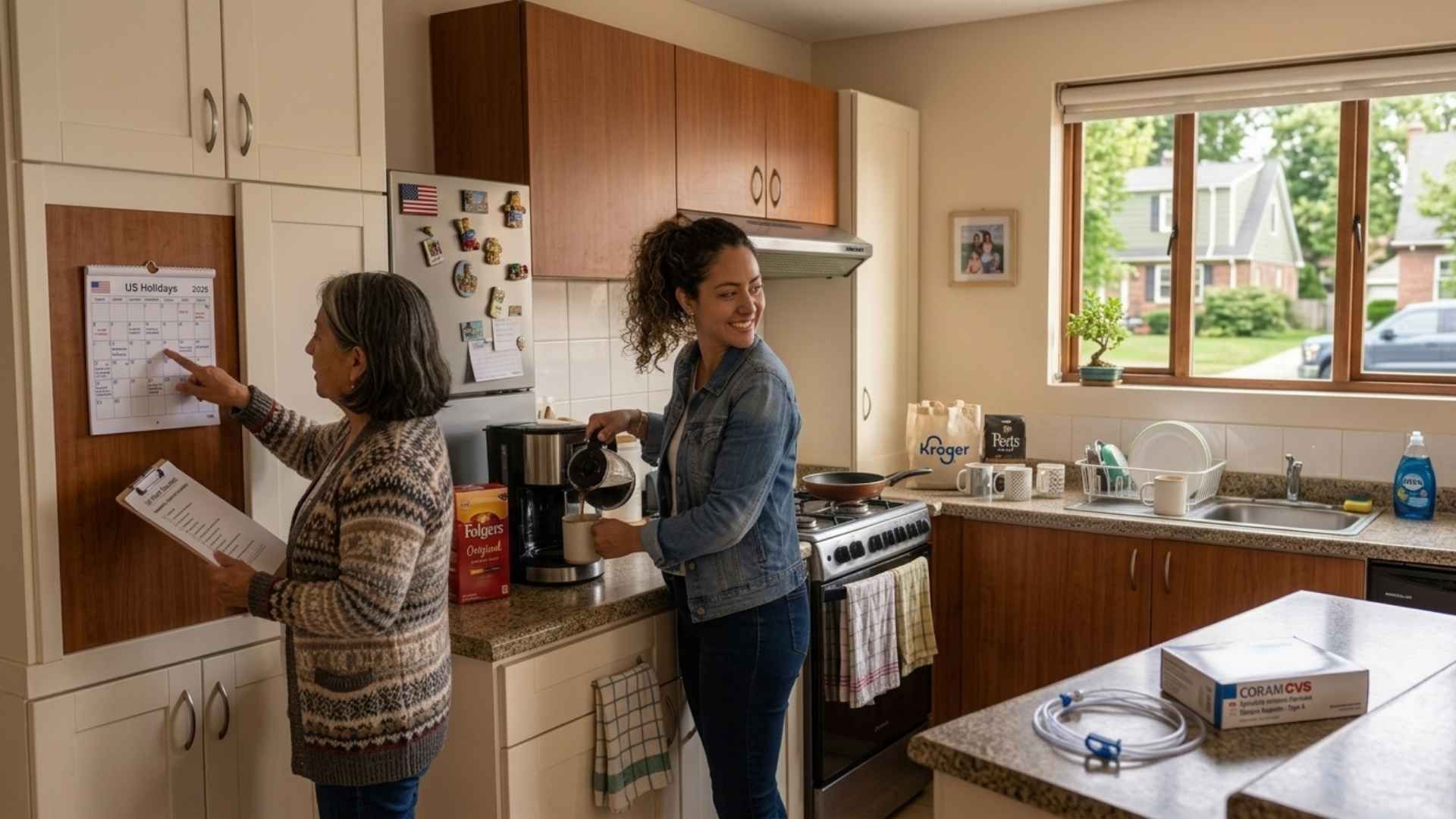
Home infusion therapy delivers IV medications directly to a patient at home. This includes IV antibiotics, immunoglobulins (IVIG), parenteral nutrition, and specialty drugs. A licensed specialty pharmacy like Pharmko prepares the medications, coordinates nursing visits, manages supply delivery, and provides 24/7 clinical support throughout treatment.


Is Home Infusion Therapy Safe?


Research consistently shows that for appropriate patients, home infusion produces clinical outcomes comparable to inpatient care with low rates of serious complications. The key factors that make it safe:


  • Proper patient selection , not every patient is a candidate
  • Accredited specialty pharmacy , medications prepared in a USP <797> compliant sterile environment
  • Trained nursing support available through our 24/7 after-hours line
  • Regular monitoring , lab work, nursing check-ins, and physician coordination on a defined schedule


Home Infusion vs. Hospital Infusion: Key Differences


Clinical oversight


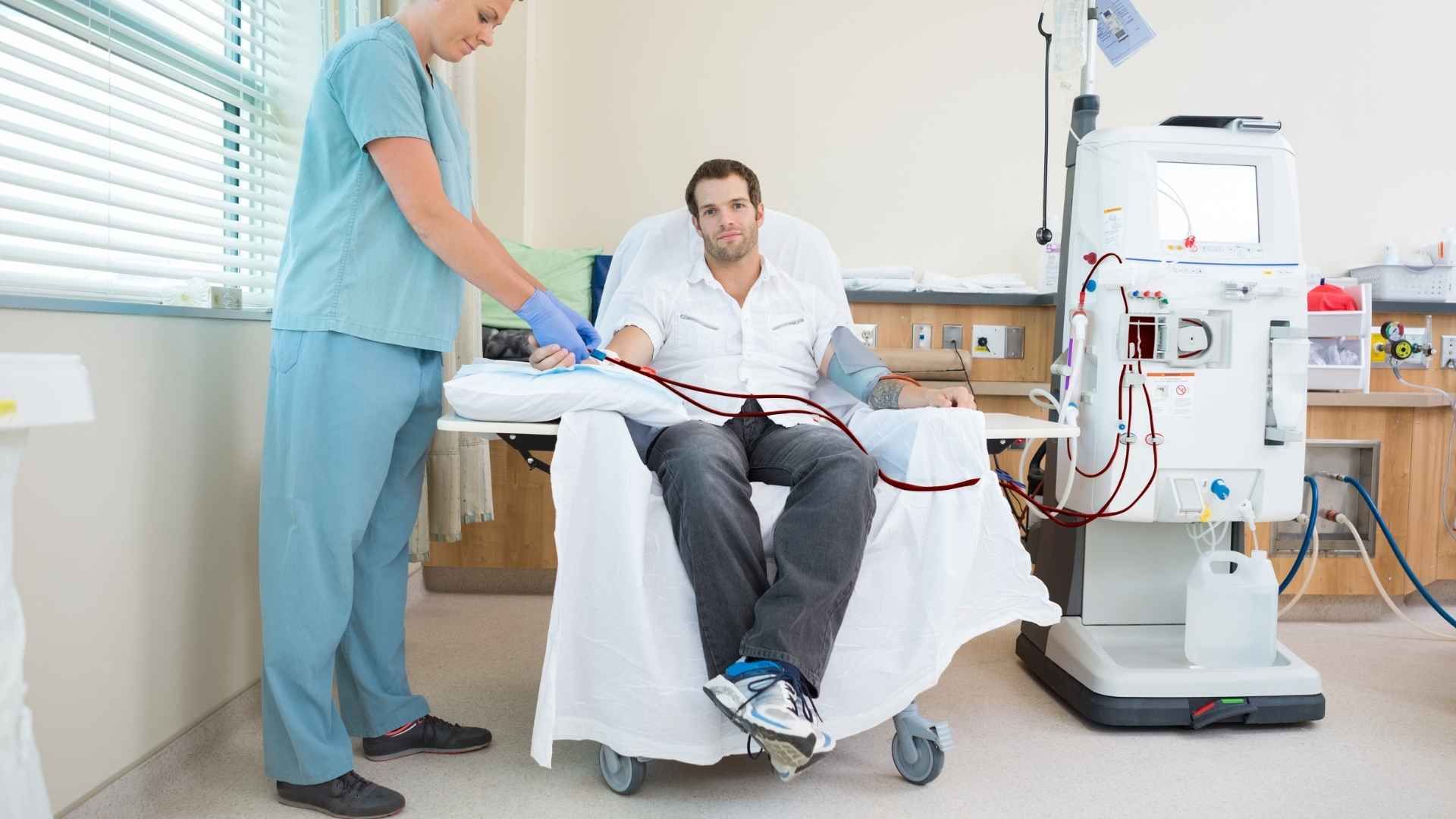
In a hospital, nurses and physicians are physically present. At home, oversight is structured through scheduled nursing visits, phone check-ins, and 24/7 on-call access. For stable patients on maintenance therapies, this level of supervision is typically sufficient and evidence-based.


Infection risk


The risk of hospital-acquired infections (HAIs) is a real concern in inpatient settings. At home, patients are not exposed to other patients or hospital-specific pathogens. With proper central line care and sterile technique, home infusion patients have low rates of catheter-related bloodstream infections (CLABSI).


Convenience and quality of life


Home infusion allows patients to sleep in their own beds, maintain daily routines, and avoid repeated hospital trips. For long-term therapies running 4–6 weeks, this difference in quality of life is significant. Studies show high patient satisfaction and better adherence when therapy is managed at home.


Cost


Home infusion is consistently less expensive than equivalent inpatient care. Medicare Part B, Medicaid, and most commercial plans cover it for medically appropriate patients. See our full insurance coverage guide for what to expect from the authorization process.


When Is Hospital Infusion the Right Choice?


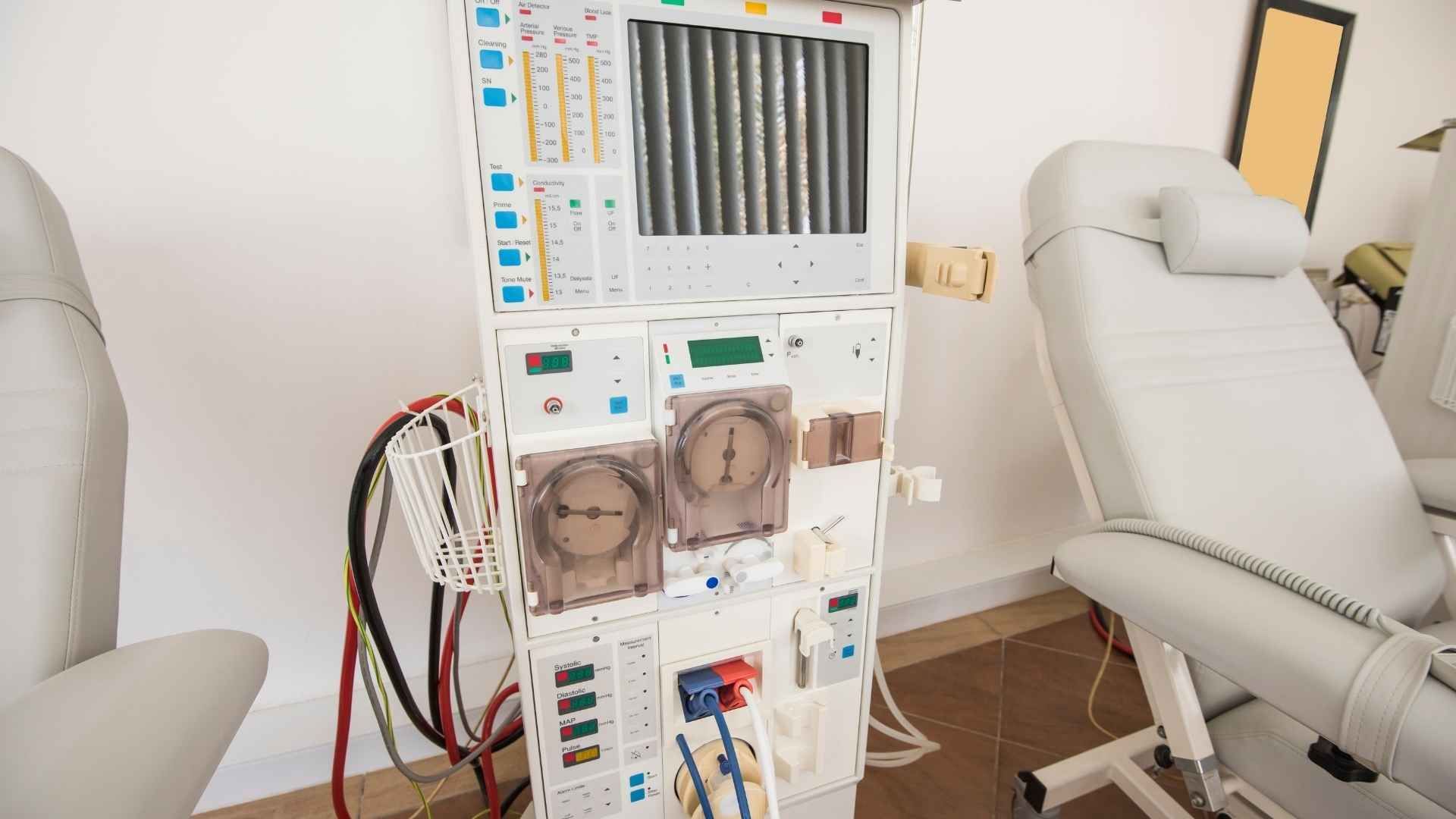
Home infusion is not appropriate for every situation. Hospital or infusion center care is typically necessary when the patient is medically unstable, when first doses need direct observation, or when the therapy requires equipment unavailable outside a clinical setting.


Many patients who begin therapy in a hospital transition to home infusion once they are stable , this is one of the most common referral pathways Pharmko works with.


Starting Home Infusion with Pharmko


Pharmko partners with hospitals, discharge planners, and physicians across 23 states. Learn how to refer a patient to home infusion for a smooth, safe transition from inpatient to home-based care.


Contact Pharmko to discuss a referral: 1-877-549-3863

Myasthenia Gravis and IVIG: What Patients Need to Know About IV Therapy
July 20, 2026
Learn how IVIG therapy works for myasthenia gravis, when it's used, what to expect during infusions, how home IVIG is coordinated, and how Pharmko supports MG patients and their neurologists.
Dobutamine and Inotrope Therapy at Home
July 17, 2026
Learn how home dobutamine infusion works for advanced heart failure, who qualifies, how continuous inotrope therapy is managed at home, and how Pharmko supports cardiac patients and heart failure teams.
CIDP and Home Infusion: IVIG Treatment, Dosing Schedule, and Long-Term Management
July 16, 2026
Learn how IVIG therapy works for CIDP, what the dosing schedule looks like, how to transition to home infusion, and how Pharmko supports long-term CIDP management across 22+ states.
Compounded IV Medications
July 15, 2026
Most medications that patients receive at a hospital or pharmacy come in standardized, commercially manufactured forms, a 500mg antibiotic vial, a pre-filled syringe, a fixed-concentration IV bag. These products work well for many patients. But a significant portion of patients receiving IV therapy have clinical needs that commercial products cannot meet: a dose the manufacturer doesn't make, a formulation incompatible with the patient's allergy profile, or a combination of nutrients that must be tailored to individual lab values. For these patients, compounded IV medications are not optional, they are clinically necessary. Pharmko's sterile compounding services prepare customized IV medications for patients across 22+ states, with every formulation reviewed by a licensed pharmacist and prepared in a USP <797> compliant cleanroom. What Makes an IV Medication 'Compounded'? A compounded medication is one that is prepared specifically for an individual patient by a licensed pharmacist, rather than manufactured in bulk by a pharmaceutical company. Compounding involves combining, mixing, or altering ingredients, active pharmaceutical ingredients, diluents, preservatives, to create a final preparation that meets the patient's unique prescription requirements. For IV therapy specifically, compounding means preparing a sterile preparation, one that is completely free of viable microorganisms and safe to inject or infuse directly into the bloodstream. This requires specialized facilities, equipment, training, and quality systems that go far beyond what a standard retail pharmacy can provide. Pharmko is exclusively a sterile compounding pharmacy. We do not compound oral medications, topical creams, or non-sterile preparations. Every product we make is intended for intravenous, intraperitoneal, or subcutaneous administration. When Are Compounded IV Medications Necessary? The required dose doesn't exist commercially Pharmaceutical manufacturers produce medications in standardized strengths and volumes based on average patient needs. Pediatric patients, patients with renal or hepatic impairment requiring dose adjustments, or patients whose weight or clinical status falls outside standard ranges may need concentrations or volumes that no commercial product provides. Compounding fills this gap precisely. The patient has an allergy to a commercial formulation's inactive ingredients Commercial IV products often contain preservatives, stabilizers, or diluents, sulfites, benzyl alcohol, certain dyes, that some patients cannot tolerate. A compounding pharmacy can prepare an equivalent formulation without the offending ingredient, allowing the patient to receive the therapy safely. The medication requires individualized nutrient formulation Total parenteral nutrition (TPN) is the clearest example: every TPN formula must be individually compounded because no commercial product can provide the precise combination of amino acids, dextrose, lipids, electrolytes, vitamins, and trace minerals a specific patient needs. The formula changes as the patient's labs, weight, and clinical status change, making standardization impossible. The commercial product is unavailable or in shortage Drug shortages are a persistent reality in the US pharmaceutical supply chain. When a commercially manufactured IV medication becomes unavailable, compounding pharmacies can often prepare an equivalent formulation from available active pharmaceutical ingredients, bridging the gap and maintaining continuity of therapy for patients who cannot wait. The therapy requires a custom delivery format Some IV medications require specific pH, osmolarity, or concentration adjustments for compatibility with a patient's IV access device or concurrent medications. A compounding pharmacist reviews compatibility and prepares formulations that are safe and stable for the specific administration route and equipment the patient is using. How Compounded IV Medications Are Made Step 1: Prescription review Every compounded IV medication begins with a valid prescription from a licensed prescriber. Pharmko's pharmacists review the prescription for clinical appropriateness, dosing accuracy, ingredient compatibility, and stability before compounding begins. Step 2: Ingredient sourcing and verification Active pharmaceutical ingredients for compounding must come from FDA-registered suppliers and meet USP monograph specifications. Each lot is verified for identity, potency, and purity before use. Step 3: Sterile preparation in a controlled environment Preparation occurs in an ISO Class 5 laminar airflow workbench or biological safety cabinet, located within a buffer room that meets ISO Class 7 air quality standards. Pharmacy technicians follow validated, written procedures for each preparation type, using aseptic technique to prevent contamination at every step. Step 4: Pharmacist verification and release A licensed pharmacist performs a final check of every preparation, verifying appearance, volume, labeling, and documentation, before the product is released. High-risk or complex preparations may undergo sterility testing with defined beyond-use dates based on test results. Step 5: Cold-chain delivery Most compounded IV medications require refrigeration. Pharmko uses validated cold-chain packaging and delivery logistics to ensure products arrive within their stability windows and remain temperature-controlled until the patient uses them. Quality Standards That Matter Not all compounding pharmacies operate at the same standard. The relevant quality benchmarks for sterile compounding are: USP <797> compliance, the national standard for sterile compounding environments, personnel, and processes. Our guide on USP <797> and USP <800> explains what compliance means in practice ACHC accreditation, independent third-party verification that Pharmko meets clinical quality standards for home infusion and sterile compounding State pharmacy board licensure, Pharmko is licensed in every state where we serve patients Environmental and personnel monitoring, documented air and surface sampling, personnel gowning competency assessments, and media fill testing at defined intervals For a foundational overview of what sterile compounding is and how it differs from retail pharmacy, see our guide on what is sterile compounding for IV therapy . → Contact Pharmko about compounded IV medications: 1-877-540-2003
home infusion therapy Pennsylvania
July 14, 2026
Pharmko provides home infusion therapy across Pennsylvania, IV antibiotics, IVIG, TPN, biologics, and specialty medications. Licensed, ACHC accredited, and available 24/7 statewide.
Home Infusion Therapy in New Jersey
July 14, 2026
Pharmko provides home infusion therapy across New Jersey, IV antibiotics, IVIG, TPN, IDPN, biologics, and more. Licensed, ACHC accredited, and available 24/7 statewide.
Renal dietitian reviewing albumin labs for a peritoneal dialysis patient
July 10, 2026
When to consider IPN for peritoneal dialysis patients with low albumin: clinical criteria, the stepwise nutrition approach, and the referral process.
Nephrologist reviewing dialysis nutrition options for an ESRD patient
July 10, 2026
IPN vs. IDPN explained: how each parenteral nutrition therapy works, who qualifies, and how to choose the right option for ESRD dialysis patients.
How Home Infusion Reduces Hospital Readmissions
July 10, 2026
Home infusion therapy is associated with lower hospital readmission rates, fewer complications, and significant cost savings. Review the clinical evidence and learn how Pharmko supports discharge planning teams.
Primary Immune Deficiency and IVIG: A Guide for Newly Diagnosed Patients
July 8, 2026
Newly diagnosed with primary immune deficiency? Learn how IVIG therapy works, what to expect from your first infusions, how home IVIG is coordinated, and how Pharmko supports PID patients long-term.
Show More